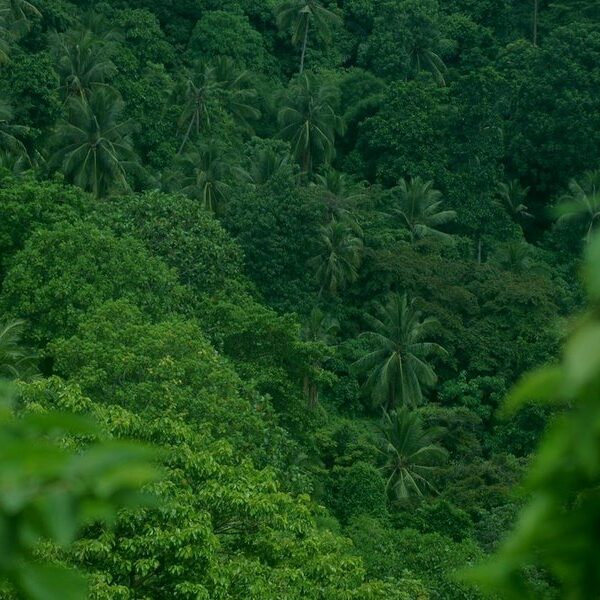
Madagascar’s fish fauna is weird in the best possible way. The island split from other landmasses so long ago that its waters evolved on their own track, which is why “fish of Madagascar” can mean three very different things: inland freshwater species, reef and coastal fish, and endemic species found almost nowhere else.
If you’re here for a quick species list, you’ll get that. If you want to know why Madagascar matters in fish conservation, that’s here too. The short version: isolation created novelty, and habitat loss has made a lot of that novelty fragile.
Table of contents
- TL;DR
- Why Madagascar’s fish are unusual
- Freshwater fish of Madagascar
- Marine and reef fish of Madagascar
- Notable endemic fish of Madagascar
- Threats to Madagascar fish
- Quick species list
TL;DR
Madagascar has a mix of freshwater, estuarine, and marine fish, but its real claim to fame is endemism. Many native freshwater species evolved in isolation, and several are now threatened by deforestation, invasive species, and shrinking wetlands. If you only remember one thing, make it this: the island’s fish diversity is valuable precisely because so much of it exists nowhere else.
Why Madagascar’s fish are unusual
Madagascar sits off the southeast coast of Africa, but its fish communities don’t just mirror the mainland’s. Long isolation, shifting rivers, and a patchwork of habitats have produced species that feel local in the deepest sense.
Some groups are adapted to fast-flowing streams. Others live in brackish estuaries or coastal lagoons. The island also supports a reef fish community tied to the Indian Ocean, with coral-reef species that range more widely than the island itself.
For freshwater life, the story gets more interesting. Madagascar has several endemic genera and species complexes, especially among cichlids, rainbowfish relatives, and killifish-like groups. The IUCN Red List is the place to check current conservation status, because a lot of these species are moving targets as habitats change.
For a broader guide to Madagascar’s native fauna, see Madagascar’s Native Animals: The Complete List.
Freshwater fish of Madagascar
Madagascar’s inland waters are where the island’s fish identity really shows up. Rivers, floodplains, marshes, and lakes all support native species, though many are locally restricted and easy to miss if you’re only thinking about famous wildlife.
Some of the better-known freshwater fish groups include:
- Madagascar rainbowfish (Bedotia spp.) — Small, streamlined fish from eastern streams and rivers. They’re popular in aquariums because of their colors and active swimming style.
- Pygmy rainbowfish (Pseudomugil? no — Madagascar has its own native rainbowfish relatives, especially Bedotia and related genera) — Tiny, elegant fish from shaded forest streams.
- Ptychochromis cichlids — A Malagasy cichlid group with several species adapted to rivers and lakes. Some are colorful, others are more plain-looking than the aquarium trade would like you to believe.
- Paretroplus cichlids — Another endemic cichlid lineage, often tied to the island’s ancient lake systems and slow-moving waters.
- Suckermouth catfish and tilapia — These are the outsiders in the story. Introduced fish have spread into some Malagasy waters and can outcompete natives.
A good overview of Madagascar’s freshwater biodiversity appears in work by conservation organizations and research databases such as FishBase and the IUCN. Those sources matter because local common names vary a lot, and scientific names keep everybody honest.
For a broader guide to Madagascar’s native fauna, see Madagascar’s Native Animals: The Complete List.
The freshwater fish of Madagascar are especially important because the island’s rivers are short and isolated. That means a species in one drainage can be absent from the next river over. Nice for evolution. Bad for resilience.
Marine and reef fish of Madagascar
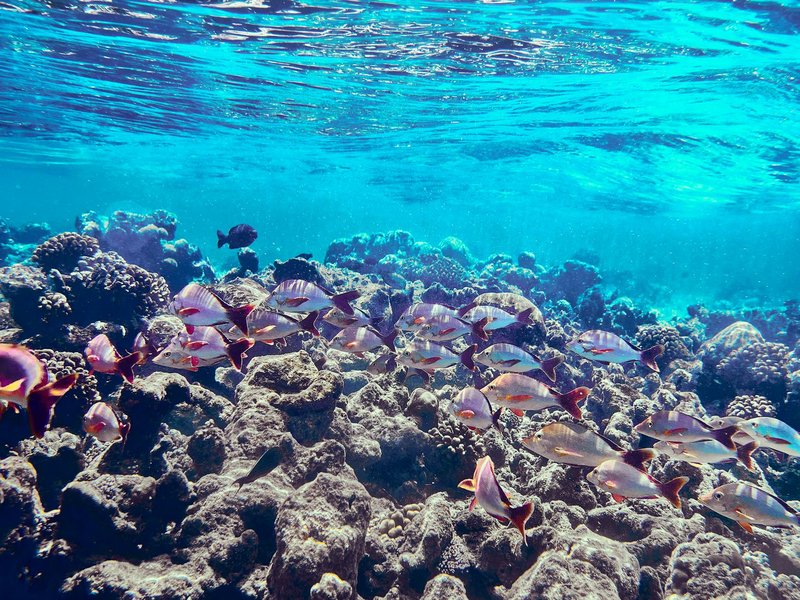
Madagascar is ringed by the Indian Ocean, and its marine fish are tied to reefs, seagrass beds, lagoons, and mangroves. If freshwater fish are the island’s specialists, reef fish are the flashy neighbors who show up to the party from a much bigger ocean.
Notable marine groups around Madagascar include:
- Parrotfish — Reef grazers that scrape algae off coral and rock, helping keep reefs from getting overrun.
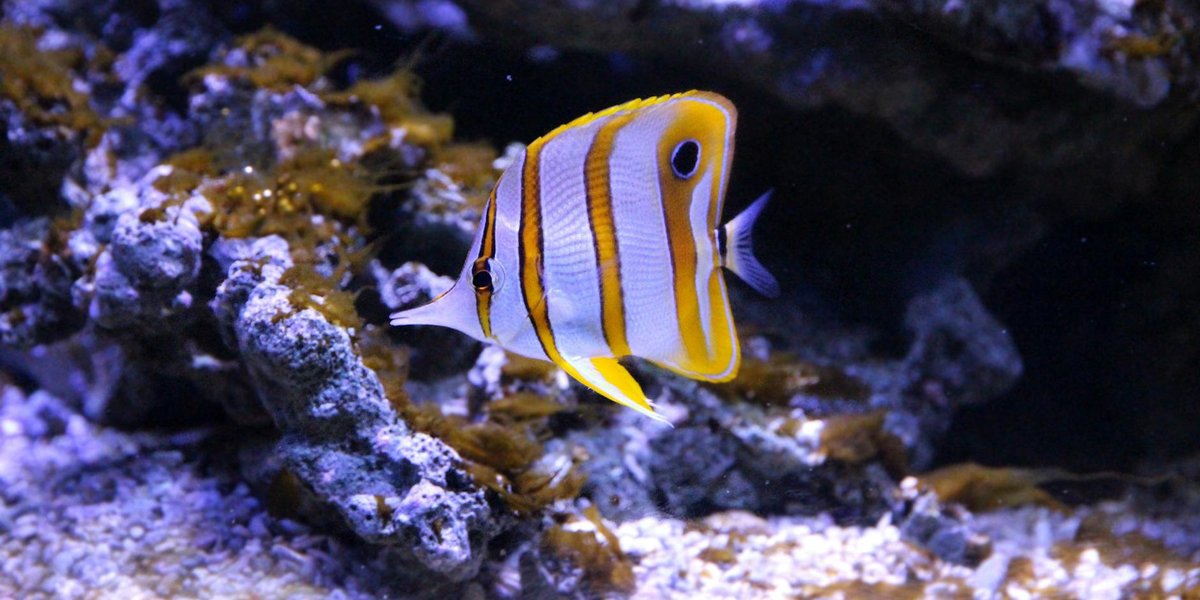
- Butterflyfish — Small, bright reef fish with narrow snouts and a taste for coral-associated life.
- Surgeonfish — Laterally compressed herbivores common on tropical reefs.
- Groupers and snappers — Larger predatory fish that matter both ecologically and commercially.
- Moorish idols, angelfish, wrasses, and damselfish — The classic reef cast, all of them part of the broader Indo-Pacific community.
Madagascar’s reefs are not just pretty scenery. They support fisheries, tourism, and coastal livelihoods. They also sit in a region where coral bleaching, warming seas, and heavy fishing pressure can pile up fast.
The reef communities around Madagascar are part of the wider western Indian Ocean system, so many species are shared with nearby islands and mainland coasts. That doesn’t make them less interesting. It just means the island’s marine life is part of a bigger ecological web.
Notable endemic fish of Madagascar
This is the part people usually mean when they search for “fish of Madagascar.”
Endemic species are the island’s signature act, and several are worth knowing:
Madagascar rainbowfish
The genus Bedotia includes several species native to Madagascar’s eastern waters. They’re often found in clear, flowing streams with submerged vegetation and leaf litter. Their modest size and quick movements make them easy to overlook in the wild, but in the aquarium trade they’ve earned a loyal following.
Cichlids of the genera Paretroplus and Ptychochromis
These are among Madagascar’s most distinctive freshwater fish. Some are lake dwellers, some live in rivers, and many are endangered or restricted to tiny ranges. They matter because they represent long evolutionary histories isolated on the island.
Madagascar killifish relatives
Madagascar also has small, short-lived fish adapted to seasonal waters and temporary habitats. These species often have narrow distributions and can disappear quickly if wetlands dry or are altered.
Coastal and estuarine endemics
Some Malagasy fish are tied to brackish zones where rivers meet the sea. These habitats are often overlooked, which is a problem because they’re among the most heavily modified parts of the island.
A handful of species have become familiar to aquarists, but the wild context is easy to lose. A fish that looks “common” in a tank may be rare in its native river. That disconnect matters.
For current status on individual species, the IUCN Red List and taxonomic references like FishBase are the most useful starting points.
For a broader view of Madagascar’s endemics across all fauna, see Animals Only Found in Madagascar: The Complete List.
Threats to Madagascar fish
Madagascar’s fish are under pressure from the usual suspects, plus a few that hit especially hard on an island.
Habitat loss
Deforestation increases erosion, and sediment chokes rivers, wetlands, and coastal habitats. For fish that depend on clear water or specific substrates, that’s a direct hit.
Invasive species
Introduced tilapia, carp, and other non-native fish can compete with or prey on native species. In small, isolated freshwater systems, that can reshape whole communities.
Overfishing
Coastal and inland fisheries support people, but unregulated pressure can reduce populations quickly, especially for larger marine fish and slow-reproducing freshwater species.
Climate stress
Warmer waters, coral bleaching, and rainfall changes are all part of the mix. Reef fish feel the ocean side of this. Freshwater fish feel the river side.
The sad trick is that endemism cuts both ways. It creates unique species, then traps them in a small range when conditions go bad.
Quick species list
Here’s a compact Madagascar fish species list by broad category:
| Group | Examples | Habitat | Notes |
|---|---|---|---|
| Freshwater natives | Bedotia spp., Paretroplus spp., Ptychochromis spp. | Rivers, lakes, wetlands | Many are endemic and range-restricted |
| Marine reef fish | Parrotfish, butterflyfish, surgeonfish, wrasses | Coral reefs, lagoons | Part of the western Indian Ocean fauna |
| Brackish fish | Estuarine natives and coastal species | River mouths, mangroves | Often overlooked, often vulnerable |
| Introduced fish | Tilapia, carp, other non-natives | Inland waters | Can displace native species |
If you want the most accurate picture of fish of Madagascar, don’t treat the island as one habitat. Separate freshwater from marine, then look at which species are truly endemic. That’s where the real story lives.
Madagascar’s fish are a reminder that isolation makes evolution interesting, but it also makes conservation urgent. The island still holds species found nowhere else on Earth. The annoying part, from a conservation standpoint, is that those species are usually the most exposed to damage. The fascinating part is that they’re still there at all.
If you’re building a Madagascar fish species list for study, aquariums, travel, or research, start with endemic freshwater genera like Bedotia, Paretroplus, and Ptychochromis, then expand outward to reef fish of the Indian Ocean coast. That gives you the full picture without flattening everything into a generic “tropical fish” blur.