Table of Contents
- Why France Has Such Varied Wildlife
- Native vs. Reintroduced: The Distinction Nobody Makes
- Mammals
- Birds of Prey and Notable Birds
- Reptiles and Amphibians
- Marine Life
- Best Places to Spot French Wildlife
France isn’t just Paris and vineyards. Squeeze four mountain ranges, a Mediterranean coastline, an Atlantic seaboard, and a chunk of temperate forest into one country and you get a genuinely strange mix of animals — Alpine ibex sharing a border with Mediterranean flamingos, wolves working their way back into forests where they’d been extinct for seventy years.
This isn’t a photo gallery of “cute animals in France.” It’s a list built around one distinction almost nobody else bothers to draw clearly: which of these species actually never left, and which ones are back after we wiped them out.
Why France Has Such Varied Wildlife
France sits at a crossroads of four biogeographic zones: Alpine (the Alps and Jura), Pyrenean, Mediterranean, and Atlantic-continental. That’s a lot of ecological real estate for one country — roughly the size of Texas — to cram in. The IUCN lists France among the top European countries for vertebrate species diversity, largely because of this overlap.
The Alps top out above 4,800 meters at Mont Blanc; the Camargue delta, a few hundred kilometers south, sits at sea level and floods every winter. Species that would never cross paths elsewhere in Europe end up sharing a national border here.
Native vs. Reintroduced: The Distinction Nobody Makes {#native-vs-reintroduced}
Most “animals of France” lists treat every species on French soil as equally “native.” That’s sloppy. A meaningful chunk of France’s most iconic wildlife — brown bears, wolves, lynx, even some ibex populations — was hunted to extinction within the last two centuries and then brought back through deliberate reintroduction programs, often importing individuals from Slovenia or Switzerland because the original French bloodlines were simply gone.
That matters for anyone actually trying to understand French wildlife rather than just admire it. A reintroduced population behaves differently than one that never left: smaller gene pools, more fragile numbers, more political friction with farmers. We’ll flag each one below.
Mammals {#mammals}
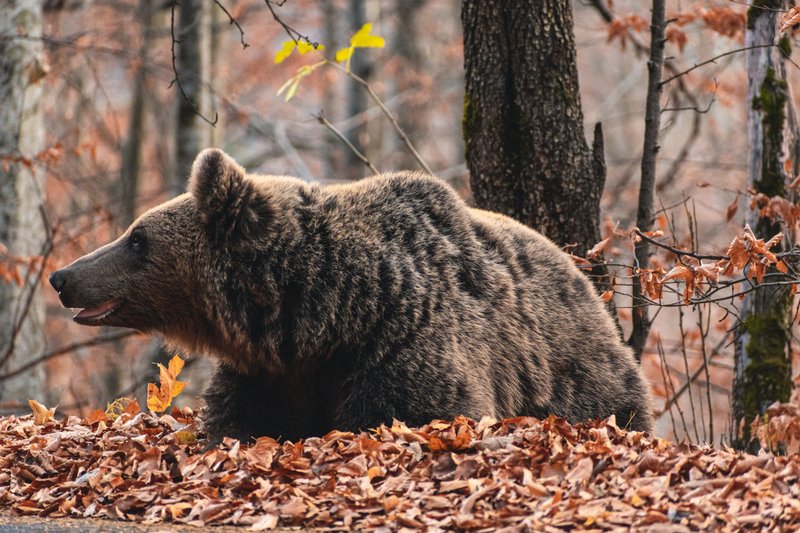
1. Pyrenean Brown Bear (Reintroduced) Hunted down to a handful of individuals by the 1990s, brown bears were reintroduced to the Pyrenees starting in 1996 using bears imported from Slovenia. The population has crept up to around 70 animals, still fiercely contested by sheep farmers who lose stock to them every summer. You won’t casually stumble on one — they avoid people — but their presence has reshaped Pyrenean land-use politics for thirty years.
2. Gray Wolf (Reintroduced/Natural Return) France declared wolves extinct in 1937. They came back on their own in 1992, crossing over from a recovering Italian population in the Alps rather than through a formal reintroduction. Today there are an estimated 1,000+ wolves across roughly 160 packs, mostly in the Alps and increasingly the Massif Central. Farmers hate them; conservationists count it as one of Europe’s genuine rewilding success stories.
3. Eurasian Lynx Also extinct in France by the early 20th century, lynx were reintroduced to the Vosges and Jura in the 1970s–80s using Carpathian stock. Fewer than 150 remain, making them one of France’s most endangered mammals — IUCN lists the population as critically fragile. Solitary and nocturnal, seeing one in the wild is close to a lottery win.
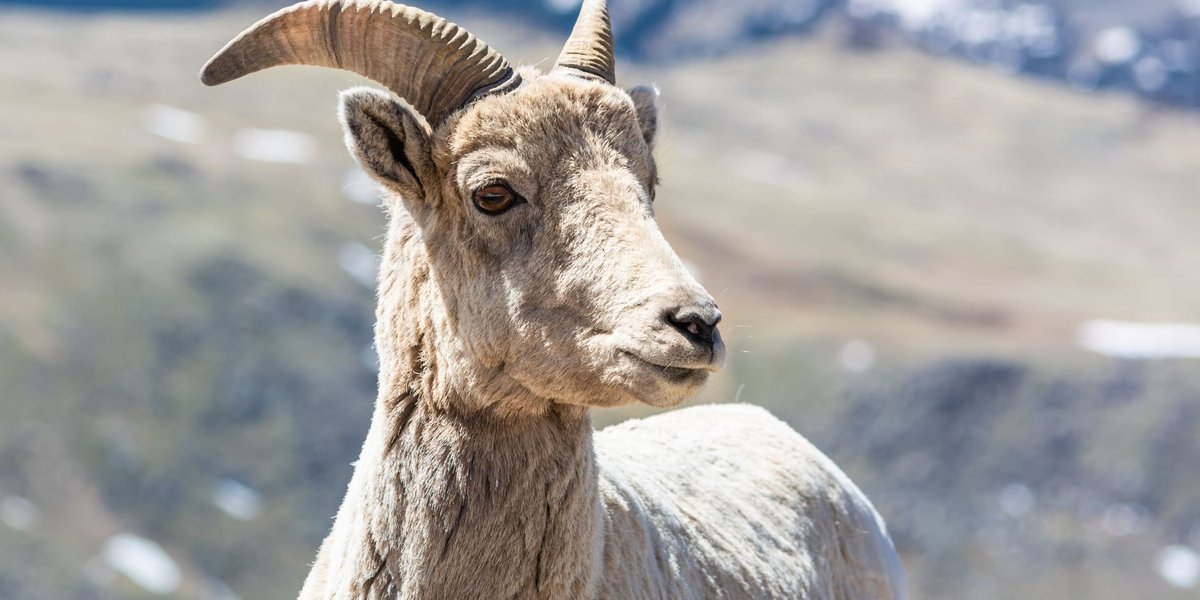
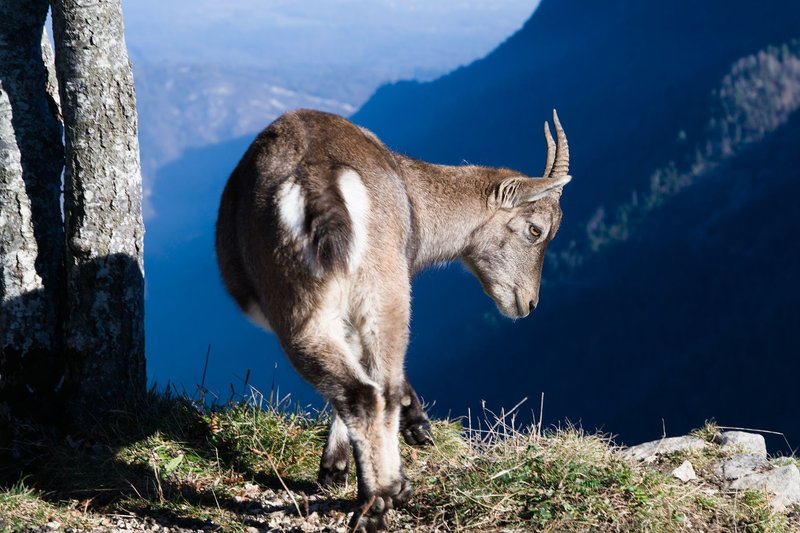
4. Alpine Ibex Hunted to near-zero by 1800, then reintroduced from Italian stock starting in the 1950s. Now numbering in the thousands across the Alps, ibex are a genuine conservation win story — herds are stable enough that Vanoise National Park runs guided viewing hikes specifically to see them.
5. Chamois Unlike the ibex, chamois never went extinct in France — a true native that simply retreated to higher, harder-to-hunt terrain. Smaller and faster than ibex, with hooked horns rather than curved ones, they’re the more commonly spotted of the two on any Alpine trail above the treeline.
6. Pyrenean Desman A bizarre, nearly blind semi-aquatic mole relative found almost nowhere outside the Pyrenees and northern Iberia. It hunts by touch along mountain streams using a flexible snout, and it’s so rarely seen that most French people have never heard of it — which is exactly why it belongs on a list that isn’t recycling the same ten animals.
7. Wild Boar The population explosion competitors never mention: wild boar numbers have roughly quadrupled since the 1990s, driven by mild winters, abundant crop food, and hybridization with escaped domestic pigs. France now culls over 700,000 boar a year and they still keep coming — genuinely native, genuinely out of control.
8. Red Deer Europe’s largest native deer species, common in French forests from the Ardennes to the Pyrenean foothills. Autumn rutting calls carry for kilometers through beech forest — one of the more reliable wildlife-listening experiences in the country if you know when to go (late September to October).
9. Beaver The Eurasian beaver was reduced to a single Rhône Valley refuge population by 1900 due to fur trapping. Protected since 1968, beavers have since spread back along most major French rivers on their own — a quiet native comeback that gets far less press than wolves or bears but arguably matters more ecologically, since their dams reshape entire wetland habitats.
Birds of Prey and Notable Birds {#birds}
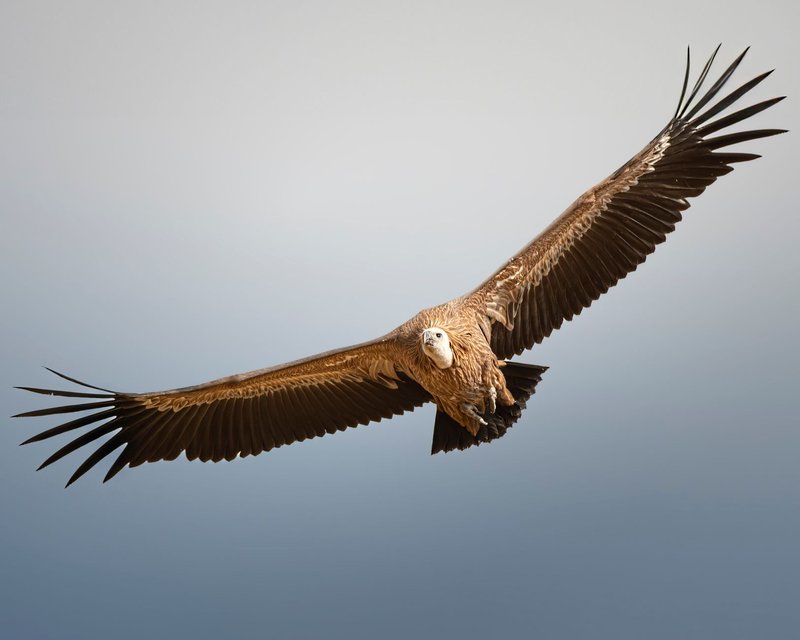
10. Griffon Vulture Extinct in mainland France by the 1940s outside a single Pyrenean holdout, griffon vultures were reintroduced to the Cévennes and Verdon gorges starting in the 1980s. Wingspans reach 2.8 meters — genuinely startling the first time one circles overhead in a gorge.
11. Bearded Vulture Rarer still than the griffon, bearded vultures (also called lammergeiers) were reintroduced to the Alps in 1987 after complete extinction. They’re famous for a habit no other European bird shares: dropping bones from height to crack them open and eating the marrow.
12. Golden Eagle A true Alpine and Pyrenean native that never disappeared, though numbers dropped hard mid-century from shooting and poisoning before legal protection in 1972 stabilized them. Around 400-450 pairs now breed in French mountain ranges.
13. Greater Flamingo The species that trips up anyone assuming France means forests and mountains. The Camargue delta hosts Europe’s largest breeding colony of greater flamingos outside Spain — tens of thousands of birds in a landscape that looks more Serengeti-salt-pan than western Europe.
Reptiles and Amphibians {#reptiles-and-amphibians}
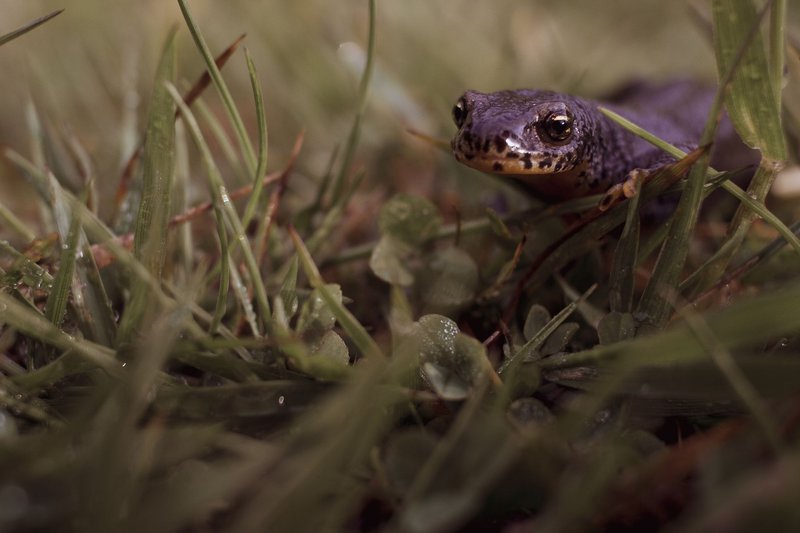
14. Alpine Salamander Jet black, fully terrestrial (it gives birth to live young instead of laying eggs in water, unusual among salamanders), and restricted to high-altitude Alpine forest and scree. A genuine native specialist with nowhere else to go if its narrow habitat band shifts with warming temperatures.
15. Aesculapian Snake France’s longest native snake, reaching over 1.5 meters, and completely non-venomous despite its size startling most hikers who encounter one sunning on a stone wall in the south. Named for its resemblance to the snake on the ancient Greek symbol of medicine.
Marine Life {#marine-life}
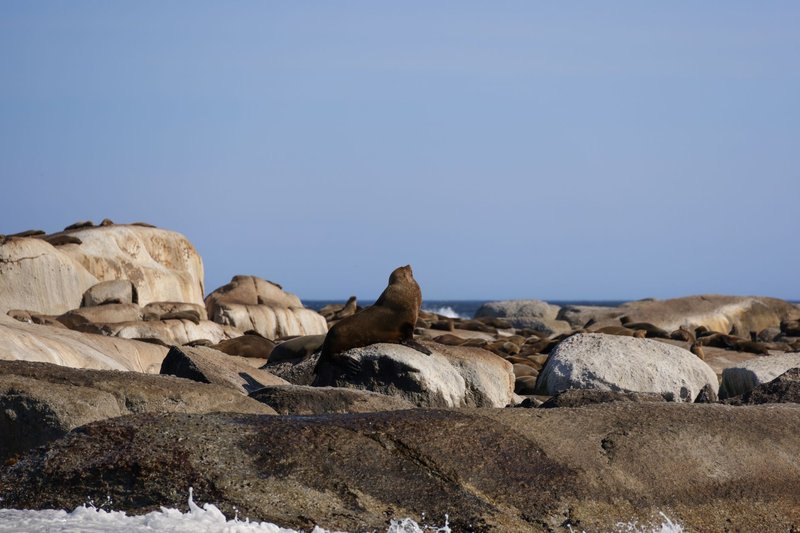
16. Mediterranean Monk Seal Technically a ghost on this list — the species was pushed out of French Mediterranean waters by the mid-20th century and is now one of the rarest marine mammals on Earth, with occasional unconfirmed sightings off Corsica the only French connection remaining. It’s included because no other list draws the line honestly: this is a species France lost, not one it still has, and pretending otherwise does a disservice to the roughly 700 individuals left worldwide, according to IUCN assessments.
Best Places to Spot French Wildlife {#best-places-to-spot-french-wildlife}
- Vanoise National Park (Alps) — Ibex, chamois, golden eagles, and bearded vultures in one park; France’s oldest national park, founded partly to protect ibex from extinction.
- Cévennes National Park — Griffon and bearded vulture reintroduction sites with dedicated viewing points near the Jonte gorge.
- Pyrenees National Park — Best odds (still low) for bear and lynx sign, plus reliable desman habitat along mountain streams.
- Camargue Regional Nature Park — Flamingos, wild horses, and marshland birdlife on flat, easy walking terrain — the most accessible entry on this list.
- Vercors and Jura — Wolf and lynx territory; no guarantees of a sighting, but howling is sometimes audible at dusk in autumn.
France’s wildlife story isn’t really about lush biodiversity for its own sake — it’s about what happens when a country spends a century removing its large predators and then spends the next fifty years deciding, species by species, whether to bring them back. Some, like the beaver, recovered quietly on their own. Others, like the bear and the lynx, are still contested every time a sheep goes missing. Knowing which is which tells you more about the country than any straight species count ever could.