Most lists of Malawi’s mammals read like a museum catalog: order, family, genus, species, IUCN code, repeat. Useful if you’re cataloging a country’s biodiversity for a thesis. Less useful if you’re trying to figure out what you’ll actually see from the back of a safari vehicle in Liwonde, or why a shrew the size of your thumb matters more than the lions do.
Malawi doesn’t have the raw numbers of Kenya or Botswana — it’s a small country wedged into the Rift Valley, and its parks got hammered by poaching through the 1990s and 2000s. What it does have is a genuine recovery story. Liwonde National Park, managed since 2015 in partnership with African Parks, went from a poaching casualty to a park with lions again after a 20-year absence, thanks to translocations starting in 2018. That’s the context worth knowing before you start ticking off species.
Table of Contents
- The mammals worth planning a trip around
- Where to see them
- Malawi’s three endemic mammals
- Conservation status: what’s actually at risk
- Best time to go looking
- The short version
The mammals worth planning a trip around
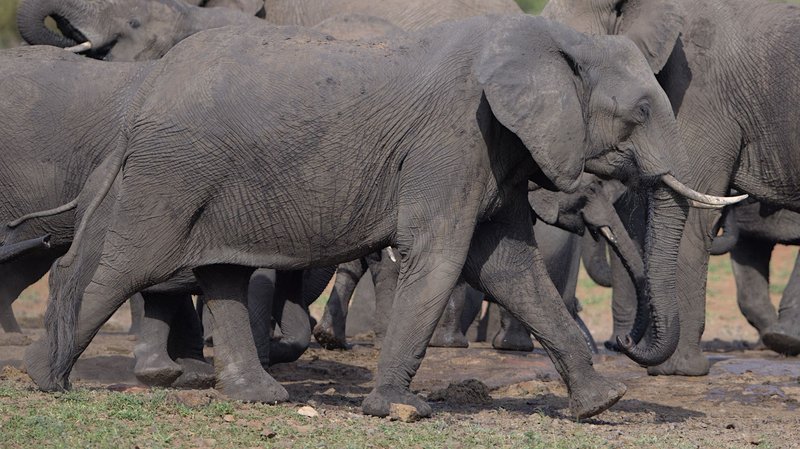
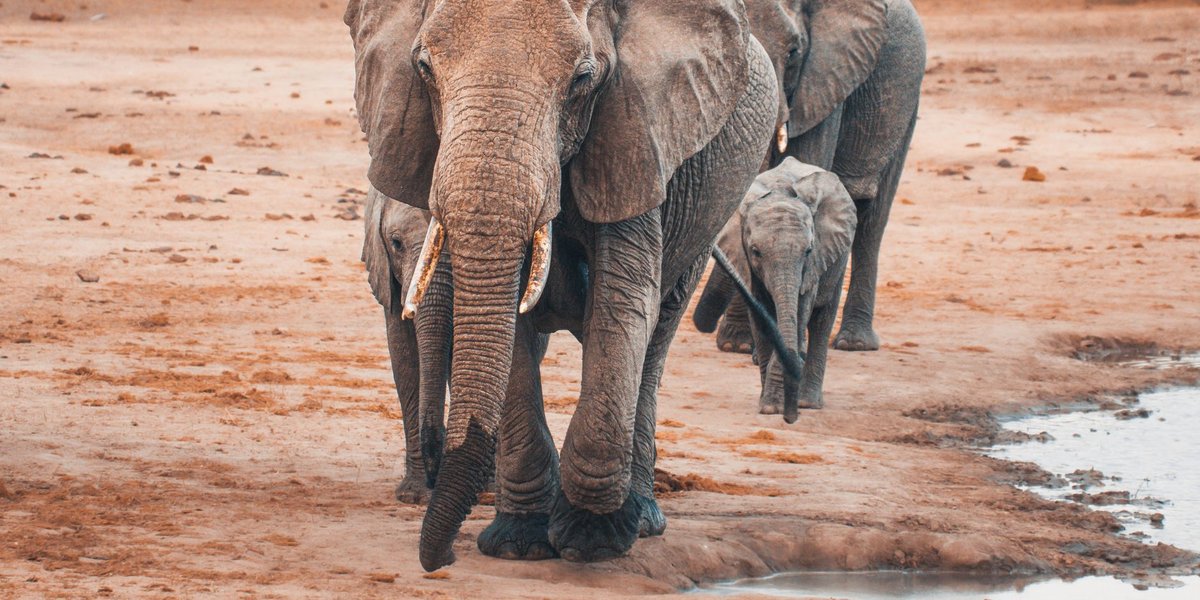
African elephant — Malawi’s elephant population is concentrated in Liwonde and Kasungu, with a smaller, harder-to-reach population in Nyika. Liwonde’s herds move along the Shire River, and in the dry season (roughly May through October) they concentrate along the water in numbers big enough that a single sighting can mean forty or fifty animals. Kasungu, once nearly emptied by poaching, received over 260 elephants translocated from Liwonde in 2022 to rebuild a population that had dropped below 50.
Lion — Reintroduced to Liwonde in 2018 after two decades of absence, and now also present in Majete Wildlife Reserve, which had zero large predators as recently as 2003 and now runs a self-sustaining pride. Majete’s turnaround is arguably the country’s best conservation story: it went from a reserve with no elephants, lions, or leopards to a fully restocked Big Five reserve in under fifteen years.
Leopard — Present but genuinely elusive across Majete, Liwonde, and Nyika. Nyika’s leopards hunt on open montane grassland rather than thick bush, which occasionally makes for daylight sightings that would be unheard of in denser parks.
Hippopotamus — The most reliably seen large mammal in the country. The Shire River in Liwonde holds one of the densest hippo populations in Africa, and boat safaris there put you closer to pods of thirty-plus animals than most vehicle-based game drives anywhere else on the continent.
Sable antelope — Malawi’s national animal, and the one species locals will point to before elephants or lions. Nyika National Park’s high-altitude grassland is the best place to see them in real numbers, often in herds of a dozen or more grazing the plateau at dawn.
African buffalo — Found in Liwonde, Majete, and Vwaza Marsh, usually in large, loosely organized herds. Buffalo are the least glamorous of Malawi’s Big Five sightings but often the most frequent — you’ll likely see them before you see anything else on the list.
Black rhino — Reintroduced to Majete in 2003 after a multi-decade absence and now also present in a fenced sanctuary within Liwonde. Sightings require a guided approach on foot or by vehicle within monitored zones, since both populations are protected under tight security.
Where to see them
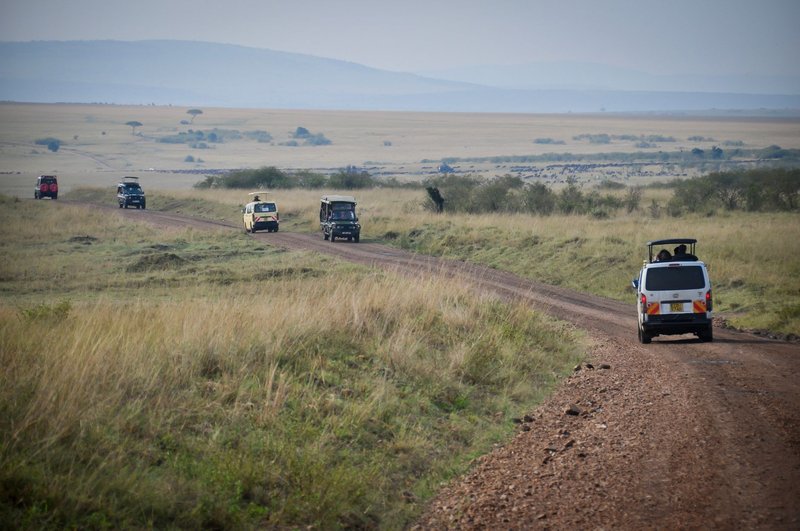
Liwonde National Park is the strongest all-rounder — elephant, lion, hippo, buffalo, and a black rhino sanctuary, all within a few hours of Blantyre or Zomba. The Shire River boat safaris here are worth building an itinerary around.
Majete Wildlife Reserve, in the Lower Shire Valley, is Malawi’s only Big Five reserve (it added lion in 2012, completing the set after black rhino, leopard, elephant, and buffalo were already established). It’s also the most consistently well-managed for viewing, with a road network built for game drives rather than repurposed from other uses.
Nyika National Park sits on a highland plateau over 2,000 meters up, with a completely different feel — cool, misty, open grassland instead of lowland bush. This is sable antelope and leopard country, plus the best zebra viewing in the country and one of the three endemic mammals below.
Vwaza Marsh Wildlife Reserve, in the north near the Zambian border, is quieter and less developed than Liwonde or Majete, but its marsh and lagoon systems draw large hippo and buffalo concentrations, along with elephant that move between Vwaza and Zambia’s Luangwa ecosystem.
Kasungu National Park is the rebuilding story in progress — elephant numbers are climbing back after the 2022 translocation, and the park sees a fraction of the visitors Liwonde does, which suits people who want wildlife without other vehicles in the frame.
Malawi’s three endemic mammals
Every general wildlife list mentions Malawi’s Big Five in some order. Almost none of them mention the three mammals that exist nowhere else on the planet — a genuine gap in what’s already been written about this country.
Nyika Burrowing Shrew (Congosorex phillipsorum) lives only on the Nyika Plateau’s high grasslands, in leaf litter and burrows below the surface. It’s small enough, nocturnal enough, and rare enough that most descriptions of it come from trapping surveys rather than sightings — this isn’t a species you plan to see, but one worth knowing exists.
Ansell’s Epauletted Fruit Bat (Epomophorus anselli) is restricted to a narrow range in Malawi and immediately adjacent parts of Mozambique and Zambia, roosting in forest patches and feeding on fruit at night. Named after the zoologist William Ansell, it’s classified by the IUCN as Near Threatened, largely due to habitat loss from deforestation.
Johnston’s African Dormouse (Graphiurus johnstoni) occupies montane forest fragments, again concentrated around the Nyika–Vwaza landscape. Like the shrew, it’s a species defined by a very narrow range rather than by low absolute numbers — the kind of animal that makes Malawi’s biodiversity distinct from its larger, better-known neighbors.
None of these three will end up in a photo from your trip. But they’re the reason Malawi’s mammal list isn’t just a smaller version of Zambia’s or Tanzania’s — it has pieces nobody else has.
Conservation status: what’s actually at risk
Malawi’s rhino and lion populations get the conservation spotlight because their recovery stories are dramatic and photograph well. The quieter concern is habitat loss outside protected areas — Malawi has one of the highest population densities in Southern Africa, and land pressure around park boundaries is intense.
Black rhino remain Critically Endangered across their range according to the IUCN Red List, and Malawi’s population, while growing, is still small enough that poaching remains an active threat requiring dedicated ranger units in both Majete and Liwonde. Elephant are listed as Endangered continent-wide, and Malawi’s populations — split across several disconnected parks rather than one contiguous range — are more vulnerable to inbreeding and localized pressure than larger, connected populations elsewhere in the region.
The encouraging counterpoint is that Malawi has leaned hard into the African Parks management model, which pairs anti-poaching investment with community revenue-sharing around park boundaries. Majete’s transformation from an empty reserve to a functioning Big Five ecosystem in roughly a decade is the proof that the model works here specifically, not just in theory.
Best time to go looking
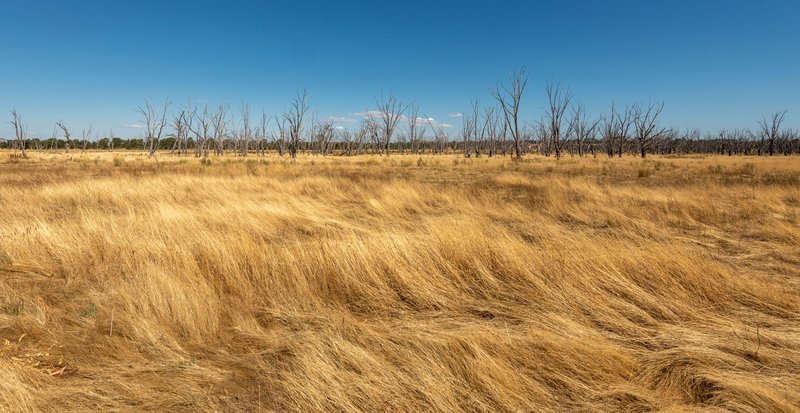
Malawi’s dry season, May through October, is the strongest window for mammal viewing. Vegetation thins out, animals concentrate around permanent water — the Shire River in Liwonde, the lagoons in Vwaza — and visibility on game drives improves dramatically. Late in the dry season, September and October, tends to produce the highest concentrations, though temperatures climb along with it.
The wet season, November through April, brings green landscapes and newborn animals but scatters wildlife across a much larger area as temporary water sources fill in. Nyika’s plateau is the exception — its cooler, higher elevation keeps it comfortable and scenic even during the rains, and it’s when the grassland turns a deep green that makes the sable antelope herds easier to photograph, if slightly harder to spot at distance.
The short version
Malawi won’t out-number Kenya or Tanzania on raw species counts, and nobody researching this topic should expect it to. What it offers is a smaller, more legible set of parks where each has a real identity: Liwonde for elephant and river life, Majete for a complete Big Five recovery story, Nyika for sable antelope and high-altitude scenery, Vwaza for quieter marsh wildlife. Layer in three mammals that live nowhere else on Earth, and Malawi’s animal list stops being a shorter version of its neighbors’ and starts being its own thing.