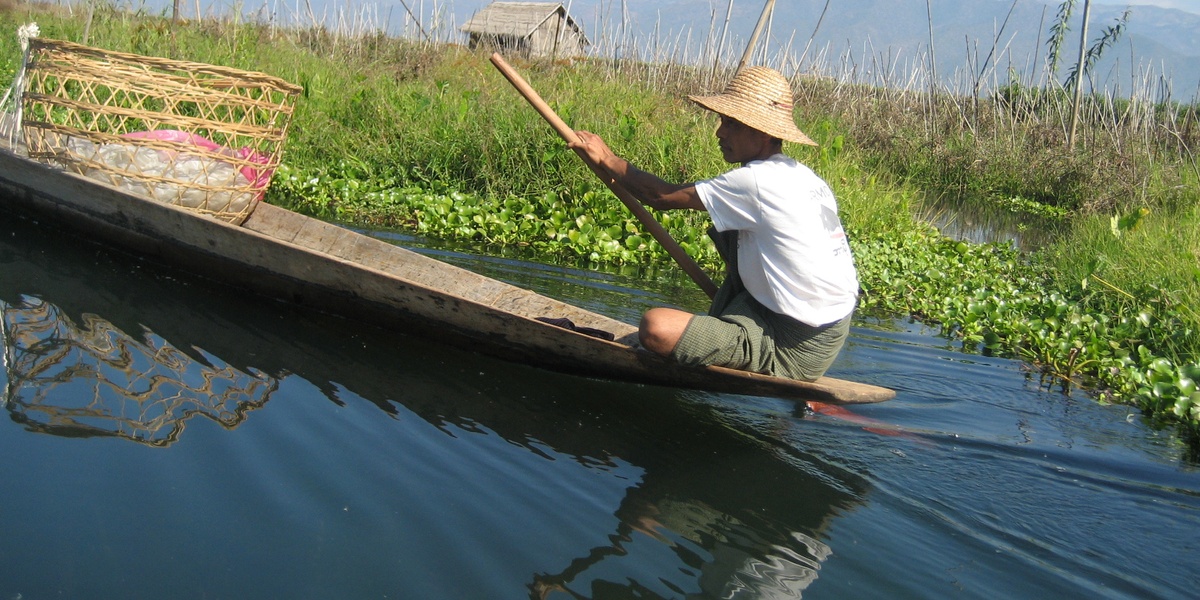
When European botanists first cataloged water hyacinth in the late 1800s, they noted how a plant could carpet entire lakes—an early clue that floating plants are built very differently from terrestrial ones. Those differences matter: surface-dwelling vegetation provides habitat, filters nutrients, and supplies fodder, yet can also choke waterways and harm fisheries. Duckweed, for example, can double in biomass in as little as 48 hours under rich conditions, a reminder of both its service potential and invasion risk. Understanding the adaptations of floating aquatic plants explains how they stay buoyant, exchange gases at the air-water interface, capture light efficiently, and spread rapidly—skills that make them useful in wastewater treatment and challenging to manage when introduced beyond their range. Below are seven key adaptations that explain why these species dominate the water’s surface and how people use or contend with them.
Structural and Morphological Adaptations
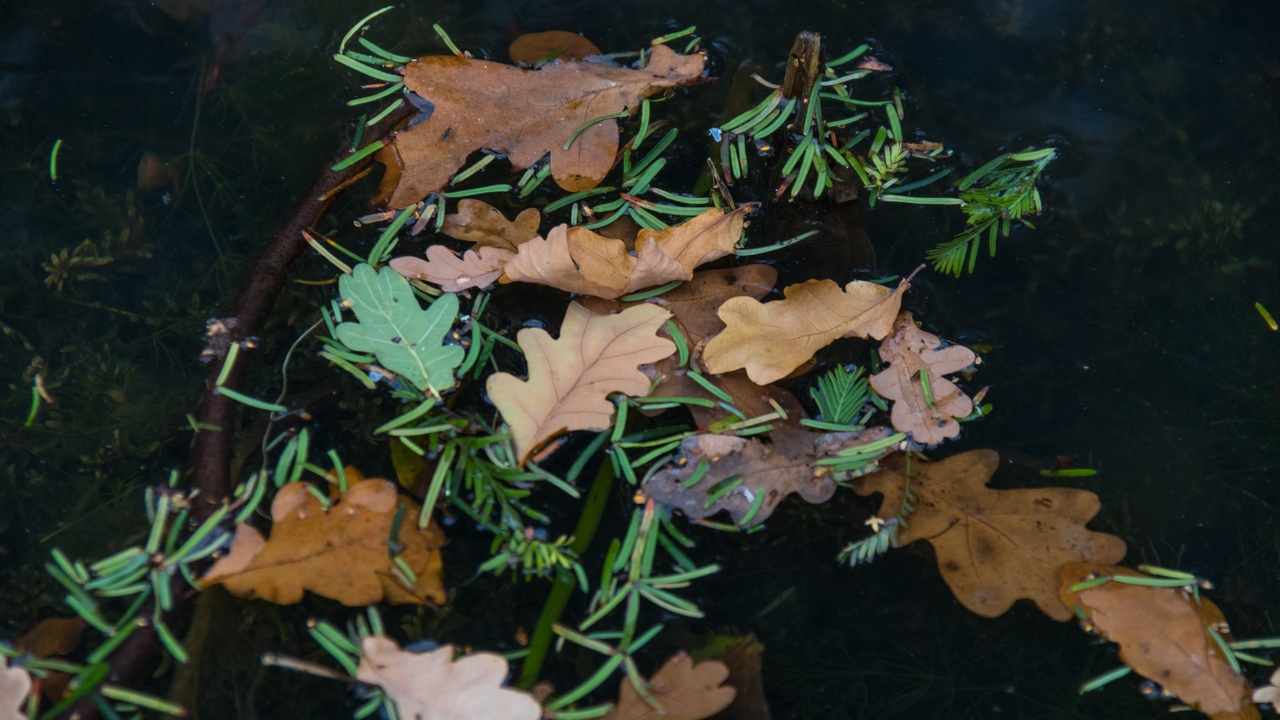
Many surface plants have visible physical modifications that keep them afloat and open to light and air. Species such as water lily, duckweed, and water hyacinth show these traits clearly: hollow tissues for lift, wide pads for light capture, and roots pared back for uptake rather than anchoring.
1. Buoyant tissues: aerenchyma and air sacs
Aerenchyma refers to large intercellular air spaces or specialized sacs within stems, petioles, and roots that reduce tissue density and provide buoyancy. In some floating species these air-filled chambers can occupy up to about 60 percent of the volume of submerged petioles and stems, making stems both light and compressible. Beyond lift, aerenchyma serves as an internal pipeline for oxygen, moving air from leaf surfaces down to submerged tissues and roots, which is vital in low-oxygen waters. Water hyacinth uses swollen, spongy petioles; water lilies (Nymphaea) have broad leaf stalks with internal air canals. Together, these traits let plants float as single leaves or form dense mats that glide across lakes and slow-moving rivers.
2. Broad, flat leaves and water-repellent surfaces
Wide, flat leaves maximize light interception when a plant sits on the surface, turning a thin layer of water into a productive photosynthetic zone. Microstructural features—waxy cuticles, tiny hairs, and ridges—create hydrophobic surfaces that shed water and trap a thin air film. Salvinia molesta famously uses dense surface hairs to hold an air layer (the Salvinia effect), keeping tissues dry and improving buoyancy. Nymphaea species deploy large floating pads that shade competitors and capture sunlight efficiently. These surface traits boost photosynthesis and also reduce pathogen colonization by limiting prolonged wetness on upper tissues.
3. Reduced or modified root systems
Because they sit on water rather than in soil, many floating plants have simplified roots. Roots often serve primarily for nutrient absorption and stabilization in the water column rather than for anchoring. Duckweed (Lemna) carries single rootlets that dangle and absorb dissolved nutrients quickly; Pistia stratiotes has long hanging roots that increase surface area for uptake. Reduced root construction saves resources, speeds reproduction, and facilitates vegetative fragments detaching and dispersing by currents or boats—one reason invasive species can spread so rapidly.
Physiological Adaptations for Gas and Light
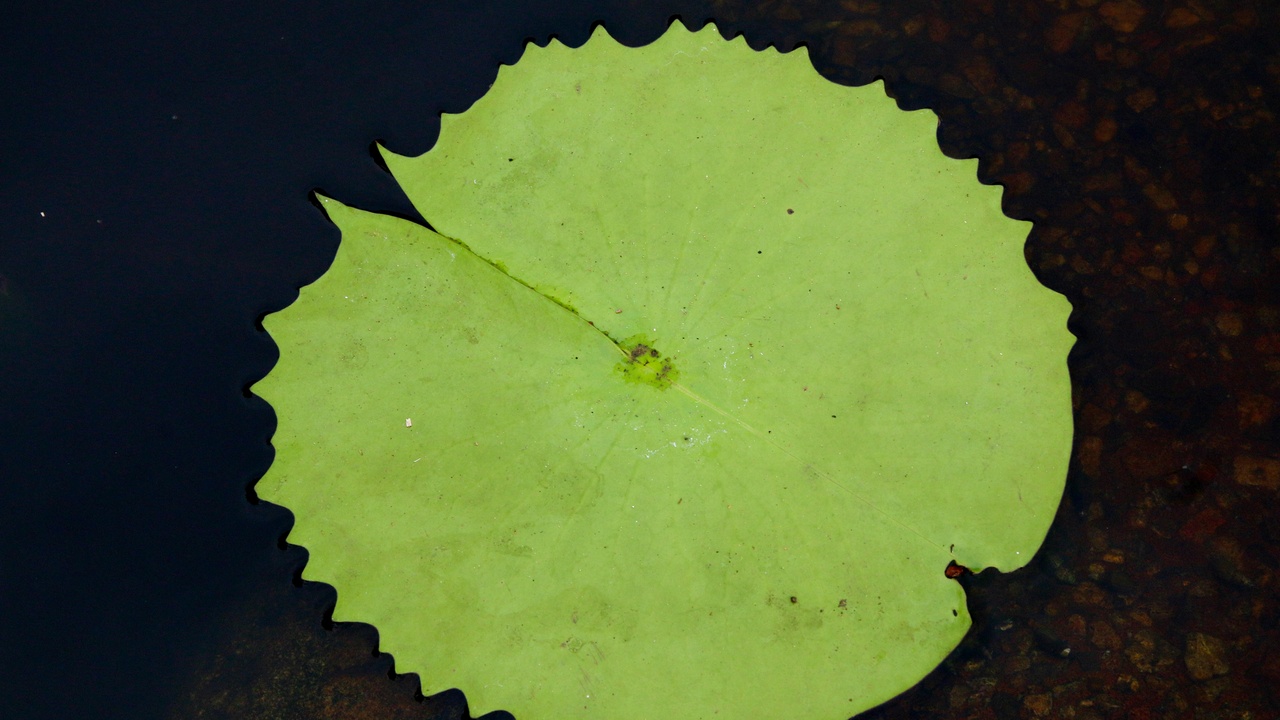
Floating species optimize photosynthesis and gas exchange right where air meets water. They alter stomatal placement, reduce cuticle thickness to speed diffusion, and arrange chloroplasts near upper leaf layers to capture incoming light. Those tweaks let surface plants respond fast to changing light and nutrient pulses, often outperforming submerged competitors in eutrophic waters.
4. Stomata located on the upper leaf surface
Many surface plants place stomata only on the upper leaf surface, where pores are exposed directly to the air for efficient CO2 uptake and transpiration control. This placement eliminates the risk of stomatal flooding and enables rapid gas exchange during sunny periods. For management, the trait matters: foliar sprays and aerial pollutants contact stomata readily, affecting transpiration and gas exchange. Duckweed and water lilies illustrate this design, keeping exchange interfaces facing the atmosphere and shortening diffusion distances for gases.
5. Thin cuticle and efficient light-harvesting
Floating leaves often have a thinner cuticle than terrestrial leaves, which reduces resistance to gas diffusion and allows faster photosynthetic responses after light or nutrient pulses. Chloroplasts are typically positioned close to the upper epidermis to intercept sunlight immediately, improving light-use efficiency in shifting light conditions. That arrangement helps explain why duckweed can surge in growth when nutrients are abundant; rapid photosynthetic activation underlies quick biomass gains observed in nutrient-rich ponds and managed treatment systems.
Reproductive, Growth, and Ecological Strategies
Life-history traits complete the surface-plant strategy: many of these species reproduce vegetatively, form continuous mats, and alter nutrient cycles. Those behaviors make them valuable for applications like wastewater remediation and protein feed, yet the same attributes drive invasions and ecosystem disruption when left unchecked. These reproductive, growth, and ecological strategies are central among adaptations of floating aquatic plants and determine both benefits and risks.
6. Rapid vegetative reproduction and colony formation
Vegetative propagation is the norm for many floating species, enabling fast population expansion. Duckweed (Lemna minor) can double biomass in roughly 48 hours under ideal nutrient and light conditions, while water hyacinth reproduces by stolons and fragmentation to form extensive mats. Fast growth rates permit swift coverage of open water, which managers exploit: Lemna-based systems remove nutrients rapidly and have been trialed for high-protein animal feed. But those same dynamics fueled Eichhornia crassipes’s global spread after 19th-century introductions, making control costly and labor-intensive in warm regions.
7. Nutrient uptake strategies and ecological impacts
Floating plants are efficient at scavenging surface nutrients, and under managed conditions both duckweed and water hyacinth have removed more than 70 percent of nitrogen or phosphorus in experimental systems. Their rapid uptake can improve water quality in constructed wetlands or polishing ponds. Conversely, dense mats block light penetration, reduce oxygen exchange, and can drive fast declines in dissolved oxygen; in small, stagnant waters, heavy hyacinth cover has led to fish kills within days. Balancing phytoremediation benefits against invasive potential is a core management challenge.
Summary
Floating plants combine buoyant anatomy, gas- and light-optimizing physiology, and aggressive reproductive strategies to thrive at the air–water interface. Those same traits make them powerful tools for nutrient removal and, in some cases, destructive invaders.
- Buoyant aerenchyma and air sacs reduce tissue density and support surface mats.
- Hydrophobic hairs and broad pads boost light capture and limit pathogen wetting.
- Upper-surface stomata and thin cuticles speed gas exchange and photosynthetic response.
- Rapid vegetative growth enables >70% nutrient removal in some systems but risks invasions.
Careful management unlocks practical uses—consider duckweed phytoremediation for small-scale wastewater projects—while vigilance is essential to prevent species like water hyacinth from overrunning native waterways.