Charles Darwin’s visit to the Galápagos Islands in 1835 — a voyage that helped shape his thinking — made one thing plain: isolation produces curious, highly adapted life. On those islands he noticed finches with different beaks on different islands, an anecdote that later became central to the idea of natural selection.
Island ecosystems produce striking, repeatable changes in form and behavior, and these adaptations of island species tell us a lot about how evolution works in isolation. Islands are biodiversity hotspots but also extinction hotspots: the dodo, for example, vanished from Mauritius by 1681 after human contact.
Understanding island evolution helps conservationists protect fragile endemics and gives researchers practical insights for ecology, medicine, and even crop resilience. Below I group ten key adaptations into three categories: morphological; behavioral and life-history; and physiological and ecological, and then give concrete examples and implications for conservation and research.
Morphological Adaptations
1. Island gigantism and dwarfism (Foster’s rule, 1964)
Islands often produce much larger or much smaller versions of mainland relatives, a pattern summarized by Foster’s rule (1964). Reduced predation and competition can favor larger body sizes, while limited food and space select for dwarfism.
Concrete examples: the Komodo dragon (Varanus komodoensis) can reach about 3 m in length and functions as an apex predator on several Indonesian islands. By contrast, Pleistocene dwarf elephants on Mediterranean islands stood roughly 1–1.5 m at the shoulder.
These size shifts change trophic dynamics — islands sometimes gain a giant herbivore or lose a top predator — and human arrival often breaks those evolved balances, increasing extinction risk. Both fossil records and living taxa teach conservationists which systems need urgent protection.
2. Loss of flight and wing reduction
Many island birds evolve reduced flight or total flightlessness because islands frequently lack terrestrial predators and flying is energetically costly. Flight loss has evolved independently in rails, ducks, cormorants and other groups on multiple islands.
Classic cases include the dodo (Raphus cucullatus) of Mauritius, extinct by 1681, and the flightless cormorant (Nannopterum harrisi) of the Galápagos, which persists today. Repeated, independent evolution of flightlessness shows how predictable this response can be under similar pressures.
But wing reduction leaves species highly vulnerable to introduced predators and human hunters, which is why biosecurity and predator control are central to island bird conservation.
3. Altered feeding structures: beaks, jaws and limbs
When a few colonists encounter many empty niches, selection reshapes feeding anatomy. Darwin’s finches in the Galápagos (roughly 13–15 recognized species) are the canonical example, with beak shapes tuned to seeds, cactus, or insects.
Other island radiations show similar trends: Hawaiian honeycreepers evolved a range of bills for nectar, seeds, and probing, while some island lizards developed robust jaws for crushing hard seeds. These traits can evolve surprisingly fast—observable within decades in some cases.
Researchers use these measurable shifts to study natural selection in action and to predict how species will respond when diets or habitats change.
Behavioral and Life-History Adaptations
4. Reduced wariness and island tameness
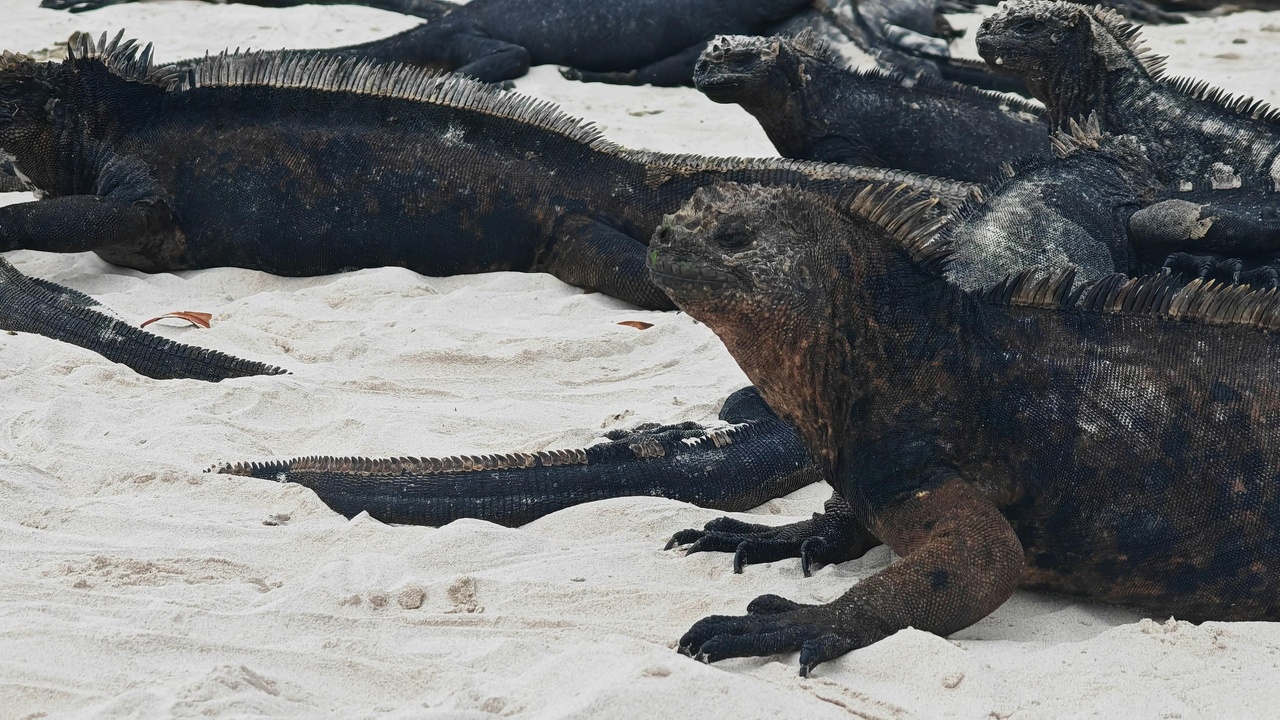
On islands with few predators, many animals become unusually tame, showing little fear of humans or novel predators. The dodo’s lack of wariness contributed to its rapid extinction after human arrival in the 1600s.
Ground-nesting rails and other birds are especially affected; introduced rats, cats, and dogs often cause steep declines. That naiveté is predictable, which helps conservationists prioritize predator eradication and strict biosecurity measures.
5. Altered reproductive strategies (K-selected traits)
Many island species shift toward K-selected life histories: they produce fewer offspring but invest heavily in each one. Long-lived seabirds and reptiles commonly follow this pattern.
For example, most albatross species lay a single egg per year and invest months in chick rearing, while giant tortoises (Aldabra and Galápagos) mature late and live for many decades. Those slow rates mean populations recover slowly after declines.
Conservation plans must account for these slow life-histories; reducing adult mortality is often far more effective than boosting short-term reproduction.
6. Resource specialization and niche shifts
Isolated islands often favor specialists that exploit narrow resources. Limited competitor pools and unique plants or insects create opportunities for tight niche partitioning.
Hawaiian honeycreepers and Galápagos finches include species specialized on nectar, specific seeds, cactus tissues, or particular insect prey. Specialization can spur rapid speciation but also makes species fragile if key food plants disappear.
Practical conservation can therefore include restoring or protecting specific food plants to support the specialist consumers that depend on them.
Physiological and Ecological Adaptations
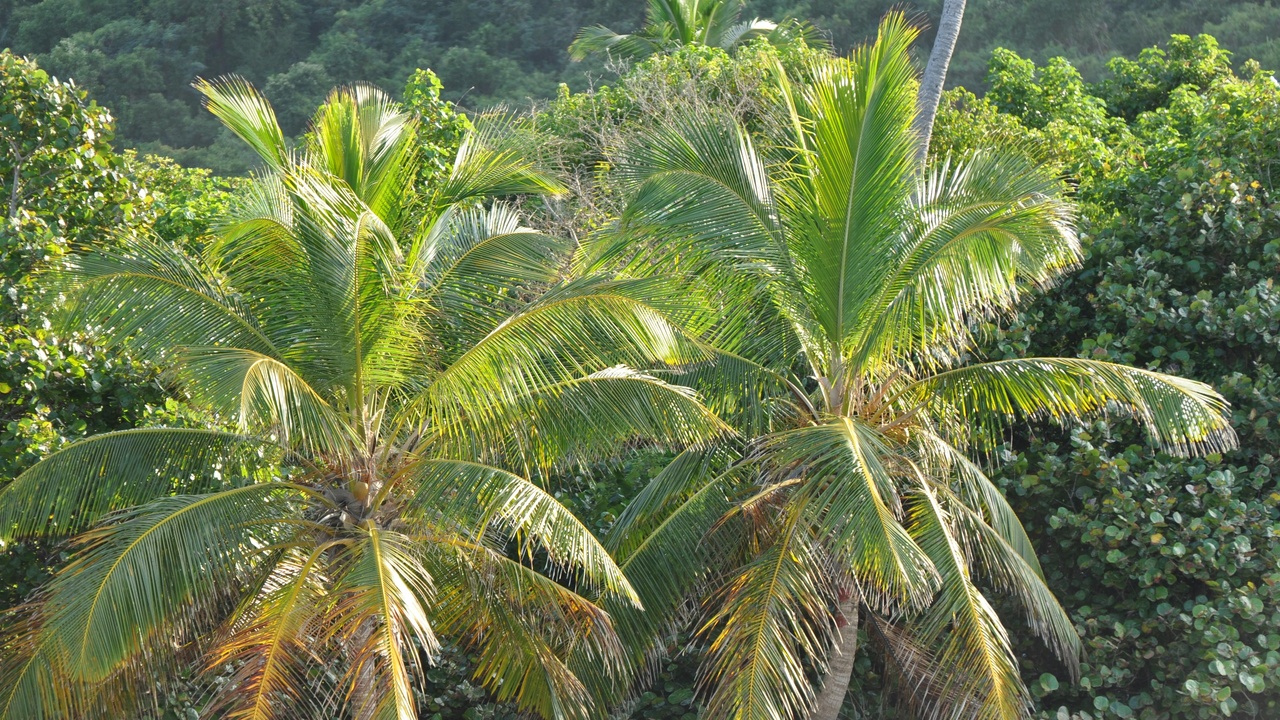
7. Physiological tolerance: salt, drought, and environmental extremes
Island organisms frequently face high salt spray, drought-prone soils, and nutrient-poor substrates, selecting for physiological tolerances not common on mainlands. Coastal island plants often evolve salt-excreting tissues or specialized roots.
Atolls favor succulents and deep-rooted shrubs; mangrove-like adaptations appear on many tropical islands. Traits such as salt glands, water-storing tissues, and altered root architecture are measurable and can inform crop-breeding for drought and salinity tolerance.
8. Adaptive radiation and rapid speciation
A single colonizing ancestor can diversify into dozens of species when islands offer empty ecological space. Darwin’s finches and the Hawaiian silversword alliance are classic examples of this adaptive radiation.
Caribbean Anolis lizards show repeatable ‘ecomorph’ types on different islands, demonstrating convergent evolution. Such radiations can unfold in as little as a few hundred thousand to a few million years, making islands natural laboratories for studying speciation and niche partitioning.
Studying these patterns helps us understand the pace and repeatability of evolution, and complements genomic approaches used in conservation genetics and ecological restoration.
9. Genetic drift, founder effects and low genetic diversity
Small founding populations and long-term isolation commonly produce strong founder effects and genetic drift, reducing genetic diversity and raising inbreeding risks.
Populations under a few thousand individuals often show measurable loss of variation, which limits adaptive potential and increases vulnerability to disease or environmental change. Conservation tools include genetic rescue, managed translocations, and maintaining effective population size through habitat protection.
Island tortoise programs (Galápagos and Indian Ocean conservation efforts) illustrate how genetic studies guide breeding and translocation decisions to restore diversity and resilience.
10. Novel mutualisms and co-evolutionary shifts
Islands often foster new mutualisms because the pool of potential partners is small. Plants and animals co-evolve tightly, sometimes producing one-to-one relationships between a plant species and a bird or bat pollinator.
Examples include Hawaiian lobeliads pollinated by native honeycreepers and seed dispersal networks shaped by Galápagos giant tortoises and frugivorous birds. When mutualists disappear, the dependent species can follow quickly into decline.
Restoration projects therefore need to consider partner species — reintroducing a plant without its pollinator may be futile.
Summary
- Islands produce predictable evolutionary outcomes — from gigantism and flight loss to tight feeding specializations — that make them invaluable natural laboratories.
- Many traits that evolved in isolation, including tameness and low genetic diversity, now raise extinction risk when humans or invasive species arrive (recall Darwin’s Galápagos observations and Foster’s rule, 1964).
- Effective conservation must be tailored: biosecurity and predator control, genetic management, and protection of key mutualists and food plants are priorities.
- Supporting island research and conservation helps preserve the remarkable adaptations of island species and yields lessons that benefit restoration, agriculture, and evolutionary science.