Japan punches way above its weight in amphibian diversity. Island geography does that: it splits populations, creates endemics, and gives you species that look familiar until you get close and realize they’ve been doing their own thing for a very long time.
The amphibians of Japan include salamanders, frogs, and toads found across forests, rice fields, mountain streams, and city ponds. Some are widespread East Asian species. Others are Japan-only oddballs with tiny ranges and real conservation concerns. A few are famous enough to have celebrity status among herpetologists, especially the Japanese giant salamander — basically the heavyweight champion of the amphibian world.
Table of contents
- TL;DR
- What makes Japan’s amphibians special
- Salamanders of Japan
- Frogs of Japan
- Toads of Japan
- Where to observe them responsibly
- Quick summary
TL;DR
Japan has a rich amphibian fauna shaped by mountains, islands, and wet forest habitats. The most famous species is the Japanese giant salamander (Andrias japonicus), but the country also supports a strong lineup of endemic frogs and salamanders, especially in Honshu, Shikoku, and Kyushu. If you only remember three things: Japan’s amphibians are diverse, many are endemic, and several are threatened by habitat loss, invasive species, and stream modification.
What makes Japan’s amphibians special
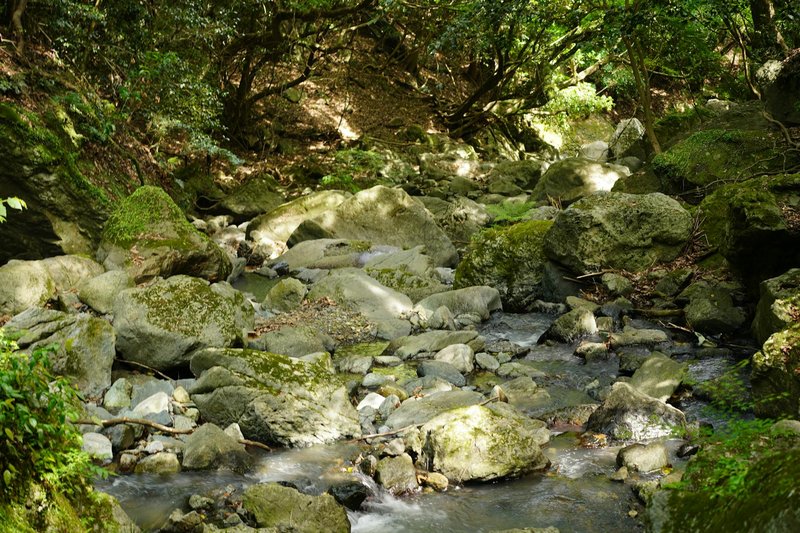
A lot of countries have frogs. Fewer have amphibian communities shaped by steep mountain gradients, volcanic islands, snow country, rice agriculture, and long periods of geographic isolation. Japan has all of that.
The result is a mix of:
- Endemic species found nowhere else
- Mountain stream specialists
- Rice paddy frogs that benefit from traditional agriculture
- Range-restricted salamanders that can disappear fast when wetlands or streams are altered
Japan’s amphibians are concentrated on the main islands — Honshu, Shikoku, and Kyushu — with some species extending into the Ryukyu Islands and Hokkaido. According to the IUCN Red List, several Japanese amphibians face conservation pressure, which is not surprising once you see how tightly some of them are tied to clean water and intact forest. For a regional perspective on East Asian amphibians, see amphibians of North Korea.
Salamanders of Japan
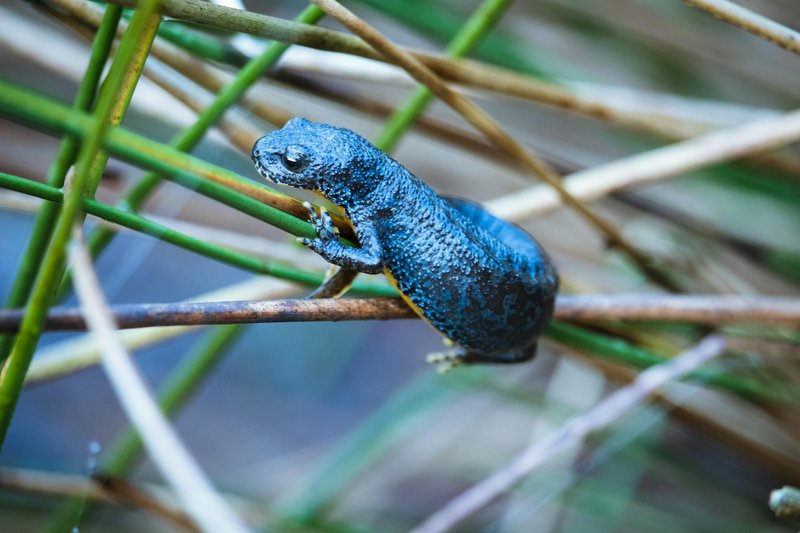
Salamanders are where Japan really shows off. The country is especially well known for cryptobranchids and hynobiids, two groups with a strong East Asian presence.
1. Japanese giant salamander (Andrias japonicus)
This is the headline act. The Japanese giant salamander is one of the largest amphibians on Earth and an endemic of central and western Japan. It lives in cool, fast-flowing mountain streams and spends much of its life hidden under rocks, which is very on-brand for a giant animal that would rather not be seen.
Its flattened body and broad head make it look like a piece of living driftwood until it moves. Adults can live for decades. In protected rivers, they’re a major conservation symbol, and in some places they’re legally protected under Japanese law.
2. Japanese fire-bellied newt (Cynops pyrrhogaster)
A familiar name even outside Japan, this newt is widespread across the country and often associated with ponds, ditches, and wet lowland habitats. The bright underside is a warning flag. When handled, it can secrete toxins, so no touching unless you want to learn the hard way.
It’s also a classic model species in biology because it’s common enough to study and distinctive enough to be interesting.
3. Sword-tailed newt (Cynops ensicauda)
Found mainly in the Ryukyu Islands, this species has a more southern, subtropical feel than its mainland relatives. It’s longer-limbed and more tropical in distribution, tied to warmer island habitats.
4. Ezo salamander (Salamandrella keyserlingii)
This is one of the cold-adapted amphibians of northern Japan, especially Hokkaido. It’s a species with a broad northern range across Eurasia, and in Japan it reaches the island’s cooler wetlands and forest edges.
5. Japanese clawed salamander (Onychodactylus japonicus)
A stream-loving salamander with a bizarrely specialized lifestyle, this species is active in moist, wooded mountain habitats. The genus Onychodactylus is famous for its lack of lungs and dependence on cool, wet environments.
6. Hida salamander (Hynobius kimurae)
A mountain-associated salamander of central Honshu, often found near forest streams and damp woodland. Like many Hynobius species, it’s not flashy in the way a poison dart frog is flashy. Its appeal is more the quiet, ancient kind.
7. Tokyo salamander (Hynobius tokyoensis)
Despite the name, this species is tied to eastern Honshu rather than urban Tokyo proper. It breeds in seasonal ponds and is another reminder that “Tokyo” on a species name doesn’t necessarily mean “skyscraper habitat.”
8. Northern salamander relatives of the Hynobius group
Japan has a long list of regionally distributed Hynobius species, many with small ranges and highly specific breeding sites. Several are localized to single mountains, islands, or valleys. That pattern is one reason Japanese salamanders are such a big deal in conservation biology.
Frogs of Japan
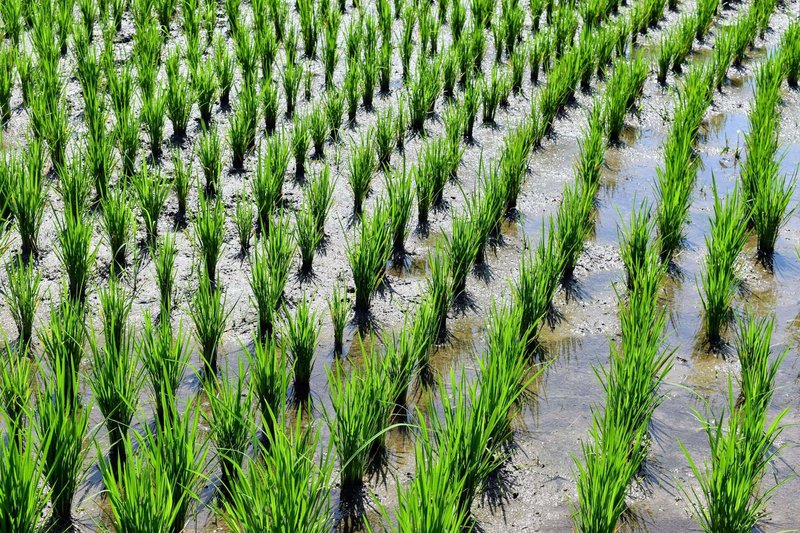
Japan’s frogs are tied closely to seasonal wetlands, rice paddies, forest pools, and stream margins. Some are common yard frogs. Others are tiny specialists that breed in very particular conditions.
9. Japanese common toad (Bufo japonicus)
This widespread toad is familiar across much of Honshu and surrounding regions. It’s sturdy, warty, and built for a fairly terrestrial life, returning to water mainly for breeding.
10. Wrinkled frog (Glandirana rugosa)
A widespread species in Japan, often found in ponds, rice fields, and wet grasslands. The rough skin and brownish coloration make it easy to overlook until it starts moving.
11. Japanese brown frog (Rana japonica)
A lowland and forest frog that’s common in many parts of Honshu. It breeds in shallow water and can be active early in the year, sometimes appearing while there’s still frost in the air.
12. Sakhalin frog (Rana pirica)
Found in northern Japan, especially Hokkaido. It’s associated with cooler climates and is part of the broader northern East Asian frog fauna.
13. Daruma pond frog (Pelophylax porosus brevipodus)
This is one of the frogs most closely tied to traditional agricultural landscapes. Rice paddies, irrigation ditches, and shallow wetlands are its home base. Without managed wet habitat, populations can drop.
14. Tago’s brown frog (Rana tagoi)
A streamside breeding species with a notable reproductive trick: it lays eggs in small subterranean water bodies or seepage areas in some regions. That kind of niche specialization is exactly why Japan keeps turning up weird, wonderful amphibians.
15. Ryukyu tip-nosed frog (Odorrana narina)
A southern island species associated with clean streams and humid forest environments in the Ryukyus. The genus Odorrana includes several stream-loving frogs, and this one fits the mold: sleek, fast, and tied to intact forest waterways.
Toads of Japan
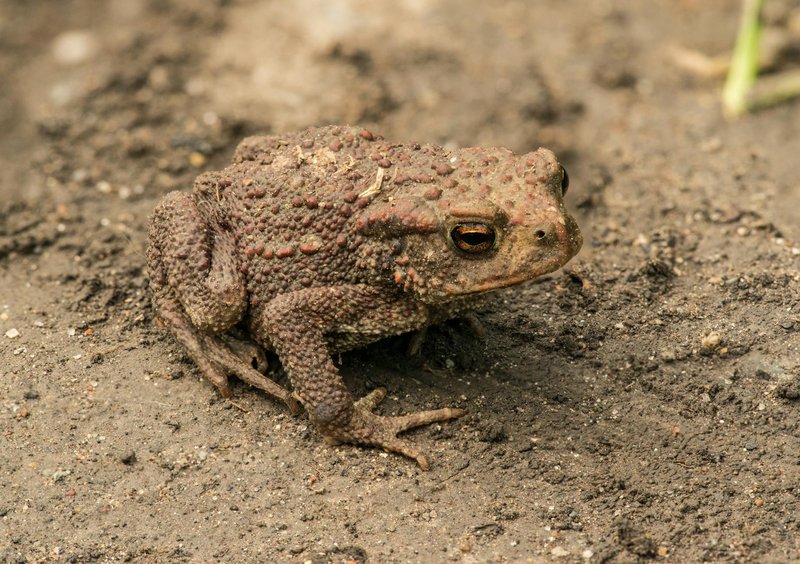
Japan has fewer true toad species than frog species, but the ones it does have are ecologically interesting and widely recognized.
Japanese common toad and related forms
The Japanese common toad complex has long been discussed in terms of regional variation and taxonomy, because island separation tends to make life complicated. That’s the recurring theme here: geography keeps splitting populations, and taxonomists get to sort out the mess later.
Toads in Japan are generally more tolerant of disturbed habitats than many stream-breeding salamanders and frogs, which makes them easier to encounter in farmland, gardens, and suburban edges.
Amphibian conservation in Japan
Japan’s amphibians face the usual modern hazards, just compressed into an island setting:
- Wetland drainage
- River channelization
- Agricultural intensification
- Forest fragmentation
- Road mortality
- Introduced predators and competitors
- Climate-driven shifts in breeding timing and stream flow
The biggest vulnerability is often not dramatic. It’s the slow loss of clean breeding habitat. A stream gets straightened. A paddy gets abandoned. A forest floor dries out. Then a species that depended on exactly that setup starts to vanish.
For a broader conservation context, the IUCN Amphibian Specialist Group is a useful starting point, and the AmphibiaWeb species accounts are excellent for distribution and natural history details.
Where to observe them responsibly
The best places to see amphibians in Japan are usually not “best” in the tourist sense. They’re just places with intact water and cover.
Good observation habitats include:
- Mountain streams and riparian forests
- Rice paddies and irrigation canals in rural areas
- Wet woodland edges
- Seasonal pools and breeding ponds
- Subtropical forest streams in the south
A few simple rules go a long way:
- Don’t lift rocks in streams unless you know how to replace them exactly
- Don’t handle animals unless necessary
- Don’t move frogs or salamanders between sites
- Keep flashlights low and avoid trampling stream edges
- Photograph, note location, and let the animal go
If you’re visiting nature areas, local visitor centers and prefectural parks often have the best real-time guidance on access and breeding-season restrictions.
Quick summary
The amphibians of Japan are a great example of how islands shape biodiversity. Japan’s mix of mountains, wetlands, rice agriculture, and isolated landmasses has produced a lineup that includes giant salamanders, endemic newts, stream frogs, and northern cold-climate species. Some are common enough to spot with patience. Others are so localized that losing one valley or one stream can matter a lot.
If you’re studying Japanese amphibians, start with the iconic species, then pay attention to the local endemics. That’s where the real story is.