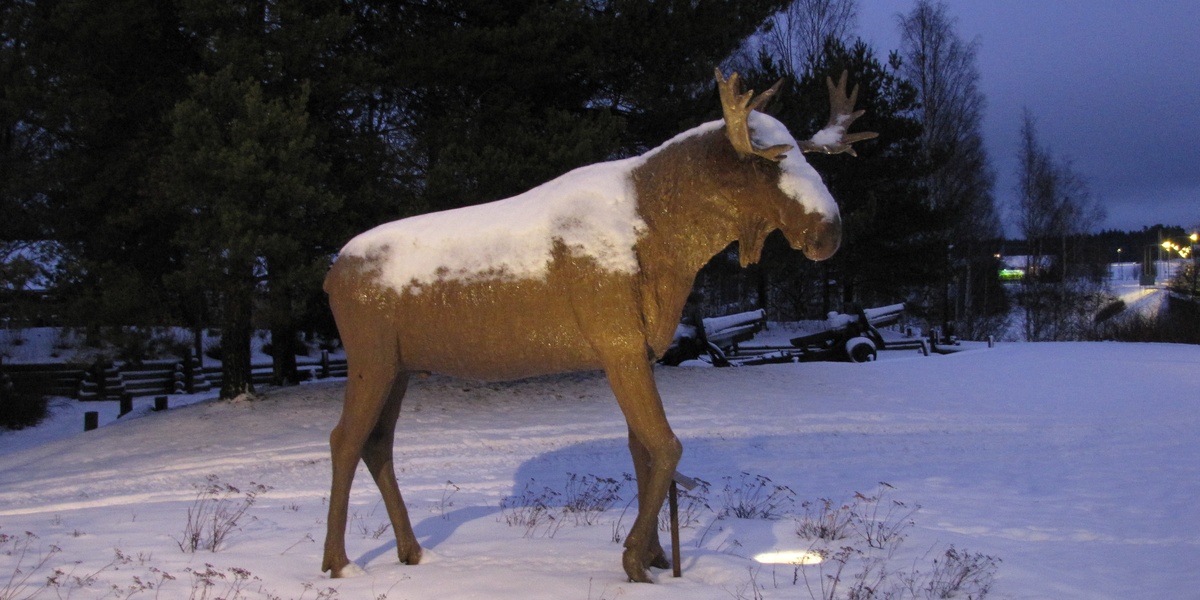
Finland’s mix of archipelago, dense forests, thousands of lakes and Arctic tundra creates a patchwork of habitats that support surprisingly diverse wildlife. Whether you’re exploring a southern lake shore or heading north above the Arctic Circle, the animals here reflect seasonal changes and wide-ranging ecosystems.
There are 89 Animals of Finland, ranging from Arctic Char to Zander; for each species the table lists Scientific name,Size (cm),Habitat / Finnish range — you’ll find below.
When is the best time to see wildlife in Finland?
Spring and summer (May–August) are generally best for birds and active mammals, while autumn brings migrations and clear views as foliage thins; winter can be excellent for spotting tracks, owls and large mammals near food sources. Timing depends on the group you want to see and the region — northern species peak later in the season.
How can I use this list to plan a wildlife-watching trip?
Use the Habitat / Finnish range column to pick locations, the Size (cm) and Scientific name fields for reliable identification, and plan visits around seasonal activity; combine local nature reserves or national parks with guided tours for higher chances of sightings and ethical, low-impact observation.
Animals of Finland
| Name | Scientific name | Size (cm) | Habitat / Finnish range |
|---|---|---|---|
| Brown Bear | Ursus arctos | 150-280 | Coniferous forests; throughout Finland, especially in the east |
| Grey Wolf | Canis lupus | 100-150 | Forests and remote areas; primarily in eastern and northern Finland |
| Eurasian Lynx | Lynx lynx | 80-130 | Dense forests; throughout Finland, more common in the south and centre |
| Wolverine | Gulo gulo | 65-105 | Northern fells and large forests; primarily in Lapland and eastern Finland |
| Moose | Alces alces | 240-310 | Forests and wetlands; throughout the country |
| Saimaa Ringed Seal | Pusa hispida saimensis | 130-145 | Exclusively in Lake Saimaa |
| Siberian Flying Squirrel | Pteromys volans | 13-20 | Mature mixed and spruce forests; southern and central Finland |
| Reindeer | Rangifer tarandus | 160-210 | Northern fells and forests; Lapland |
| Red Fox | Vulpes vulpes | 60-90 | Forests, farmlands, and urban areas; throughout Finland |
| European Otter | Lutra lutra | 55-95 | Rivers, lakes, and coastlines; throughout the country |
| European Hare | Lepus europaeus | 50-70 | Farmland and open country; southern and central Finland |
| Mountain Hare | Lepus timidus | 45-65 | Forests and northern fells; throughout Finland |
| Eurasian Beaver | Castor fiber | 75-100 | Lakes and rivers; southern and central Finland |
| Raccoon Dog | Nyctereutes procyonoides | 50-70 | Wetlands and forests; southern and central Finland |
| European Badger | Meles meles | 60-90 | Mixed forests and pastures; southern and central Finland |
| Pine Marten | Martes martes | 40-55 | Mature forests; throughout Finland |
| Stoat | Mustela erminea | 17-32 | Varied habitats; throughout Finland |
| Whooper Swan | Cygnus cygnus | 140-165 | Lakes and wetlands; nests throughout Finland |
| Golden Eagle | Aquila chrysaetos | 75-90 | Remote forests and fells; northern and eastern Finland |
| White-tailed Eagle | Haliaeetus albicilla | 70-95 | Coastal areas and large lakes; primarily southern and western coasts |
| Capercaillie | Tetrao urogallus | 60-87 | Old coniferous forests; throughout Finland, rarer in the south |
| Black Grouse | Lyrurus tetrix | 40-55 | Forest edges, bogs, and clearings; throughout Finland |
| Common Crane | Grus grus | 100-120 | Bogs, wetlands, and shorelines; throughout Finland |
| Eurasian Eagle-Owl | Bubo bubo | 60-75 | Rocky areas, forests, and even cities; southern and central Finland |
| Great Grey Owl | Strix nebulosa | 60-70 | Vast coniferous forests; central and northern Finland |
| Snowy Owl | Bubo scandiacus | 55-65 | Arctic tundra and fells; Lapland |
| Osprey | Pandion haliaetus | 55-60 | Lakes and coastlines; throughout Finland |
| Great Tit | Parus major | 14 | Forests, parks, and gardens; throughout Finland |
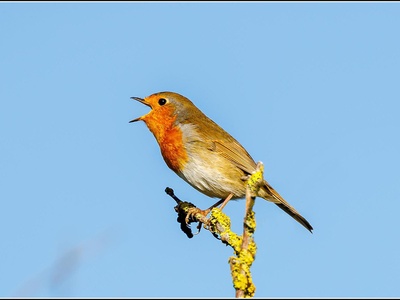
| European Robin | Erithacus rubecula | 14 | Forests and gardens; southern and central Finland |
| Barn Swallow | Hirundo rustica | 17-19 | Farmland and rural villages; throughout Finland |
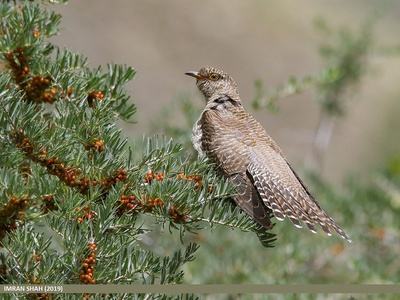
| Common Cuckoo | Cuculus canorus | 32-34 | Various habitats; throughout Finland |
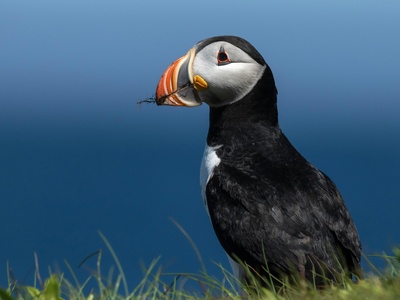
| Atlantic Puffin | Fratercula arctica | 28-34 | Breeds on remote sea cliffs; very rare vagrant in Finnish waters |
| Northern Pike | Esox lucius | 50-100 | Lakes, rivers, and coastal waters; throughout Finland |
| European Perch | Perca fluviatilis | 20-40 | Lakes, rivers, and coastal waters; throughout Finland |
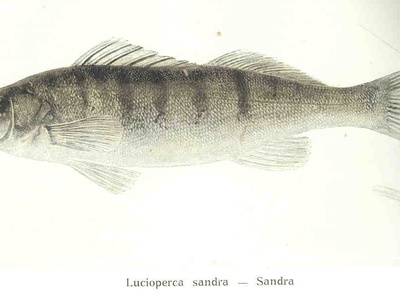
| Zander | Sander lucioperca | 40-75 | Large lakes and brackish coastal bays; southern and central Finland |
| Atlantic Salmon | Salmo salar | 70-120 | Northern rivers (Teno, Tornio) and the Baltic Sea |
| Brown Trout | Salmo trutta | 30-60 | Rivers, lakes, and coastal waters; throughout Finland |
| Arctic Char | Salvelinus alpinus | 30-60 | Deep, cold lakes; primarily in Lapland |
| European Grayling | Thymallus thymallus | 30-50 | Clear, fast-flowing rivers and lakes; northern and eastern Finland |
| Burbot | Lota lota | 30-70 | Lakes and rivers; throughout Finland |
| Common European Viper | Vipera berus | 60-80 | Sunny clearings, rocky areas, forest edges; south and central Finland |
| Grass Snake | Natrix natrix | 70-120 | Wetlands, shorelines, and damp meadows; southern Finland and coastal areas |
| Common Lizard | Zootoca vivipara | 10-15 | Open, sunny habitats; throughout Finland |
| Slow Worm | Anguis fragilis | 30-45 | Gardens, meadows, and forest edges; southern and southwestern Finland |
| Common Frog | Rana temporaria | 6-9 | Damp habitats, ponds, and wetlands; throughout Finland |
| Moor Frog | Rana arvalis | 5-7 | Wetlands and bogs; southern and central Finland |
| Common Toad | Bufo bufo | 8-13 | Forests, gardens, and fields; southern and central Finland |
| Smooth Newt | Lissotriton vulgaris | 8-11 | Ponds, ditches, and small lakes; southern Finland |
| Seven-spotted Ladybug | Coccinella septempunctata | 0.5-0.8 | Gardens, fields, and meadows; throughout Finland |
| European Peacock Butterfly | Aglais io | 5-6 | Gardens, parks, and woodland clearings; southern and central Finland |
| Red Admiral | Vanessa atalanta | 5-6 | Various habitats; migratory, seen throughout Finland |
| Camberwell Beauty | Nymphalis antiopa | 6-7.5 | Woodland clearings and edges; throughout Finland, more common in the east |
| Buff-tailed Bumblebee | Bombus terrestris | 1.5-2.5 | Gardens, meadows, and fields; common throughout southern Finland |
| European Hornet | Vespa crabro | 2-3.5 | Forests and parks; expanding range in southern Finland |
| Baltic Sea Mitten Crab | Eriocheir sinensis | 5-10 (carapace width) | Coastal rivers and brackish waters; invasive species on the southwest coast |
| Signal Crayfish | Pacifastacus leniusculus | 10-18 | Lakes and rivers; southern and central Finland |
| Noble Crayfish | Astacus astacus | 10-20 | Clean, unpolluted lakes and rivers; dwindling populations mainly in eastern Finland |
| Black-throated Diver | Gavia arctica | 60-75 | Clear lakes in forested areas; throughout Finland |
| Red-throated Diver | Gavia stellata | 55-67 | Small ponds and lakes in bogs and fells; northern Finland |
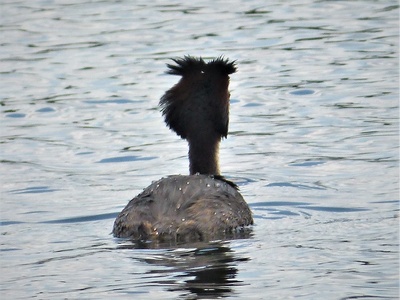
| Great Crested Grebe | Podiceps cristatus | 46-51 | Reedy lakes and coastal bays; southern and central Finland |
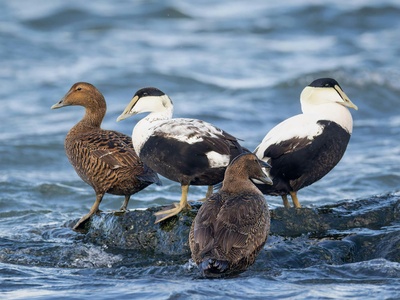
| Common Eider | Somateria mollissima | 50-71 | Rocky coasts and archipelagos; along the entire Finnish coast |
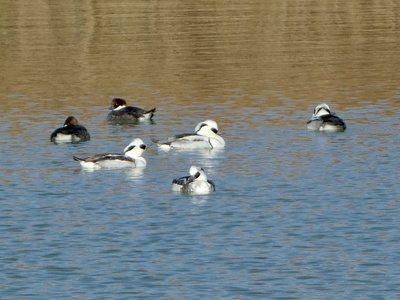
| Smew | Mergellus albellus | 38-44 | Clear, forested lakes; throughout Finland, more common in the north |
| Velvet Scoter | Melanitta fusca | 48-56 | Outer archipelago and northern lakes; Finnish coast and Lapland |
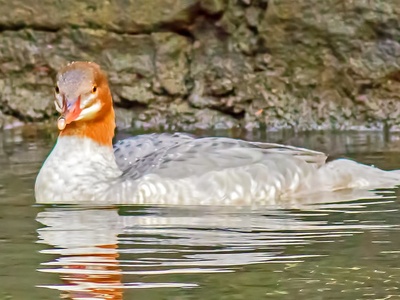
| Goosander | Mergus merganser | 58-68 | Lakes, rivers, and coastal waters; throughout Finland |
| Common Goldeneye | Bucephala clangula | 42-50 | Lakes and coastal waters; throughout Finland |
| Western Marsh Harrier | Circus aeruginosus | 48-56 | Large reed beds; southern and coastal Finland |
| Rough-legged Buzzard | Buteo lagopus | 50-60 | Open fells and tundra; breeds in Lapland, migrates through the country |
| Merlin | Falco columbarius | 24-33 | Open bogs and fells; northern and central Finland |
| Peregrine Falcon | Falco peregrinus | 38-51 | Bogs, fells, and cliffs; northern and inland Finland |
| Hazel Grouse | Tetrastes bonasia | 35-39 | Dense, mixed forests with rich undergrowth; throughout Finland |
| Willow Ptarmigan | Lagopus lagopus | 37-40 | Willow thickets, bogs, and fells; northern and central Finland |
| Woodcock | Scolopax rusticola | 33-35 | Damp, mixed woodlands; southern and central Finland |
| Jack Snipe | Lymnocryptes minimus | 17-19 | Wet bogs and marshes; throughout Finland |
| Ruff | Calidris pugnax | 22-34 | Coastal meadows and wetlands; coastal and northern Finland |
| Spotted Redshank | Tringa erythropus | 29-32 | Bogs and marshes in the taiga zone; northern Finland |
| Red-necked Phalarope | Phalaropus lobatus | 17-19 | Arctic ponds and bogs; northern Lapland |
| Common Gull | Larus canus | 40-45 | Coasts, lakes, and even cities; throughout Finland |
| Arctic Tern | Sterna paradisaea | 33-36 | Coasts and lakes; throughout Finland |
| Black Woodpecker | Dryocopus martius | 45-55 | Mature forests; throughout Finland |
| Three-toed Woodpecker | Picoides tridactylus | 21-24 | Old spruce-dominated forests; throughout Finland |
| Bohemian Waxwing | Bombycilla garrulus | 18 | Northern taiga forests; breeds in the north, irrupts south in winter |
| Bluethroat | Luscinia svecica | 14 | Thickets in fells and wetlands; northern Finland and coastal areas |
| Red-flanked Bluetail | Tarsiger cyanurus | 14 | Old, mossy spruce forests; eastern and northern Finland |
| Siberian Jay | Perisoreus infaustus | 26-29 | Northern coniferous forests; northern and eastern Finland |
| Siberian Tit | Poecile cinctus | 13-14 | Old pine and birch forests; Lapland and northern regions |
| Brambling | Fringilla montifringilla | 14 | Birch forests; breeds in the north, migrates throughout |
| Arctic Redpoll | Acanthis hornemanni | 12-14 | Mountain birch forests and willow scrub; northern Lapland |
| Pine Grosbeak | Pinicola enucleator | 20 | Coniferous forests of the north; northern Finland |
| Yellow-breasted Bunting | Emberiza aureola | 14-15.5 | Wet meadows and river valleys; formerly eastern Finland, now likely extinct |
Images and Descriptions
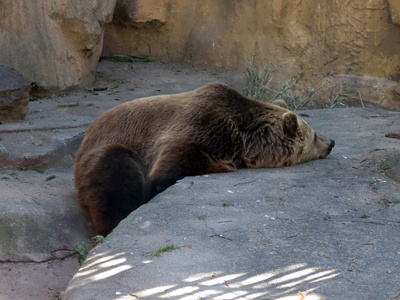
Brown Bear
Finland’s national animal and Europe’s largest predator. They are omnivores that hibernate during winter. While populations are stable and huntable, they are deeply respected in Finnish culture and generally avoid humans.
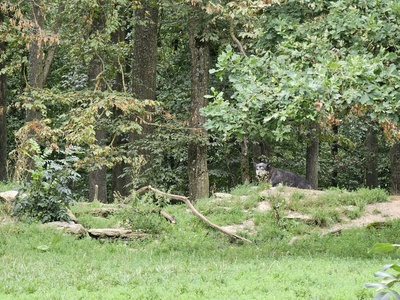
Grey Wolf
A highly social and intelligent predator living in family packs. Wolves have a controversial status due to livestock predation, but they play a key role in the ecosystem. Their population is closely monitored and managed.
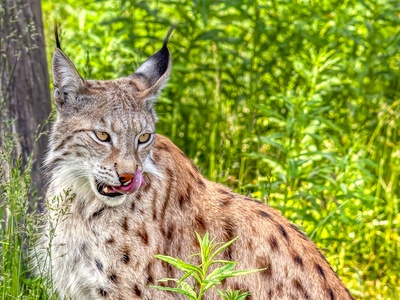
Eurasian Lynx
A secretive, solitary wild cat with distinctive ear tufts and a short tail. Once nearly extinct in Finland, its population has recovered significantly since being protected in the 1960s. They are skilled hunters of deer and hares.
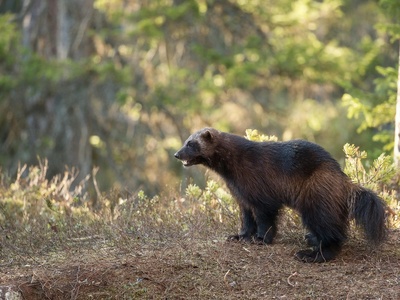
Wolverine
A powerful and fearless member of the weasel family, known for its incredible strength and endurance. Wolverines are rare and elusive, requiring vast territories. They are a protected species in Finland due to low numbers.
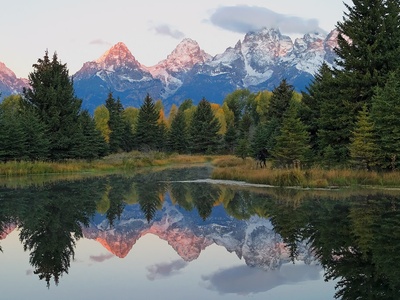
Moose
The largest member of the deer family, often called the “king of the forest.” Males grow and shed massive antlers each year. The moose population is very large and managed through an annual hunt, but they are a common cause of traffic accidents.
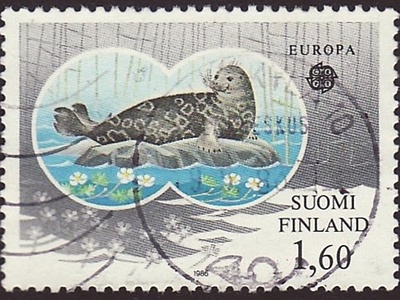
Saimaa Ringed Seal
One of the world’s rarest seals, adapted to freshwater. It’s critically endangered with only around 400 individuals remaining. Conservation efforts, like building snowdrifts for lairs, are vital for its survival.

Siberian Flying Squirrel
A nocturnal, shy rodent that glides between trees using a flap of skin. It is an EU-protected species, and its presence indicates a healthy, old-growth forest. Its large, dark eyes are an adaptation for seeing at night.
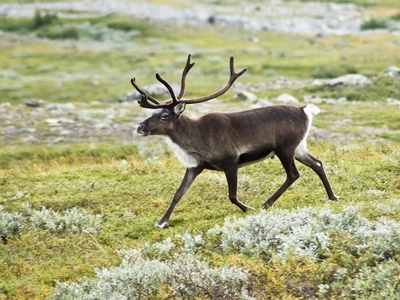
Reindeer
A semi-domesticated deer species central to Sámi culture. While wild forest reindeer exist, most are herded for meat and tourism. They are uniquely adapted to the cold, with hollow fur for insulation.

Red Fox
A highly adaptable and common canid. The red fox is an opportunistic omnivore, eating everything from rodents to berries. It has thrived in human-modified landscapes and can often be seen in suburban areas.

European Otter
A playful, semi-aquatic mammal known for its streamlined body and dense, waterproof fur. Otters made a strong comeback after being protected from hunting and are now a sign of a healthy aquatic ecosystem.

European Hare
Larger than the mountain hare with longer ears tipped in black. It was introduced to Finland and has thrived in agricultural landscapes. Capable of running at speeds up to 70 km/h to escape predators.
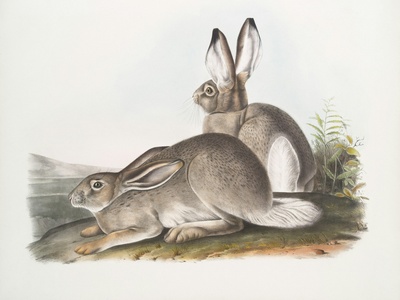
Mountain Hare
A native hare species perfectly adapted to Finnish winters. Its fur famously turns from brown in summer to pure white in winter for camouflage in the snow. Its populations can fluctuate dramatically over the years.

Eurasian Beaver
A large, dam-building rodent that was hunted to extinction in Finland but successfully reintroduced. Beavers are “ecosystem engineers” whose dams create valuable wetland habitats for many other species.
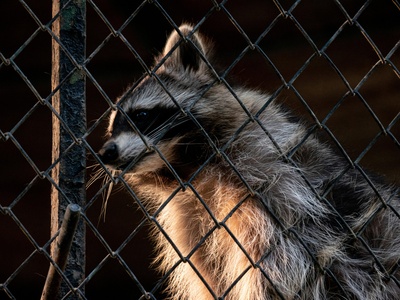
Raccoon Dog
An introduced invasive species from Asia, resembling a raccoon but belonging to the dog family. It is the only canid that hibernates. It is hunted year-round to control its population and impact on native ground-nesting birds.

European Badger
A stocky, social omnivore with a distinctive black-and-white striped face. Badgers live in extensive underground burrow systems called setts. They are mostly nocturnal and spend the winter in a state of deep sleep.
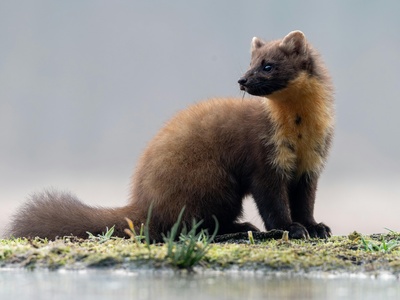
Pine Marten
An agile, cat-sized predator from the weasel family. It is an expert climber, hunting squirrels in the treetops. Its fur was once highly prized, but populations are now stable.
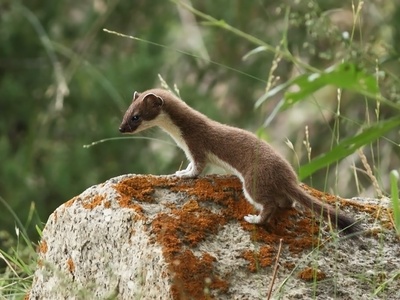
Stoat
A small, fierce predator known for its boundless energy. Like the mountain hare, the stoat’s coat turns white in winter, when it is known as an ermine. The black tip on its tail remains year-round.

Whooper Swan
Finland’s national bird, known for its loud, musical, “whooping” call. It was once endangered but has made a fantastic recovery due to conservation efforts and is now a common and cherished sight during summer.
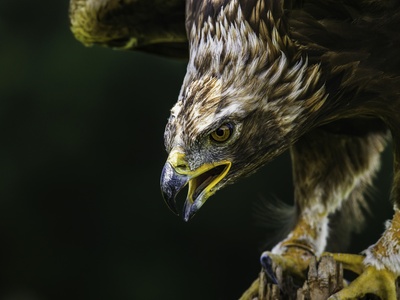
Golden Eagle
A majestic bird of prey with a wingspan of over two meters. Golden eagles build huge nests, known as eyries, on cliffs or in old pine trees. They are a protected species, with populations slowly recovering.
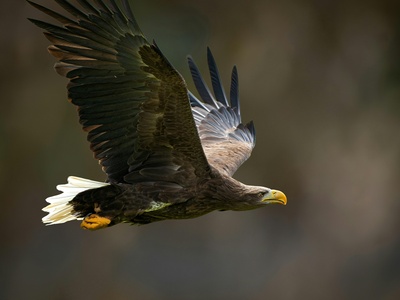
White-tailed Eagle
Finland’s largest bird of prey, also known as the sea eagle. It was brought back from the brink of extinction by decades of conservation work. Its recovery is a major success story for Finnish nature protection.
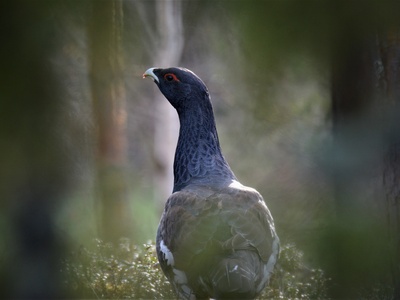
Capercaillie
The world’s largest grouse species. Males are famous for their spectacular lekking display in spring, where they gather to impress females with strange calls. It is a prized game bird, but populations have declined.

Black Grouse
Known for its striking lyre-shaped tail feathers and vibrant red eyebrow combs. In spring, males gather in traditional open areas called leks to perform a bubbling, hissing courtship display at dawn.
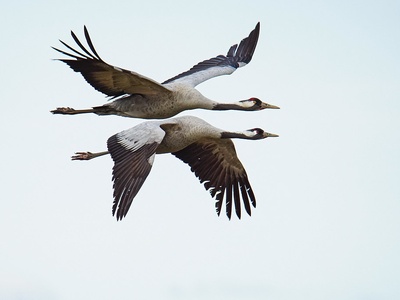
Common Crane
A large, elegant bird whose trumpeting calls signal the arrival of spring. Cranes gather in huge flocks of thousands during autumn migration, a spectacular natural event, particularly in western Finland.

Eurasian Eagle-Owl
Europe’s largest owl, powerful enough to hunt prey as large as hares and foxes. Its deep, booming “ooh-hu” call can be heard from kilometres away on quiet spring nights. Some have adapted to nesting on city buildings.
Great Grey Owl
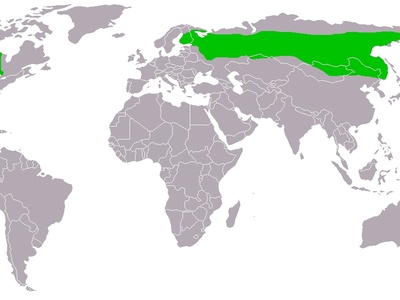
A very large owl with a huge facial disc that channels sound to its ears, allowing it to hunt voles under deep snow just by hearing them. It appears massive but is surprisingly lightweight under its thick feathers.
Snowy Owl
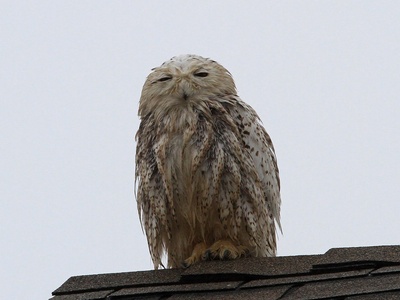
A stunning white owl of the high north. It is a nomadic species, and its presence in Finland varies yearly depending on the abundance of its main prey, lemmings. Males are almost pure white.
Osprey
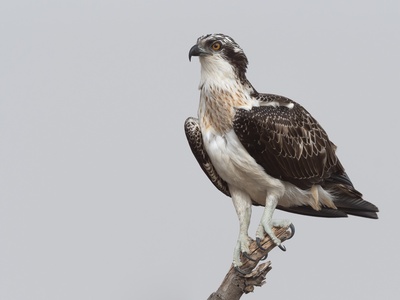
A large fish-eating hawk, often seen plunging feet-first into the water to catch fish with its specialized talons. Many Finns build nesting platforms to encourage ospreys, which are seen as a sign of good luck.
Great Tit
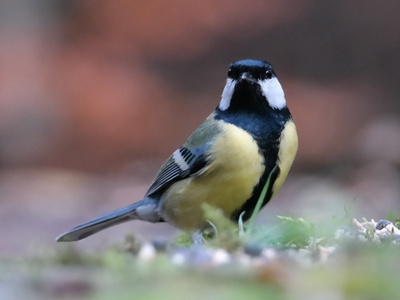
A common and recognizable garden bird with a black head and a yellow belly split by a black stripe. It is an intelligent bird that cleverly adapts its behaviour, such as learning to open milk bottles in other countries.
European Robin
A beloved bird with a bright orange-red breast. Despite its charming appearance, it is fiercely territorial and will aggressively defend its patch. It is a common summer migrant in most of Finland.

Barn Swallow
An agile flyer with a deeply forked tail, often seen swooping over fields to catch insects. It traditionally nests inside barns and outbuildings. Its arrival is a classic sign that summer is on its way.
Common Cuckoo
Famous for its distinctive “cu-ckoo” call and its behaviour as a brood parasite. The female lays her eggs in the nests of other smaller birds, tricking them into raising her chick.
Atlantic Puffin
A charismatic seabird with a brightly coloured beak, though it is not a Finnish breeding species. Puffins are occasionally spotted as rare vagrants in Finnish sea areas, carried by storms from their colonies in the North Atlantic.

Northern Pike
A top aquatic predator with a long, powerful body and a mouth full of sharp teeth. It is a very popular sport fish known for its aggressive strike. Pike can live for over 30 years and grow to immense sizes.

European Perch
Finland’s national fish, easily identified by its spiny dorsal fin and dark vertical stripes. It’s an extremely common and popular catch for anglers of all ages and a staple of Finnish summer cottage cuisine.
Zander
A prized game and food fish, related to the perch but much larger. It has large, glassy eyes that help it hunt in low light conditions, making it most active at dawn and dusk.

Atlantic Salmon
An iconic fish famous for its epic migration from the ocean back to its home river to spawn. Wild Baltic salmon populations are endangered, and major efforts are underway to restore their spawning rivers.

Brown Trout
A beautiful and adaptable fish with several forms: sea-run, lake-dwelling, and river-resident. Many native trout populations are endangered due to damming of rivers, but it is also widely stocked for fishing.
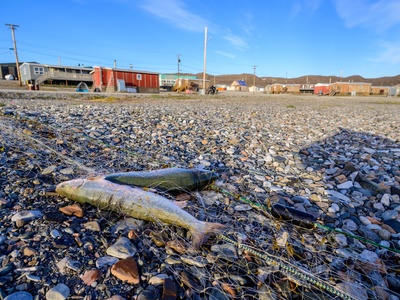
Arctic Char
The world’s northernmost freshwater fish, a relic from the last Ice Age. It is known for its vibrant red-orange belly during spawning season. It is highly sensitive to changes in water temperature and quality.

European Grayling
A beautiful fish easily recognized by its huge, colourful dorsal fin. It is a favourite among fly-fishers. The grayling is sensitive to pollution and requires clean, well-oxygenated water to thrive.
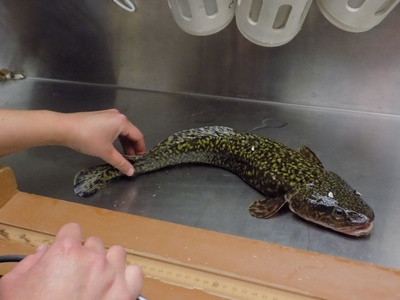
Burbot
The only freshwater member of the cod family. It is a nocturnal, bottom-dwelling fish that spawns in mid-winter under the ice. Its roe is considered a delicacy in Finland.
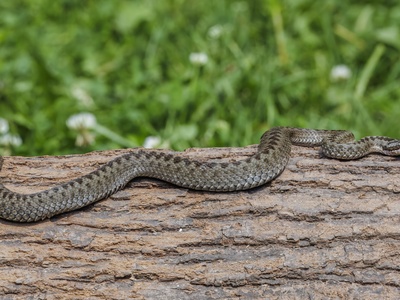
Common European Viper
The only venomous snake native to Finland and the most northerly viper in the world. Its venom is potent but bites are rarely fatal to humans. It is a protected species outside of private yards.
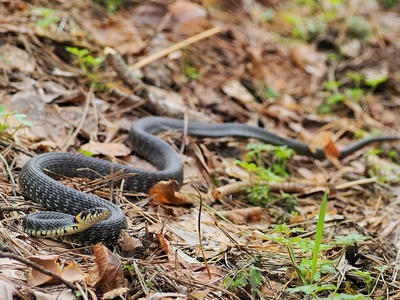
Grass Snake
A non-venomous snake easily identified by the yellow or white collar behind its head. It is an excellent swimmer and primarily feeds on frogs and fish. When threatened, it may play dead convincingly.
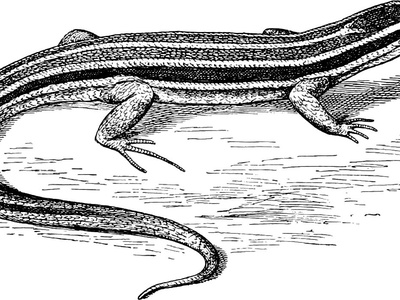
Common Lizard
Finland’s most common reptile, found all the way to northern Lapland. Unusually for a reptile, it gives birth to live young instead of laying eggs, an adaptation to the short, cool summers.
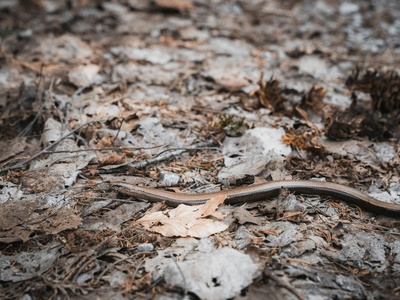
Slow Worm
A legless lizard, not a snake. You can tell the difference because it has eyelids and can shed its tail to escape predators. It is harmless and feeds on slugs and worms.
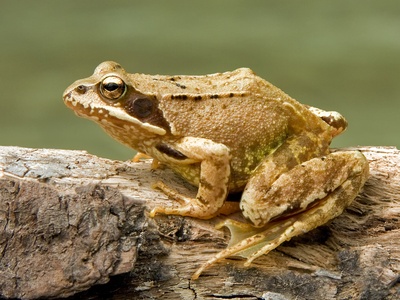
Common Frog
Finland’s most widespread amphibian. In early spring, large numbers gather in ponds to breed, filling the air with their croaking calls. A single female can lay up to 2,000 eggs in a clump of frogspawn.
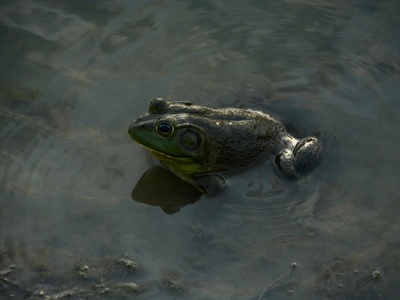
Moor Frog
Similar to the common frog, but males are known for turning a striking bright blue for a few days during the peak of the mating season. This incredible display attracts females to the breeding ponds.
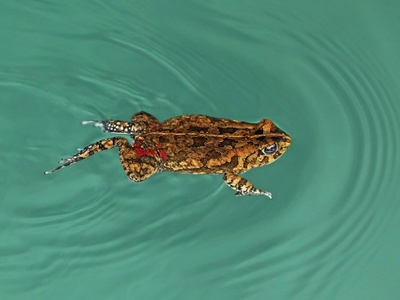
Common Toad
A large, warty-skinned amphibian that walks rather than hops. It has prominent glands behind its eyes that secrete a mild toxin, making it unpalatable to many predators.
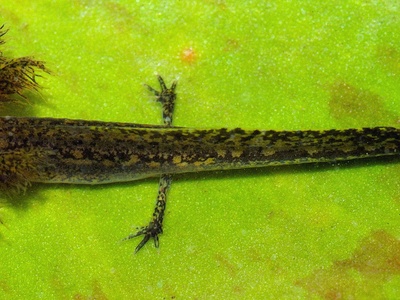
Smooth Newt
A small salamander that spends spring in the water for breeding. During this time, the male develops a wavy crest along his back and a brightly coloured belly to attract a mate.
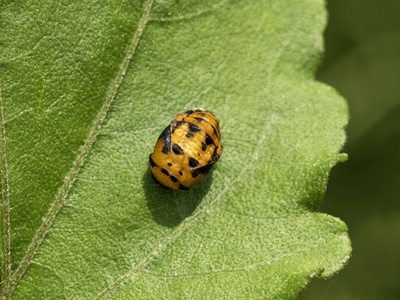
Seven-spotted Ladybug
A familiar and well-loved beetle. It is a voracious predator of aphids, making it a great friend to gardeners. The seven spots on its red wing covers are a consistent feature of the species.

European Peacock Butterfly
A stunning butterfly with large, eye-like spots on its wings, which it flashes to startle predators. It is one of the first butterflies to be seen in spring, as it hibernates as an adult.
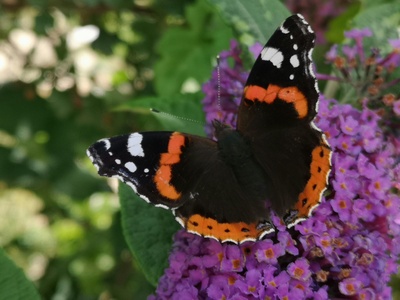
Red Admiral
A strong-flying migrant butterfly that arrives in Finland from southern Europe each summer. Its bold black, red, and white pattern makes it easy to identify as it feeds on nectar from flowers like buddleia.

Camberwell Beauty
A large, beautiful butterfly with dark maroon wings edged in yellow. It hibernates as an adult, sometimes emerging on warm days in late winter, and is one of the longest-lived butterfly species.
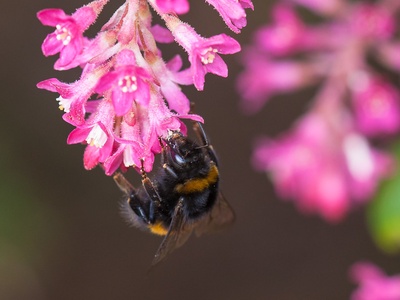
Buff-tailed Bumblebee
One of the most common bumblebee species. These important pollinators are social insects, living in underground nests ruled by a queen. Only the new queens survive the winter to start new colonies in the spring.

European Hornet
The largest wasp in Europe. Despite its intimidating size and loud buzz, it is generally less aggressive than the common wasp unless its nest is threatened. It hunts other insects to feed its young.

Baltic Sea Mitten Crab
An invasive crab from Asia, named for the furry claws of the males. It has established itself in some Finnish rivers, where it causes problems by burrowing into riverbanks and damaging fishing nets.
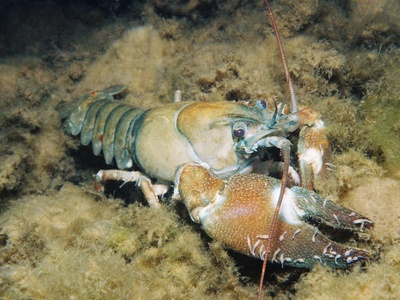
Signal Crayfish
An introduced North American species that has largely replaced Finland’s native noble crayfish. It carries the crayfish plague, which is lethal to the native species but to which it is resistant.
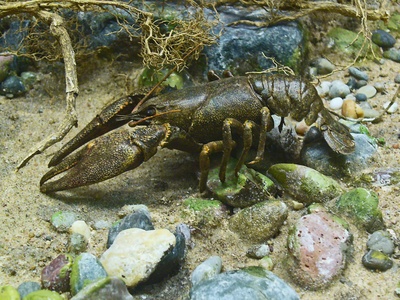
Noble Crayfish
Finland’s only native crayfish species. It is highly sought after for traditional summer crayfish parties (‘rapujuhlat’) but is critically endangered due to the crayfish plague and habitat degradation.

Black-throated Diver
A sleek diving bird with a striking black, white, and grey breeding plumage. Its haunting, wailing calls are a characteristic sound of remote Finnish lakes on summer evenings.
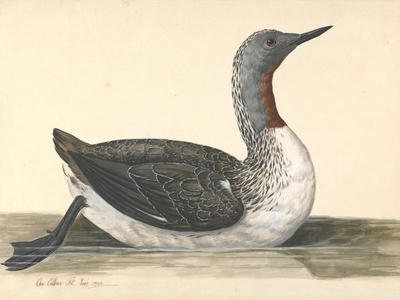
Red-throated Diver
The smallest of the divers, breeding on smaller bodies of water than its relatives. It has a distinctive upturned bill and a haunting, eerie call often heard during its display flights.
Great Crested Grebe
Famous for its elaborate and elegant courtship dance, where pairs mirror each other’s movements, including the “penguin dance” and “weed dance.” They carry their striped chicks on their backs.
Common Eider
A large sea duck. Females pluck soft down from their breasts to line their nests. This incredibly insulating eiderdown is sustainably harvested from nests after the ducklings have left.
Smew
A small, striking diving duck. The male, called the “white nun,” is stunningly white with fine black markings, resembling cracked ice. It nests in tree holes, often those made by Black Woodpeckers.

Velvet Scoter
A large, dark sea duck with a distinctive white patch on its wing. The Baltic Sea population has declined drastically, making it an endangered species. Conservation efforts are focused on protecting its marine habitats.
Goosander
A large sawbill duck with a long, serrated bill for catching fish. The male has a dark green head and clean white body, while the female has a shaggy, reddish-brown crest. They nest in tree cavities.

Common Goldeneye
A common diving duck that readily accepts nest boxes, a practice widely adopted in Finland. The male has a distinctively shaped dark head with an iridescent green gloss and a round white spot.
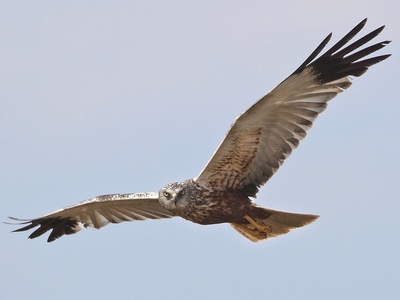
Western Marsh Harrier
A graceful raptor that hunts by flying low and slow over reed beds, surprising its prey. It was once very rare in Finland but has made a significant comeback as wetlands have been protected.
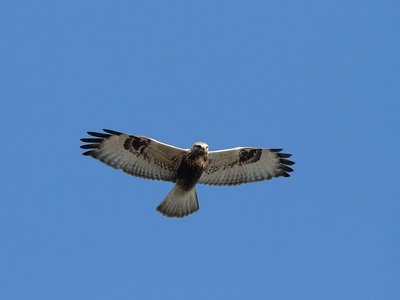
Rough-legged Buzzard
An arctic raptor that breeds in the northern fells. It gets its name from its feathered legs, an adaptation for the cold. It can often be seen hovering over open ground while hunting for rodents.
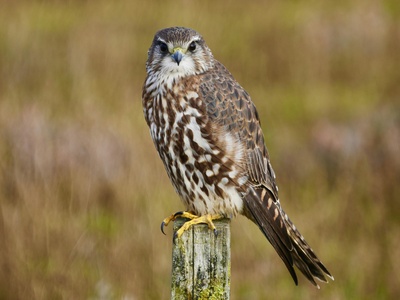
Merlin
The UK’s smallest bird of prey, a compact and dashing falcon. It is a specialist hunter of small birds, which it catches in high-speed pursuits over open country.
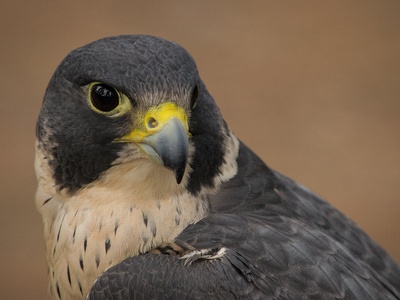
Peregrine Falcon
The fastest animal on the planet, capable of diving at speeds over 300 km/h. It was once nearly wiped out by pesticides but has made a slow recovery thanks to conservation and nest protection programs.
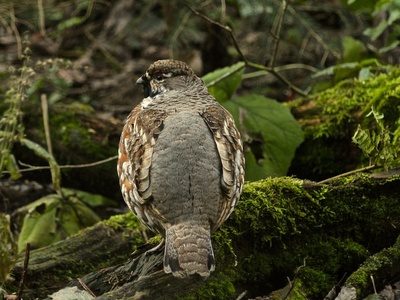
Hazel Grouse
A small, secretive grouse that is more often heard than seen. It has a high-pitched, whistling call that it uses to communicate. It is monogamous, which is unusual among grouse species.
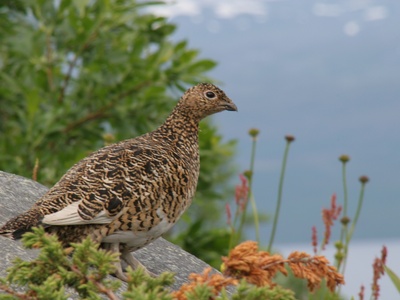
Willow Ptarmigan
A grouse species that, like the mountain hare, turns completely white in winter for camouflage. Its scientific name literally means “hare foot,” referring to its feathered feet that act like snowshoes.

Woodcock
A plump, well-camouflaged wading bird of the forest floor. It is most famous for its unique crepuscular courtship flight, called ‘roding,’ where males fly in circuits over their territory.
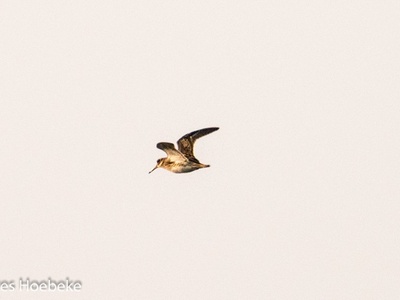
Jack Snipe
A small, secretive wading bird. During its breeding display, it produces a strange, hollow, drumming sound like a cantering horse, which is created by its vibrating outer tail feathers during a dive.

Ruff
Famous for the incredible variety of breeding plumages in males. They gather at communal display grounds (leks) where each male, with his unique ruff and head tufts, competes for females.

Spotted Redshank
An elegant wading bird that undergoes a dramatic plumage change, from pale grey in winter to sooty black in summer. Finland is a key breeding area for this beautiful species.
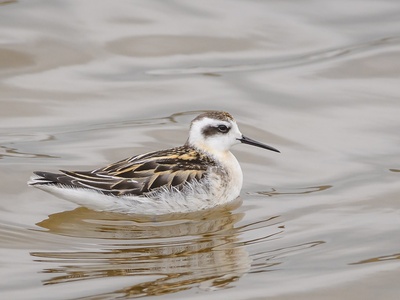
Red-necked Phalarope
A small wader with a fascinating role reversal. The females are more brightly coloured than males, and they compete for mates. The male is left to incubate the eggs and care for the young alone.
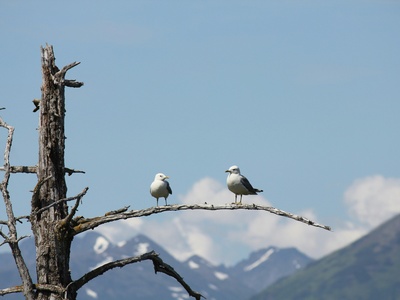
Common Gull
A medium-sized gull, more delicate than the larger Herring Gull. Despite its name, its population in Europe has seen declines. It is a familiar sight and sound in the Finnish summer.
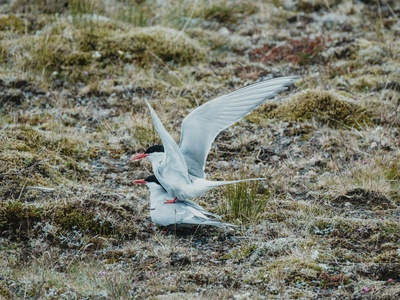
Arctic Tern
A master of migration. The Arctic Tern travels from its Arctic breeding grounds to the Antarctic for the winter, seeing more daylight than any other creature on Earth.
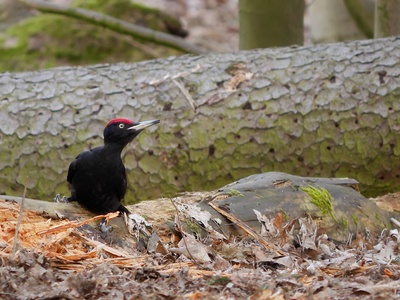
Black Woodpecker
Europe’s largest woodpecker, entirely black except for a striking red crown. Its powerful drumming can be heard from a great distance, and its large, rectangular nesting holes are used by many other species.
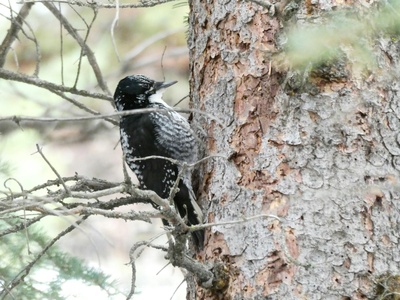
Three-toed Woodpecker
A specialist of coniferous forests, particularly those with dead and dying trees. As its name suggests, it has only three toes (two forward, one back), which gives it a powerful grip for foraging on tree bark.
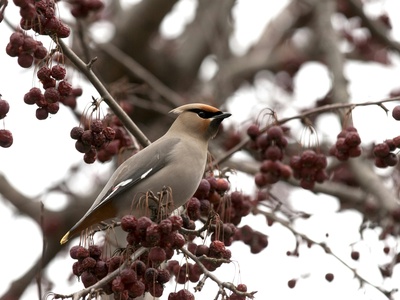
Bohemian Waxwing
A beautiful, crested bird with unique red, wax-like tips on its wing feathers. They are nomadic and can appear in large flocks in southern Finland during winters when their staple food, rowan berries, is abundant.
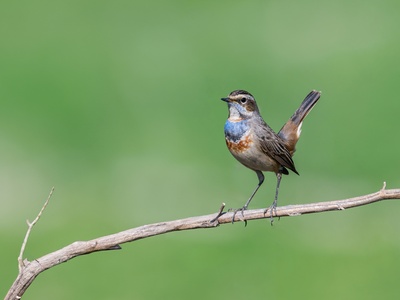
Bluethroat
A small migratory bird, the male of which has a stunningly bright blue throat patch with a central spot (red or white depending on the subspecies). It is a jewel of the Lapland wilderness.
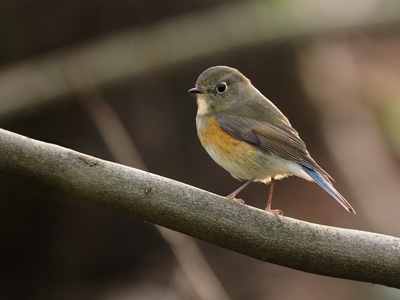
Red-flanked Bluetail
A rare and sought-after bird for twitchers, often called the “Siberian nightingale.” The male has a brilliant blue tail and flanks. Its arrival as a Finnish breeding bird is a recent phenomenon from the east.
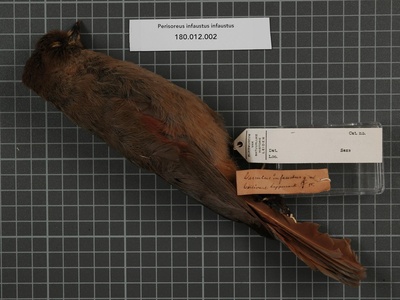
Siberian Jay
A curious and bold bird of the old-growth taiga forest. It lives in family groups and is known for storing food to survive the harsh winters. In folklore, it was considered a bird of good or bad luck.
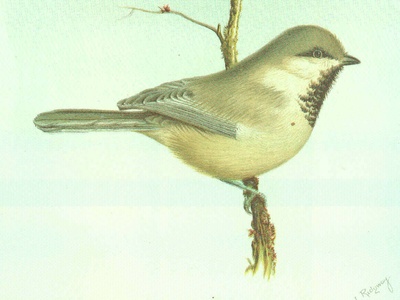
Siberian Tit
The only tit species found across both the Eurasian and North American taiga. It is a hardy resident of the far north, well-adapted to surviving the freezing winters of Lapland.
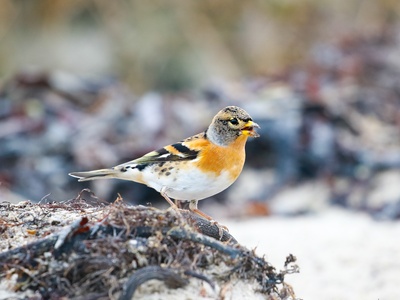
Brambling
A close relative of the chaffinch that breeds in the northern birch forests. During migration and winter, they can form enormous flocks numbering in the millions, a truly breathtaking spectacle.
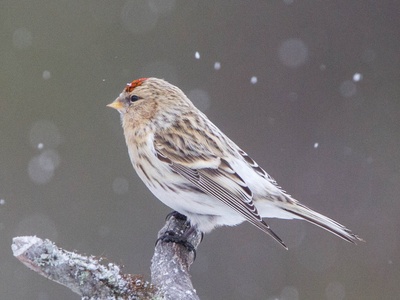
Arctic Redpoll
A small, hardy finch of the high Arctic. It is paler and ‘frostier’ looking than the more common redpoll. It is specially adapted to the extreme cold, even burrowing into the snow to roost.
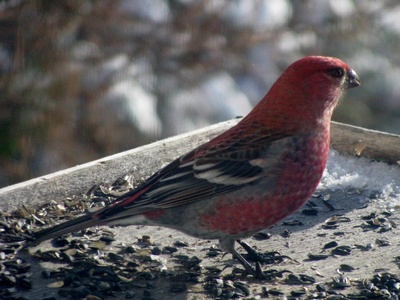
Pine Grosbeak
A large, plump, and gentle finch. The male is a beautiful rosy-red, while the female is a greenish-yellow. They are quite tame and can often be approached closely.
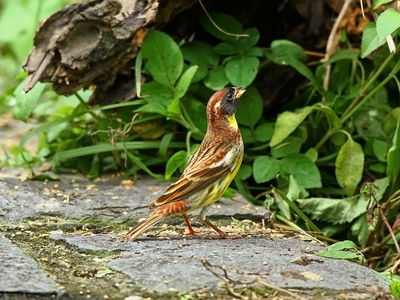
Yellow-breasted Bunting
A tragic story of decline. Once common, this bird is now critically endangered and functionally extinct in Finland due to trapping on its migration routes in Asia. A stark reminder of global conservation challenges.