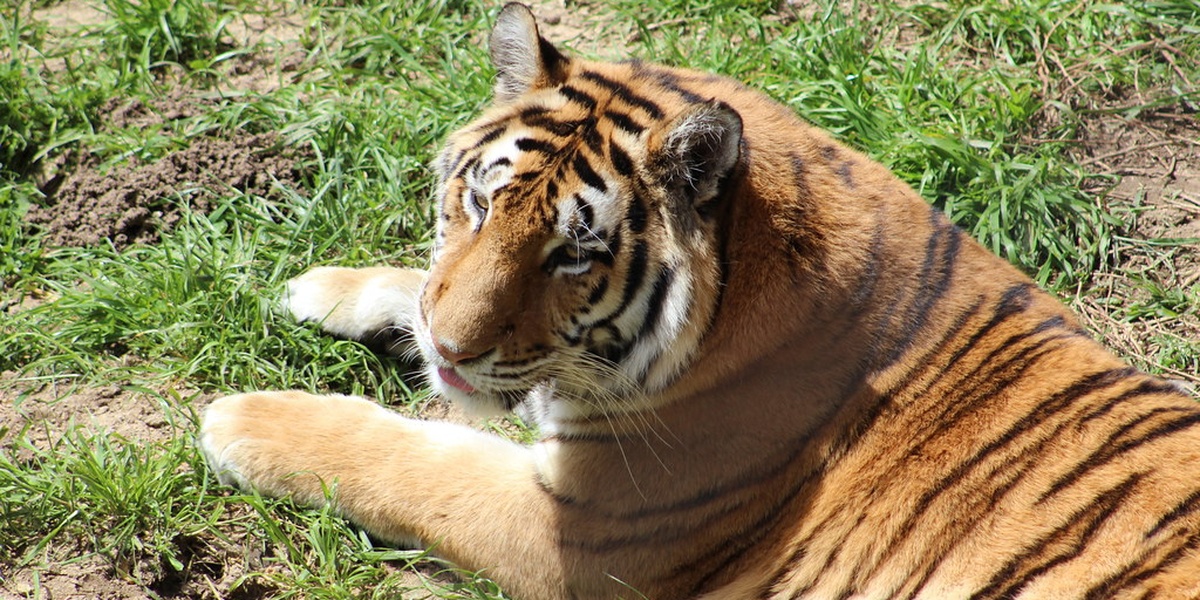
Tropical Asia’s rainforests are a patchwork of lowland dipterocarp forest, montane cloud forest and riverine swamps, each hosting a distinct mix of mammals, birds, reptiles and amphibians. Walking a forest trail or scanning the canopy by boat reveals how species adapt to dense cover, seasonal fruiting and complex food webs.
There are exactly 50 asian rainforest animals, ranging from the Asian elephant to the Wreathed hornbill. For each entry, the information is organized as Scientific name, Range, Size (cm) / Weight (kg) — you’ll find below.
How can I use the list to narrow down an animal I saw in the forest?
Start by matching where and when you saw the animal (range and habitat), then compare size and visible features against the list entries; the Scientific name helps when you want photos or recordings from guides and databases to confirm a sighting.
Are many of these species at risk, and where can I get conservation status details?
Yes — several species on the list face threats from habitat loss and hunting; check the IUCN Red List and regional conservation groups for up-to-date status, range maps and suggested actions if you encounter injured or trafficked wildlife.
Asian Rainforest Animals
| Name | Scientific name | Range | Size (cm) / Weight (kg) |
|---|---|---|---|
| Tiger | Panthera tigris | India, Bangladesh, Malay Peninsula, Sumatra, SE Asia | 220–310 cm / 100–300 kg |
| Asian elephant | Elephas maximus | India, Sri Lanka, Myanmar, Thailand, Malaysia, Sumatra | 250–400 cm / 2,000–5,000 kg |
| Bornean orangutan | Pongo pygmaeus | Borneo lowland and hill rainforests (Indonesia, Malaysia) | 100–140 cm / 30–90 kg |
| Sumatran orangutan | Pongo abelii | Northern Sumatra rainforests (Indonesia) | 100–140 cm / 30–90 kg |
| Tapanuli orangutan | Pongo tapanuliensis | Tapanuli region, Sumatra lowland and hill forest | 100–140 cm / 30–90 kg |
| Sun bear | Helarctos malayanus | Southeast Asian lowland rainforests (Malaysia, Borneo, Sumatra) | 100–140 cm / 25–80 kg |
| Malayan tapir | Tapirus indicus | Malay Peninsula, Sumatra rainforests | 170–250 cm / 200–300 kg |
| Dhole | Cuon alpinus | India, Southeast Asian rainforests to Indonesia | 90–110 cm / 10–20 kg |
| Clouded leopard | Neofelis nebulosa | South and Southeast Asian rainforests, southern China | 70–110 cm / 11–23 kg |
| Leopard cat | Prionailurus bengalensis | Widespread Asia including tropical rainforests | 40–60 cm / 2–7 kg |
| Binturong | Arctictis binturong | Southeast Asian rainforests, Borneo, Sumatra, Malay Peninsula | 60–100 cm / 9–20 kg |
| Sunda slow loris | Nycticebus coucang | Sunda Islands, Malay Peninsula, lowland rainforests | 25–38 cm / 0.5–1.2 kg |
| Gaur | Bos gaurus | India, Southeast Asian rainforests and foothills | 200–330 cm / 500–1,000 kg |
| Saola | Pseudoryx nghetinhensis | Annamite Range rainforests of Vietnam and Laos | 140–180 cm / 80–100 kg |
| Sambar deer | Rusa unicolor | South and Southeast Asian rainforests and foothills | 150–200 cm / 100–300 kg |
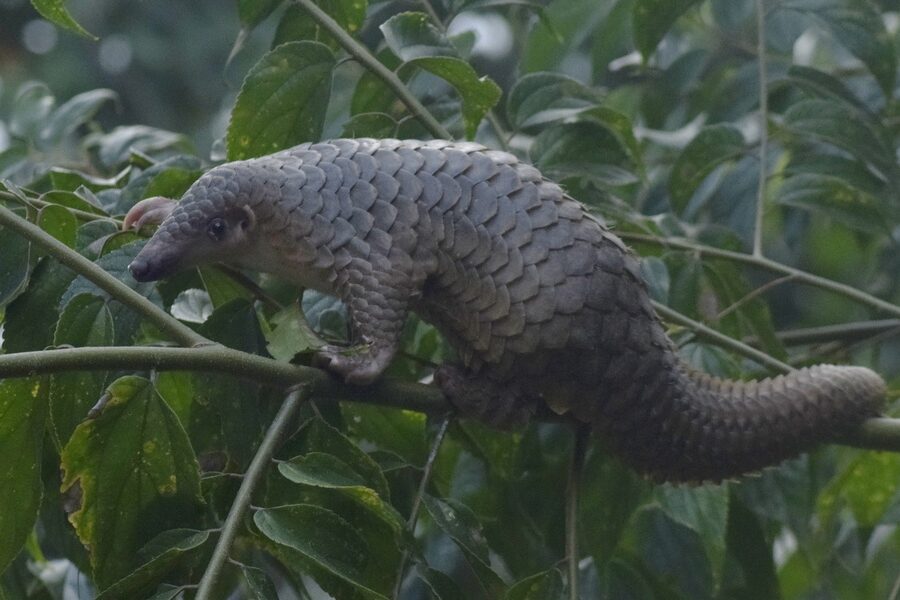
| Sunda pangolin | Manis javanica | Southeast Asian rainforests, Malay Archipelago | 50–100 cm / 2–8 kg |
| Indian pangolin | Manis crassicaudata | South Asian tropical forests and lowlands | 60–100 cm / 6–12 kg |
| Long-tailed macaque | Macaca fascicularis | Mangroves and rainforests across SE Asia | 40–55 cm / 3–7 kg |
| Lar gibbon | Hylobates lar | Southeast Asian lowland and hill rainforests | 50–60 cm / 5–7 kg |
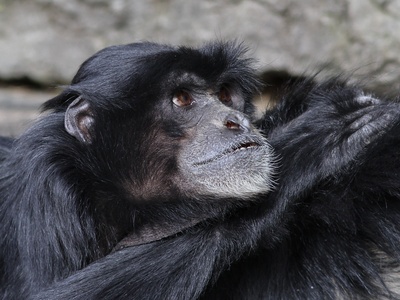
| Siamang | Symphalangus syndactylus | Malay Peninsula, Sumatra and Borneo rainforests | 70–90 cm / 8–14 kg |
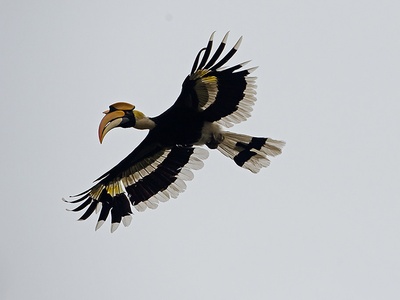
| Great hornbill | Buceros bicornis | Indian subcontinent to Malay Peninsula rainforests | 95–125 cm / 2–4 kg |
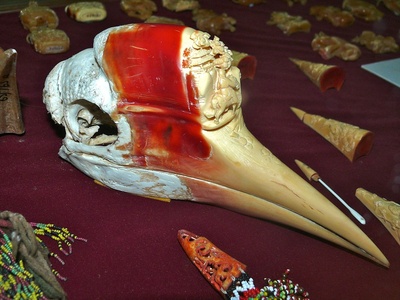
| Helmeted hornbill | Rhinoplax vigil | Lowland forests of Malay Archipelago | 100–120 cm / 2.5–4 kg |
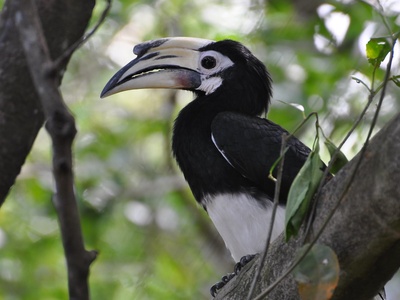
| Oriental pied hornbill | Anthracoceros albirostris | South and Southeast Asian rainforests | 60–90 cm / 1–2 kg |
| Great argus | Argusianus argus | Southeast Asian lowland rainforests | 90–110 cm / 1–2.5 kg |
| Malayan peacock-pheasant | Polyplectron malacense | Malay Peninsula and Sumatra lowland rainforests | 60–75 cm / 0.5–1.5 kg |
| Black-and-yellow broadbill | Eurylaimus ochromalus | Southeast Asian lowland rainforests | 15–20 cm wingspan ~24 cm / 0.05–0.07 kg |
| Oriental dwarf kingfisher | Ceyx erithaca | Lowland and hill rainforests across South and SE Asia | 14–17 cm / 0.03–0.05 kg |
| Blue-winged pitta | Pitta moluccensis | SE Asian rainforests, migratory in parts | 17–20 cm / 0.06–0.12 kg |
| Green peafowl | Pavo muticus | South and Southeast Asian forests and wetlands | 90–110 cm / 3–6 kg (male without train) |
| Nicobar pigeon | Caloenas nicobarica | Nicobar Islands and nearby rainforests/islands | 40–50 cm / 0.5–1.2 kg |
| Asian fairy-bluebird | Irena puella | South and Southeast Asian rainforests | 25–30 cm / 0.08–0.18 kg |
| Wreathed hornbill | Rhyticeros undulatus | Southeast Asian lowland and hill forests | 85–110 cm / 2–3 kg |
| Reticulated python | Malayopython reticulatus | Southeast Asian rainforests, islands to Indonesia | 200–600 cm / 30–150 kg |
| Burmese python | Python bivittatus | Southeast Asian forests, marshes and wetlands | 200–300 cm / 30–90 kg |
| King cobra | Ophiophagus hannah | Forest habitats across South and SE Asia, including rainforests | 300–400 cm / 6–12 kg |
| Asian water monitor | Varanus salvator | Freshwater and swamp forests across South and SE Asia | 150–300 cm / 5–25 kg |
| Saltwater crocodile | Crocodylus porosus | Coastal rivers, estuaries and adjacent rainforests in South and SE Asia | 300–700 cm / 200–1,000+ kg |
| Asian leaf turtle | Cyclemys dentata | Southeast Asian lowland rainforests and forest streams | 20–30 cm / 0.5–2 kg |
| Wallace’s flying frog | Rhacophorus nigropalmatus | Lowland rainforests of Borneo and Malay Peninsula | 80–100 mm / 0.02–0.05 kg |
| Asian horned frog | Megophrys nasuta | Southeast Asian rainforest floor and leaf litter | 70–100 mm / 0.02–0.07 kg |
| Purple frog | Nasikabatrachus sahyadrensis | Western Ghats rainforest, India | 70–100 mm / 0.05–0.12 kg |
| Javan flying tree frog | Rhacophorus reinwardtii | Rainforests of Java, Sumatra and Malay Peninsula | 70–90 mm / 0.02–0.06 kg |
| Rajah Brooke’s birdwing | Trogonoptera brookiana | Malay Peninsula, Borneo, Sumatra lowland rainforests | Wingspan 160–180 mm / 0.01–0.02 kg |
| Atlas moth | Attacus atlas | Southeast Asian rainforests and gardens | Wingspan 250–300 mm / 0.02–0.05 kg |
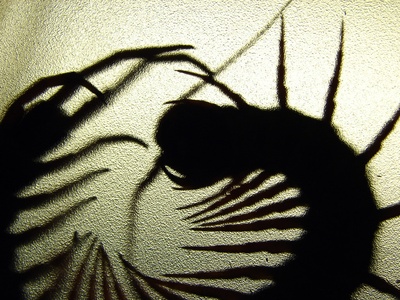
| Asian giant centipede | Scolopendra subspinipes | Tropical forests across South and SE Asia | 20–30 cm / 0.05–0.2 kg |
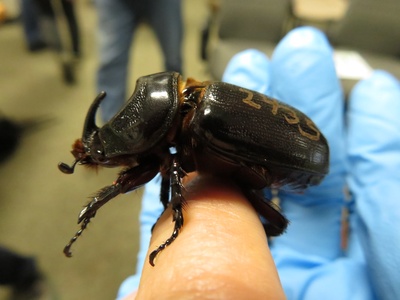
| Giant rhinoceros beetle | Xylotrupes gideon | Southeast Asian rainforests and plantations | 40–70 mm / 0.02–0.08 kg |
| Phobaeticus stick insect | Phobaeticus chani | Bornean lowland rainforests | Body length up to 56 cm including legs / 0.06–0.12 kg |
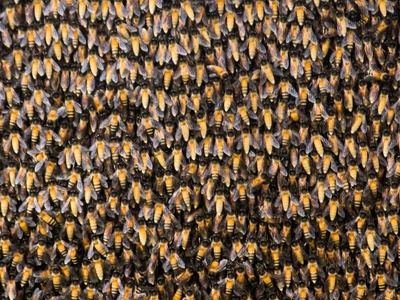
| Giant honey bee | Apis dorsata | Forest edges and clearings across South and SE Asia | Body 1–2 cm wingspan ~40–60 mm / 0.001–0.002 kg |
| Southeast Asian firefly (Pteroptyx spp.) | Pteroptyx spp. | Mangrove-adjacent and lowland rainforests of SE Asia | Body 6–15 mm / <0.001 kg |
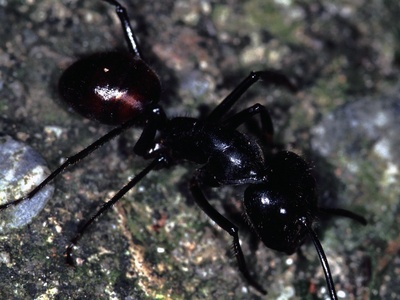
| Giant forest ant | Camponotus gigas | Borneo and Southeast Asian rainforests | Worker 20–30 mm / <0.001 kg |
Images and Descriptions
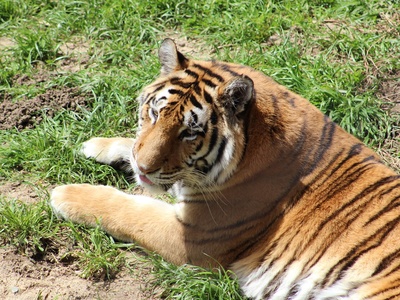
Tiger
Powerful ambush predator of dense lowland and hill rainforests that hunts deer and wild pigs. Famous striped coat aids camouflage; populations fragmented by poaching and habitat loss. Species listed Endangered (IUCN).
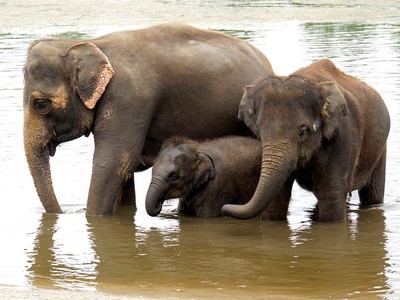
Asian elephant
Social, forest-dwelling herbivore that grazes and browses on leaves, bark and fruit. Key seed disperser in rainforests; often conflicts with people. Species is Endangered (IUCN).
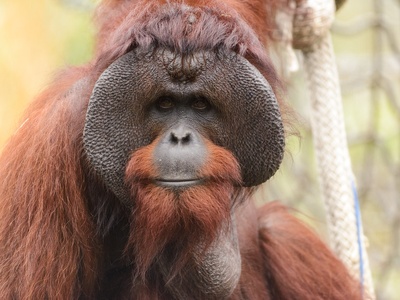
Bornean orangutan
Arboreal great ape feeding on fruit, leaves and insects in canopy. Builds sleeping nests nightly; severely threatened by deforestation and illegal trade. Critically Endangered (IUCN).
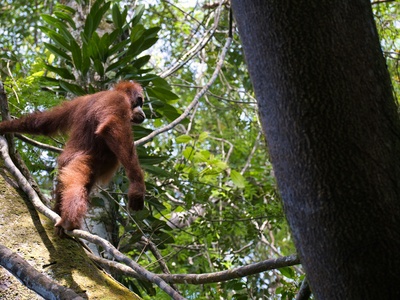
Sumatran orangutan
Smaller, highly arboreal ape that favors lowland and peat swamp forests, eating fruit and insects. Populations are tiny due to habitat loss; Critically Endangered (IUCN).
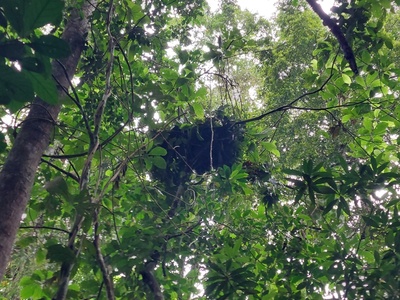
Tapanuli orangutan
Recently described, extremely rare orangutan with unique genetics, lives in fragmented rainforest. Small population under severe threat from development and hunting; Critically Endangered (IUCN).
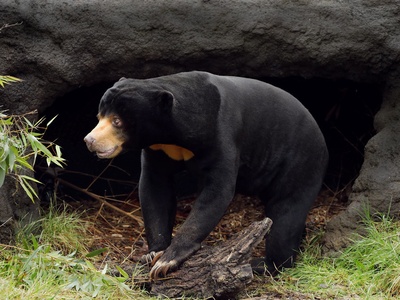
Sun bear
Smallest bear species, arboreal and omnivorous; eats honey, insects and fruit using long tongue. Known as “honey bear”; heavily hunted and losing forest habitat. Vulnerable (IUCN).
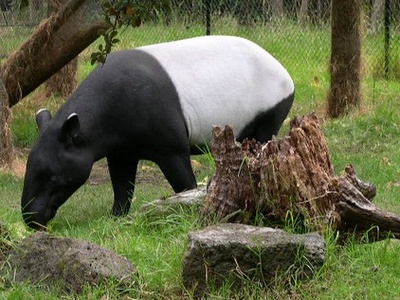
Malayan tapir
Shy nocturnal browser of forest understory with distinctive black-and-white pattern. Eats leaves and fruit; habitat loss and hunting threaten populations. Endangered (IUCN).
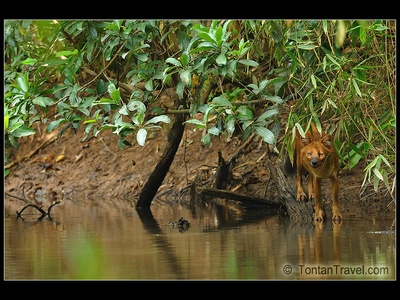
Dhole
Pack-hunting wild dog that preys on deer and wild boar in dense forests. Highly social with coordinated chases; populations declined from disease and habitat fragmentation. Endangered (IUCN).
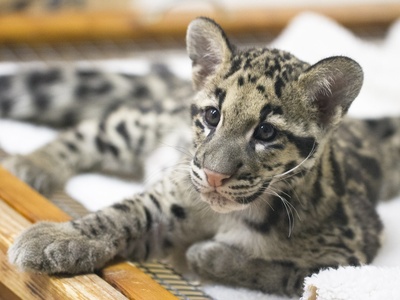
Clouded leopard
Elusive arboreal cat with long tail and striking cloud-like spots; excellent climber that hunts birds and small mammals. Vulnerable due to deforestation and poaching (IUCN).
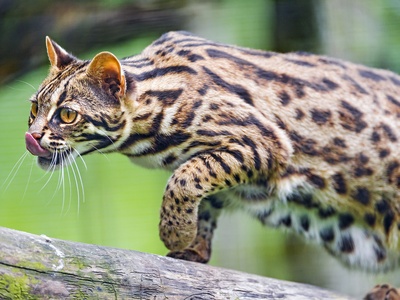
Leopard cat
Small nocturnal felid that feeds on rodents, birds and frogs in forest understory. Frequently seen near human areas; adaptable and listed Least Concern (IUCN).
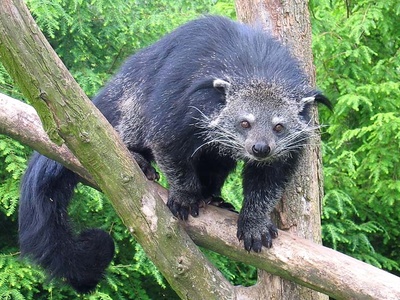
Binturong
Arboreal civet-like mammal known as “bearcat,” smells like popcorn due to unique scent glands. Primarily frugivorous and important seed disperser; Vulnerable (IUCN).
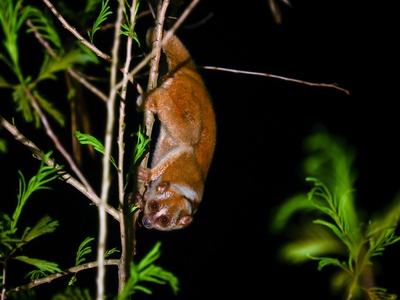
Sunda slow loris
Nocturnal primate with slow climbing, eats fruit and insects, has toxic bite from brachial gland secretion. Threatened by pet trade and habitat loss; Vulnerable (IUCN).
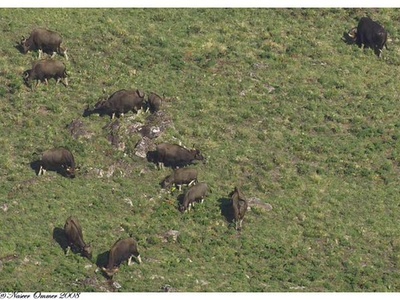
Gaur
Massive wild cattle grazing forest clearings and edges; forms herds and shapes forest vegetation. Hunted historically, populations reduced; Vulnerable (IUCN).
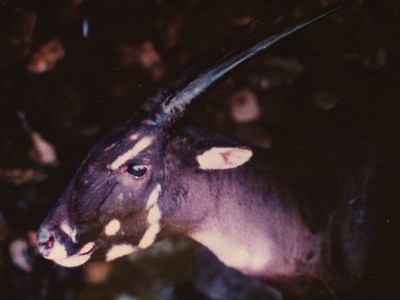
Saola
Extremely rare, forest-dwelling bovine discovered in 1992, almost never seen; threatened by snaring and habitat loss. Critically Endangered (IUCN).
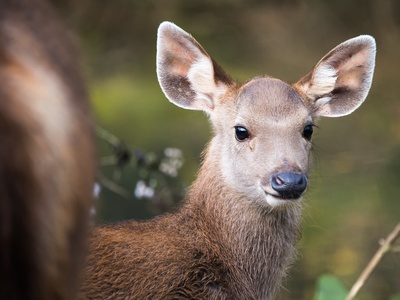
Sambar deer
Large deer browsing forest vegetation, active at dawn and dusk. Important prey for large predators; overhunting and habitat loss have reduced numbers. Vulnerable (IUCN).

Sunda pangolin
Nocturnal, ant- and termite-eating mammal armored with scales; heavily poached for scales and meat. Populations collapsed across range. Critically Endangered (IUCN).
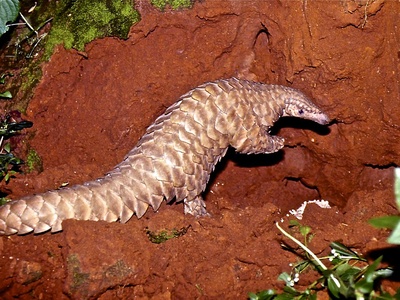
Indian pangolin
Solitary ant-eating mammal that digs for prey; scaly armor and curling defense. Faces severe poaching pressure; listed Endangered (IUCN).
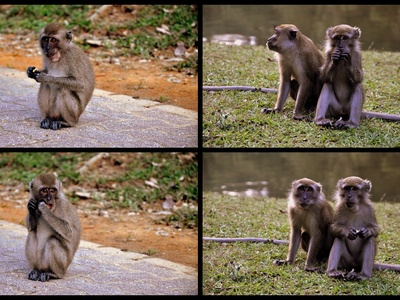
Long-tailed macaque
Highly adaptable monkey often seen in forest edges and riversides, omnivorous and social. Common in many rainforest areas; listed Least Concern (IUCN).
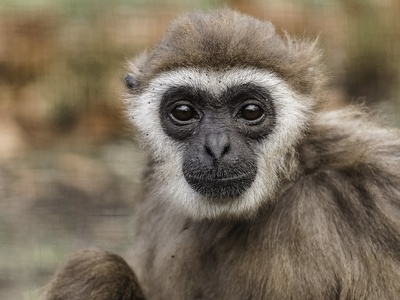
Lar gibbon
Small brachiating ape that sings duets, lives in monogamous family groups and feeds on fruit and leaves. Sensitive to habitat fragmentation; Endangered (IUCN).
Siamang
Largest gibbon with throat sac used for loud calls; territorial and frugivorous in canopy. Threatened by logging and hunting; Endangered (IUCN).
Great hornbill
Large canopy bird with casque-topped bill, eats fruit and small animals, nests in tree cavities. Iconic seed disperser; Vulnerable due to hunting and logging (IUCN).
Helmeted hornbill
Striking black-and-white hornbill with solid casque used in aerial “head-butting” displays; hunted for valuable ivory-like casque. Critically Endangered (IUCN).
Oriental pied hornbill
Medium-sized fruit-eating hornbill that nests in cavities, common in riverine and secondary forest. Important seed disperser and listed Least Concern (IUCN).
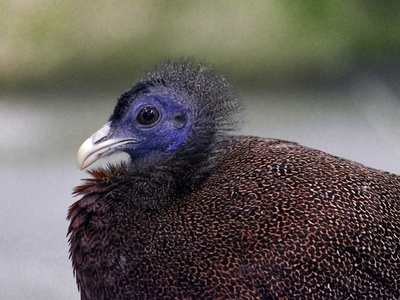
Great argus
Large forest pheasant whose males display enormous patterned wing “eyes” for courtship on forest floor. Secretive, ground-dwelling bird; Near Threatened (IUCN).
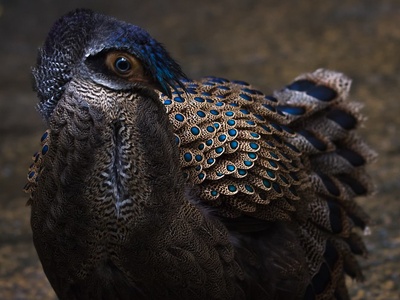
Malayan peacock-pheasant
Elusive ground bird with iridescent eye-spotted plumage, prefers dense understory and eats seeds, insects and fruit. Sensitive to habitat loss; Near Threatened (IUCN).
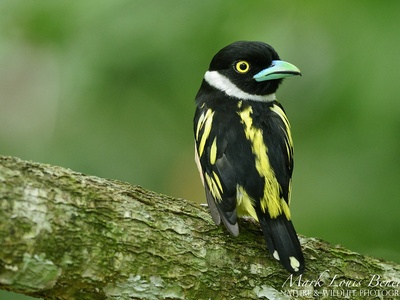
Black-and-yellow broadbill
Vivid, stout-billed canopy bird that gleans insects and fruit from foliage, often in mixed flocks. Common locally and listed Least Concern (IUCN).
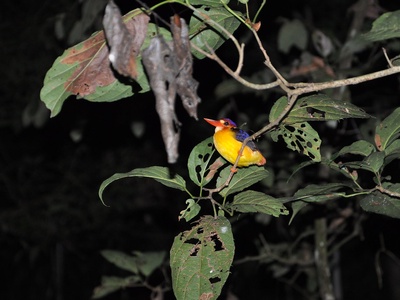
Oriental dwarf kingfisher
Tiny, vividly colored kingfisher that hunts small fish and insects in forest streams. Prefers shaded waterways in primary forest; Least Concern (IUCN).
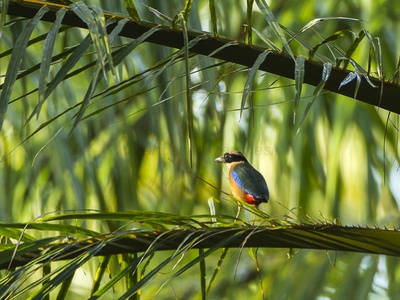
Blue-winged pitta
Colorful forest-floor bird that feeds on insects and earthworms, often heard before seen. Breeds in dense understory; listed Least Concern (IUCN).
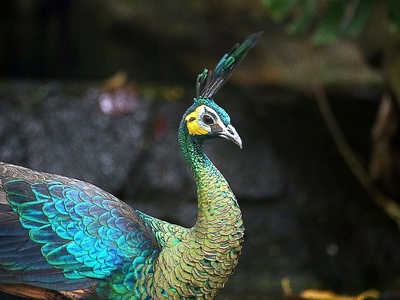
Green peafowl
Forest-dwelling peafowl with glossy green plumage; males display long trains in open glades. Declining from hunting and habitat loss; Endangered (IUCN).
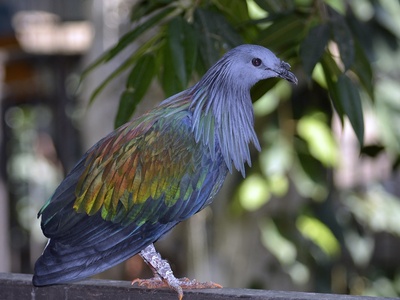
Nicobar pigeon
Colorful island pigeon that forages in forest floors and roosts on coastal trees; ancestor of the dodo. Vulnerable to hunting and habitat change (IUCN).
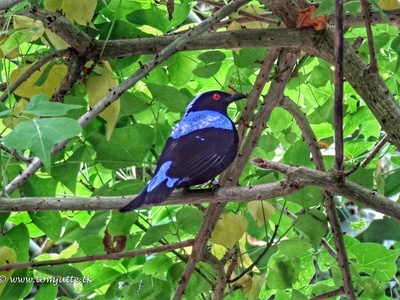
Asian fairy-bluebird
Glossy blue and black canopy frugivore, often seen in pairs or small groups. Eats fruit and helps seed dispersal; listed Least Concern (IUCN).
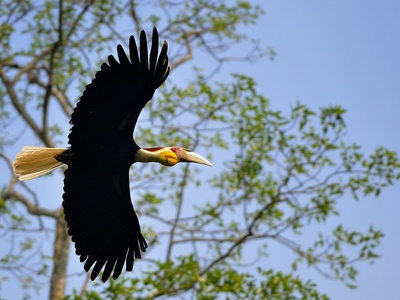
Wreathed hornbill
Large frugivorous hornbill with long tail and impressive casque; nests in tree cavities and carries fruit to feed family. Near Threatened due to logging (IUCN).
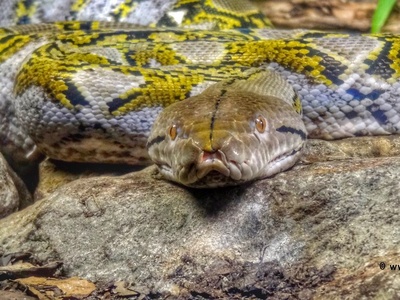
Reticulated python
Large constrictor that ambushes mammals near water and forest edges; one of the world’s longest snakes. Often hunts pigs and deer; Least Concern (IUCN).
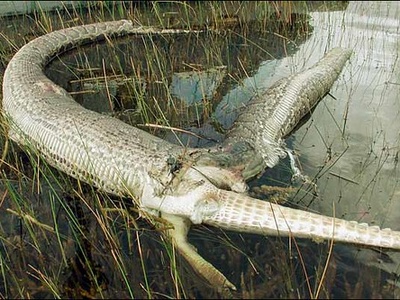
Burmese python
Heavy-bodied constrictor that hides in dense forest and along waterways, swallowing large prey whole. Popular in trade; large populations declining locally. Near Threatened (IUCN).
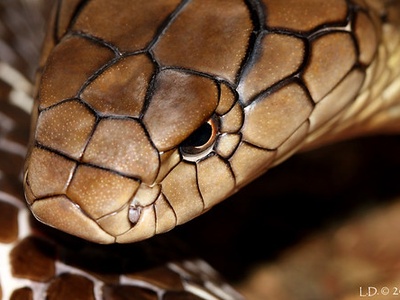
King cobra
World’s longest venomous snake that specializes on other snakes, can “stand up” and deliver potent venom. Revered and feared; Vulnerable (IUCN).
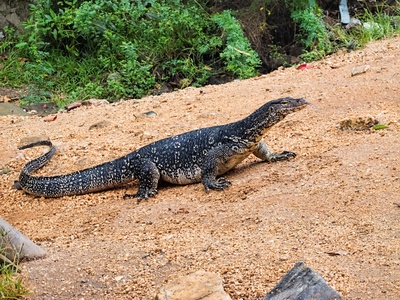
Asian water monitor
Large, semi-aquatic lizard that scavenges and hunts in riverside rainforests, eats fish, birds and carrion. Adaptable and common; Least Concern (IUCN).
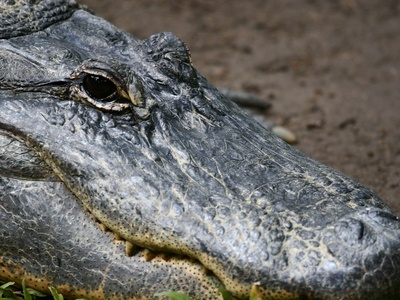
Saltwater crocodile
Largest living crocodylian, inhabits freshwater and brackish habitats near rainforests, ambush predator of fish and mammals. Conservation recovering regionally; Least Concern (IUCN).
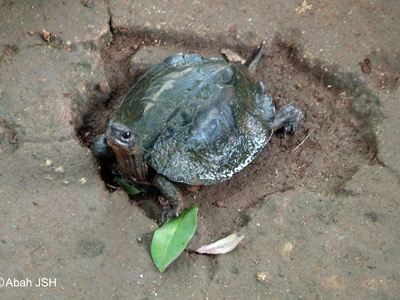
Asian leaf turtle
Freshwater turtle often found in shaded streams and forest pools, omnivorous on plants and invertebrates. Prefers leaf-littered waterways; listed Least Concern (IUCN).
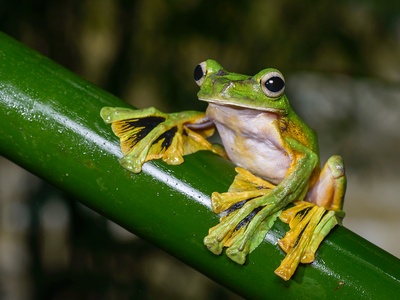
Wallace’s flying frog
Large tree frog with webbed feet that glides between trees, eats insects, breeds in forest pools. Famous for parachuting behavior; Least Concern (IUCN).
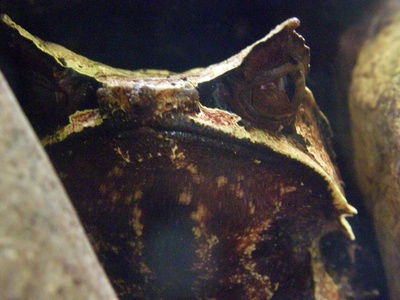
Asian horned frog
Cryptic, leaf-shaped frog that ambushes insects on the forest floor. Excellent camouflage and unique tadpole development; listed Least Concern (IUCN).
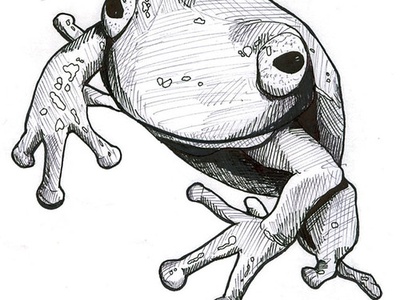
Purple frog
Fossil-like, burrowing frog emerging briefly to breed during monsoons; feeds on termites underground. Highly specialized and Endangered (IUCN).
Javan flying tree frog
Arboreal “flying” frog using webbed toes to glide between trees, feeds on insects in canopy pools. Adapted to primary and secondary forest; Least Concern (IUCN).
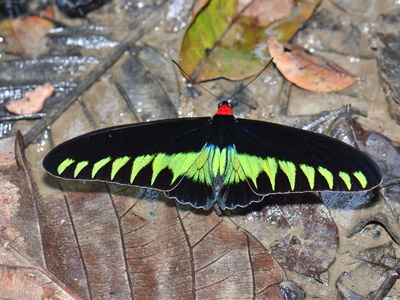
Rajah Brooke’s birdwing
Striking large butterfly whose larvae feed on Aristolochia vines; named after Sir Brooke. Habitat loss and collection pressure threaten populations; Near Threatened (IUCN).
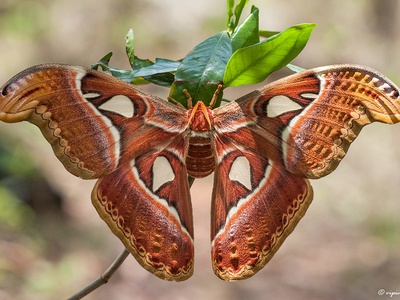
Atlas moth
One of the world’s largest moths with dramatic patterned wings, adults do not feed and live briefly to reproduce. Common in forests and disturbed habitats; Not Evaluated globally.
Asian giant centipede
Large nocturnal predator that hunts insects and small vertebrates on forest floor; delivers painful venomous bite. Common in humid rainforest leaf litter; Not Evaluated (IUCN).
Giant rhinoceros beetle
Robust beetle with male horns used in fights for mates; larvae develop in rotting wood. Common in forested areas; listed Least Concern regionally.
Phobaeticus stick insect
One of the longest insects in the world, masters of camouflage on forest vegetation; slow-moving herbivore. Popular with collectors; Not Evaluated (IUCN).
Giant honey bee
Large open-air nesting honey bee that forms massive colonies on cliffs and forest trees, important pollinator and honey producer. Not Evaluated (IUCN).
Southeast Asian firefly (Pteroptyx spp.)
Synchronous flashing beetles that perform magical light displays along forest streams and riverbanks in evening. Sensitive to habitat change and water pollution; many species Not Evaluated.
Giant forest ant
Very large carpenter ant that forages arboreally and on forest floor, nests in wood and tree cavities. Ecologically important decomposer and predator; Not Evaluated (IUCN).