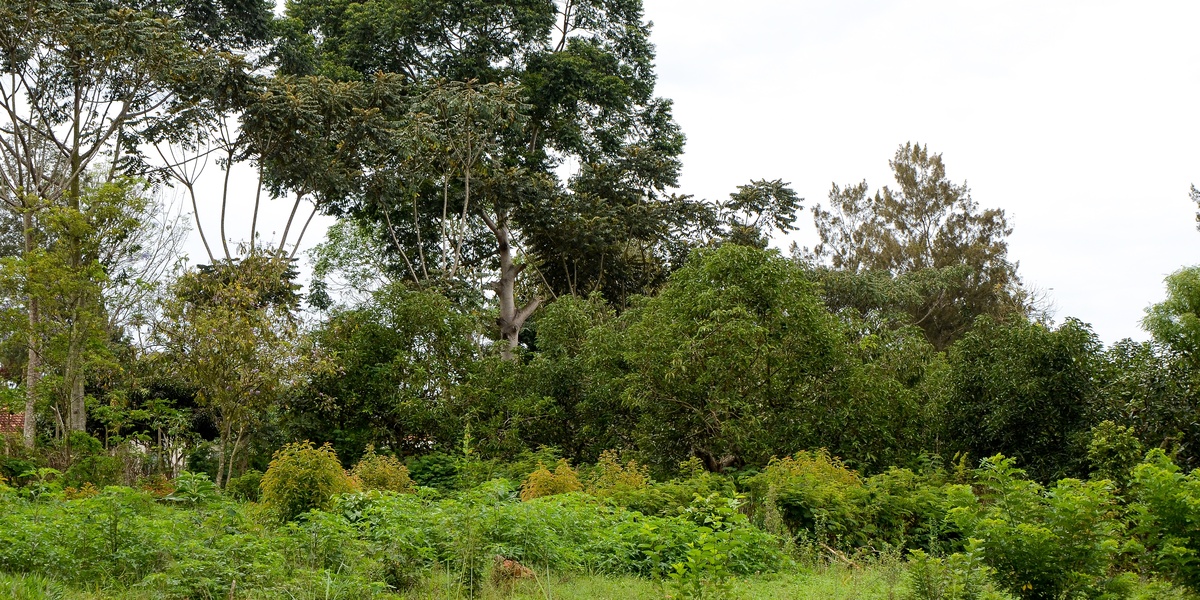
For thousands of years farmers in West Africa, Southeast Asia and Central America have mixed trees with crops and livestock — a practice that predates modern agriculture and is now being revived to tackle 21st-century challenges.
But modern farming has often stripped farms of trees, increasing erosion, reducing biodiversity and leaving fields vulnerable to drought and market shocks. The eight benefits below explain how integrating trees with crops and livestock restores ecological function, strengthens household incomes and helps landscapes adapt to climate extremes (FAO; ICRAF).
Agroforestry combines trees with crops and/or livestock to deliver environmental, economic and social benefits; understanding its top eight advantages shows why it belongs in modern sustainable farming. The structure below groups those benefits into four categories — environmental, economic, social/food-security, and climate & ecosystem services — with two practical examples in each.
Environmental benefits
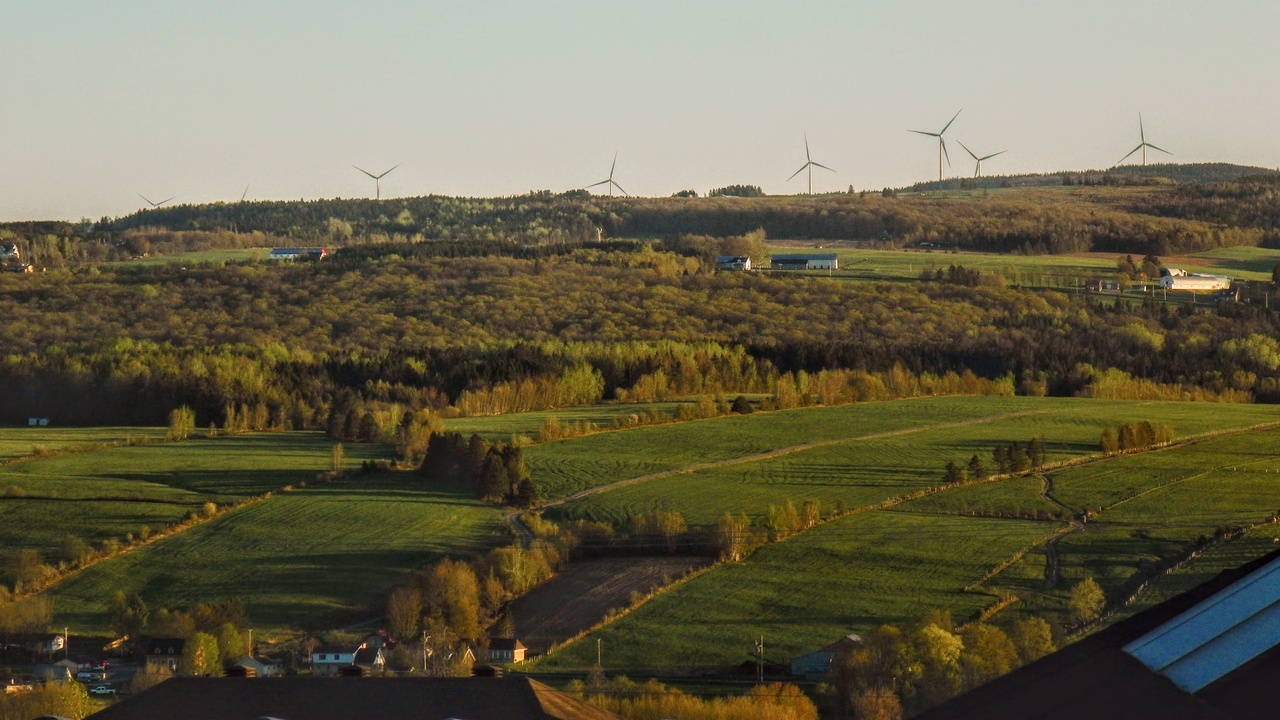
Adding trees to farms restores ecological processes that monocultures often lose: improved habitat structure, leaf litter that feeds soil life, and roots that bind slopes. The next two benefits show how tree-based farming supports biodiversity and stabilizes soils, with examples from taungya and alley-cropping systems (ICRAF; FAO).
1. Boosts biodiversity and habitat connectivity
Tree cover on farms creates vertical structure and food resources that support birds, insects and other wildlife. Meta-analyses and regional studies often report 20–60% higher species richness in agroforestry plots compared with simple monocultures, which in turn supports pollination and natural pest control (ICRAF; peer-reviewed studies).
Practical examples include shade-grown coffee in Central America that provides stopover habitat for migratory birds, cocoa systems in Ghana and Togo that sustain insect diversity, and smallholder farms in West Africa where native trees reconnect fragmented habitats. Those ecological gains translate into crop benefits — more pollinators and more predators of common pests.
2. Improves soil health and reduces erosion
Tree roots, leaf litter and shade build soil organic matter, slow surface runoff and help soils retain moisture. Case studies repeatedly show measurable increases in soil organic carbon and lower topsoil loss after trees are introduced, often within 5–10 years (FAO; ICRAF).
On sloped land, contour agroforestry terraces or windbreaks — such as taungya and alley cropping with Gliricidia or Leucaena — can dramatically reduce erosion and improve infiltration. That means less loss of fertile topsoil, fewer inputs over time and better resilience during heavy rains.
Economic benefits
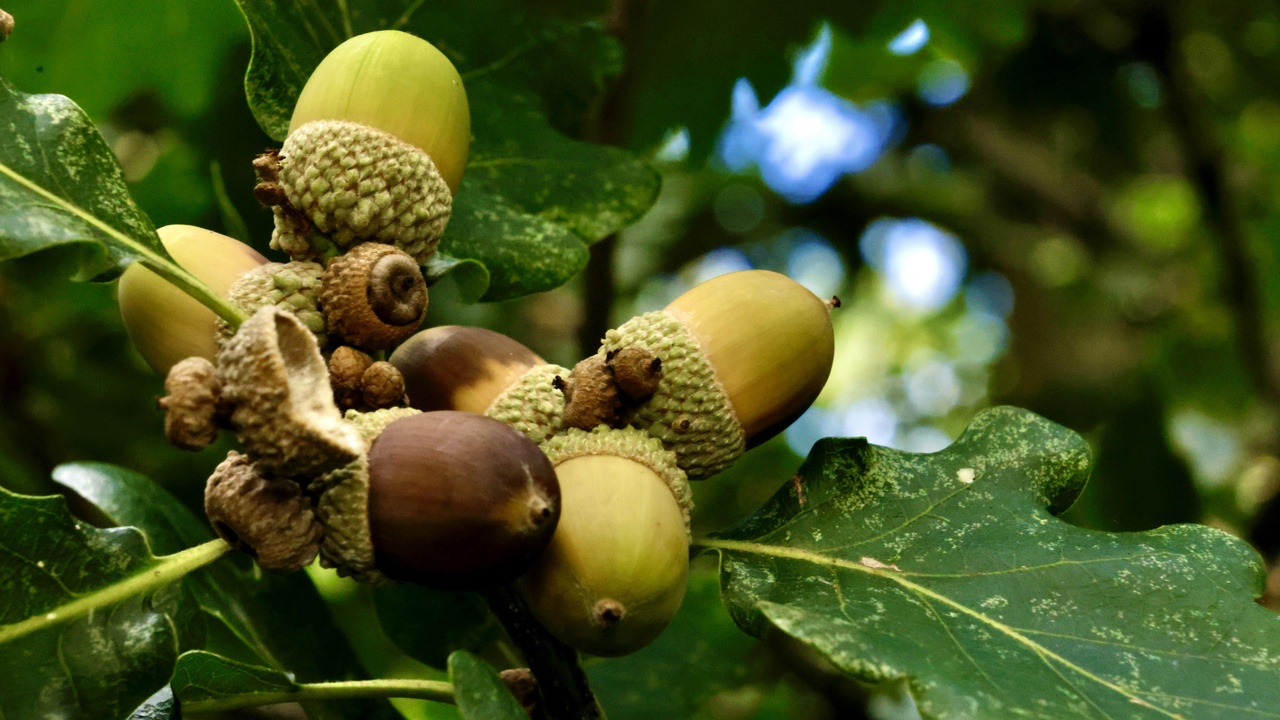
Tree-based farming broadens what a farm can sell and smooths income ups and downs. Diversified products and longer-term yields reduce financial risk for households, though gains depend on market access and supportive policies. Among the benefits of agroforestry are clearer pathways to new revenue from timber, fruit and non-timber goods (FAO; ICRAF).
3. Diversifies income streams and products
Trees produce fruit, nuts, timber, fuelwood and medicinal products that can be sold or consumed at home. In many smallholder regions, tree products account for a meaningful share of household income — studies report figures ranging roughly from 10–30% of cash income in some communities (FAO/ICRAF reports).
Real-world examples: Kenyan farmers interplant mango or avocado with maize and sell surplus fruit, and beekeeping along tree corridors generates honey that supports value-added goods like jams and蜜; community processors can increase margins further.
4. Increases long-term productivity and reduces input costs
Nitrogen-fixing and nutrient-retaining trees such as Faidherbia albida can lower fertilizer needs and sustain crop yields over many seasons. Alley-cropping trials have shown crop-yield increases in the range of about 10–40% in some research plots, alongside lower annual input bills (research trials documented by ICRAF/FAO).
For farmers this means more stable returns, especially in years of poor rainfall, and reduced dependence on purchased inputs. Examples include Faidherbia-maize systems in southern Africa and alley-cropping demonstrations that improved maize productivity while cutting fertilizer use.
Social and food-security benefits
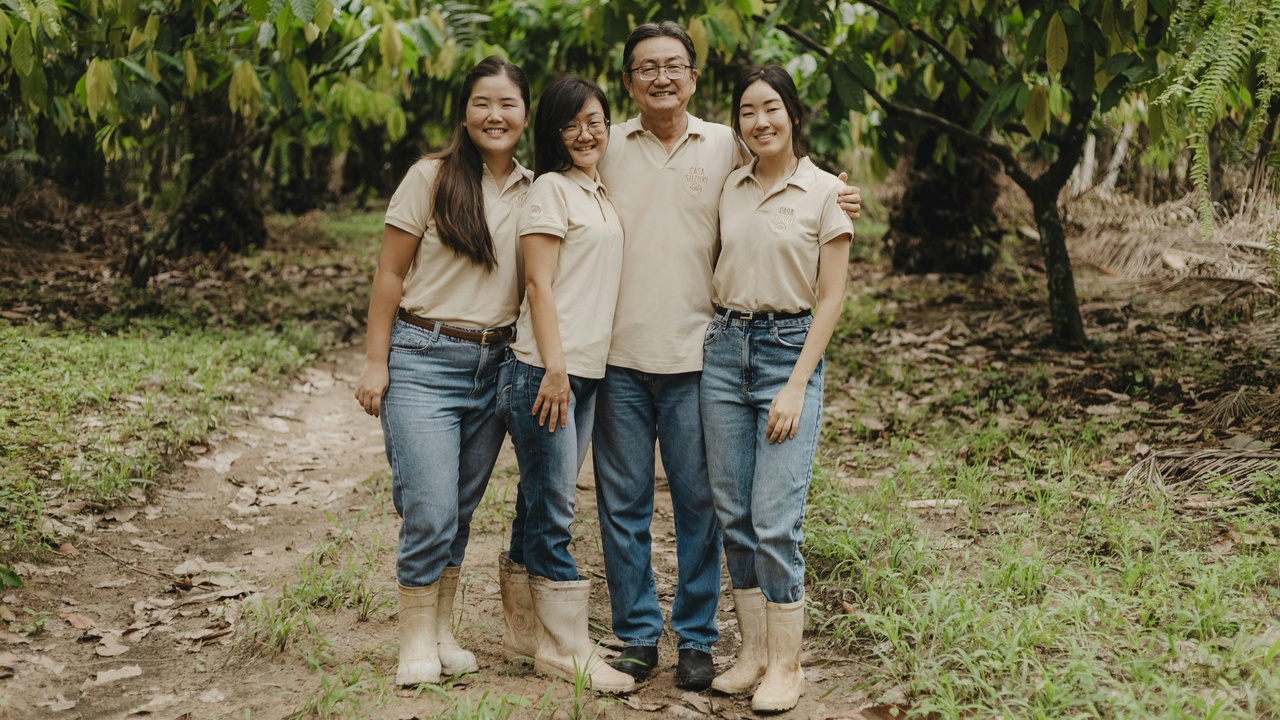
Trees on farms supply nutritious foods, create local jobs and support community coping strategies. Home gardens, women-run nurseries and cooperatives link agroforestry to better diets and livelihoods; several household-level studies quantify those gains in dietary diversity and extra income (FAO; ICRAF).
5. Enhances food security and nutrition
Trees supply fruits, leaves and nuts that fill micronutrient gaps year-round. Home garden and garden-agroforestry studies report measurable increases in dietary diversity and seasonal calorie buffers — in some case studies tree foods supply 5–20% of household calories during lean months (regional FAO/ICRAF data).
Examples include moringa and vegetable trees improving child nutrition in parts of South Asia, and banana–cocoa intercropping that spreads harvests through the year, reducing reliance on a single staple crop.
6. Strengthens livelihoods and community resilience
Agroforestry creates work in nursery management, planting, pruning, processing and marketing. Case studies show a sizable share of households earning additional income from tree-related activities and extra labor days generated by planting and harvest cycles (local project reports).
Social benefits are tangible: women-led tree nurseries and agroforestry cooperatives in Latin America and Africa improve incomes and decision-making, and community woodlots reduce the need to migrate for work by providing local opportunities.
Climate resilience and ecosystem services
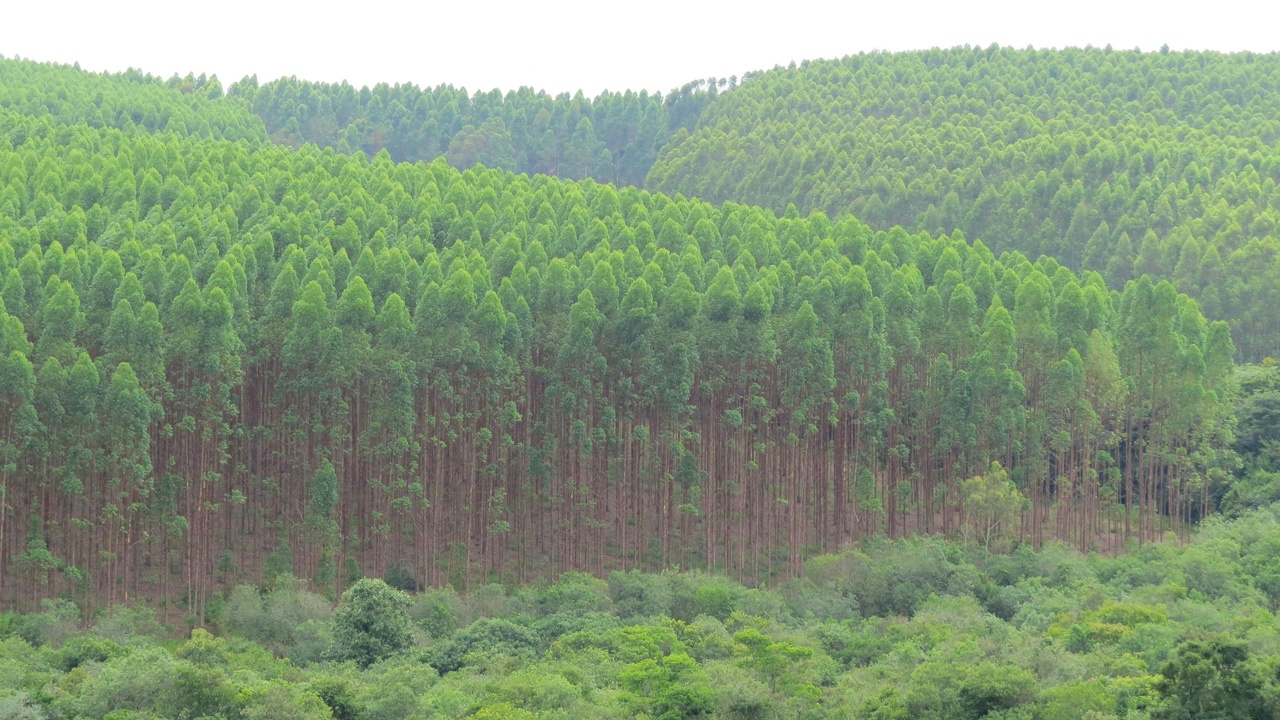
Trees on farms store carbon, cool fields and moderate water flows, making agricultural landscapes more resilient to droughts and intense storms. The two benefits below show how agroforestry contributes to mitigation and local climate buffering, and how these services are being linked to national and market programs (ICRAF; FAO).
7. Sequesters carbon and aids climate mitigation
Trees in agroforestry systems store carbon above- and belowground, and many reviews estimate sequestration potentials commonly in the order of about 1–6 t C/ha/yr depending on species, management and climate (ICRAF/FAO and peer-reviewed syntheses).
That storage makes agroforestry a practical option for countries seeking low-cost mitigation: silvopasture, homegardens and other tree-based systems are being included in some national NDCs and pilot carbon finance projects, providing pathways for payments for ecosystem services.
8. Regulates water, reduces flood risk and moderates microclimates
Trees intercept rainfall, increase infiltration and reduce peak runoff, cutting sediment delivery to rivers and lowering flash-flood risk. Field studies often report reductions in runoff and sediment loss of 20–60% where riparian strips or contour tree plantings are established (regional research).
At the farm scale, shade and windbreaks lower daytime temperatures and evaporation, helping crops survive heat spells and dry periods. Examples include riparian buffers that improve water quality and contour tree belts on slopes that reduce downstream flood peaks.
Summary
- Agroforestry improves biodiversity, soil health and water regulation while diversifying farmer incomes and strengthening food security.
- Tree-based systems can sequester significant carbon and are increasingly part of landscape restoration and national mitigation strategies.
- Start small: trial a single alley crop, plant a windbreak or establish a home garden to test local species and management.
- Look for practical guidance from FAO and World Agroforestry (ICRAF), and consider linking tree products to local markets or cooperative models for better returns.