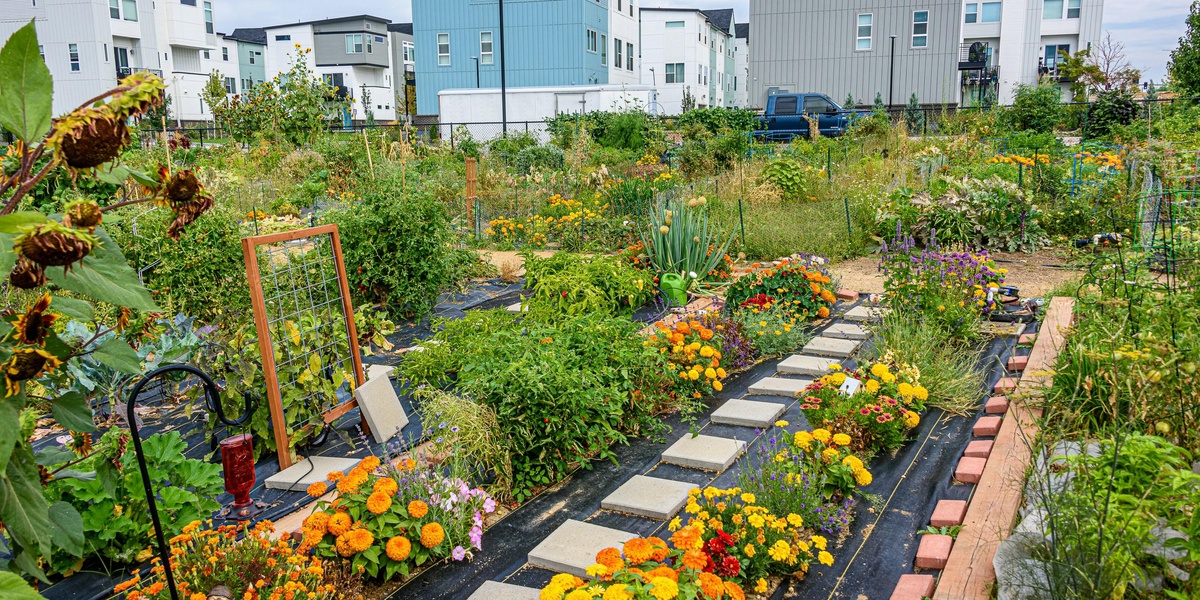
The Victory Garden movement of World War II showed how quickly neighborhood plots could multiply when people needed food, community, and purpose. Decades later, community gardens have reappeared as tools in economic downturns and urban-revitalization projects, turning vacant lots and rooftops into productive, social places.
They address common urban problems—limited fresh food access, social isolation, summer heat, and stormwater runoff—while remaining local and scalable. The benefits of community gardens are measurable across social, health, environmental, and economic dimensions.
Below are ten specific advantages grouped into four categories, with concrete examples and practical ideas for neighborhoods that want to start, join, or support a plot of their own.
Social and Community Benefits

Shared green space becomes a civic living room: people meet, trade skills, and build trust while they plant and harvest. Regular group activities—workdays, seed swaps, potlucks, and governance meetings—create routine contact that strengthens neighborhood networks and local capacity.
Organizations like the American Community Gardening Association document how gardens serve as organizing platforms for volunteerism, local advocacy, and mutual aid. Programs such as GrowNYC and the Detroit Black Community Food Security Network show how city-scale coordination multiplies local impact.
1. Community cohesion and social capital
Community gardens act as social hubs where neighbors meet, collaborate, and form trusting relationships. Regular group activities—monthly workdays, potluck dinners, and governance committees—turn casual acquaintances into networks of support.
Garden members often log substantial volunteer hours each season; collective labor and shared responsibilities create a sense of ownership and stewardship that extends beyond the fence. Some sites also run mentoring programs and summer classes that pair experienced growers with new gardeners.
2. Increased food security and local access to fresh produce
Plots expand access to affordable fruits, vegetables, and herbs, helping households stretch grocery budgets and improving local food resilience. Many gardens dedicate surplus harvests to food pantries or run sliding-scale CSA boxes that keep fresh produce circulating in the neighborhood.
City programs often quantify yields: municipal garden programs and non-profits report hundreds to thousands of pounds of donated produce per site per season, while community-run markets let members sell or trade excess at low cost. These models reduce reliance on processed foods in areas with limited retail options.
3. Safer streets and reduced crime through active public spaces
Active, cared-for spaces discourage vandalism and petty crime by increasing legitimate use and informal surveillance. When neighbors tend plots, install lighting, and schedule regular activities, the area feels watched and well-kept.
Greening pilots in several cities have tracked modest reductions in neighborhood-level crime after vacant-lot conversions, and youth apprenticeship programs tied to gardens give young people constructive work that reduces idle time. The result: cleaner public space and improved perceptions of safety.
Health and Well‑Being Benefits

Gardens support both physical and mental health through regular activity, greater access to fresh food, and social contact. Simple tasks—digging, weeding, hauling compost—add up to meaningful, low-cost exercise for all ages.
Public-health bodies and academic studies link garden participation to improved diet quality, reduced stress, and stronger social support networks, especially when programs combine growing with cooking lessons or therapeutic activities.
4. Physical activity and improved fitness
Routine gardening qualifies as moderate-intensity exercise: planting, hoeing, and carrying compost all raise heart rate and build strength. A typical session can burn roughly 200–300 calories per hour depending on the task and the gardener.
That makes community gardens an accessible way for people without private yards to get outdoors and meet weekly activity goals. Senior gardening clubs and scheduled volunteer shifts create predictable opportunities for movement and mobility maintenance.
5. Mental health, stress reduction, and social support
Time outdoors and purposeful work reduce stress and improve mood; gardeners often report greater calm and a stronger sense of meaning from tending plants. Green space exposure is associated with lower anxiety and depression scores in multiple studies.
Therapeutic-horticulture programs, veteran gardens, and social-prescribing pilots use plots as part of counseling and recovery plans. The combination of nature, routine, and supportive peers makes gardens effective low-cost mental-health resources.
6. Better nutrition and dietary diversity
Growing vegetables and herbs increases availability and familiarity with fresh foods, which often translates into greater consumption. Children who help plant and harvest are more likely to try new vegetables.
Many projects pair plots with cooking demonstrations, recipe exchanges, and school programs so harvests become meals. School gardens that feed cafeteria programs or community kitchens help turn surplus into nutritious, culturally appropriate dishes.
Environmental and Ecological Benefits
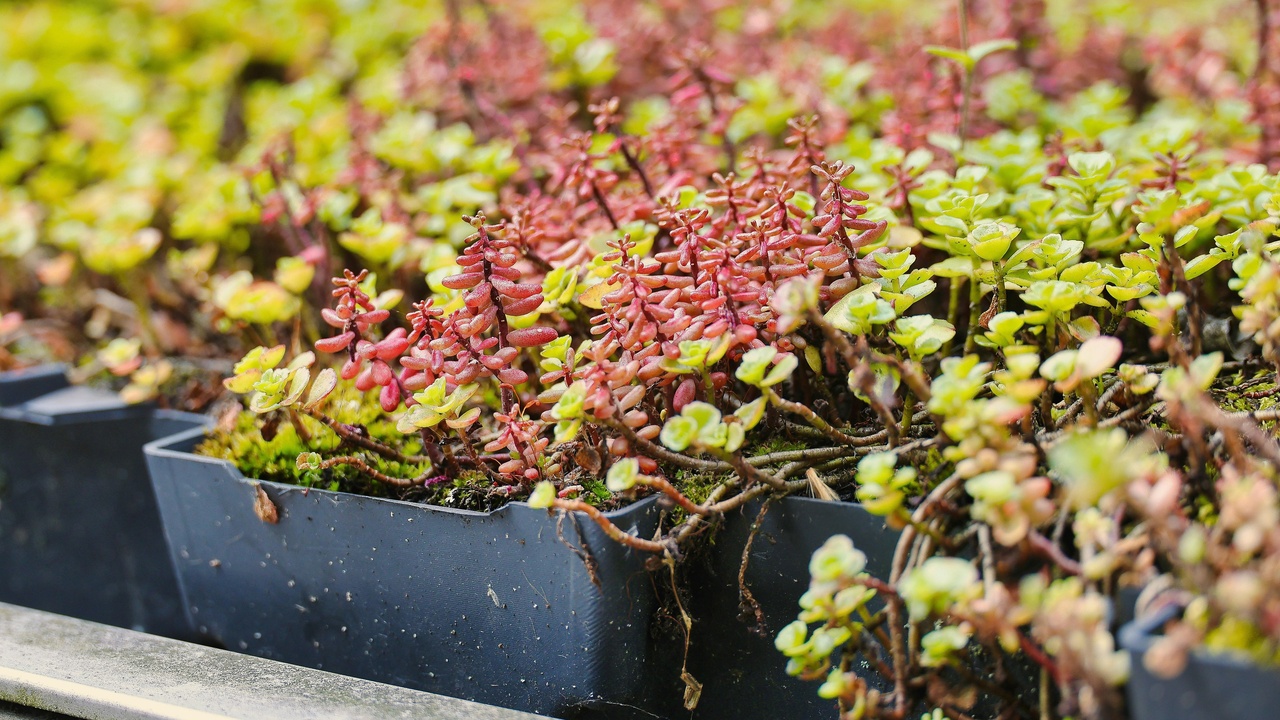
Converting vacant lots, rooftops, and underused rights-of-way into planted space provides tangible ecosystem services: habitat for wildlife, stormwater capture, and local cooling. Municipal climate and sustainability plans increasingly include small-scale urban agriculture for those reasons.
Gardens that use native plants, composting, and permeable beds amplify those benefits while serving as outdoor classrooms for ecology and conservation.
7. Urban biodiversity and pollinator support
Community gardens create pockets of habitat for bees, butterflies, birds, and beneficial insects, increasing local species richness. Native-plant beds and pollinator-friendly plantings provide nectar and nesting sites in otherwise concrete-dominated neighborhoods.
Volunteer-led insect surveys, plant exchanges focused on natives, and signage about local species help gardeners and visitors learn how small patches can form pollinator corridors across a city.
8. Stormwater management, soil health, and urban cooling
Permeable beds, rain gardens, and bioswales slow and absorb stormwater, reducing runoff into combined sewers. Compost-amended soils retain more water and support healthier plants, which in turn cool the surrounding air through shade and evapotranspiration.
Cities that pilot rain-garden retrofits or support compost programs report measurable reductions in runoff and localized temperature drops near green corridors, especially during summer heat waves.
Economic and Educational Benefits

Beyond health and ecology, gardens deliver economic value through grocery savings, small-scale sales, and job-training. They also function as hands-on classrooms for agriculture, entrepreneurship, and STEM learning.
Municipal and non-profit evaluations often place a conservative dollar value on a productive plot, while apprenticeship programs and extension partnerships translate garden skills into employment pathways.
9. Local economic value and cost savings
Households that tend a productive plot can save on grocery bills, and surplus harvests can be monetized through farmers markets or CSAs. Evaluations suggest a single plot’s annual value can range widely—commonly cited estimates run from about $500 to $2,000 per plot per year depending on intensity and crops.
Gardens also create municipal savings by turning vacant lots into maintained assets, reducing blight, and supplying food banks with donated produce. Social-enterprise models—greenhouses or value-added preserves—add revenue streams for non-profits.
10. Education, skills training, and workforce development
Community gardens are living classrooms where people learn horticulture, food-systems basics, and small-business skills. School garden curricula support STEM lessons and nutrition education, while apprenticeships teach propagation, pest management, and farm-marketing.
Partnerships with extension services, universities, and non-profits often lead to certifications, job placements, or pathways into green jobs, making plots a bridge from curiosity to paid work.
Summary
- Small patches of planted land produce multi-dimensional returns: stronger social ties, better diets, improved local ecology, and measurable economic value.
- Community gardening builds neighborhood resilience at relatively low cost by converting vacant spaces into productive, cared-for assets that reduce heat and runoff while supporting pollinators.
- Individual and collective action both matter: volunteer a few hours, join a plot, or support local programs—partners include schools, food banks, parks departments, and extension services.
- The benefits of community gardens are practical and scalable: find a local garden through the American Community Gardening Association, contact your city’s parks or urban-ag office, or show up for a volunteer day to get started.