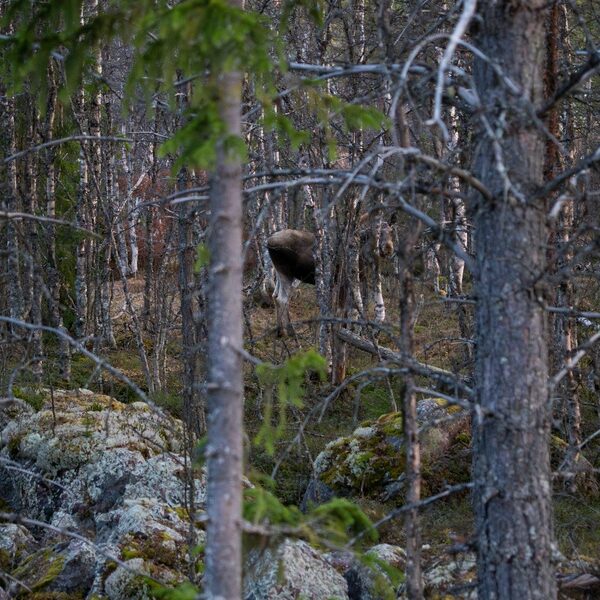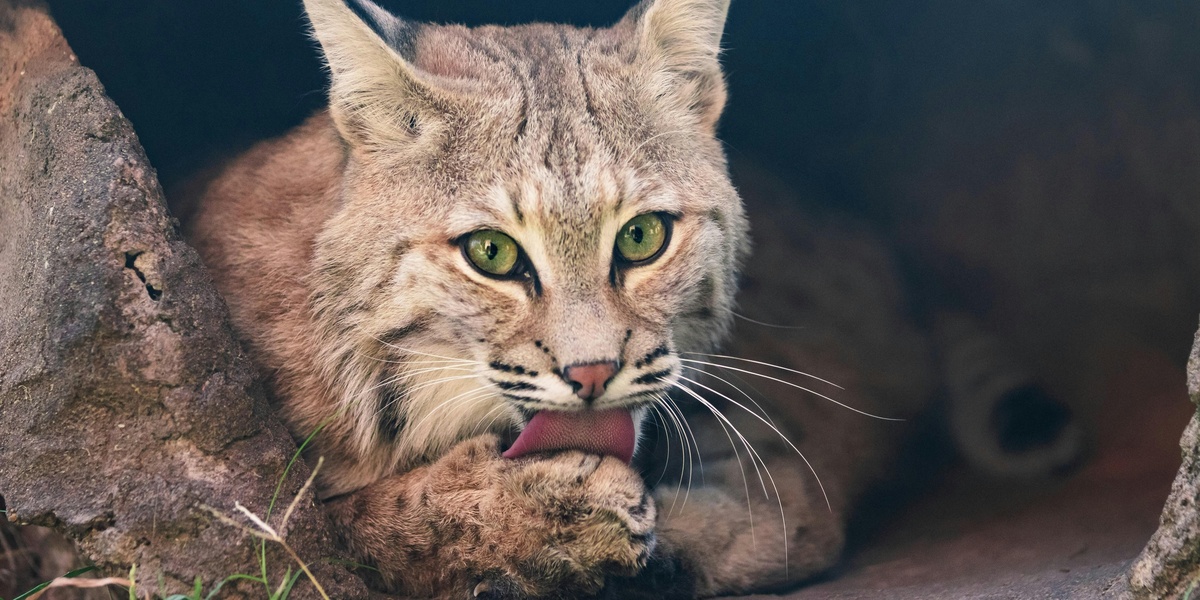
Bobcats can reach speeds up to 30 miles per hour and weigh as little as 8 pounds or as much as 30 pounds—a surprising range for a predator found across most of North America. Short, powerful, and often unseen, these wildcats (Lynx rufus) play a quiet but important role in many ecosystems.
For naturalists, land managers, and curious backyard observers, knowing the characteristics of a bobcat helps with identification, informed management, and safer coexistence. Below are ten clear, observable traits organized into three categories—physical traits, behavior and ecology, and habitat/conservation—that explain how this adaptable wildcat thrives across deserts, forests, and suburban edges.
Physical Traits
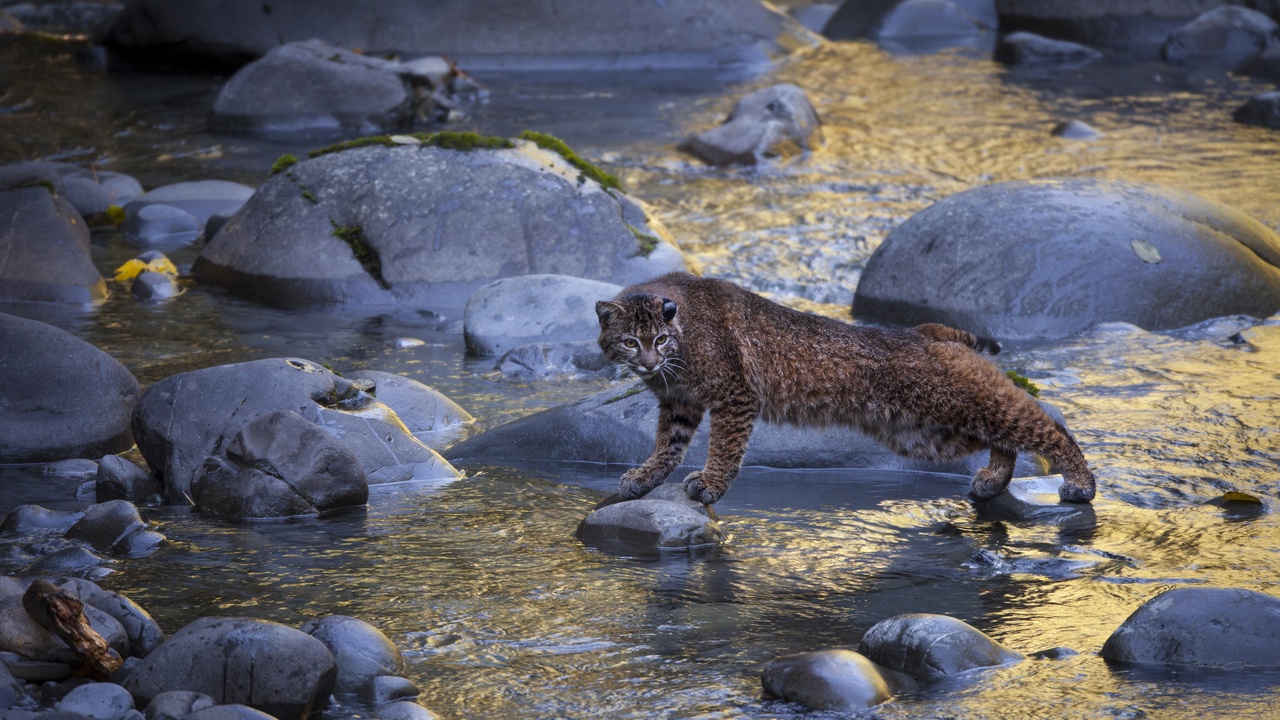
Physical features—size, coat, short tail, and keen senses—are the first clues for identifying a bobcat and understanding how it survives. These traits influence hunting success, camouflage, and how this cat moves through different habitats.
1. Size and Weight
Adult bobcats vary widely in size; weights typically range from about 8–30 lb (3.6–13.6 kg), shoulder height is roughly 18–24 inches, and total length including the short tail is about 26–41 inches. Males are generally larger than females, a clear sexual dimorphism that shows up in telemetry and harvest records from state wildlife agencies.
They’re fast in short bursts—top speeds near 30 mph—useful for ambush chases but not sustained runs. Size influences prey choice and territory: smaller bobcats focus more on rodents and birds, while larger males may take hares or even fawns when available.
2. Coat, Markings, and Color Variability
Bobcats have short, dense fur patterned with spots or streaks that break up their outline. Color varies by region—northern individuals often appear grayer and paler, while southern bobcats tend toward rusty or tawny tones.
Spotting on the flanks and banding on the legs provide camouflage in brush, rock, and leaf litter. Seasonal shedding can make coats look thicker in winter and sleeker in summer, which helps with insulation and concealment in different climates.
3. Short Tail and Ear Tufts
The bobcat’s signature bobbed tail measures about 4–7 inches and often shows a black tip on top with a white banded underside. Ear tufts are present but smaller than those of the Canada lynx.
The short tail aids balance and serves in visual signaling, while the ear tufts and mobile ears improve hearing and may assist in close-range communication. Look for the white under-tail flash when a bobcat bolts—that’s a handy field ID tip that separates it from coyotes (long tails) and Canada lynx (longer ear tufts).
4. Keen Senses: Eyesight, Hearing, and Smell
Bobcats depend on excellent low-light vision, acute hearing, and a strong sense of smell to find prey. Their pupils and retinal adaptations favor dawn and dusk activity, and highly mobile ears can pinpoint rustling rodents under leaves or snow.
Whiskers add tactile feedback during close-range strikes, and camera-trap studies commonly show peak activity at crepuscular hours. These sensory tools make bobcats efficient hunters of small mammals and birds even in dense cover.
Behavior and Ecology

Bobcats are solitary, territorial carnivores with a flexible diet that lets them fill the role of a mesopredator across many ecosystems. Their behavior—ambush hunting, territorial marking, and crepuscular activity—shapes local food webs and helps control populations of rabbits and rodents.
Below are key behavioral traits and life-history notes that explain how bobcats persist in both wild and human-influenced landscapes.
5. Hunting Strategy and Diet
Among the characteristics of a bobcat, its ambush-hunting style and dietary flexibility are central: it typically stalks, then pounces on prey. Diets include rabbits and hares, rodents, ground-nesting birds, and occasionally larger items like young deer.
Rabbits often make up a large portion of the diet in many regions, with small mammals and birds filling gaps when lagomorphs are scarce. In suburban areas bobcats may hunt in brushy yards and along fence lines, sometimes taking feral cats or small pets—though such incidents are uncommon compared with natural prey take.
6. Territory, Home Range, and Movement
Bobcats maintain defined home ranges that vary widely by habitat and prey abundance; males typically have larger ranges than females. Home-range sizes reported in telemetry studies can span from a few square kilometers in prey-rich areas to tens of square kilometers where food is scarce.
Seasonal shifts affect movement—juveniles disperse several miles to find vacant territories, and adults may adjust boundaries with changing prey supply. Knowing these patterns helps planners design wildlife corridors and reduce road-crossing hotspots.
7. Reproduction and Life Cycle
Breeding typically occurs in late winter to early spring, with gestation around 60–70 days and litters of 1–6 kittens (average two to three). Females usually raise the young alone, teaching hunting skills until the kittens disperse within their first year.
Weaning happens at several weeks, and by the end of the first year juveniles are often on their own. Reproductive rates mean populations can rebound locally if threats are reduced and habitat remains available.
Habitat, Range, and Conservation
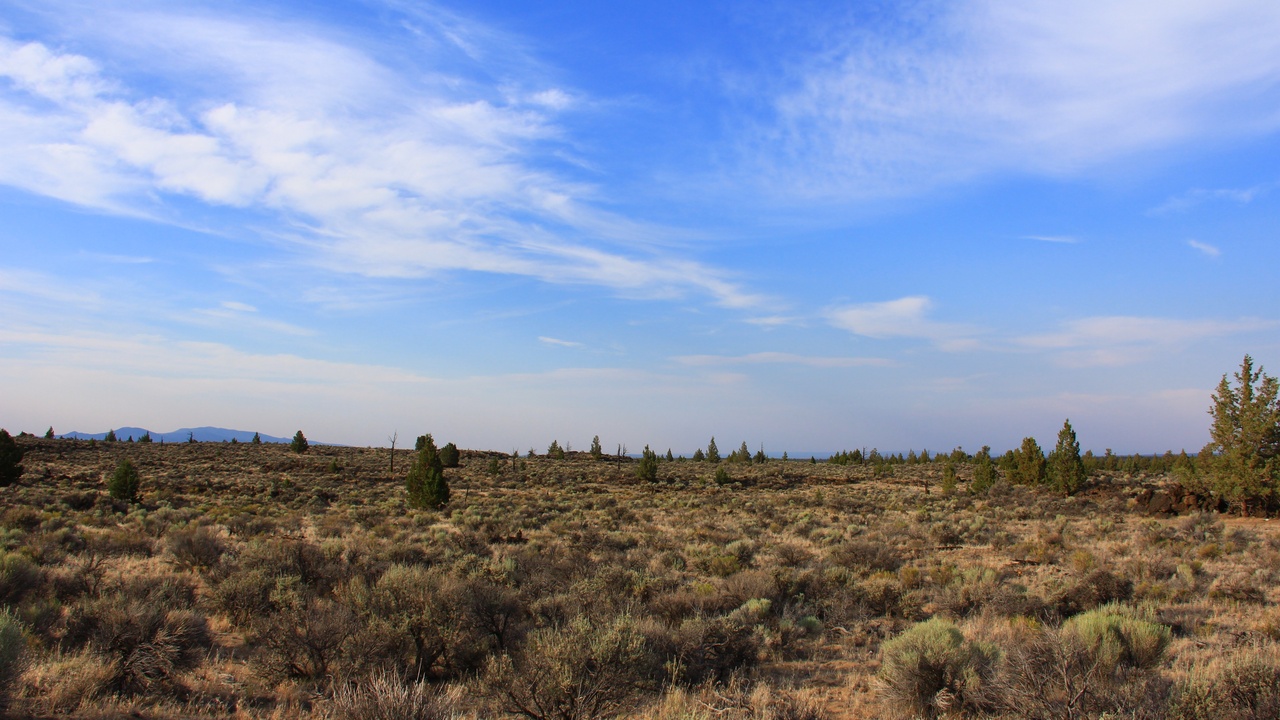
Bobcats occupy a broad swath of North America and adapt to a wide range of habitats—from deserts and scrub to mixed forests and suburban edges. Their adaptability helps explain both their wide distribution and frequent appearances on backyard camera traps.
The next subsections cover range details, conservation status, and practical coexistence steps.
8. Geographic Range and Preferred Habitats
Bobcats range from southern Canada through most of the continental United States and into northern Mexico, a span of thousands of kilometers. They use forests, swamps, brushy fencerows, rock outcrops, and riparian corridors, and they often show up in suburban green spaces that provide cover and prey.
Their ability to use piecemeal cover—hedgerows, hedges, and streamside vegetation—explains many sightings in agricultural and suburban landscapes. Travel corridors and patches of brush let bobcats move through developed areas with relatively low visibility.
9. Conservation Status and Threats
The IUCN lists the bobcat as Least Concern because of its wide range and generally stable populations. Still, local declines occur where habitat is lost, roads cut territories, or poisons and traps are used without safeguards.
Primary threats include vehicle collisions, secondary poisoning from rodenticides, regulated trapping and hunting in some jurisdictions, and habitat fragmentation. Management measures—habitat corridors, reduced rodenticide use, and targeted mitigation at road hotspots—help lower mortality and support healthy populations.
10. Human Interactions and Coexistence
Most human-bobcat interactions are observational: backyard sightings, trail-camera photos, and occasional runs-in with pets. Predation on small livestock or pets happens but is relatively rare compared with natural prey consumption.
Practical coexistence steps reduce conflicts: secure poultry in predator-proof coops, bring small pets indoors at night, remove brush piles near homes, and use motion-activated lights or fencing to deter visits. Community camera projects and outreach programs can track local bobcat activity and inform neighborhood responses.
Summary
- Bobcats combine compact power, camouflage, and sharp senses to thrive across deserts, forests, and suburban edges.
- Their ambush hunting and dietary flexibility make them important mesopredators that help control rabbits, rodents, and certain bird populations.
- Conservation status is generally secure, but risks from roads, poisons, and habitat loss can be reduced with targeted management.
- Simple homeowner actions—secure coops, keep pets safe at night, and clear brush near structures—go a long way toward peaceful coexistence.
If you spot a bobcat, consider reporting the sighting to your local wildlife agency or joining a community camera-trap project to help scientists monitor populations.