In 1790, British explorers cataloged several cockatoo species in Australia and New Guinea, noting their dramatic crests and raucous calls—traits that made them unforgettable to early naturalists. Those early notes still matter: physical flair and loud social habits shape how people encounter cockatoos in the wild and in homes, and they inform both conservation and responsible ownership. If you want a concise primer on the characteristics of a cockatoo, this piece breaks down ten defining traits—physical features, behavior, and care considerations—to help you recognize what makes these parrots distinctive and why they need special attention as pets and wildlife.
Below are ten clear, practical characteristics with examples, numbers, and care notes that matter whether you study birds or think about welcoming one into your life.
Physical traits
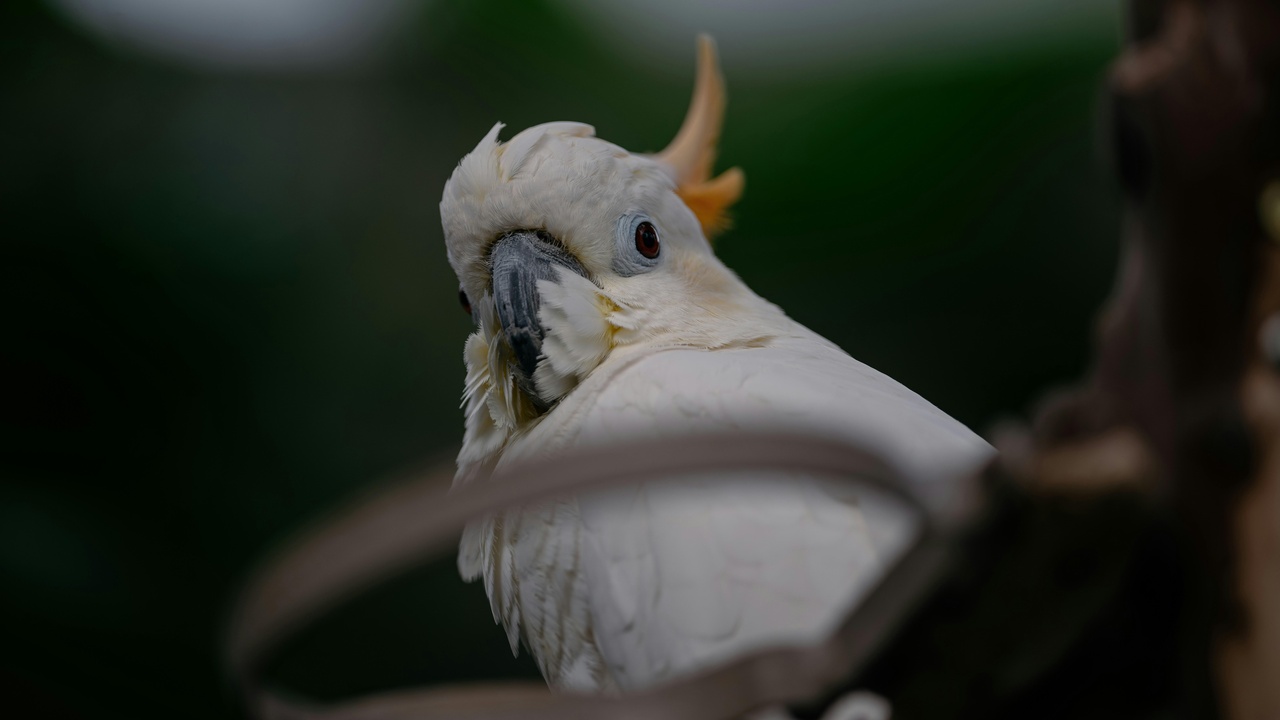
Feather crests, stout bills and a compact but variable body plan are signature identifiers for cockatoos. The family Cacatuidae contains about 21 species, ranging from small cockatiels to large Moluccan cockatoos, and physical traits are often the quickest way to ID them in the field or aviary.
1. Crest and crest displays
Cockatoos have an erectile feather crest controlled by specialized muscles; they raise and lower it to signal mood and intent. The crest can be a narrow erectile strip, a bright fan, or a layered plume depending on species.
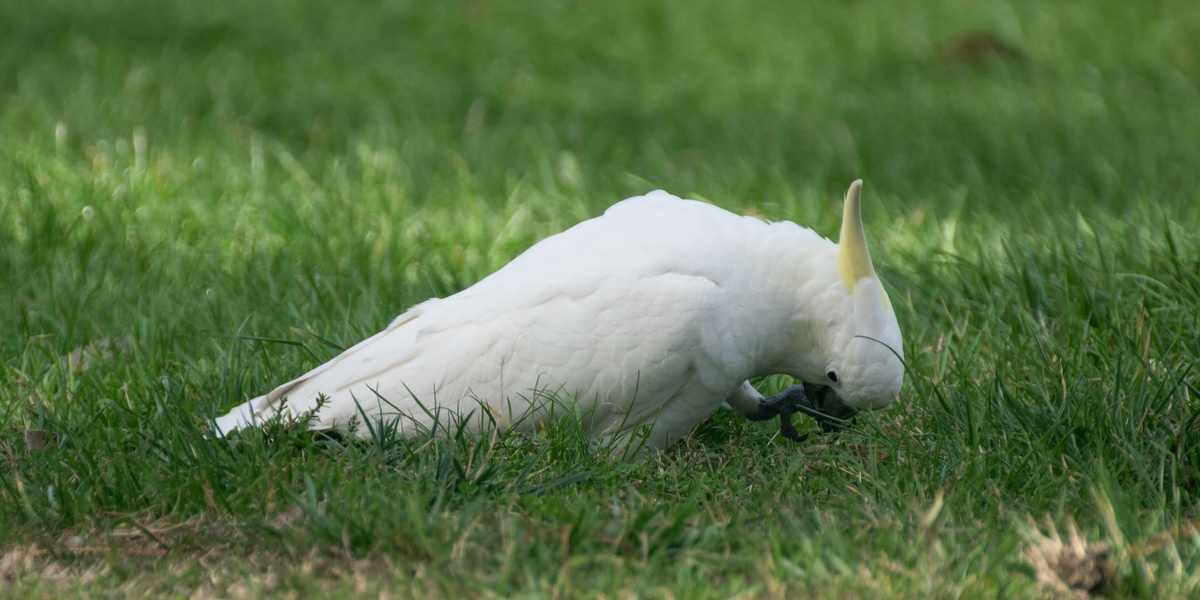
Behaviorally, a raised crest often signals alarm or heightened attention, while an exaggerated, slow display may appear in courtship. For example, a Sulphur-crested cockatoo will snap its yellow crest up when startled, whereas Major Mitchell’s cockatoo unfurls a pink-and-white fan during mating displays. Crests function as visual language in both wild flocks and captive settings, so caretakers learn to read them as one of the clearest mood indicators.
2. Plumage and coloration
Most cockatoos show predominantly white, gray, pink or black plumage with vivid accents on crests or cheeks that aid identification. These accents are often the key to species-level ID and can vary with sex and age.
For instance, the Galah (Eolophus roseicapilla) has a pink breast and gray back that make it unmistakable in flight, while Moluccan cockatoos (often 45–55 cm long) display salmon-pink underplumage beneath white outer feathers. Plumage also reflects health—dull or uneven feathers often signal nutritional or medical issues.
3. Strong curved beak and zygodactyl feet
Cockatoos possess a powerful, hooked beak well adapted for cracking seeds, stripping bark and manipulating objects. Their feet are zygodactyl—two toes forward and two back—giving them a secure grip for climbing and handling food.
These adaptations let cockatoos open hard seed pods, strip fruit and even tear into timber. In captivity that means caretakers should provide robust wooden toys, chewable foraging materials and perches that suit zygodactyl feet; flimsy toys can be shredded quickly and present hazards when ingested.
4. Size and lifespan range
Sizes vary widely across the family. Small species like the Cockatiel (Nymphicus hollandicus) measure roughly 32 cm including the tail and typically weigh 80–120 g. Large species—Moluccan and umbrella cockatoos—commonly reach 40–60+ cm and can weigh in the 400–1,000+ g range.
Longevity is another defining number: many cockatoos live 40–70 years in captivity, with some individuals surpassing that span. Those long lifespans make housing, medical care and long-term guardianship central considerations for potential owners and conservation planners.
Behavior and cognition

Cockatoos are highly social and intelligent birds whose cognitive and social needs often surprise owners. In the wild they live in flocks, form lasting pair bonds and show problem-solving skills that require daily enrichment in captivity.
5. Social structure and bonding
In the wild cockatoos range from small family groups to flocks numbering dozens or even hundreds in urban roosts. Many species form strong pair bonds that can last a lifetime; captive pairs have been documented staying together for 20+ years.
For owners, social needs translate to time investment: isolated birds may develop fear, aggression or feather-destructive behavior. Keeping social routines, pairing compatible birds, or providing daily one-on-one interaction helps meet these instincts.
6. Vocalizations and loudness
Cockatoos communicate with loud, far-carrying calls used for contact, alarm and territory. Vocalizations can carry for hundreds of meters in open country and often exceed typical household noise levels at close range.
In cities that loudness shapes human–bird relationships: morning and evening roost calls attract attention and sometimes conflict. Pet owners should plan for noise—soundproofing, scheduled quiet times and realistic expectations—and consider neighbors when keeping a large or particularly vocal species.
7. Intelligence, problem-solving, and play
Cockatoos show advanced cognitive abilities: puzzle-solving, tool manipulation and prolonged play are common. Comparative cognition research (including work by university labs and institutions studying parrot intelligence) documents their capacity for complex tasks and social learning.
That intelligence creates opportunity and risk. Enrichment—rotating foraging toys, food puzzles and training sessions—reduces boredom and the likelihood of destructive behaviors like feather-plucking. Practical care plans treat cognitive stimulation as a daily requirement, not an optional extra.
Diet, health, and human interaction
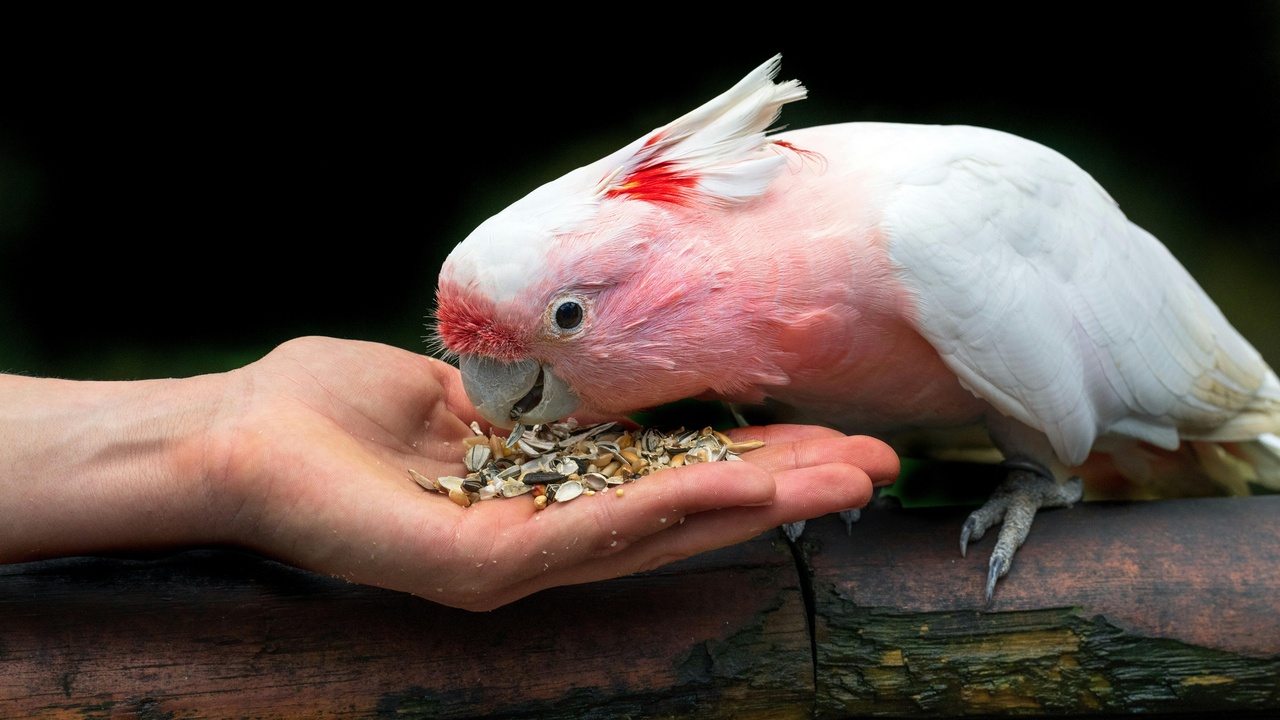
Diet preferences, common health issues and the way cockatoos interact with people are practical characteristics that determine welfare. Long lifespans and sociability mean diet, veterinary care and human time commitments are central to good outcomes.
8. Diet and foraging behavior
Cockatoos are primarily granivores but opportunistic omnivores: seeds, nuts, fruits, roots and sometimes insects make up wild diets. Foraging is an important daily activity in the wild and should be mimicked in captivity to promote mental and physical health.
For pet diets many avian vets recommend a pellet-forward plan—roughly 60–80% pellets—with fresh vegetables, some fruit and controlled seed or nut treats. Foraging toys, scatter feeding and puzzle feeders help satisfy natural search behaviors and reduce boredom-related issues.
9. Common health issues and veterinary care
Cockatoos are prone to species-specific health concerns such as feather-plucking driven by stress or disease, calcium imbalance (especially in breeding birds), beak overgrowth, and respiratory sensitivity to smoke or poor air quality. Lifespan numbers reiterate the need for long-term health planning.
Regular avian veterinary care is vital; many professionals recommend annual to biannual check-ups depending on age and species. Organizations such as the Association of Avian Veterinarians and RSPCA provide guidance on preventive care. Practical steps include balanced diets, enriched environments, routine fecal exams and periodic bloodwork when advised.
10. Interaction with humans: training, noise, and legal/ethical considerations
Cockatoos can be affectionate and demanding: they require consistent social time, training and clear boundaries. Positive reinforcement training—targeting, step-up and voluntary vet behaviors—builds trust and makes handling safer for bird and human.
Owners should plan for at least 1–2 hours of daily social/enrichment interaction for many species, and prepare for multi-decade commitment. Legal and ethical considerations vary: several cockatoo species are protected under CITES or local laws, so check regulations and consult reputable breeders or rescue groups before acquiring one.
Summary
- About 21 species in family Cacatuidae share signature traits—movable crests, strong hooked beaks and zygodactyl feet—that help you identify cockatoos in the field or aviary.
- Size varies from cockatiels (~32 cm, 80–120 g) to Moluccan/umbrella cockatoos (40–60+ cm, hundreds of grams), and many live 40–70 years in captivity, making them long-term companions.
- Highly social and intelligent, cockatoos need daily cognitive enrichment and social interaction (roughly 1–2+ hours) to prevent behavioral and health problems.
- Balanced diets (about 60–80% pellets), regular avian veterinary checks (annual to biannual), and careful noise and legal planning are essential for responsible ownership.
- Learn from reputable sources and consult an avian veterinarian or conservation organization (e.g., Association of Avian Veterinarians, CSIRO, RSPCA) before acquiring or caring for a cockatoo.