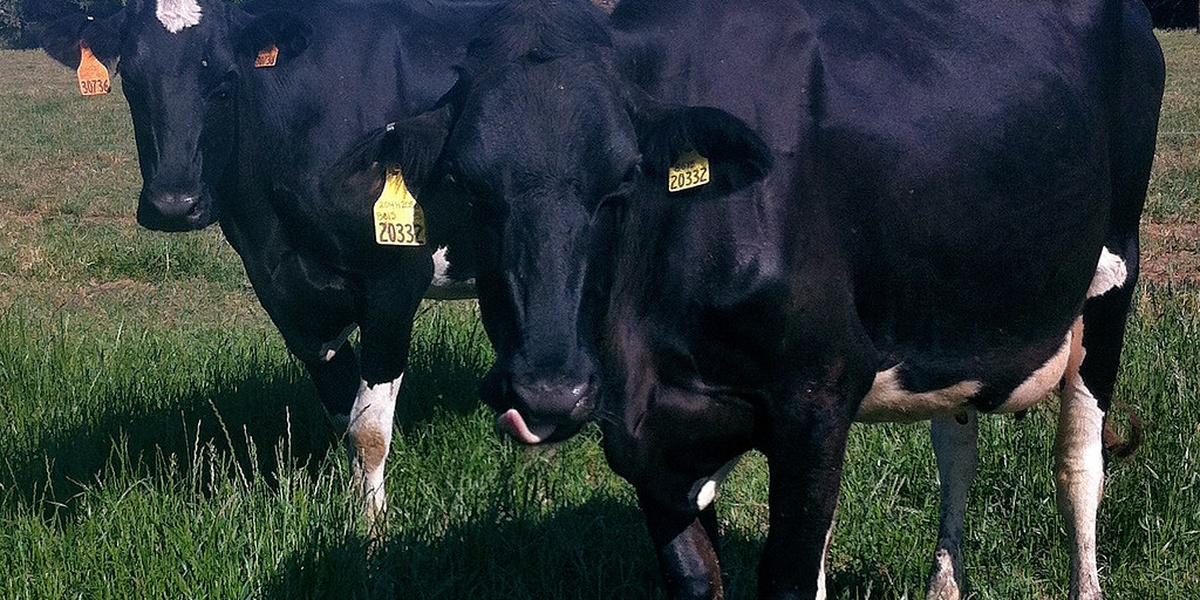
Humans began domesticating cattle roughly 10,500 years ago, transforming wild aurochs into the cows that shaped agriculture and settled societies. Imagine a dairy herd at dawn: mist over the paddock, the first milkers filing toward a parlor—their bodies and behaviors tuned by millennia of selection and farmed landscapes.
Understanding the biology, behavior, and human uses of these animals explains why milk reaches your fridge, why beef markets look the way they do, and how pasture management affects land health. This guide walks through ten clear characteristics of a cow that matter to farmers, consumers, and anyone curious about domestic animals, with numbers, breed examples, and practical takeaways.
Biology and Anatomy
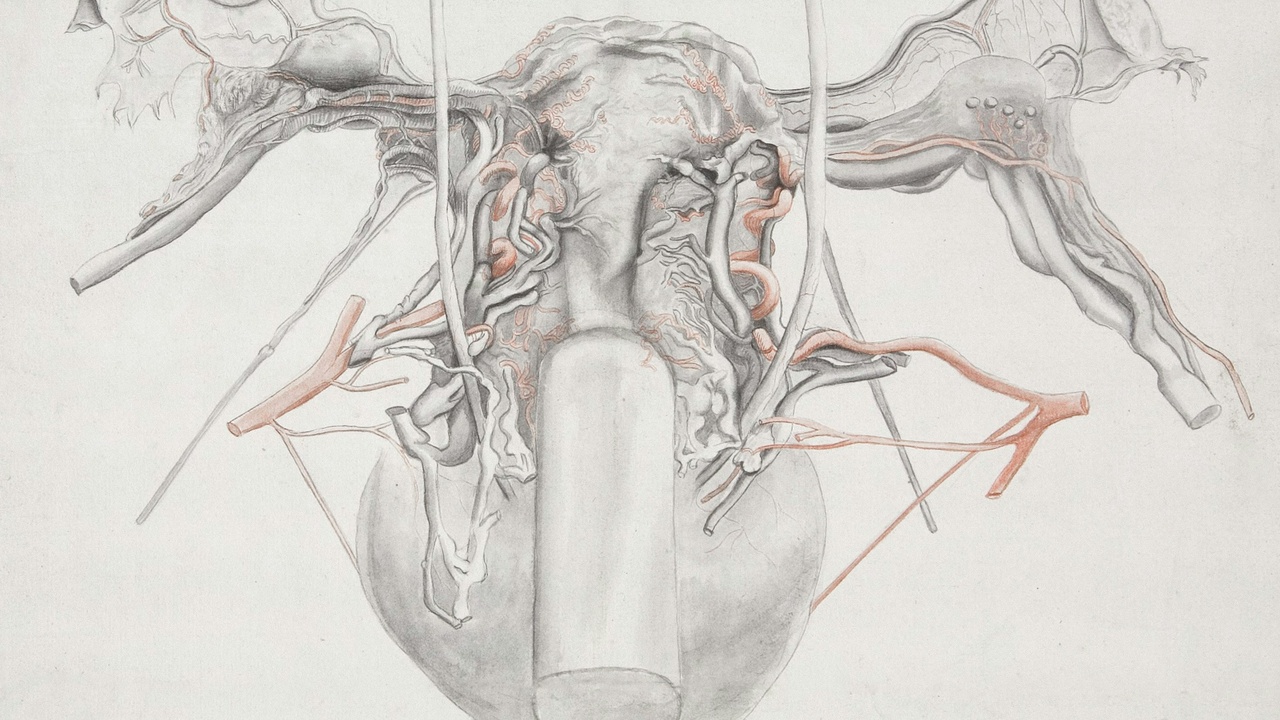
The physical build of cattle determines how they eat, grow, and reproduce—and it guides farm decisions from feeding to housing. Anatomy underpins productivity: digestive design shapes diet, body size sets space needs, and reproductive physiology drives herd planning. Below are key anatomical traits and how they connect to practical management.
1. Four-chambered ruminant stomach enabling fermentation
Cows are ruminants with a four-chambered stomach: rumen, reticulum, omasum, and abomasum. The rumen hosts a dense community of bacteria, protozoa, and fungi that ferment cellulose, turning fibrous grasses into volatile fatty acids that supply most of the cow’s energy. Because microbes do the heavy lifting, feed quality and consistency directly affect milk yield and growth.
On farms this matters: silage and haylage keep rumen function stable through winter, while total mixed rations (TMR) on commercial dairies balance carbohydrates, protein, and fiber to avoid acidosis. Managers monitor rumen health through cud-chewing, fecal consistency, and production trends to protect both welfare and output.
2. Dentition and feeding adaptations for grazing
Cattle are built for grazing: they have wide mouths, a tough dental pad on the upper jaw instead of upper incisors, and flat cheek teeth that grind forage. That morphology supports selective grazing—animals crop preferred species and bite close to the ground—which shapes pasture composition over time.
Practical implications include sward-height targets and rotation schedules. Ryegrass pastures, for example, suit high-yielding dairy cows, while taller, coarser native grasses may be better for hardy beef breeds. Rotating pastures reduces overgrazing and preserves root systems for the next season.
3. Body size and growth rates (weight ranges and breed differences)
Adult weights vary widely by breed and sex. Mature dairy cows (Holsteins) often weigh roughly 600–750 kg, while beef breeds like Angus can range from about 500–900 kg depending on sex and genetics. These numbers influence feed planning, barn dimensions, and handling equipment.
Growth rates matter in beef systems because they affect days to market and feed costs. Larger-framed Holsteins require different stall sizes and trough heights than stockier Angus. Accurate weight estimates are also essential for correct veterinary dosing and for safe transport planning.
4. Reproduction cycle and lactation patterns (gestation and milk yield)
Gestation in cattle is about 283 days on average, after which cows calve and enter a lactation cycle. Commercial record-keeping commonly uses a 305-day lactation standard; high-producing Holsteins typically yield in the range of 9,000–12,000 liters per lactation, depending on management and genetics.
Reproductive management—artificial insemination, timed breeding, and planned dry periods—controls calving intervals and influences lifetime productivity. Farmers schedule dry periods to allow udder recovery, and they monitor body condition to optimize conception rates and milk output, all of which drive farm economics.
Behavior and Life History
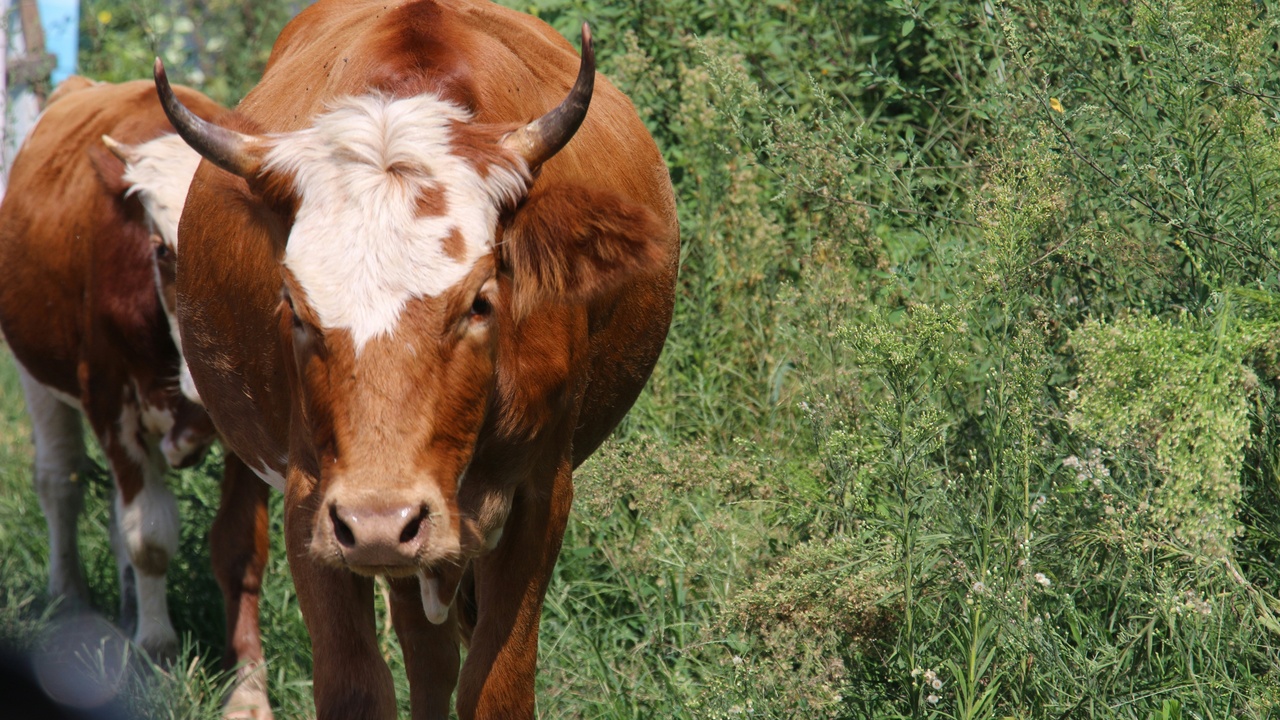
Behavior and life-history traits—social bonds, daily rhythms, and maternal care—affect welfare and productivity. Reading bovine behavior helps reduce stress, improve health detection, and design safer, more efficient facilities. Below are core behavioral patterns with management implications.
5. Social structure and herd dynamics
Cows establish dominance hierarchies that influence feeding order, resting spots, and calf access to dams. Those relationships include affiliative interactions like grooming and long-term bonds between mothers and offspring. Disruption of established groups tends to raise stress and aggression.
Managers reduce conflict by keeping groups stable and by grouping similar-age or production-stage animals together. For example, separating first-lactation heifers from older cows can prevent displacement at feeders and improve first-calf performance, while rotational grouping helps maintain stable social structures.
6. Communication: vocal, olfactory, and visual signals
Cattle use moos, body posture, and scent cues to communicate. Mothers recognize calves by vocalizations and smell; animals also signal distress, estrus, or hunger through changes in sound and behavior. Observational studies show consistent vocal patterns during separation and around calving.
Handlers who watch for altered vocalizing, head carriage, or reduced social grooming can spot illness or heat earlier. For instance, louder, persistent calls often appear when a cow is separated from her calf or when an animal is in pain.
7. Daily rhythms and grazing patterns
Many cattle are crepuscular: grazing peaks at dawn and dusk, with rest periods during the night and mid-afternoon. Temperature, day length, and forage quality shift these patterns—hot weather suppresses midday intake, while high-quality swards can sustain more daytime grazing.
Producers use these rhythms to time pasture moves and supplementation. In hot climates, night grazing maintains intake; in winter, farmers supply conserved forage when pastures are dormant. Adapting management to natural rhythms supports intake and reduces heat- or cold-related stress.
Human Uses and Environmental Interactions
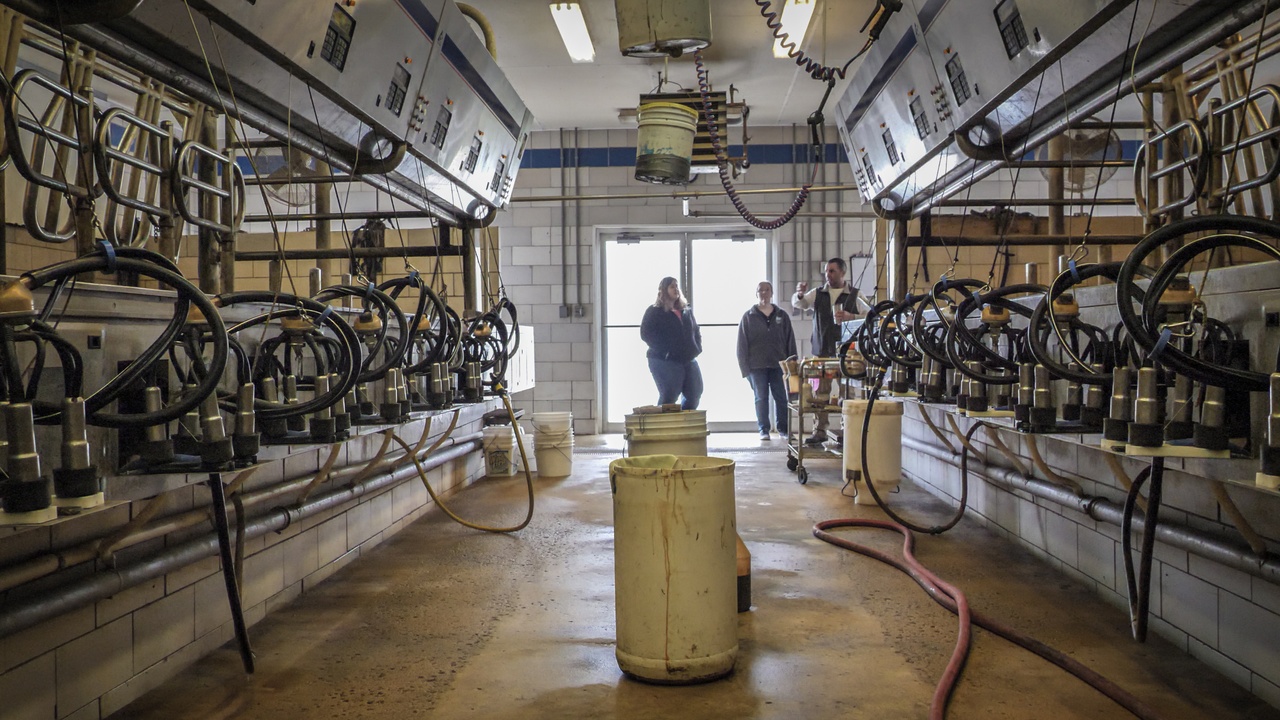
Across food systems, the characteristics of a cow determine its role in milk, meat, hide production, and landscape services. Breed, size, and behavior shape production choices and environmental trade-offs—knowing these links helps people choose products and supports better farm policy.
8. Milk production and dairy-specific traits
Some breeds are bred for high volumes (Holstein) while others prioritize milk components like butterfat (Jersey). Commercial dairy cows commonly yield roughly 20–30 liters per day on average; across a 305-day record, Holstein lactations often total about 9,000–12,000 liters under intensive management.
Udder conformation and milking frequency affect yield and mastitis risk, so parlor design, hygiene, and milking schedules are central to output. Decisions at the farm level—frequency of milking, housing type, feeding strategy—directly shape supply-chain volumes and product quality.
9. Economic role: meat, dairy, leather, and livelihoods
Cattle underpin livelihoods worldwide: meat and dairy markets, hides for leather, and income for millions of smallholders and commercial producers. There are roughly 1.5 billion head of cattle globally, spanning family dairies in India to large feedlots in the United States and beef exporters in Brazil.
Economic models differ: a smallholder in East Africa may rely on a few cows for milk and manure, while a commercial operation in Texas uses feedlot finishing and mechanized milking. Those systems support jobs, trade, and food security, but they also respond differently to price swings and policy changes.
10. Environmental footprint and adaptive traits
Cattle have both environmental costs and useful ecological roles. The FAO estimates livestock contribute about 14.5% of global anthropogenic greenhouse gas emissions. Methane emissions per head vary widely by diet and management, roughly on the order of 70–120 kg CH4 per animal per year as a broad illustration.
Management can reduce impacts: dietary changes, feed additives, improved pasture management, and manure biogas systems cut emissions and provide energy. Adaptive traits also matter—heat-tolerant Brahman crosses perform better in the tropics, while native breeds often handle poor forages and local disease pressures more robustly.
Summary
- Cows convert fibrous plants into food because of a four‑chambered stomach and rumen microbes; feed quality and TMR systems directly affect health and output.
- Physical traits—dental pads, body size, and udder conformation—determine grazing behavior, housing needs, and whether a breed is better for milk or meat.
- Social bonds, vocal and scent signals, and daily grazing rhythms influence welfare; stable grouping and timing feed to natural behaviors reduce stress and boost production.
- Production benefits come with environmental trade-offs; practical mitigations include manure-to-energy systems, diet adjustments, and choosing breeds adapted to local climates.