In the early 20th century, naturalists traveling through boreal forests often returned with the same surprised notes: lynx tracks looked like tiny snowshoes, and sightings vanished as quickly as they appeared. One veteran observer remarked that a winter day could produce a clear trail of large, furry pawprints and then nothing—no shadow, no sound—just the sense that the cat had folded back into the trees. That mix of conspicuous tracks and extraordinary elusiveness sums up why these cats fascinated field biologists and photographers alike.
Lynx are a study in specialized survival—ten distinct traits help them thrive in cold, forested landscapes and shape how they interact with prey cycles and shrinking habitats. For wildlife lovers and conservationists, spotting or photographing a lynx is a rare treat; for managers, understanding those traits helps guide habitat protection and corridors. This piece lays out the defining characteristics of a lynx across physical form, sensory and hunting behavior, and ecology and conservation, with concrete examples from Eurasian, Canada, Iberian and bobcat populations.
Physical adaptations
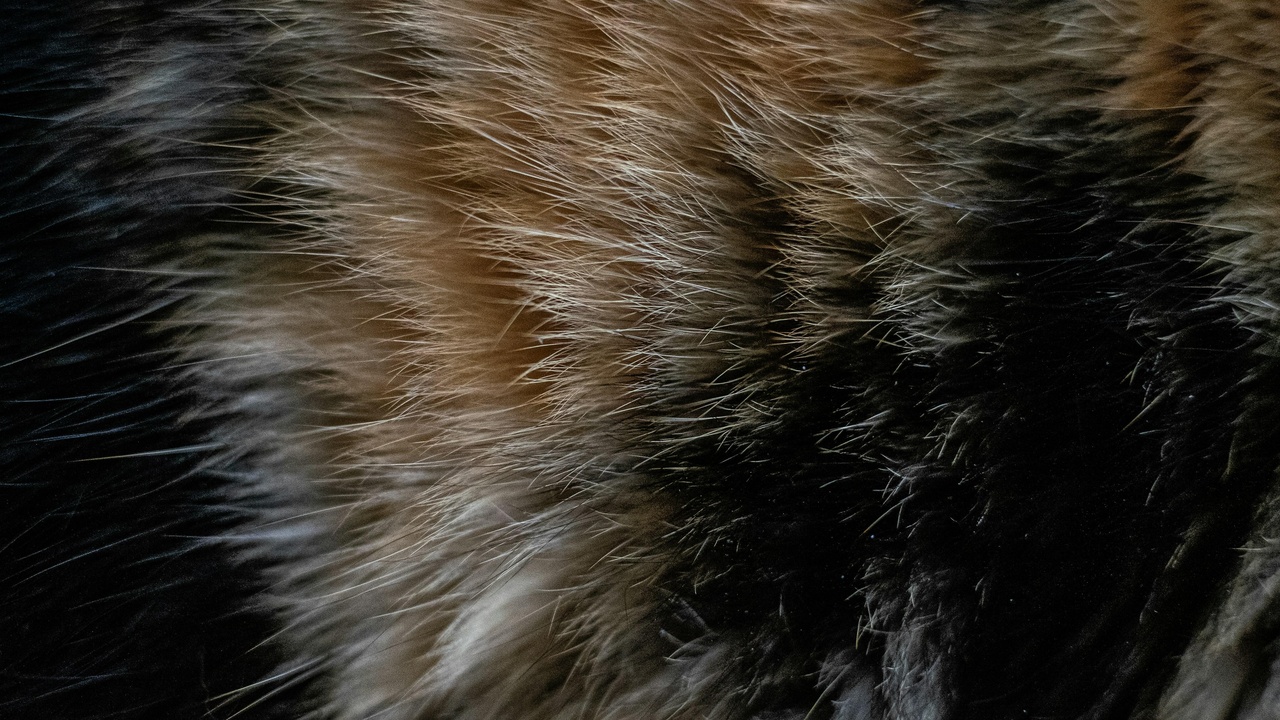
Lynx morphology is tuned to cold, cluttered forests. The genus Lynx contains four species—the Eurasian lynx, Canada lynx, Iberian lynx and the bobcat—each with variations in size, pelage and proportion that reflect local climate and prey. Some species tip the scales at 8–14 kg (Canada lynx), while larger Eurasian individuals commonly range from about 18–30 kg, and bobcats fall in between. Across that span you see the same basic toolkit: dense, camouflaged fur; broad, furred feet that spread load on snow; prominent ear tufts and a framing ruff; and a short tail used for balance and signaling. Those features let lynx move quietly, strike accurately in deep snow, and remain visually inconspicuous while stalking.
1. Thick, camouflaged coat
Lynx carry dense seasonal fur that insulates and conceals. Winter coats thicken with a woolly underfur and longer guard hairs, and coloration generally lightens or gains more contrast against snowy backgrounds from late autumn through early spring. In alpine parts of Eurasia, individuals develop especially long guard hairs on the back and flanks, while more temperate bobcats retain mottled patterning suited to mixed woods.
The seasonal molt typically runs from spring into early summer for the heavy winter coat to be shed, with regrowth beginning again in late summer. The effect is obvious to photographers: a lynx that blended perfectly into a gray winter stand may seem almost invisible until it moves, then the rufous tones and tabby patterning become clear.
2. Large, furred paws that act like snowshoes
Broad, heavily furred paws distribute weight and improve flotation on soft snow. Those “snowshoe” feet reduce sinking and let lynx hunt where smaller-pawed predators struggle, giving them access to snowshoe hare and other subnivean prey. For a Canada lynx, which averages roughly 8–14 kg, those wide paws are essential during deep winters; Eurasian lynx, at 18–30 kg, show the same adaptation scaled up.
Field observers often note the distinctive paw prints—rounded, fuzzy impressions rather than sharp claw marks—evidence of both silent approach and the cat’s ability to move across drifts and crusted snow with surprising speed.
3. Distinctive ear tufts and facial ruff
Lynx ears carry short black tufts—usually around 2–5 cm long—that sit atop pointed ears, and a broad facial ruff frames the face. The tufts help with directional hearing by accenting subtle ear movements, while the ruff breaks up the head’s outline, improving camouflage in dappled forest light.
Naturalists watching lynx behavior record the animals pivoting their tufts and ears independently when listening; photographers capturing close-ups often highlight those 2–5 cm tufts as a defining feature of the genus.
4. Short tail used for balance and signaling
Lynx have short, stubby tails—generally in the range of roughly 8–25 cm depending on species—that end in a dark tip. A compact tail reduces the chance of snagging in dense brush and helps with rapid direction changes during a chase.
Behaviorally, mothers flick the black-tipped tail to cue kittens during a stalk, and juveniles use the tail as a visual signal during play. Compare a bobcat’s slightly longer tail to the shorter, almost stump-like tail of some Eurasian lynx—the differences are subtle but consistent across species.
Senses and hunting behavior
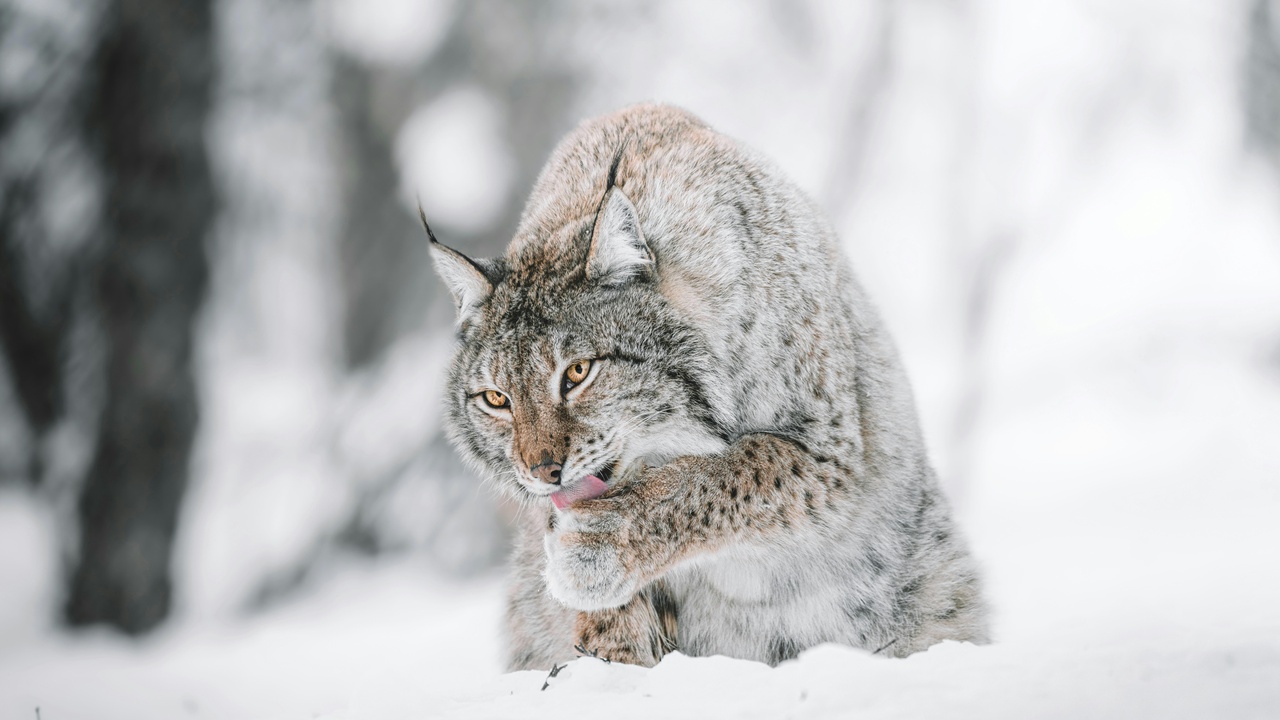
Sharp senses and quiet tactics make lynx efficient ambush predators. They tend to hunt at dawn and dusk—times of low light—when their visual and auditory adaptations give them an edge. Diets vary: Canada lynx depend heavily on snowshoe hare cycles, Eurasian lynx include small ungulates in places, and Iberian lynx specialize on rabbits. The hunting sequence is simple: locate, stalk, close the gap, then pounce—often over just a few meters—so sensory precision matters more than long chases.
Those combined traits explain why lynx can control local prey populations and why their hunting success is tightly linked to habitat structure and prey abundance.
5. Exceptional eyesight for low-light hunting
Lynx eyes are optimized for twilight hunting. A high density of rod photoreceptors increases sensitivity to dim light, and a reflective tapetum lucidum behind the retina boosts photon capture so motion is easier to detect at dawn and dusk. The result: lynx can pick out subtle movement across broken understory at distances that would fool a casual observer.
Most hunting activity concentrates around crepuscular hours, when they take advantage of both reduced light and prey activity peaks—particularly important for species that feed on hares or rabbits that move more at those times.
6. Acute hearing that locates prey under snow
Sound is crucial when prey is concealed under snow or dense vegetation. Lynx will freeze, rotate their ears, and then launch a targeted pounce when they hear scuffling beneath the surface. Their ear tufts and mobile pinnae help fine‑tune directionality so the animal can pinpoint a rabbit or hare under a drift.
Observers have recorded repeated pounce-and-dig sequences where a lynx listens, pounces, and then uses its broad paws to excavate subnivean prey. Those hunts demonstrate how hearing complements vision in cluttered boreal and montane habitats.
7. Stealthy ambush tactics and explosive pounces
Lynx rely on a stalk-close-pounce routine, using cover to close the distance to a few meters before an explosive leap. Typical pounces cover 2–3 meters, and larger lynx can unleash short bursts of speed—top estimates for some species approach 50 km/h—enough to overrun a surprised hare or fawn over a short distance.
That hunting style affects prey dynamics: in regions where hares cycle in numbers, lynx populations often track those fluctuations closely, with predator numbers rising and falling as food availability changes.
Ecology, reproduction, and conservation

Taken together, the characteristics of a lynx influence role, range, and resilience within ecosystems. Some species remain widespread and stable, while others have endured severe bottlenecks; the Iberian lynx, for example, dropped to fewer than 100 individuals in the early 2000s before intensive conservation began. Life history traits—solitary territoriality, seasonal breeding, and small litters—interact with habitat fragmentation and prey availability to determine local viability.
Understanding those links helps conservationists design corridors, prioritize protected areas, and time interventions like supplemental feeding or captive breeding when necessary.
8. Solitary, territorial lifestyles and home ranges
Lynx are largely solitary outside the breeding season and maintain territories that vary with species, sex and prey density. Female Canada lynx may hold home ranges on the order of 10–50 km², while Eurasian lynx—especially males—can roam much larger areas where ungulate prey is patchy.
Telemetry studies reveal seasonal shifts: ranges often expand in winter as animals track prey movements, then contract in summer. Fragmentation of forested habitat therefore reduces available contiguous territory and can isolate populations—a core challenge for conservation planning.
9. Reproductive cycle and lifecycle
Breeding typically occurs in late winter to early spring, with a gestation around 63–74 days. Litters most commonly number 1–4 kittens, and young begin tentatively exploring outside the den at a few months old.
Kittens rely on maternal care through the first year and often disperse before the next breeding season. Survival of juveniles links strongly to prey abundance; hare or rabbit crashes commonly translate to lower kitten survival and fewer successful litters the following year.
10. Conservation status and interactions with people
Conservation status varies widely across the genus. The Iberian lynx required intensive intervention—captive breeding, habitat restoration and reintroductions—after plummeting to under 100 individuals in the early 2000s; those efforts raised numbers to several hundred and expanded the species’ range in Spain and Portugal. Other populations, like many Eurasian and North American groups, are more secure but still face local declines.
Key threats include habitat loss and fragmentation, road mortality, reduced prey from agricultural change or disease, and illegal killing. Practical conservation actions that readers can support range from backing habitat corridors and local NGOs to reporting sightings to citizen-science platforms or advocating for wildlife-friendly road planning.
Summary
- Specialized snow adaptations—dense seasonal coats and wide, furry paws—let lynx hunt where others cannot, making them linchpins in cold-forest food webs.
- Sensory and hunting strategies—twilight vision, pin‑point hearing and short, explosive pounces—make them effective ambush predators closely tied to prey cycles like hares and rabbits.
- Life history traits—solitary territoriality, modest litter sizes, and seasonal ranges—mean habitat continuity and prey abundance are critical for population health.
- Conservation shows both challenge and hope: the Iberian lynx fell to under 100 individuals but recovered through captive breeding and reintroduction, while other populations still require habitat protection and mitigation of human-caused mortality.
- Practical steps readers can take include supporting local conservation groups, helping create or maintain habitat corridors, and reporting reliable sightings to vetted citizen-science platforms.