A 19th-century naturalist’s first detailed sketches of Vulpes vulpes captured how its bushy tail and russet coat set it apart across Europe and North America.
The red fox is worth noticing for several reasons. It helps control rodents, turns up in city parks, and shows up in stories and folklore. Its mix of looks, behavior, and adaptability explains why people spot it in far-flung habitats.
This piece lays out ten clear characteristics of a red fox grouped into three parts: physical traits, behavior & ecology, and adaptations plus human interactions. Expect facts, numbers (average litter size 4–6 kits), and practical examples. Let’s begin with how you recognize one at a glance.
Physical Characteristics
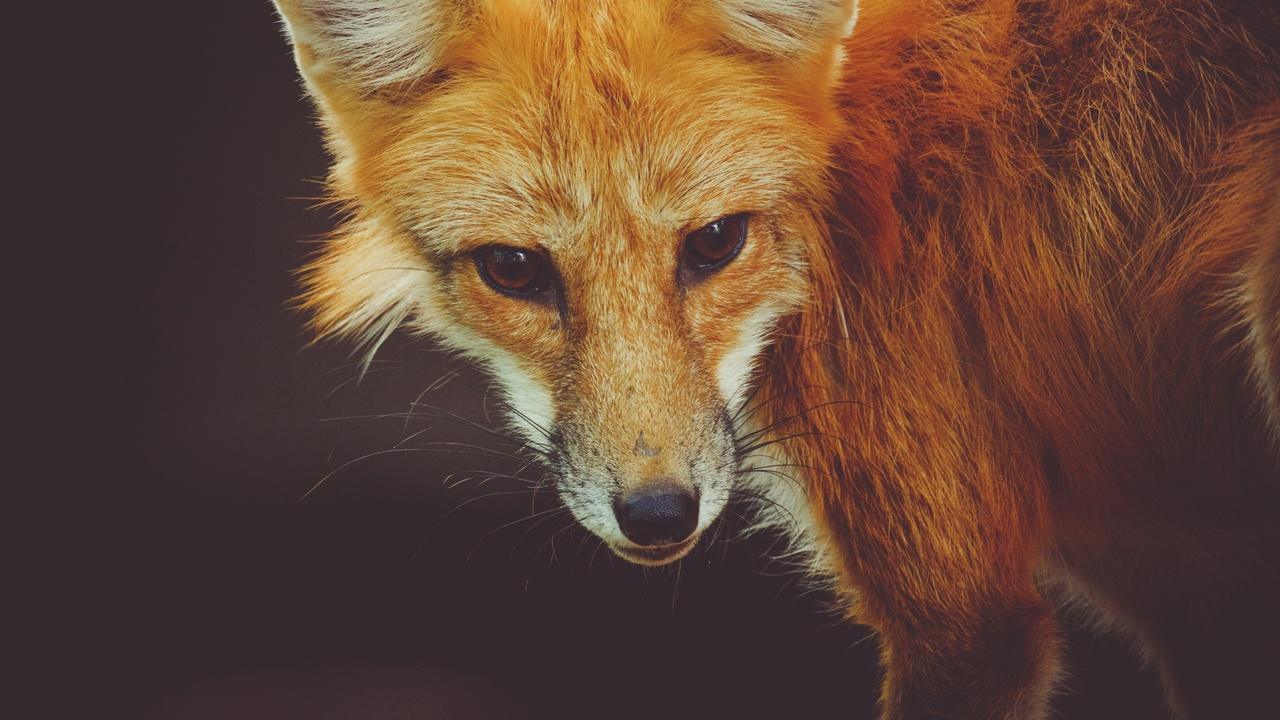
These are the visible traits that make a red fox recognizable: a typically russet coat, a long bushy tail, a slender body, and a skull built for a mixed diet. Measurements vary by region and subspecies, but ranges help set expectations for size and lifespan.
1. Coat color and seasonal variation
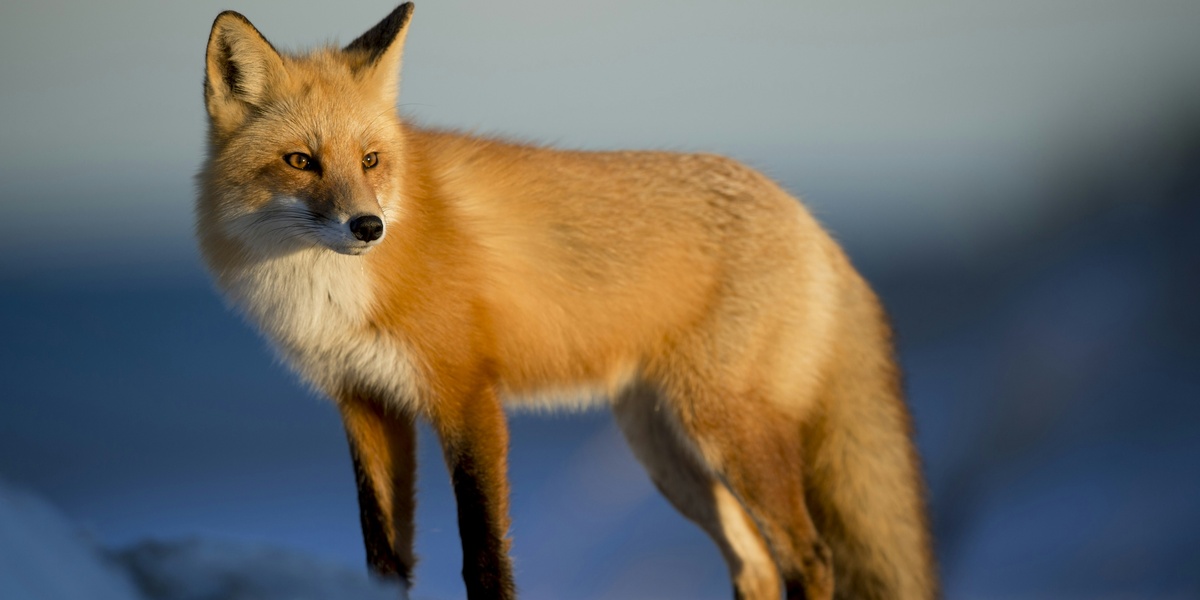
The red fox’s namesake russet coat is common but far from uniform across its range. Many individuals show a reddish back with white underparts and a white-tipped tail. In autumn they molt into a dense winter pelt, and in spring they shed to a lighter summer coat.
Melanistic and silver morphs occur in parts of North America and Eurasia; the silver fox was famously bred in fur farms for its dark color. Coat variation helps with camouflage in different habitats and with thermal regulation in cold climates.
Practical impact: a thicker winter coat improves hunting endurance and lets foxes conserve heat when curled in a den. Watch for the spring molt around April–May in temperate zones when pelage becomes noticeably thinner.
2. Size and proportions
Adult red fox body length commonly ranges from about 45–90 cm, excluding the tail. Tail length typically adds another 30–55 cm, and many adults weigh between roughly 2.2–14 kg depending on sex and region.
Males are often larger than females. Northern continental populations tend to be bigger than island or southern populations; island fox subspecies, for example, are substantially smaller than their mainland cousins.
Size affects prey choice and space needs. A larger fox can tackle rabbits and larger birds, while smaller island foxes rely more on insects, small rodents, and available coastal resources.
3. The brush: tail function and signaling
The bushy tail, often called the brush, serves several roles. It aids balance during fast turns, acts as a warm blanket when the fox curls up, and works as a visual signal to other foxes during social interactions.
Proportionally, the tail can be about 40–60% of the body length in many adults. Tail posture changes meaningfully: a high, stiff tail can signal confidence; a tucked tail indicates submission or cold; a flick may warn or distract.
Urban observers often notice tail flicks and curls—small behaviors that convey mood and intent during encounters, mating displays, or when evading threats.
4. Teeth, skull, and senses
The red fox skull and dentition reflect an opportunistic carnivore-omnivore. Sharp canines help seize prey, carnassials shear meat, and the molars have enough surface to process fruit and vegetation when needed.
Red foxes have excellent hearing and can detect low-frequency movements such as rodents tunneling under snow. Their vision is tuned for motion detection, and whiskers provide tactile feedback in tight dens or low-light hunting.
These senses combine to make foxes efficient in woodland, farmland, and urban settings. Detecting rodents under snow or in tall grass is a practical advantage for survival through winter and spring.
Behavior and Ecology
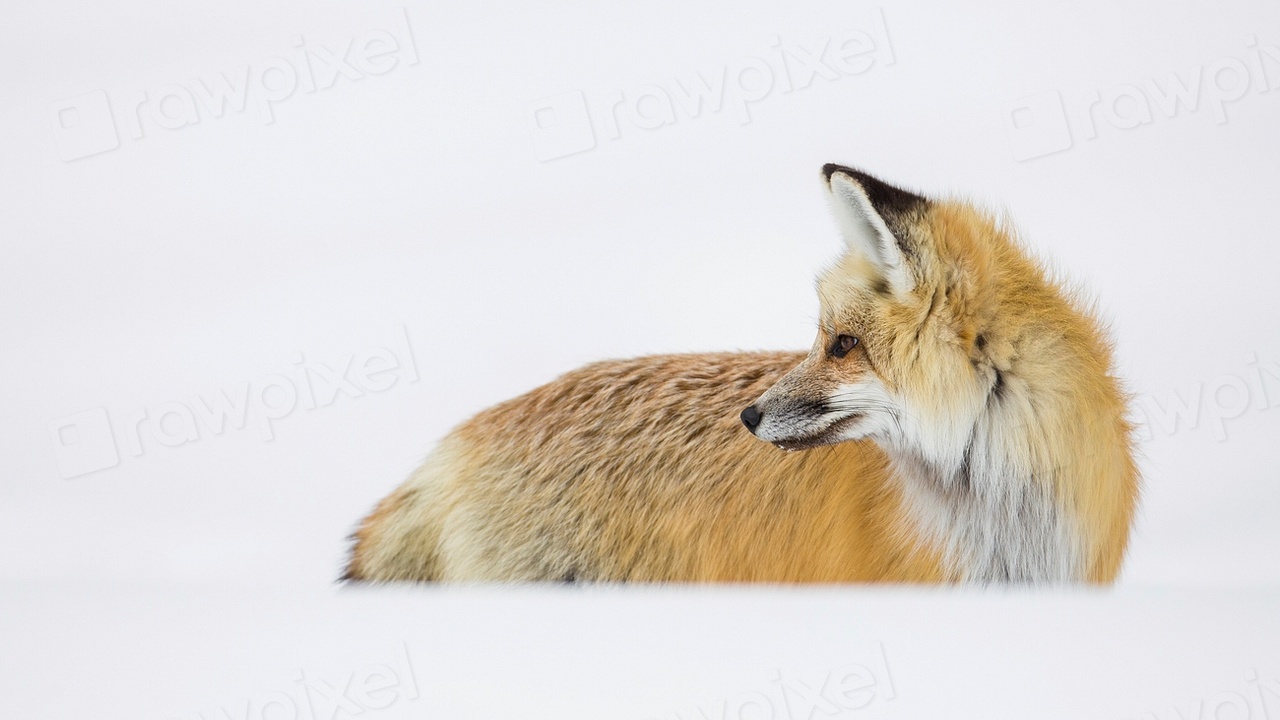
Behavioral traits determine how red foxes interact with prey, competitors, and habitats. Their diet, territorial habits, and activity patterns shape local food webs and affect pest control. Numbers like home-range size and litter size give managers useful anchors.
5. Hunting strategy and diet breadth
Red foxes are opportunistic omnivores that take a broad array of foods. Small mammals such as voles and mice often form the bulk of the diet, supplemented by rabbits, birds, insects, fruit, and carrion.
Scat studies repeatedly show high rodent content—often more than half the identifiable remains in many regions. In autumn, fruit and berries can make up a larger share, while invertebrates and amphibians fill seasonal gaps.
Practical role: by reducing rodent numbers, foxes can benefit farmers and gardeners. The flip side is occasional predation on poultry in rural areas, which is why secure coops matter in countryside settings.
6. Territoriality and home range
Red fox territories vary with resource availability and habitat quality. Home ranges can be under 1 km² in food-rich urban zones and extend to several km² in rural or semi-arid landscapes. A representative range is about 0.5–6 km².
Foxes use scent-marking (urine and feces) and den sites—often called earths—to establish and maintain territories. They may reuse rabbit burrows or adopt human structures for dens when convenient.
In cities, territories shrink and overlap more, and foxes show greater tolerance for neighbors. That has implications for management: reducing attractants can help limit high local densities.
7. Activity patterns: crepuscular and nocturnal habits
Red foxes are primarily crepuscular and nocturnal, with activity peaks at dawn and dusk. Camera-trap studies commonly record highest movement during those periods.
In urban areas foxes often show more daytime activity where human disturbance is low. Flexibility in timing reduces competition with larger predators and takes advantage of low light for hunting small, moving prey.
Spotting them in parks after dark or catching brief daylight sightings in quiet suburbs fits this adaptive pattern; they time activity to match food availability and risk.
Adaptations and Human Interactions
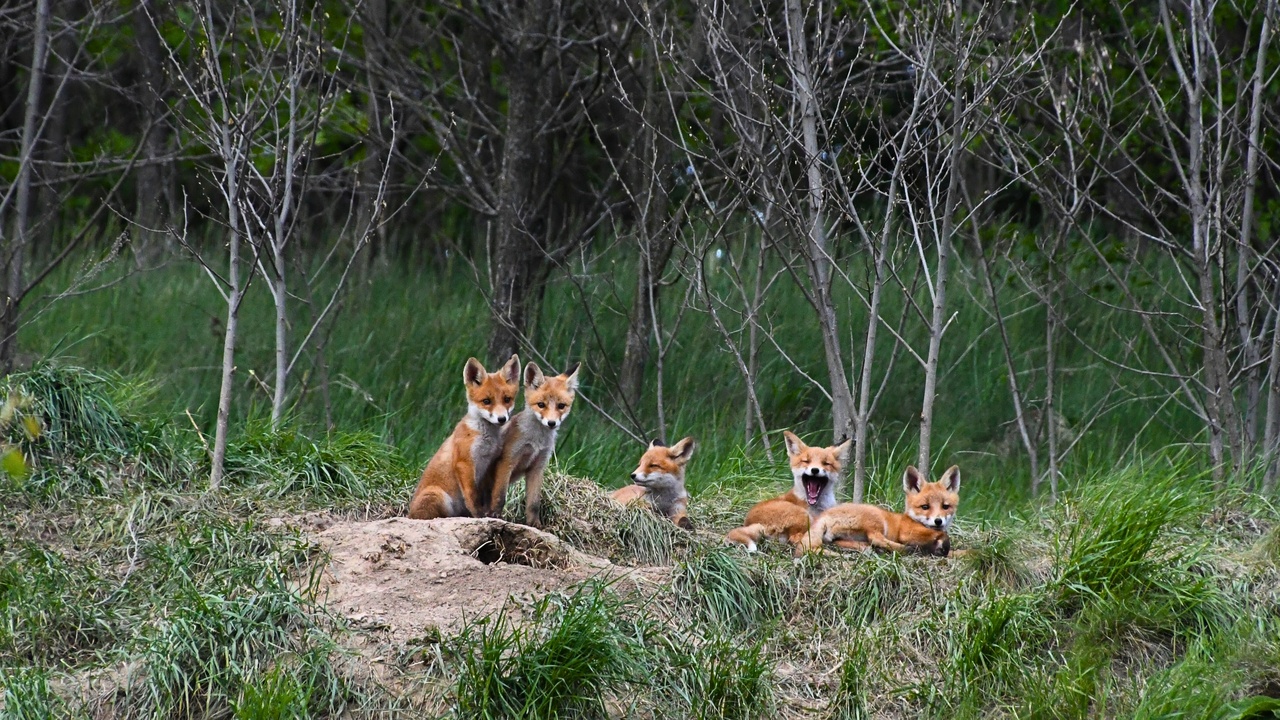
Adaptations such as flexible diet, denning behavior, and social signals let red foxes thrive near people. Reproductive timing and tolerance for human environments explain why they persist in cities and farmland alike.
8. Communication and social structure
Red foxes communicate with a mix of vocalizations, scent, and body language. The dramatic “vixen scream” is one of the best-known calls, often heard during the breeding season.
Scent-marking with urine and feces conveys territory boundaries and individual identity. Tail and ear postures add nuance during encounters, from aggression to submission.
Although mainly solitary hunters, foxes form family groups around dens in spring. Understanding these signals can help people mitigate conflicts without harming animals—for example, by recognizing den activity and avoiding disturbance.
9. Reproduction and lifecycle
Red foxes breed in late winter. Gestation runs about 51–53 days, producing an average litter of 4–6 kits, though litters can range from 1 to 13 depending on conditions and female health.
Kits spend the first weeks in a den and typically begin leaving the denat about 4–6 weeks old. Juvenile mortality is high in the first year, influenced by food availability, weather, and predation.
Managers and well-meaning residents should avoid disturbing dens in spring. Protecting maternity areas helps maintain stable local populations and reduces the chance of orphaned kits requiring intervention.
10. Urban adaptability and human interactions
Red foxes are among the most adaptable carnivores and commonly exploit urban environments. Cities such as London, Bristol, Berlin, and Toronto host established populations that use green spaces, gardens, and urban edge habitats.
Urban diets often include anthropogenic food—leftover human food, compost, and accessible bins—leading to reduced wariness in some local populations. That boldness raises human-wildlife concerns like garden poultry losses and occasional disease risk where rabies exists.
Balanced management focuses on reducing attractants, securing bins and pet food, and protecting poultry with fencing. Municipal programs (for example, London’s public guidance) emphasize coexistence over eradication.
Summary
- Red foxes combine a distinctive appearance—russet or variable pelage and a long brush—with teeth and senses tuned to an opportunistic diet.
- Their behavior—flexible hunting, crepuscular activity, and territory use—helps control rodents and shapes local prey dynamics.
- Reproductive traits (breeding in late winter, ~51–53 day gestation, average 4–6 kits) and high juvenile mortality mean populations respond quickly to good or poor conditions.
- Urban adaptability explains why they thrive near people; practical coexistence measures include securing bins and poultry enclosures and following local wildlife guidance.
- Keep observing responsibly: enjoy sightings, avoid disturbing dens in spring, and support sensible local policies that balance human needs with the red fox’s ecological role.