In the early 20th century, commercial whaling drove many whale populations to the brink — a stark reminder of how remarkable and vulnerable these animals are.
Whales combine extreme physical adaptations, complex behaviors, and ecological roles that make them unique among mammals; this article breaks down 10 defining characteristics to explain how and why.
Understanding these traits matters for science, conservation, and public interest because they explain why whales shape ocean food webs, why some species recover slowly from human impacts, and why particular protections work. Blue whales can reach about 30 meters, a concrete reminder of the scale involved. The discussion that follows groups ten key points into physical traits, feeding and senses, behavior and life history, and physiological extremes plus conservation relevance.
Physical traits and body design
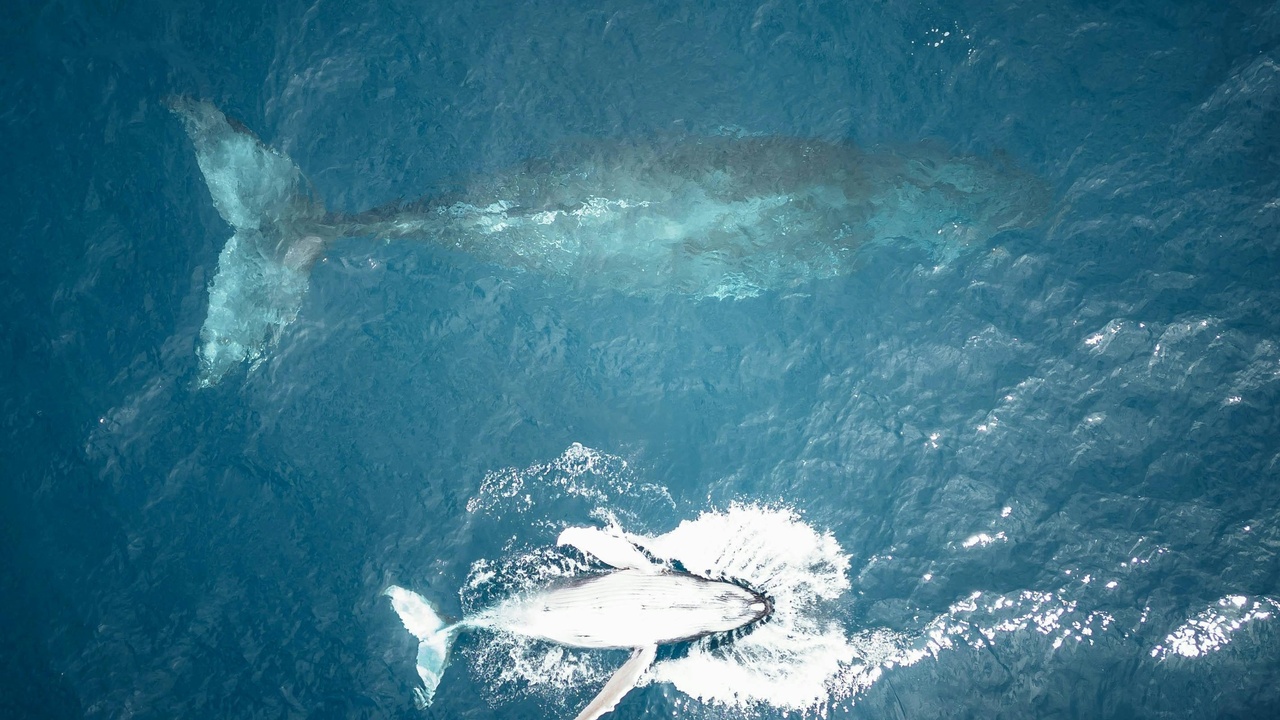
The characteristics of a whale’s body plan reflect life spent in water: huge size, insulating blubber, and a hydrodynamic silhouette. These features influence heat retention, buoyancy, and efficient long-distance locomotion. Species examples such as blue whales, humpbacks, and sperm whales illustrate variations on that shared design.
1. Massive size and streamlined form
Many whales are the largest animals on Earth, and size matters for thermoregulation and energy efficiency. Blue whales commonly measure about 24–30 meters and can weigh up to roughly 180 metric tons, far exceeding the largest terrestrial mammals.
Larger bodies lose heat more slowly because surface area grows less quickly than volume, so a huge whale can conserve warmth in cold seas. Metabolic scaling also means bigger species need vast food supplies but use energy more efficiently per kilogram than small animals.
That scale has practical consequences: large whales are vulnerable to ship strikes, they attract whale-watching tourism that can benefit coastal economies, and their food needs shape migration and foraging behavior.
2. Thick blubber and thermal insulation
Blubber is a multifunctional fat layer under the skin that insulates, stores energy, and helps with buoyancy and streamlining. Thickness varies among species and individuals, and right whales are known for very thick blubber compared with some rorquals.
Blubber also acts as an energy reserve during fasting or long migrations: lactating mothers transfer huge amounts of fat-rich milk to calves, enabling rapid calf growth. Historically, humans harvested whale oil from blubber; today that same energy store is central to survival in cold oceans.
Because blubber affects buoyancy and body shape, it also influences swimming efficiency and how animals handle long-distance movements and deep dives.
3. Hydrodynamic body, flippers, and tail flukes
Whales are built to move through water with minimal drag: a streamlined body, paired pectoral fins for steering, and powerful tail flukes for propulsion. Movement is driven by vertical strokes of the fluke rather than side-to-side tail motion seen in fish.
Humpbacks have unusually long pectoral fins that increase maneuverability and allow agile turns during bubble-net feeding, while smaller rorquals such as minkes can achieve higher sustained speeds. Efficient fluke-driven propulsion supports seasonal migrations that span thousands of kilometers.
Fluke stroke amplitude and frequency affect swimming economy, so morphology ties directly to migration ability and foraging style across species.
Feeding systems and sensory adaptations
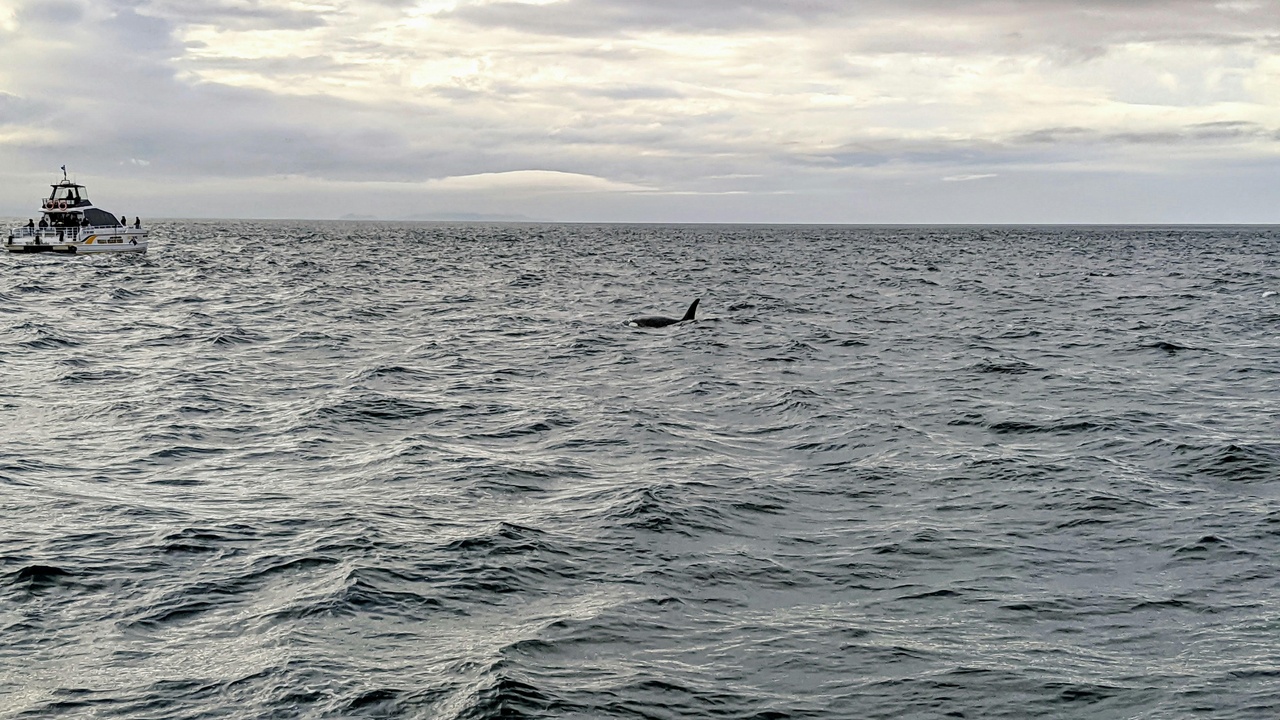
Whales display two major feeding strategies—baleen filter feeding and toothed predation—and possess sensory systems tuned to those diets. Baleen whales filter dense patches of small prey, while toothed whales hunt individual fish or squid with aid from echolocation and acute hearing. These differences shape ecological roles and social behaviors.
4. Baleen or teeth: two feeding strategies
Whales either carry baleen—keratin plates that act as sieves—or they have teeth for grasping and rending prey. Baleen plates trap krill and small fish as water drains from a whale’s mouth, while toothed whales use teeth plus suction or pursuit to capture larger prey.
Rorquals (e.g., blue and humpback whales) perform lunge feeding: they expand throat grooves to engulf huge volumes of water and prey, then filter it through baleen. That feeding style concentrates nutrients and can influence local productivity through fecal plumes that recycle iron and nitrogen.
Orcas and sperm whales use teeth to take larger prey, and hunting tactics often reflect social coordination and learned techniques within populations.
5. Echolocation and acute hearing in toothed whales
Echolocation is a precise biological sonar used by odontocetes (toothed whales) to navigate and detect prey in dark or deep water. Animals emit high-frequency clicks and listen for returning echoes to resolve fine details at close range.
Sperm whales routinely hunt at depth using powerful clicks, and dolphins achieve centimeter-scale resolution for nearby targets. Hearing is also adapted to low-frequency signals used in long-range communication. Human-made noise—shipping, seismic surveys, and naval sonar—can mask or disrupt these cues, and agencies such as NOAA document noise impacts on marine mammals.
Noise mitigation and quieter ship technology are concrete ways to reduce interference with echolocation and communication in sensitive species.
6. Large mouths, tongues, and feeding mechanics
Mouth and throat morphology match feeding strategy: rorquals have expandable throat grooves for engulfment, right whales have dense baleen racks for continuous filtering, and orcas possess powerful jaws for seizing prey. Tongue and throat muscles help create suction or force water through baleen.
Lunge-feeding rorquals can engulf several tonnes of water in one gulp; the rapid acceleration and deceleration of that maneuver require strong musculature and elastic tissues. When prey abundance changes, feeding efficiency directly affects body condition and timing of migrations.
Thus, morphology, feeding mechanics, and prey distribution are tightly linked across ecosystems.
Behavior, social structure, and life history
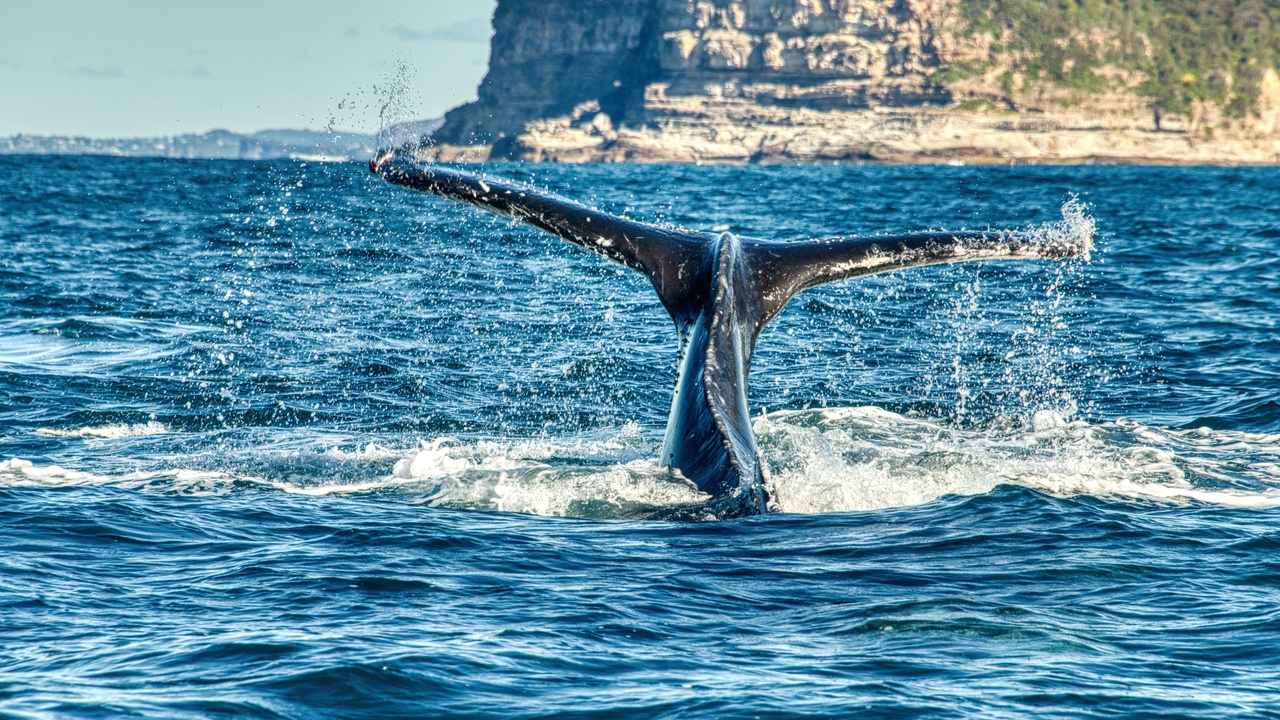
Whale behavior and life histories vary widely: some species form tight, multigenerational social units, others are more solitary, and many embark on long seasonal migrations. Social systems and slow reproductive schedules are central to their conservation dynamics.
7. Long migrations and seasonal movements
Many whales migrate seasonally between high-latitude feeding grounds and low-latitude breeding areas, with journeys covering thousands of kilometers. Humpbacks, for example, travel from polar feeding sites to tropical breeding lagoons each year.
Gray whales follow coastal flyways along predictable routes, concentrating them in narrow corridors where ship strikes and entanglement risks rise. Protecting migratory corridors and coordinating international management is essential because these movements cross national jurisdictions.
8. Social structures: pods, pods within populations
Social systems range from solitary individuals to tight-knit pods that can persist for generations. Orca populations often live in matrilineal pods with distinctive, culturally transmitted hunting traditions—some specialize on fish, others on marine mammals.
Sperm whales form social units in which females and calves cluster together while adult males roam more widely. Social learning spreads specialized behaviors—tool use, hunting strategies, and migration timing—which can increase resilience but also make populations vulnerable if key knowledge-holders are lost.
Physiological extremes and conservation relevance
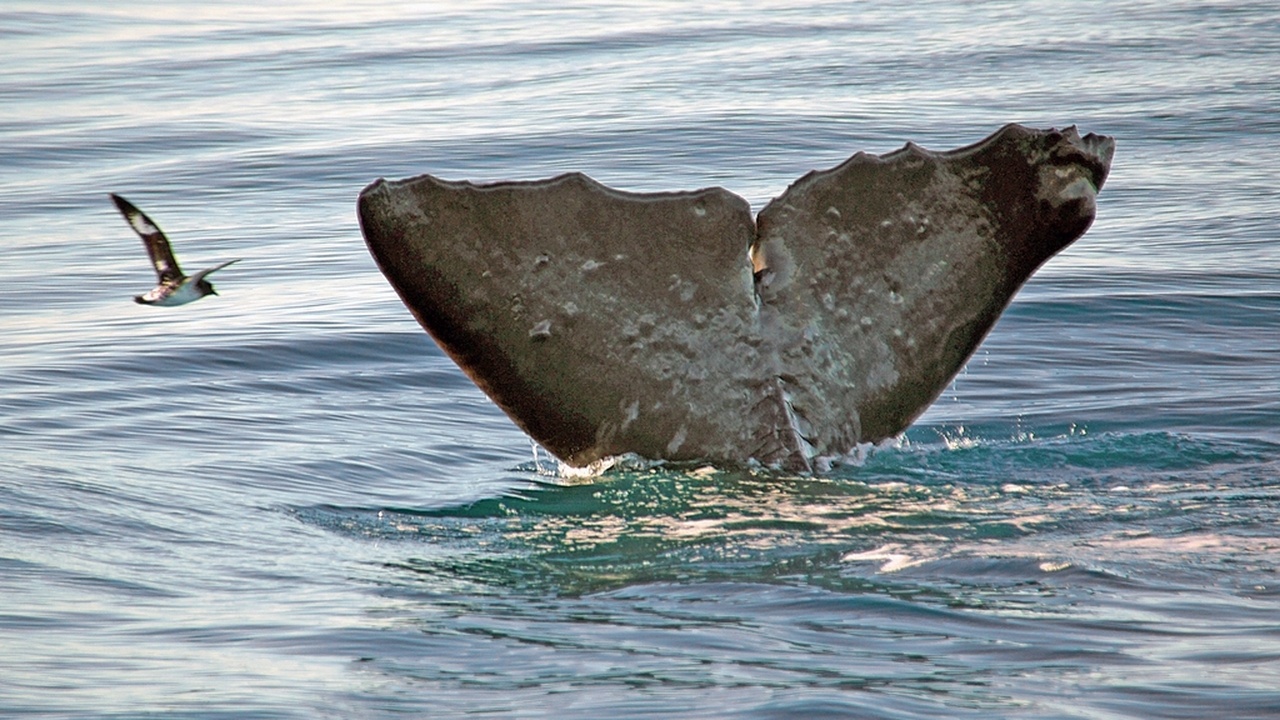
Whales tolerate remarkable physiological extremes—extended breath-holds, deep dives, and long migrations—but those same adaptations interact with slow reproduction to complicate conservation. Policy milestones such as the 1986 IWC moratorium mark progress, yet many threats remain.
9. Extreme diving and oxygen management
Whales have specialized systems for long, deep dives: large blood and muscle oxygen stores, the ability to slow heart rate (bradycardia), and flexible lungs that collapse to avoid nitrogen buildup. These adaptations let some species dive for extended periods while hunting at depth.
Sperm whales are among the deepest divers, routinely exceeding 2,000 meters and making foraging dives often lasting 60–90 minutes to pursue giant squid. Deep-diving behavior shapes prey selection and exposes whales to deep-water noise and sonar, which can alter diving patterns and strandings (see NOAA and IUCN guidance).
Understanding dive physiology helps managers assess risks from offshore industry activities and design mitigations to reduce disturbance to deep-diving species.
10. Slow reproduction, long lifespans, and conservation status
Whales generally have slow life histories: gestation commonly ranges from about 10 to 17 months, sexual maturity occurs late compared with many other mammals, and many species live for decades—some individuals reaching 70–90 years.
Those traits mean populations recover slowly after losses. The 1986 International Whaling Commission (IWC) commercial whaling moratorium was a pivotal policy action, but threats such as ship strikes, entanglement, climate-driven prey shifts, and noise still hinder recovery. Conservation status varies by species; consult the IUCN Red List for details on particular populations.
Effective protections combine science-based policy, fisheries management, quieter shipping, and targeted rescue efforts to address the compounding risks these slow-reproducing animals face.
Summary
Characteristics of a whale—from immense size and insulating blubber to echolocation, deep diving, complex social cultures, and slow reproduction—explain both their ecological importance and why conservation remains urgent.
- Whales combine extreme physical and behavioral traits that underpin ocean food webs and nutrient cycles.
- Slow life histories and human threats (whaling, ship strikes, entanglement, noise) make recovery difficult; policy actions like the IWC 1986 moratorium helped but are not sufficient alone.
- Practical steps: support reputable organizations (NOAA, IUCN, local NGOs), practice low-impact whale watching, and back science-based protections to help populations recover.