In 1966, researchers documenting peregrine falcons on urban skyscrapers noticed the birds using ledges the same way cliff-nesting falcons do — a reminder that raptors shaped human perception of the skies long before skylines existed.
Understanding their anatomy and behavior matters for birdwatching, conservation, and even engineering. Raptors combine striking physical design with sensory and behavioral specializations that make them efficient hunters and useful ecological indicators.
This article breaks those traits into four clear categories — physical features, flight and wings, senses and cognition, and behavior and ecology — and explains eight defining characteristics within them. Expect concrete examples (harpy eagle talons, peregrine stoops, bald eagle wingspans), applied notes for rehabilitation and conservation, and a few surprising stats.
Now, let’s start with the physical adaptations that form the foundation of raptor hunting ability.
Physical adaptations that define raptors
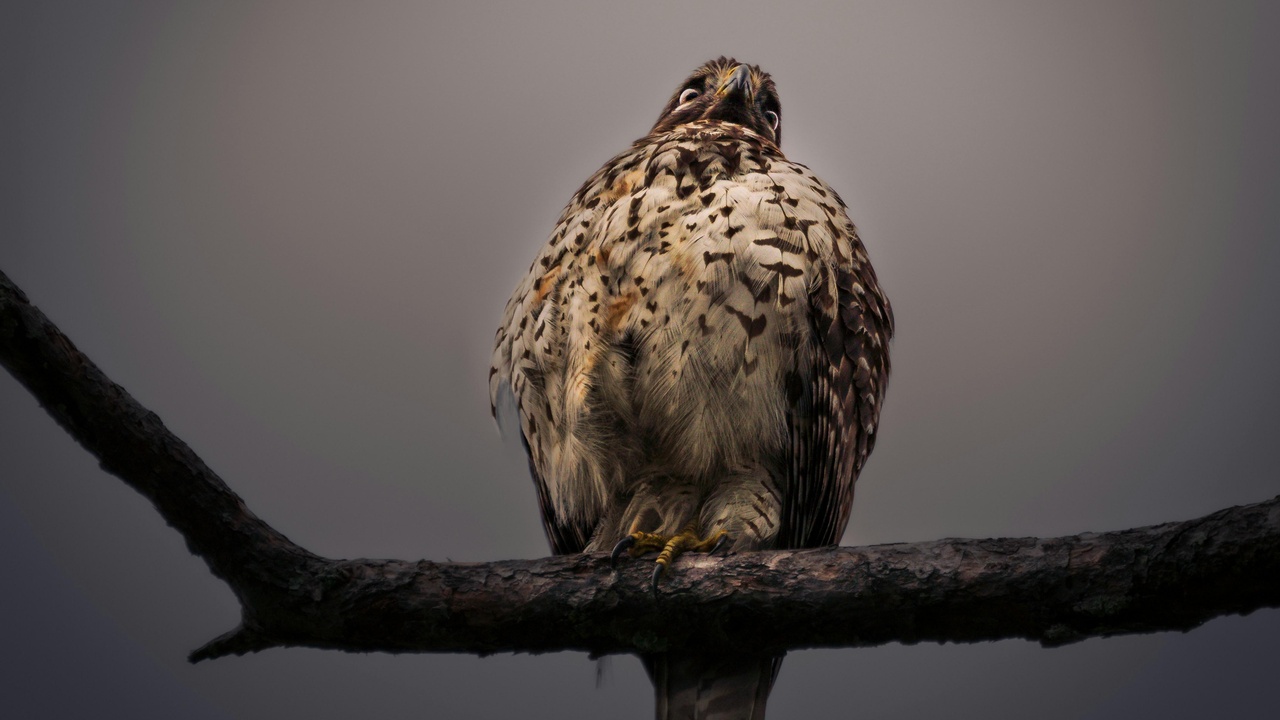
Physical adaptations are the baseline for hunting success in roughly 500 species commonly classed as raptors worldwide. Talons, beak shape, and muscular bodies aren’t incidental — they are engineered solutions to catching, killing, and processing animal prey. Size and form vary with diet: fish-eaters, bird-hunters, mammal specialists and scavengers show distinct morphologies that match their niches.
Two primary physical features recur across groups: grasping feet with curved talons and a hooked beak for tearing flesh. Together with a short, powerful gut and strong digestive acids, these traits let raptors take down and consume prey that would challenge many other predators.
1. Talons and feet built for grip and control
Talons are the raptor’s principal hunting tool. Most have sharply curved claws driven by powerful flexor tendons that lock the grip when a foot clamps down, allowing a bird to hold struggling prey with little muscular effort.
Form follows function: species that take fish (osprey) have spicules on the underside of their toes and a reversible outer toe to secure slick prey, while forest ambushers (harpy eagle) have enormous, thick talons able to crush medium-sized mammals. A harpy eagle’s talon can be comparable in size to an adult human hand, giving a visceral sense of the mechanical advantage involved.
Practical knowledge of talon anatomy informs falconry gear and veterinary care — jesses, perches, and banding techniques all reflect how feet distribute load and resist fracture. In the wild, these feet enable behaviors from eagles carrying fish to harpies gripping monkeys taken from the canopy.
2. Hooked beak and digestive adaptations for meat-eating
The hooked beak is specialized for tearing flesh. A strong tomial edge — and in falcons a tomial “tooth” on the beak’s cutting edge — allows rapid killing and efficient dismemberment. Falcons can use that tomial notch to sever spinal columns during a strike.
Jaw musculature supports shearing and tearing rather than crushing. Behind ingestion, raptors typically have a relatively short gut and potent stomach acids that break down raw meat quickly; vultures have especially corrosive gastric juices that neutralize many pathogens in carrion.
Those mechanics matter for rehabilitation and captive diets: understanding beak force and digestive timing helps caretakers provide appropriately sized food and monitor weight and health. Contrasts are instructive — peregrines use a killing bite, eagles tear chunks, and vultures process carrion.
Flight and wing design: the physics of aerial hunting
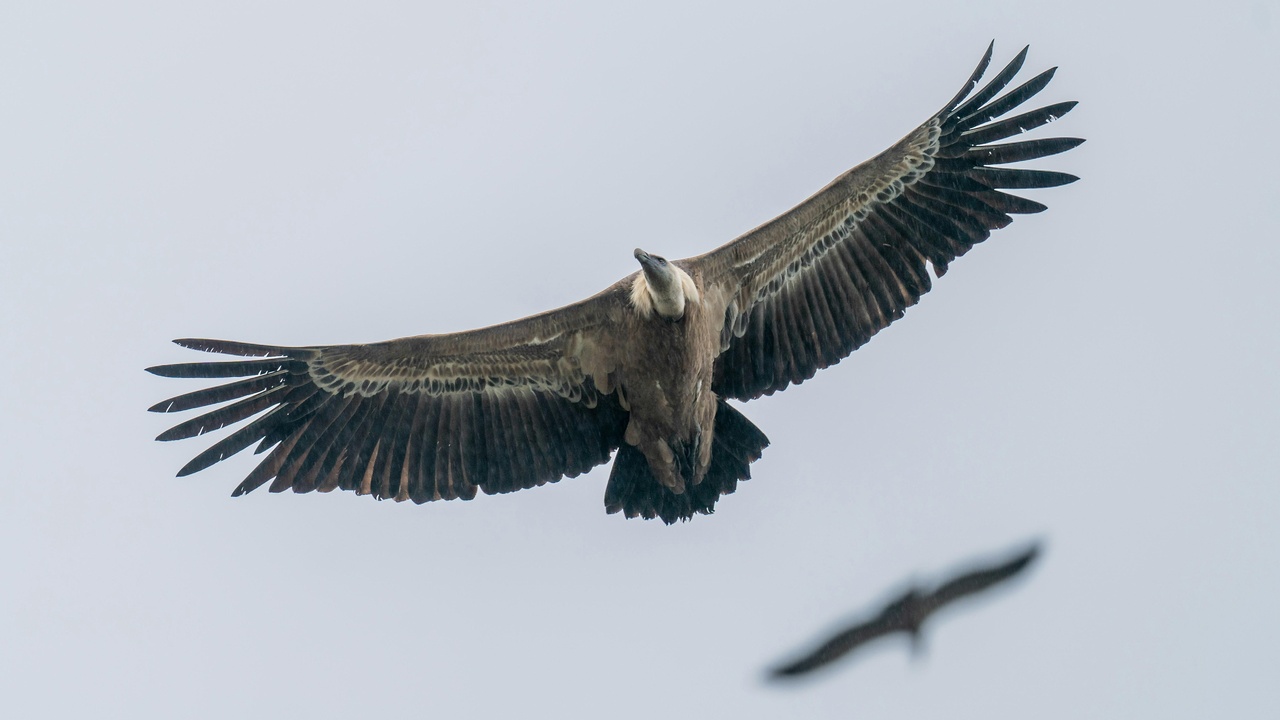
Wing shape, wing loading and tail design determine whether a raptor soars on thermals, hovers, or executes high-speed stoops. Wing loading (weight divided by wing area) and aspect ratio (wing length relative to width) set the trade-off between maneuverability, lift and top speed. Evolution has tuned those parameters to hunting niches across landscapes and seascapes.
Two clear flight-related adaptations dominate: broad, lift-oriented wings for soaring and streamlined, stiff-winged bodies for spectacularly fast dives. Understanding those modes helps conservationists plan migratory corridors and mitigate turbine strike risks.
3. Broad wings and high aspect ratios for soaring
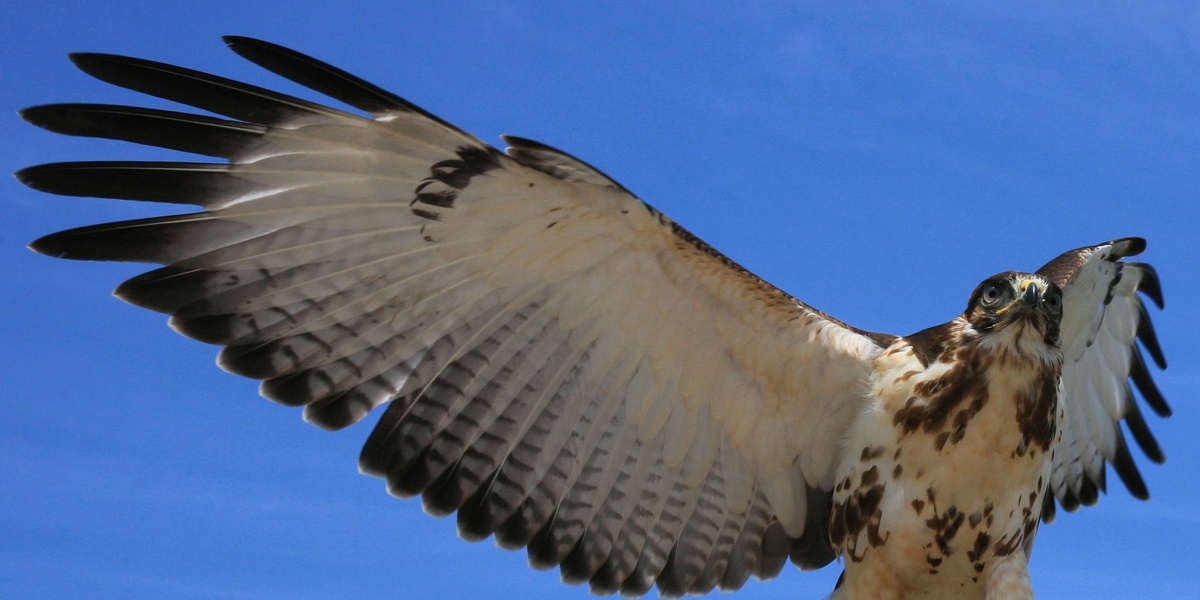
Many large raptors have long, broad wings optimized for soaring and energy-efficient travel. Bald eagles commonly span 6–7.5 ft (1.8–2.3 m); red-tailed hawks are around 4 ft (≈1.2 m).
These wings exploit thermals so birds can cover great distances with little flapping. Soaring reduces metabolic cost: migrating raptors may spend a large majority of travel time riding thermals rather than flapping (studies show energy savings measured in orders of magnitude compared with continuous flapping).
Practical implications are real: flight-path data from soaring species informs placement of wind turbines and identification of important stopover sites. Turkey vultures and many eagles rely on thermals extensively during migration and daily patrols of territory.
4. Aerodynamic bodies and the peregrine stoop
Some raptors evolved for sheer speed. The peregrine falcon’s stoop is the classic example: recorded dive speeds reach about 240 mph (≈386 km/h), placing it among the fastest animals on Earth.
Aerodynamic features enable those stoops: slim, tapered bodies, stiffened wing posture during the dive, and specialized feathering to reduce turbulence. The result is minimal drag and exceptional control at high velocity.
Engineers study these dives when designing UAVs and high-speed aircraft components because the stoop shows how morphology and control surfaces combine to manage extreme speed and maneuverability. In the field, a peregrine stoop often ends with a wing-clash or a mid-air strike that incapacitates the target bird.
Sensory and cognitive advantages
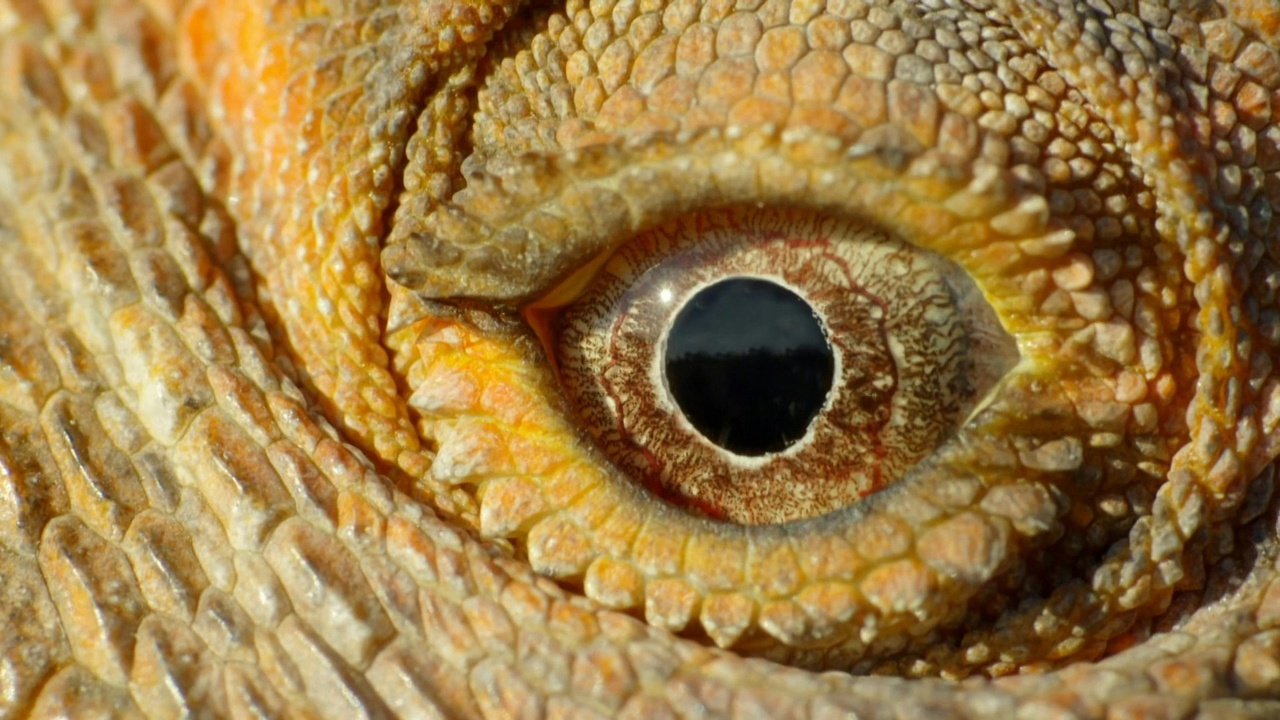
Raptors combine exceptional sensory systems with cognitive skills that support hunting, navigation and territory management. Vision is a standout for diurnal hunters; owls pair outstanding hearing with silent flight for nocturnal pursuit.
These sensory edge cases — from multiple foveae to asymmetrical ears — explain why raptors succeed across environments and why they often occupy top trophic roles within ecosystems.
5. Exceptional eyesight: acuity, color, and depth perception
Diurnal raptors rank among the sharpest visual predators. Many hawks and falcons see roughly 4–8 times as well as a human, thanks to large eyes, dense cone photoreceptor arrays and, in some species, two foveae that allow both long-distance tracking and detailed near focus.
That acuity supports critical behaviors: a hawk can spot small rodents from several hundred feet, select individual prey in mixed flocks, and time a dive to intercept moving targets. Some species also detect near-ultraviolet wavelengths, which helps in prey detection and plumage signaling.
Field ornithologists (Cornell Lab of Ornithology) document how vision-driven hunting informs perching behavior, territorial displays, and migration timing — all useful cues for birders and researchers alike.
6. Hearing, facial discs, and spatial orientation (especially in owls)
Nocturnal raptors rely on hearing as much as eyesight. Owls have facial discs that funnel sound and ears set asymmetrically on the skull, enabling precise three-dimensional localization of prey beneath snow, leaves, or in complete darkness.
Classic experiments with barn owls show they can pinpoint a rustling mouse by sound alone, then strike with millisecond timing. Those capabilities affect nesting and rehabilitation: quiet release sites and minimal handling reduce disruption to an owl’s acute auditory orientation.
Combined auditory and visual processing gives raptors flexible strategies across light conditions, widening the array of niches they occupy and the prey they can exploit.
Behavior, ecology and conservation implications
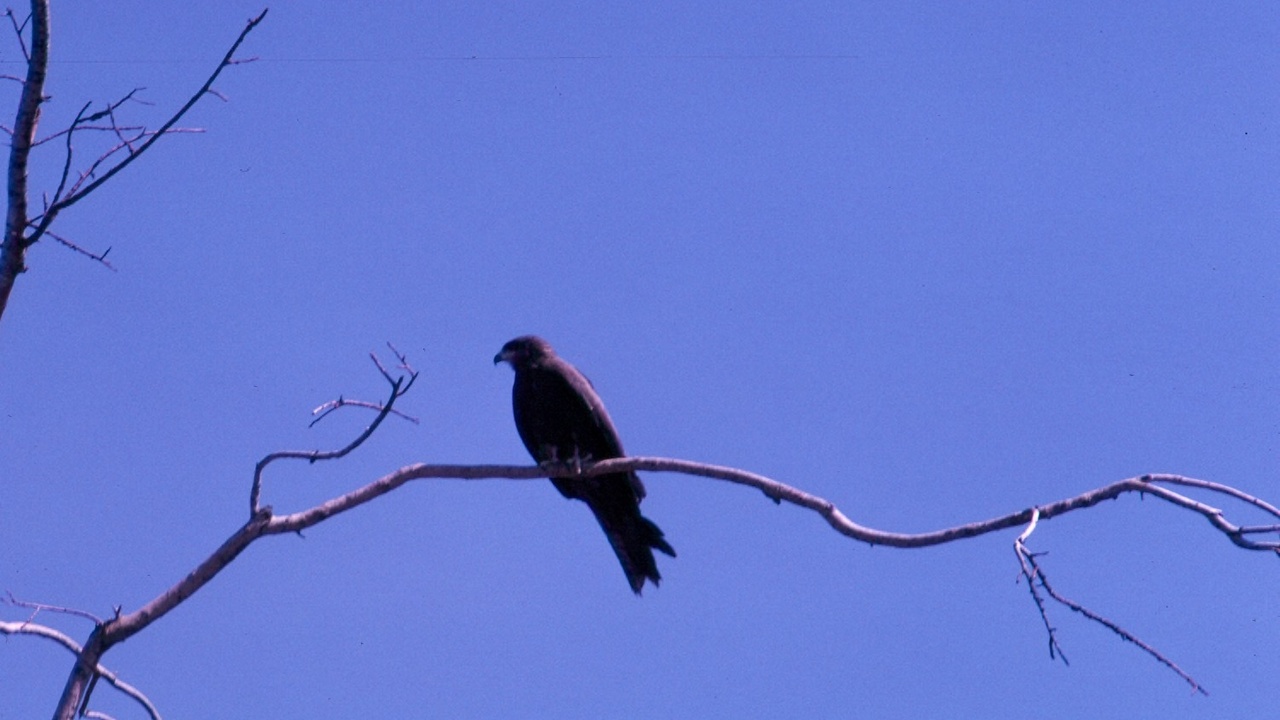
Behavioral traits — territoriality, pair bonds, nesting fidelity and specialized diets — shape ecosystems and make raptors excellent ecological indicators. Human activity has repeatedly changed their fortunes, with the 1972 DDT ban in the U.S. standing out as a turning point for species recovery.
Below are two behaviorally focused characteristics that tie ecology to conservation practice, management, and public engagement.
7. Diverse hunting strategies and diet specialization
Raptors use a spectrum of hunting techniques: aerial stoops (peregrine), perch-and-pounce (many hawks), hovering and plunge-diving (osprey), canopy ambush (harpy eagle), and scavenging (vultures). Morphology often predicts diet and approach.
Ospreys are nearly exclusive fish specialists and show reversible toes and spiny foot pads for grasping slippery prey. Harpy eagles, adapted to dense tropical canopy, take medium-sized mammals such as monkeys and sloths, reflecting strong talons and short wings for maneuvering between trees.
Managers use knowledge of these strategies to reduce conflict — for example, advising livestock protection when local raptors target young animals or siting fisheries to reduce bycatch and disturbance.
8. Territory, breeding, longevity, and conservation status
Many raptors hold territories and form long-term pair bonds, returning to the same nest sites year after year. Lifespans reflect different pressures: bald eagles commonly live 20–30 years in the wild, and some raptors reach similar multi-decade ages under favorable conditions.
Globally, roughly 500 raptor species face varied threats including habitat loss, secondary poisoning, illegal persecution, and collisions. The 1972 ban on DDT in the United States is a landmark example: it contributed to dramatic recoveries for bald eagles and peregrines in many areas.
Readers can help by supporting local rehabilitation centers, reporting injured birds to licensed responders, participating in citizen-science monitoring, and backing habitat-protection initiatives promoted by groups such as Audubon, RSPB and the Cornell Lab of Ornithology.
Summary
- Talons and hooked beaks are the mechanical core of raptor hunting—harpy eagle talons approach the size of a human hand, and osprey feet have spicules and a reversible toe for fish.
- Wing design determines hunting style: bald eagle wingspans are typically 6–7.5 ft (1.8–2.3 m) for soaring, while the peregrine falcon can stoop at speeds near 240 mph (≈386 km/h).
- Sensory specializations matter: many diurnal raptors see 4–8× better than humans, and owls use facial discs and asymmetrical ears to locate prey by sound even in total darkness.
- Behavior and ecology link to conservation: about 500 species worldwide face threats mitigated by policies like the 1972 DDT ban, and by local support for rehabilitation and habitat protection.
- Support local raptor groups, report injured birds to licensed centers, and observe these remarkable predators from a safe distance to help ensure their continued recovery.