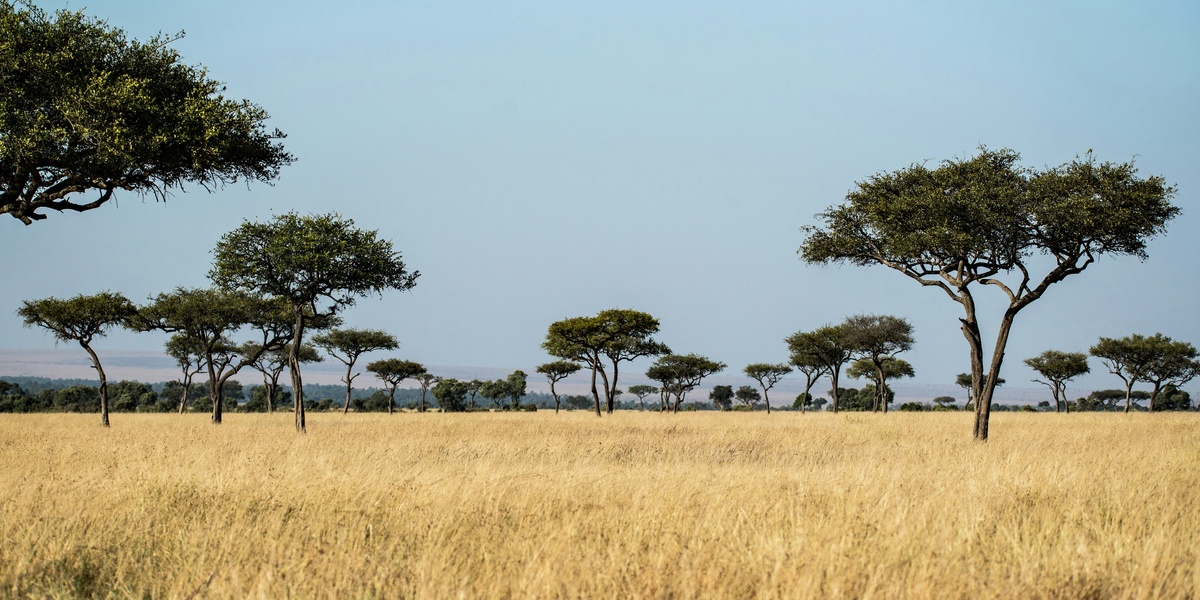
Savannas cover roughly 20% of Earth’s land surface and are defined by seasonal droughts, periodic fires, and heavy grazing pressure—conditions that have shaped a distinctive set of plant traits.
These ecosystems deliver major services: carbon storage, forage for livestock and wildlife, and biodiversity that supports medicines and local livelihoods. Annual rainfall in savannas typically ranges from about 500–1,200 mm, and fire-return intervals in many regions fall between 1–5 years—forces that shape how plants grow, reproduce, and persist.
The article explains eight key characteristics of savanna plants, grouped into water and drought strategies, fire responses, grazing defenses and life-history traits, and nutrient and human-use roles, with species examples and practical implications for land managers and pastoralists.
H2: Water and Drought Adaptations
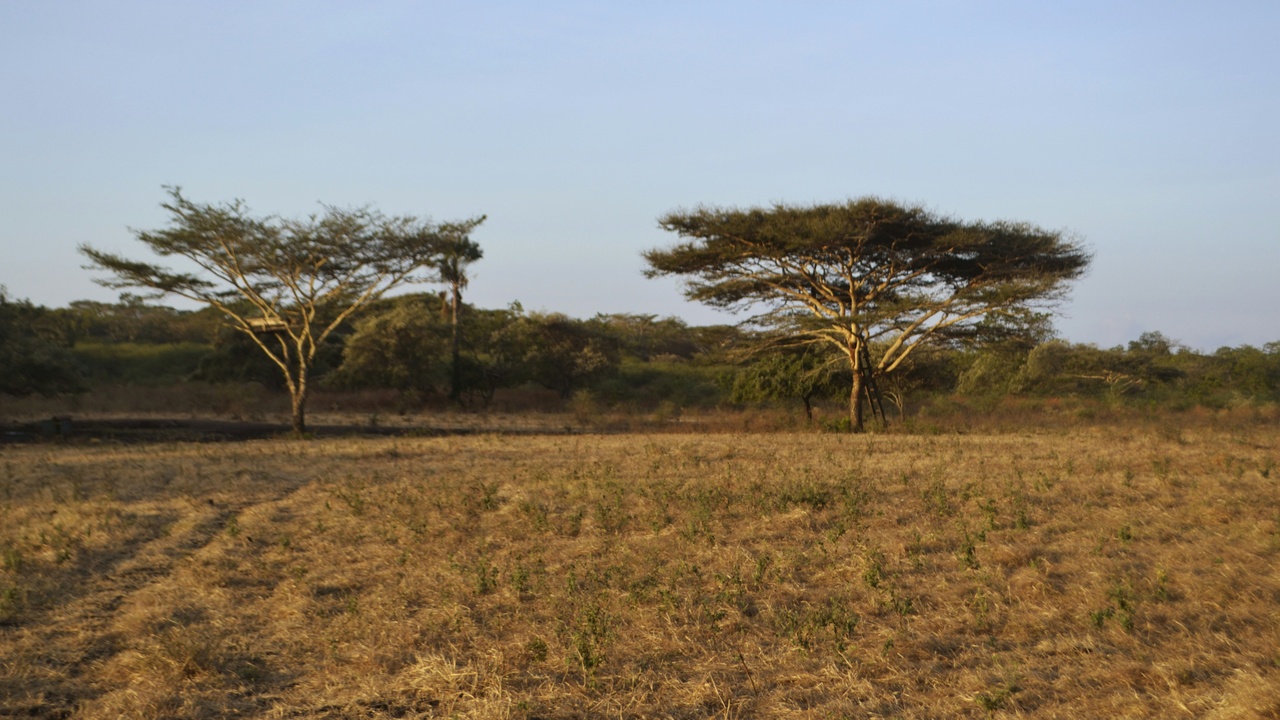
Seasonal rainfall and prolonged dry seasons are the dominant drivers in many grassland ecosystems, so plants have evolved multiple complementary ways to secure moisture. Deep roots, water-storing tissues, and leaf-level strategies often coexist in the same community, allowing trees, shrubs and grasses to occupy different soil layers and seasonal niches.
1. Deep and Extensive Root Systems
Many savanna plants use deep or widespread roots to reach soil moisture unavailable to shallow-rooted species. Field studies show roots commonly penetrate several meters in trees; some individuals tap shallow groundwater or deep moisture lenses during long dry spells.
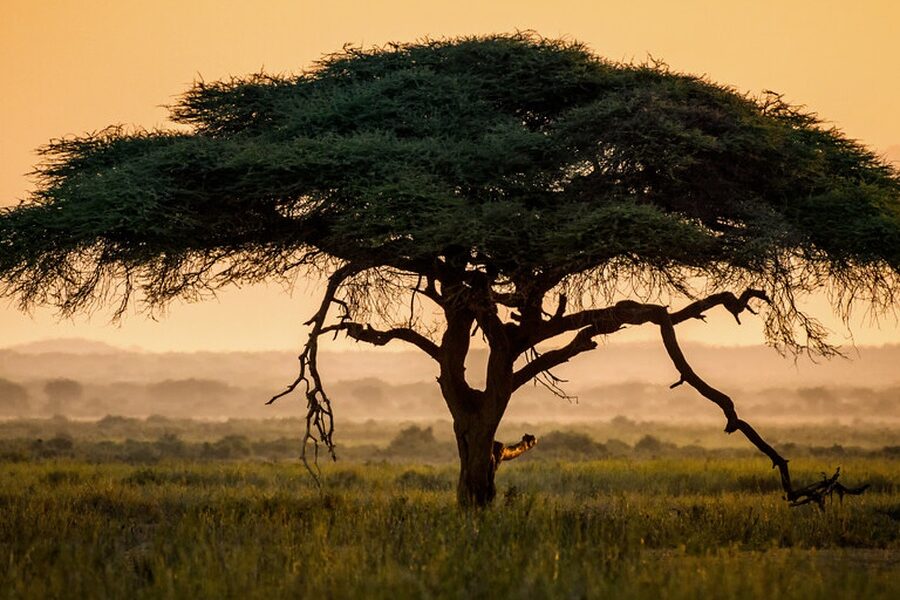
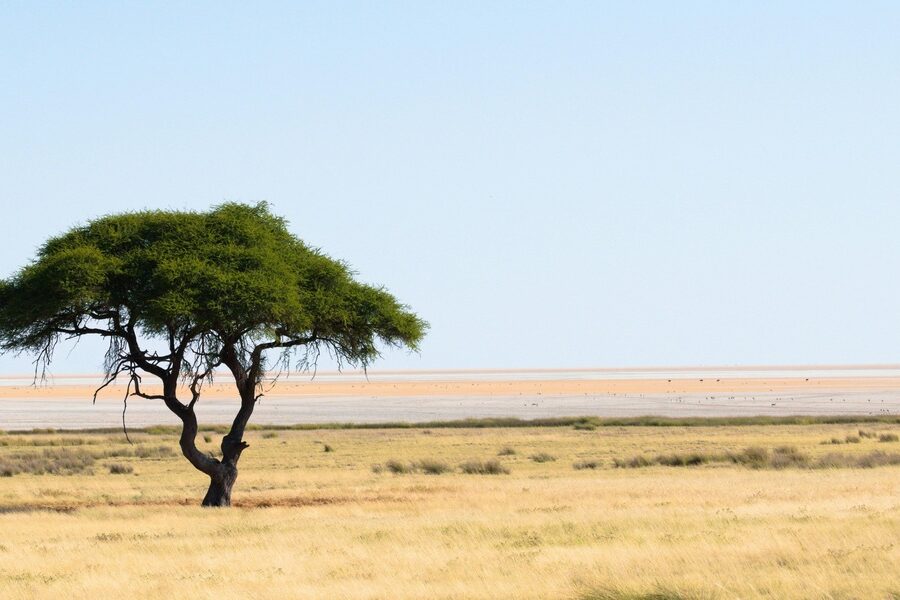
Deep-rooted species stabilize trees through droughts and help maintain forage by accessing water that sustains leafing or resprouting. Baobab (Adansonia digitata) buffers seasonal water availability with large storage tissues complemented by extensive roots, while Vachellia/Acacia species often develop deep taproots to survive multi-month dry seasons.
2. Water Storage and Leaf Economies
Some savanna plants store water in thick trunks, stems or succulent tissues, while many others reduce water loss with small, waxy or deciduous leaves. Baobab trunks act as living reservoirs, and succulent Euphorbia shrubs appear in drier savanna fringes.
Leaf-drop is common: many trees become leafless for several months during the dry season to cut transpiration, and grasses often senesce aboveground biomass until the rains return. These strategies increase tree survivorship and influence forage quality—fresh, nutrient-rich regrowth typically follows the first rains.
H2: Fire and Disturbance Strategies
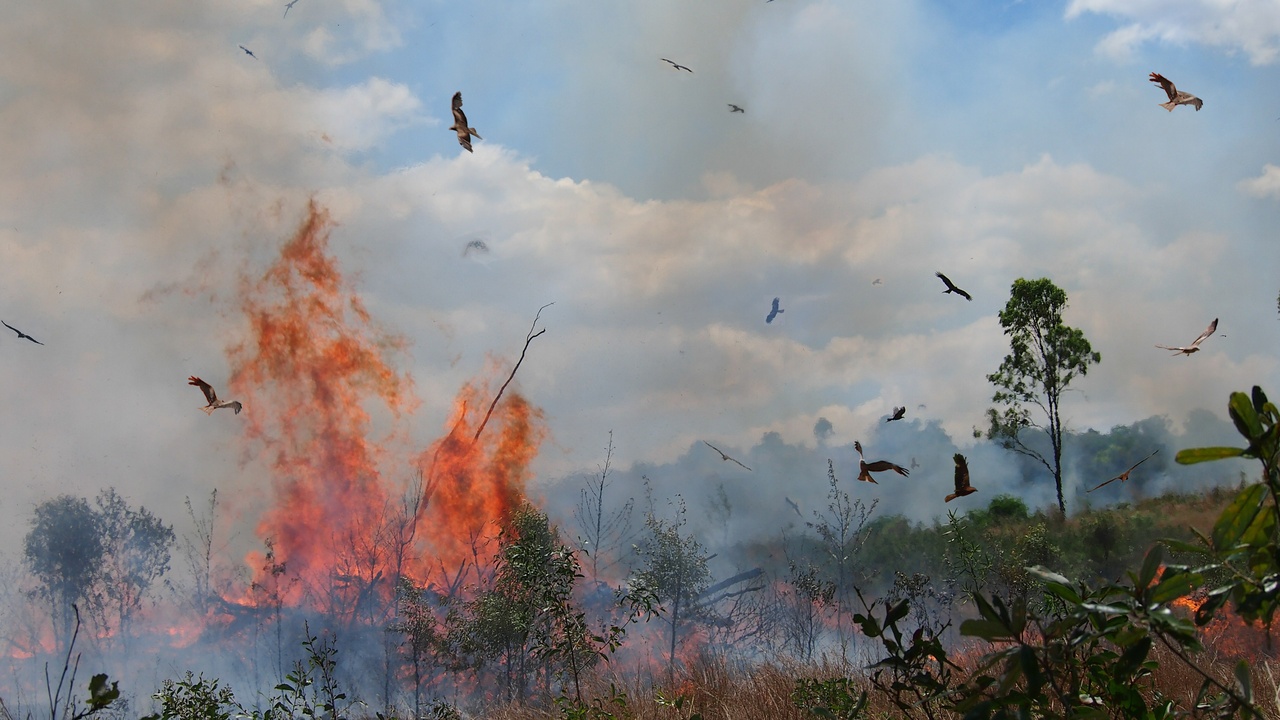
Frequent fire is a defining disturbance in many savannas (fire-return intervals often 1–5 years), and plants have evolved both fire-resistant and fire-resilient traits. These adaptations let individuals survive top-kill, regenerate rapidly, or even exploit post-fire conditions for recruitment.
3. Thick Bark and Protective Structures
Many savanna trees develop thick, insulating bark that reduces heat penetration to the cambium during fires. Studies note that bark thickness increases with age and repeated exposure, and on mature trees it can reach several centimeters—enough to protect living tissues in low-intensity burns.
Thick-barked individuals persist through seasonal burning and continue to provide habitat and food for wildlife. Examples include mature Eucalyptus species in Australian savannas and some African Acacia/Vachellia trees whose bark helps them survive repeated fires tied to pastoral grazing cycles.
4. Resprouting and Rapid Regeneration
Resprouting from root crowns, basal buds or lignotubers is a common response to top-kill by fire or heavy browsing. Many woody species resprout within weeks to months, and grasses can regrow foliage within a few weeks after a burn.
This capacity maintains woody cover and quickly restores forage after disturbance, which supports livestock and wildlife. Coppicing species in Combretum and Brachystegia genera and widespread root-sprouting shrubs illustrate how resilience to top-kill stabilizes savanna vegetation under frequent disturbance.
H2: Growth Form, Reproduction, and Herbivory Defenses
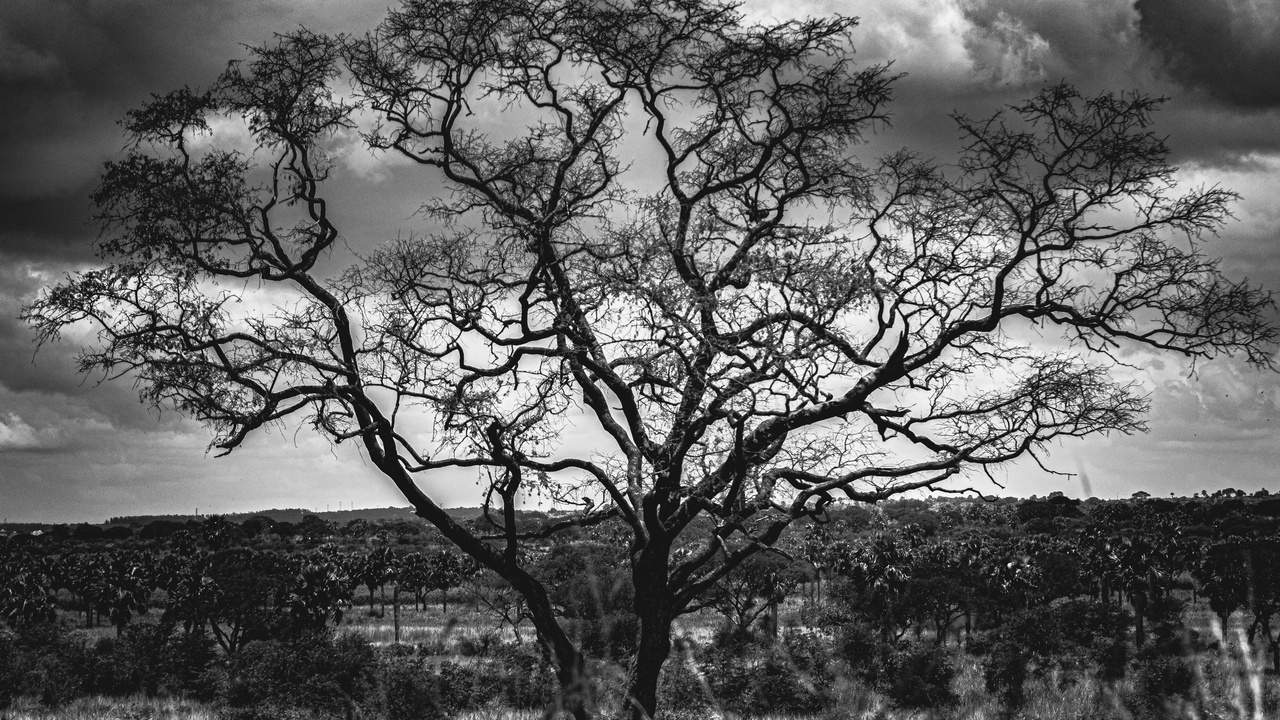
Heavy grazing by large herbivores—elephants, wildebeest and cattle—shapes plant architecture, defensive structures and reproductive timing. Grasses and woody plants diverge in their strategies: grasses tolerate repeated defoliation, while many trees invest in physical or chemical defenses to reduce browsing.
5. Structural Defenses: Spines, Tough Leaves, and Tussock Growth
Physical defenses are widespread: thorns, thick or silica-rich leaves, and dense tussock growth protect plants from browsers. Many woody savanna species—particularly Vachellia/Acacia—bear strong thorns that deter herbivores, and grasses often develop tough blades that wear down teeth.
Tussock-forming grasses like Themeda triandra and Hyparrhenia rufa persist under repeated grazing by sheltering growth points and maintaining clonal tillers. These traits influence livestock feeding patterns and pasture productivity, as animals select softer, younger growth after disturbances.
6. Reproductive Timing and Seed Strategies
Many savanna plants concentrate reproduction in favorable seasons and rely on persistent seed banks or rapid seed maturation to exploit brief wet windows. Annual grasses commonly set seed shortly after the first rains, often within weeks, ensuring the next generation despite variable conditions.
Woody species may retain pods or seeds that germinate with reliable post-fire or rainy-season cues. These timing strategies matter for restoration and pasture reseeding: seeding immediately before or with the onset of rains yields the best establishment, while persistent seed banks can aid recovery after disturbance.
H2: Nutrient Strategies, Ecological Roles, and Human Uses
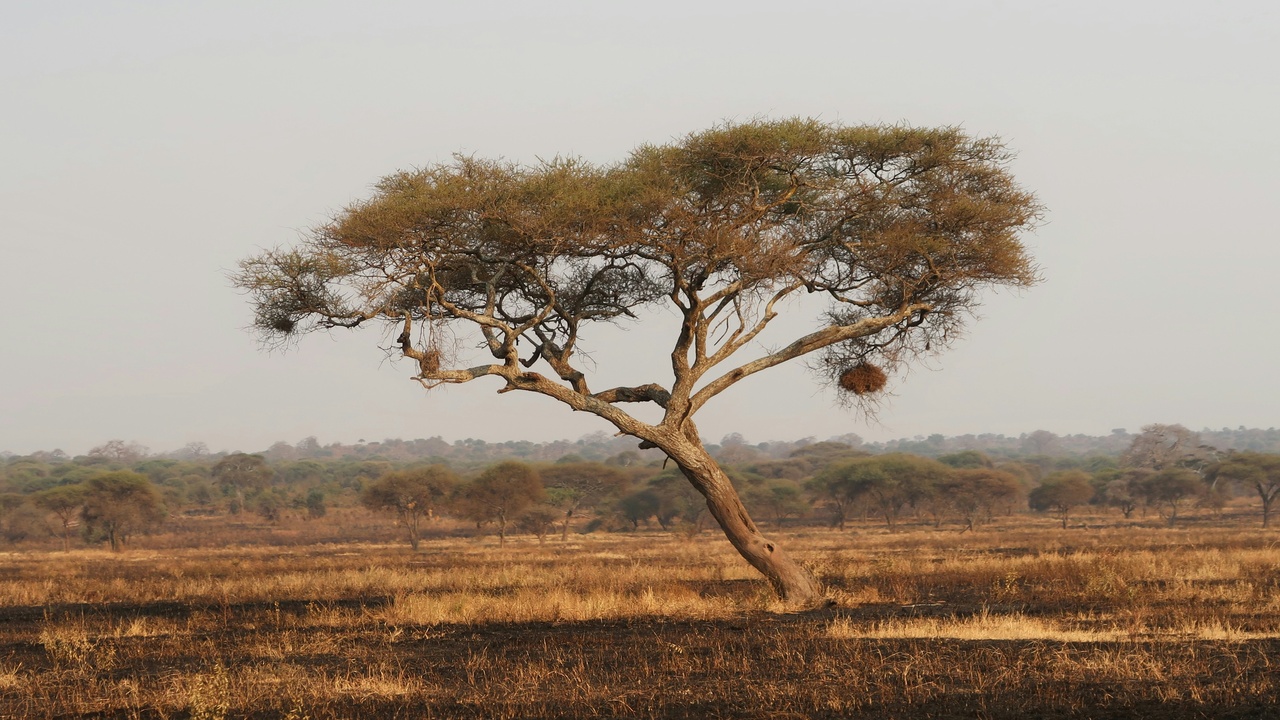
Plants in nutrient-poor soils rely on efficient nutrient capture and ecological partnerships, and they provide critical goods to people. Nitrogen-fixing trees, mycorrhizal grasses, and litter inputs shape soil fertility, while species supply forage, fuelwood, food and traditional medicines to many rural communities.
7. Nutrient-Efficient Strategies and Symbioses
Adaptations to low-nutrient soils include efficient uptake, tight internal recycling and symbioses with microbes. Legumes such as Senegalia, Vachellia and related Acacia genera fix atmospheric nitrogen through root nodules, and perennial grasses often form arbuscular mycorrhizal partnerships that aid phosphorus uptake.
Over years, clusters of nitrogen-fixing trees can significantly increase local soil nitrogen and foster richer understory growth, which has implications for restoration: planting fixers can accelerate soil recovery and improve pasture productivity.
8. Ecosystem Services and Human Uses
Savanna plants supply grazing forage, fuelwood, food, medicine and habitat. Marula (Sclerocarya birrea) yields edible fruit and oil used locally and commercially, while baobab provides nutrient-dense fruit and leaves. Grasses provide thatch and winter fodder in many pastoral systems.
Many rural households depend on these resources for income and subsistence, and surprising uses persist: tree bark or roots in some communities provide traditional dyes or tannins for craftwork. Managing these services requires balancing harvest with conservation to sustain both livelihoods and biodiversity.
Summary
Savanna plants combine traits that let them cope with seasonal drought, frequent fires and heavy grazing: deep roots and water storage, protective bark and resprouting, physical defenses, and reproductive timing tuned to short wet windows.
These adaptations also underpin ecosystem services—soil fertility, forage, fuel and culturally important foods like marula and baobab—that many communities rely on. Fire-return intervals, grazing management and tree cover interact to determine productivity and biodiversity across the roughly 20% of land that savannas occupy.
Notice these adaptations next time you visit a savanna, and consider how sustainable grazing, controlled burns and restoration with nitrogen-fixing species can support both people and wildlife.
- Deep roots and water storage buffer plants through multi-month dry seasons.
- Thick bark and rapid resprouting allow survival under frequent fire.
- Structural defenses and timed reproduction help plants persist under heavy grazing.
- Symbioses and efficient nutrient use support soil health and human livelihoods.