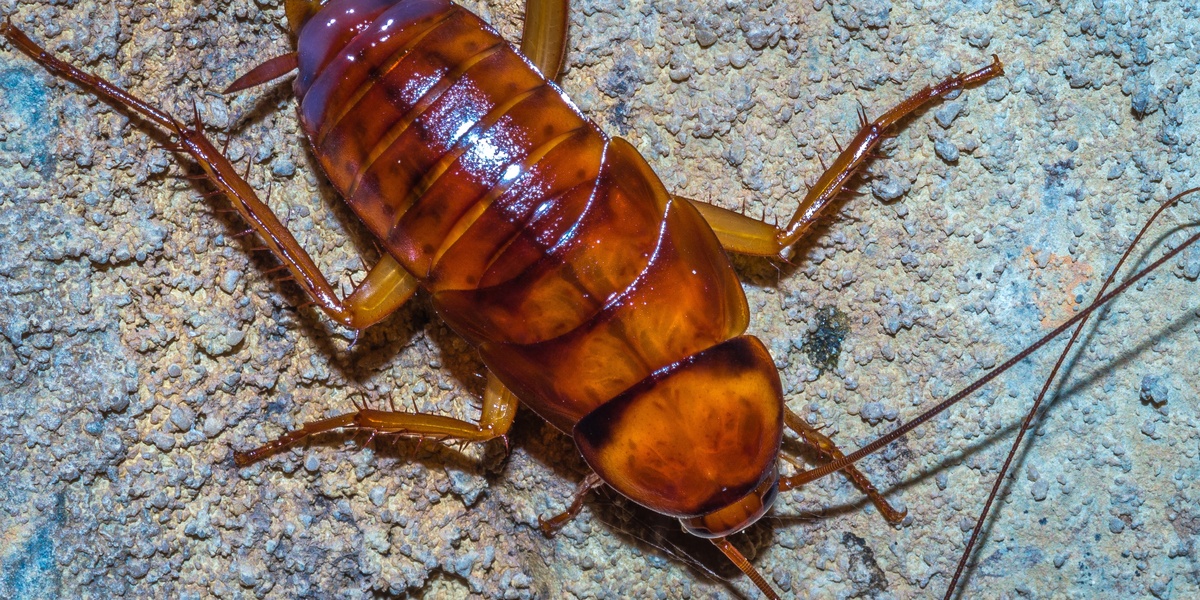
Cockroaches have been around for roughly 300 million years, while beetles account for roughly 400,000 described species — two very successful but very different branches of insect life. Telling them apart matters: accurate ID affects pest control, garden management, ecological study, and even some bio-inspired engineering. Here’s a clear, practical guide to six differences between cockroaches and beetles organized into three categories: anatomy & physiology, life cycle & development, and behavior & human interactions. You’ll get species examples and usable takeaways for homeowners, gardeners, and curious naturalists.
Anatomy and Physiology
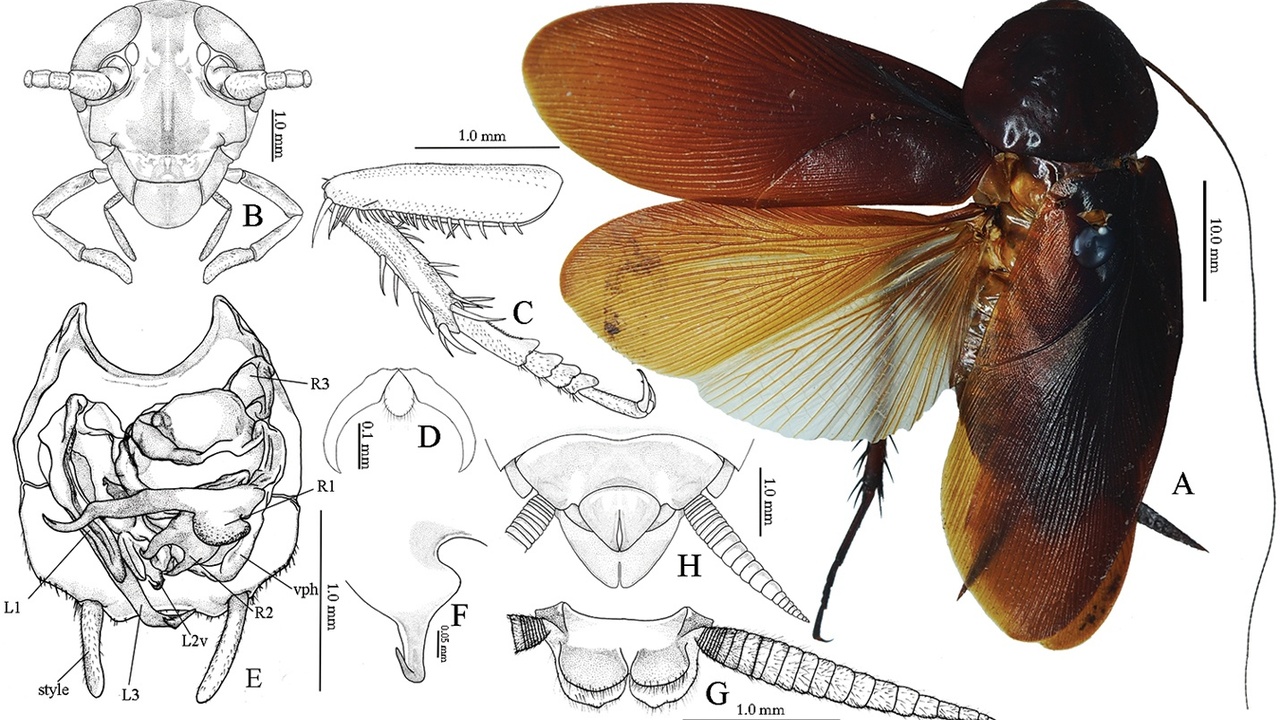
Structural traits are the easiest way to tell Blattodea from Coleoptera in the field: wings, body shape, and mouthparts give quick clues. Both groups are insects with six legs and an external skeleton, but three clear morphological contrasts help with ID and practical decisions.
1. Wing structure: exposed wings vs hardened elytra
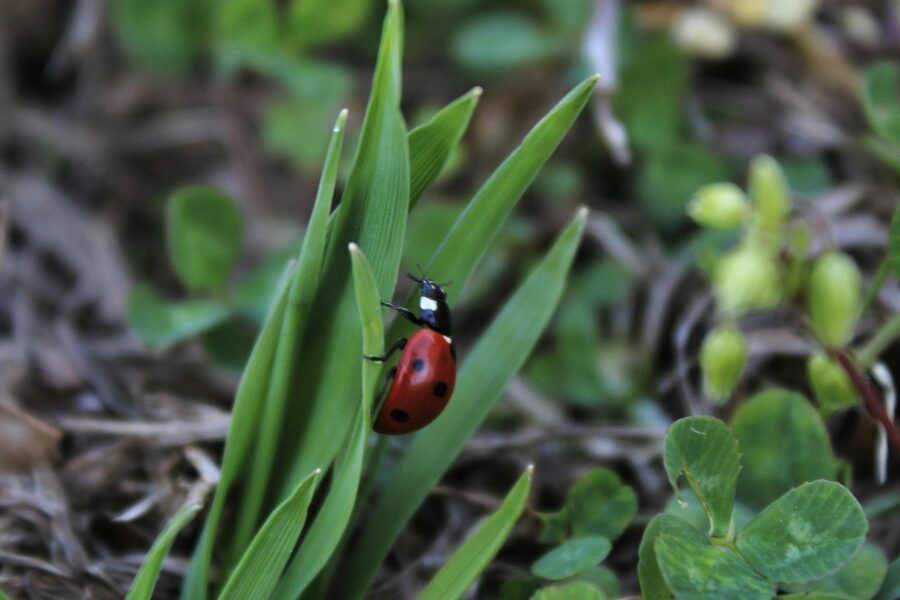
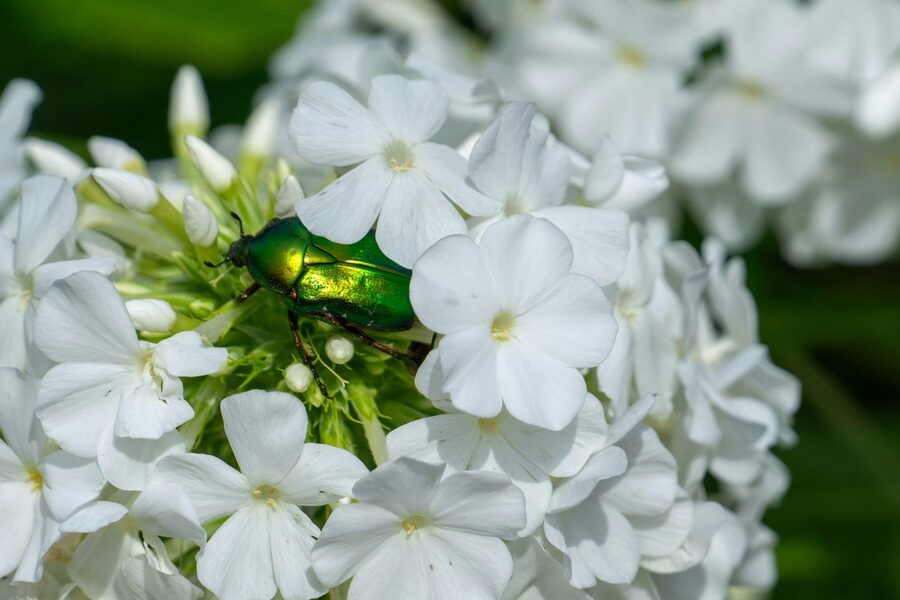
Cockroaches typically have two pairs of membranous wings folded flat over the abdomen and covered anteriorly by a broad pronotum; some species have fully functional flight wings, others have reduced or absent wings. In contrast, beetles possess a pair of hardened forewings called elytra that form a protective shield over the back and cover the folded hindwings used for flight. Elytra are a defining trait across roughly 400,000 described beetle species and are often bright or patterned, as in lady beetles.
For ID: a quick look from above that shows a smooth, hard shell splitting down the middle points to a beetle (for example, Harmonia axyridis, the Asian lady beetle), while an elongated, flattened insect with membranous wings and a visible pronotum suggests a roach such as the American cockroach, Periplaneta americana. Note that some ground beetles are essentially flightless despite having elytra, and some cockroaches have reduced wings.
2. Body shape and exoskeleton: flattened roach vs compact beetle
Cockroaches are dorsoventrally flattened and often elongated, a shape that helps them slip into narrow crevices and hide close to the ground. Their pronotum typically partially covers the head when viewed from above. By comparison, beetles tend to have a more compact, robust body form; many species are rounded or shielded by the elytra, with the head visible from above in some groups.
Mouthparts reflect this difference in lifestyle. Roaches have generalized chewing mouthparts suited to scavenging a wide range of organic matter, whereas beetles show extreme diversity of mandibular forms adapted for predation, wood boring, or pollen feeding. Taxonomically the contrast is large: Blattodea contains about 4,600 described species, while Coleoptera includes around 400,000 — that diversity shows up in beetle body plans and feeding adaptations.
Practical ID tip: a flattened, fast-moving insect that tucks into cracks is likely a cockroach; a harder-shelled insect that looks like it wears armor is probably a beetle.
Life Cycle and Development
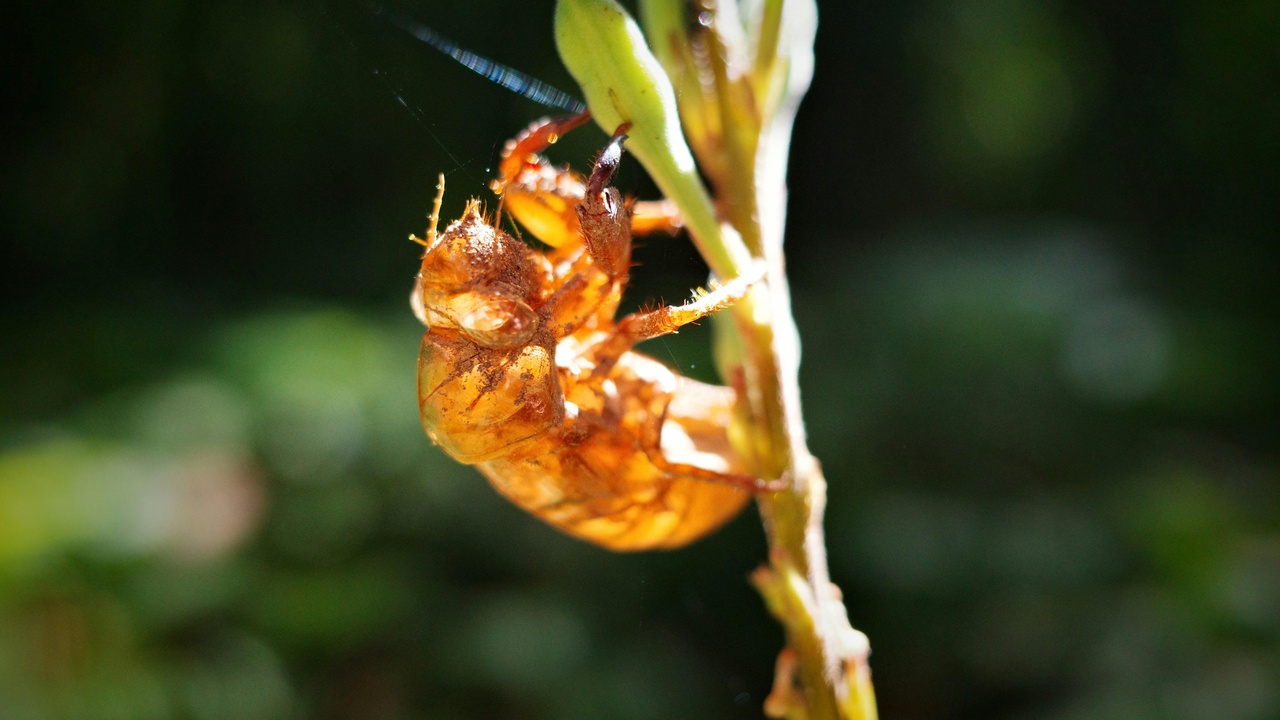
Developmental patterns are a fundamental biological difference with direct implications for detection and control. Cockroaches and beetles follow different metamorphic pathways and show different reproductive strategies and lifespans.
3. Metamorphosis: complete (beetles) vs incomplete (cockroaches)
Beetles undergo holometabolous, or complete, metamorphosis: egg → larva → pupa → adult. Beetle larvae often look nothing like adults — think grub-like Japanese beetle larvae that feed in turf — so larvae occupy different habitats and require different control tactics than adults. Cockroaches are hemimetabolous, undergoing incomplete metamorphosis: egg → nymph → adult. Nymphs resemble smaller adults and share many of the same hiding places and food sources.
For pest management this matters: cockroach oothecae (egg cases) and nymphs are commonly found in crevices indoors, so control focuses on harborage and sanitation. By contrast, beetle larvae may live in soil, wood, or fruit, so treating the adult beetle may not affect the larval population in another habitat.
4. Reproduction and lifespan: egg cases vs varied strategies
Many cockroach species produce oothecae, protective egg cases that contain multiple eggs and can be deposited in sheltered spots; species like the German cockroach often produce several oothecae during an indoor-infested adult lifespan. Cockroach nymphs molt multiple times before reaching adulthood, and in favorable indoor conditions some species complete generations quickly.
Beetle reproductive strategies are much more varied: eggs may be laid on plant tissue, in soil, or inside wood depending on species. Lifespans follow suit: some adult beetles live only weeks while wood-boring beetle larvae, such as some longhorn beetles, can spend multiple years developing inside timber before emerging. That variation explains why timing and habitat matter when targeting beetle pests.
Behavior, Ecology, and Human Interactions
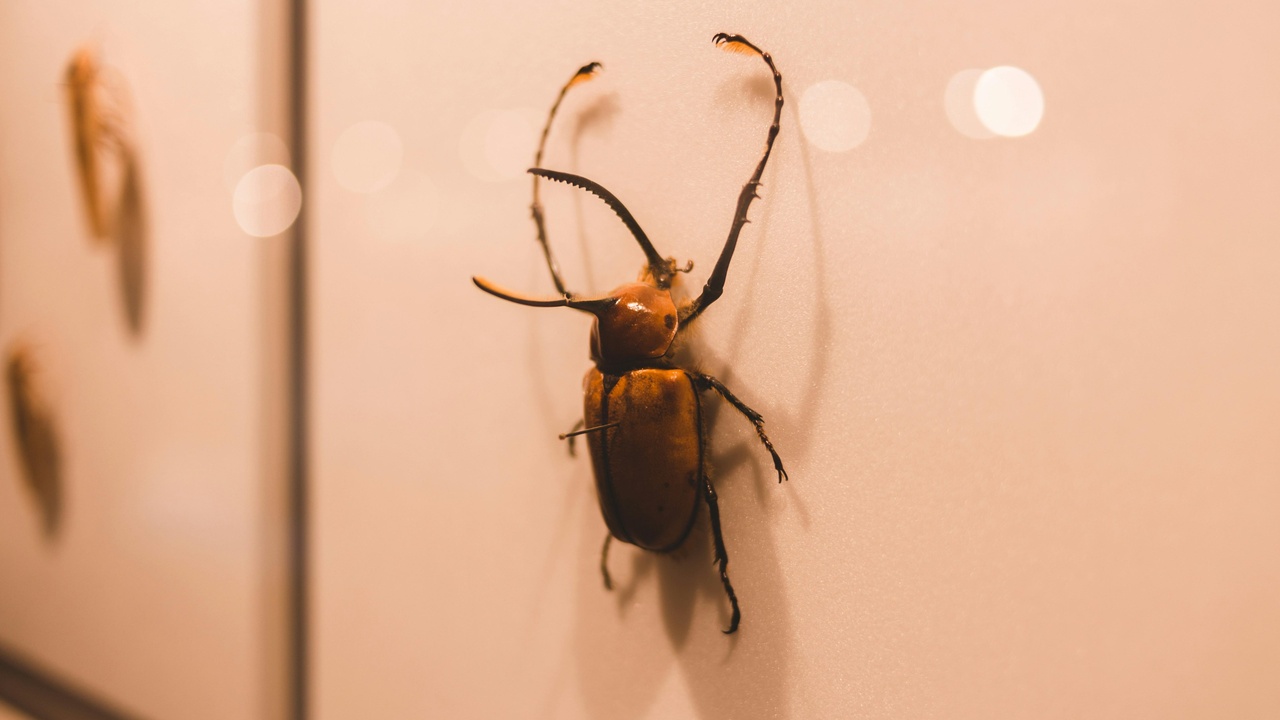
When comparing cockroaches vs beetles, the ways they behave and interact with people differ sharply. Cockroaches are often synanthropic scavengers tied to human structures, while beetles occupy an enormous range of ecological roles and can be pests or beneficial allies.
5. Ecological roles: decomposers, predators, and pollinators
Beetles cover a wider range of ecological roles than cockroaches. Many beetles are predators that control pests — lady beetles in the family Coccinellidae famously eat aphids — while others are decomposers such as dung beetles that speed nutrient cycling. Some beetles are pollinators or herbivores, and a few, like bark beetles, can cause large-scale tree mortality during outbreaks that affect millions of hectares.
Cockroaches are primarily detritivores and scavengers in ecosystems, breaking down decaying plant and animal matter and contributing to nutrient recycling. They are less often predators or pollinators in most systems, though their role as decomposers is ecologically valuable.
6. Impact on humans: pests, benefits, and biotechnical inspiration
Cockroaches are frequently household pests that can trigger allergic reactions and exacerbate asthma in urban populations; studies link cockroach allergens to higher asthma rates in some cities. They also spread microbes mechanically by moving between waste and food preparation areas, so sanitation and exclusion are core control tactics for homeowners.
Beetles are a mixed bag for people. Many species are beneficial: gardeners and greenhouse managers commonly release ladybugs to control aphids. Others are major agricultural or forestry pests — for example, mountain pine beetle outbreaks have transformed forests across large regions. Researchers and engineers also study both groups: beetle elytra inspire lightweight protective materials, and cockroach locomotion informs robotics and educational kits such as Backyard Brains’ “RoboRoach,” which demonstrate neural and mechanical principles.
For practical management, identify the life stage and habitat: cockroach control focuses on sanitation, baiting, and sealing entry points indoors; controlling beetle pests may require soil treatments, targeted insecticides, or biological controls tied to the species and its larval habitat.
Summary
- Wings: cockroaches usually have membranous flight wings folded under a pronotum, whereas beetles have hardened elytra that protect the hindwings.
- Body form: roaches are flattened and elongate, ideal for crevices; beetles are often compact and armored, reflecting enormous morphological diversity.
- Development: cockroaches undergo incomplete metamorphosis with nymphs resembling adults, while beetles undergo complete metamorphosis with distinct larval and pupal stages.
- Human impact: cockroaches are common indoor pests linked to allergens and sanitation concerns, while beetles include both useful biocontrol agents (ladybugs) and destructive species (bark and wood-boring beetles).
Use these contrasts to make faster IDs and choose appropriate responses: look at wings and shape first, consider life stage and habitat next, then apply targeted management or conservation steps.