Polynesia’s islands and lagoons host a surprising variety of wildlife, from coral reefs and shallow bays to humid forest floors. Travelers and locals alike encounter creatures that are harmless most of the time — and a few that merit caution when you’re in the water or exploring inland.
There are 28 Dangerous Animals in Polynesia, ranging from Banded sea krait to Tropical centipede. For each species you’ll find below the Scientific name,Danger (type & severity),Range (islands/locations) so you can quickly see where hazards occur and how serious they are, and you’ll find the full list below.
Which animals in Polynesia pose the biggest threat to swimmers or snorkelers?
Sea-related risks most often come from venomous species: sea snakes (like the Banded sea krait), box jellyfish, stonefish and venomous cone snails, plus stingray and lionfish injuries. Avoid touching marine life, wear reef shoes and a protective suit if snorkeling in unfamiliar waters, and follow local warnings about jellyfish season or dangerous reefs.
What practical steps reduce the chance of a dangerous encounter on land or sea?
Stay on marked trails, avoid reaching into crevices, don’t handle wildlife, wear appropriate footwear, and ask locals about recent sightings. If bitten or stung, get medical help quickly — pressure immobilization or antivenom may be needed depending on the animal.
Dangerous Animals in Polynesia
| Name | Scientific name | Danger (type & severity) | Range (islands/locations) |
|---|---|---|---|
| Stonefish | Synanceia verrucosa | Venomous spines; High | Widespread Indo‑Pacific: Tahiti, Tonga, Samoa |
| Red lionfish | Pterois volitans | Venomous dorsal spines; Medium | Hawaii, some central Pacific islands, introduced populations |
| Spotted scorpionfish | Scorpaenopsis oxycephala | Venomous spines; Medium | Indo‑Pacific reefs: French Polynesia, Samoa, Tonga |
| Giant moray eel | Gymnothorax javanicus | Bite/laceration infection risk; Medium | Reefs across Polynesia, including Tahiti, Tonga, Hawaii |
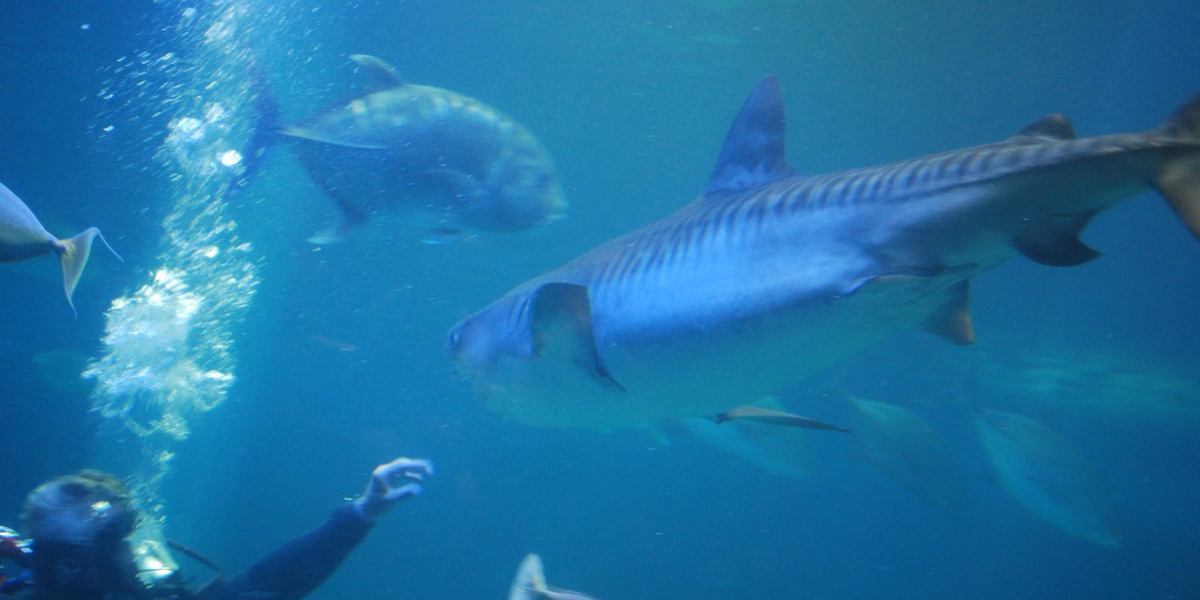
| Tiger shark | Galeocerdo cuvier | Powerful bite; High | Open/coastal waters: Hawaii, French Polynesia, Tonga |
| Grey reef shark | Carcharhinus amblyrhynchos | Bite risk; Medium | Coral reefs across Polynesia (Tahiti, Samoa, Tonga) |
| Blacktip reef shark | Carcharhinus melanopterus | Bite risk; Medium | Shallow reefs and lagoons across Polynesia |
| Oceanic whitetip shark | Carcharhinus longimanus | Aggressive bite risk; High | Offshore tropical Pacific waters, seen around Polynesian islands |
| Great barracuda | Sphyraena barracuda | Bite/collision risk; Medium | Coastal waters across Polynesia |
| Cone snail (geography cone) | Conus geographus | Neurotoxic venom; High | Tropical reefs across Polynesia (Tahiti, Samoa) |
| Textile cone snail | Conus textile | Neurotoxic venom; High | Indo‑Pacific reefs including some Polynesian islands |
| Blue‑ringed octopus | Hapalochlaena lunulata | Powerful neurotoxin; High | Shallow rocky pools and reefs across Polynesia, including Hawaii |
| Portuguese man o’ war | Physalia physalis | Cnidarian nematocysts; High | Drifting in coastal waters across Polynesia |
| Box jellyfish (Alatina) | Alatina alata | Cubozoan venom; High | Tropical Pacific waters including Hawaiian and central Polynesian waters |
| Irukandji‑type cubozoans | Alatina moseri (and similar) | Potent venom; High (rare but severe) | Offshore and nearshore tropical Pacific islands |
| Pelagic (yellow‑bellied) sea snake | Pelamis platura | Neurotoxic venom; High | Wide pelagic distribution across Polynesia |
| Banded sea krait | Laticauda colubrina | Highly venomous; High | Coastal reefs and rocks in parts of Polynesia (some islands) |
| Crown‑of‑thorns starfish | Acanthaster planci | Venomous spines; Medium | Coral reefs across Polynesia during outbreaks |
| Long‑spined sea urchin | Diadema setosum | Puncture wounds with venom; Medium | Reefs and tidepools across Polynesia |
| Blue‑spotted ribbontail ray | Taeniura lymma | Venomous barb sting; Medium | Shallow lagoons and reefs across Polynesia |
| Common stingray (genus Dasyatis) | Dasyatis spp. | Venomous tail barb; Medium | Sandy flats and shallows across Polynesia |
| Coconut crab | Birgus latro | Powerful pinch; Medium | Many Polynesian islands: Samoa, Tonga, Cook Islands |
| Tropical centipede | Scolopendra subspinipes | Painful venomous bite; Medium | Forests and human habitations across Polynesia |
| Brown widow spider | Latrodectus geometricus | Neurotoxic venom; Medium | Introduced in parts of Polynesia including Hawaii |
| Pufferfish (guineafowl puffer) | Arothron meleagris | Tetrodotoxin if eaten; High (food poisoning) | Coral reefs and lagoons across Polynesia, including Hawaii, French Polynesia |
| Giant trevally | Caranx ignobilis | Powerful strikes; Medium | Coastal reefs and surf zones across Polynesia (Hawaii, Tahiti) |
| Ciguatoxic reef fish (group) | Various reef fish (e.g., Lutjanus spp.) | Toxin poisoning when eaten; High (foodborne) | Reefs across Polynesia; risk varies by island and species |
| Portuguese man o’ war (bluebottle) duplicate avoided | — | — | — |
Images and Descriptions
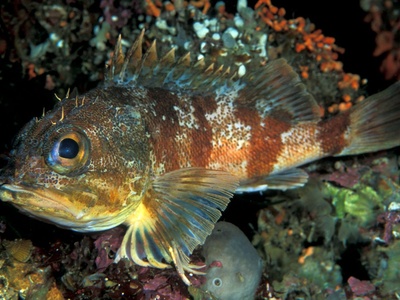
Stonefish
Camouflaged on reef/rock substrate; puncture causes intense pain, swelling, possible systemic symptoms. Immerse wound in hot water, seek urgent medical care and antivenom where available; avoid stepping on reef.
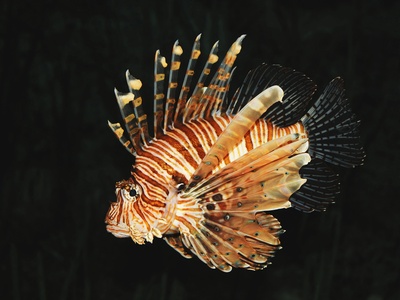
Red lionfish
Striking striped reef fish with venomous spines causing severe local pain, swelling, nausea. Remove spines carefully, rinse, hot water immersion for pain relief and see doctor if severe; wear gloves when handling.
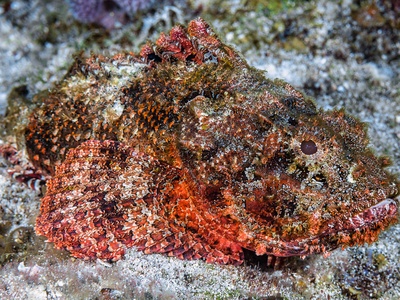
Spotted scorpionfish
Cryptic reef fish with venomous dorsal spines; sting causes sharp pain, swelling, possible nausea. Hot water immersion relieves pain; seek medical care for deep punctures or systemic signs.
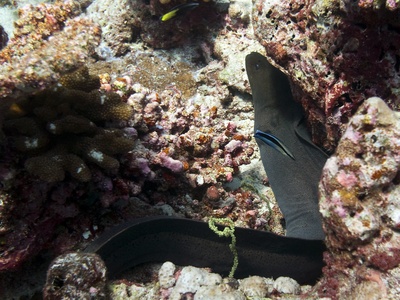
Giant moray eel
Large eel that can bite when provoked or fed; bites cause deep lacerations and infection. Control bleeding, clean wound, seek medical attention for sutures and tetanus/antibiotics; avoid putting hands in holes.
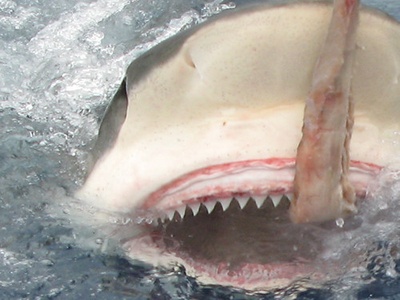
Tiger shark
Large apex predator occasionally involved in attacks; bites cause catastrophic injuries. Get out of water calmly if sharks seen, avoid swimming at dawn/dusk, and seek immediate trauma care after a bite.
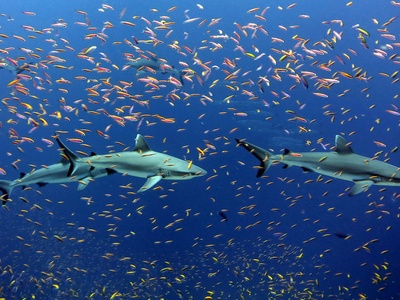
Grey reef shark
Common reef shark that can be defensive near fishing/feeding; bites cause deep wounds. Avoid splashing near schools or fish, exit water calmly, apply pressure to bleeding and get emergency care.
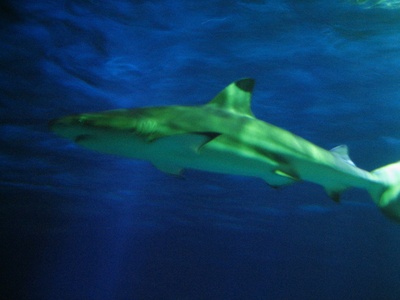
Blacktip reef shark
Often found in shallow water; usually avoids people but can bite if provoked. Give them space, avoid fishing areas, treat wounds promptly and seek medical attention for bites.
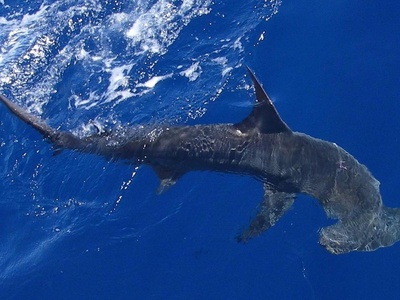
Oceanic whitetip shark
Provoked by chum/bleeding; attacks can be severe. Avoid swimming alone offshore, do not enter water with bait/bleeding, get urgent trauma care after any shark bite.
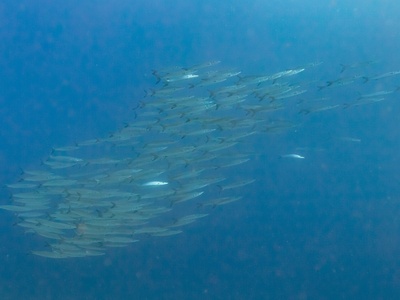
Great barracuda
Large predatory fish sometimes bites divers or leaps at shiny objects; bites cause lacerations. Avoid shiny jewelry, don’t spearfish near swimmers, treat bleeding and seek medical care.
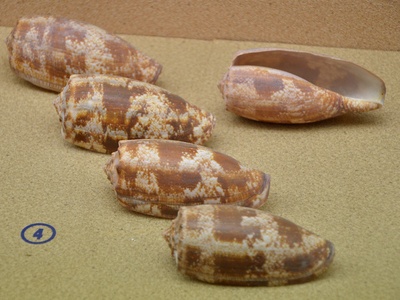
Cone snail (geography cone)
Beautiful but deadly snail; harpoon sting can cause paralysis, respiratory failure. Do not handle live cones; seek emergency medical care and supportive ventilation if stung.
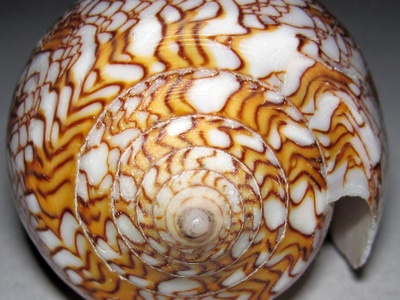
Textile cone snail
Highly venomous cone that can deliver life‑threatening neurotoxin. Avoid handling shells; urgent hospital care required if stung.
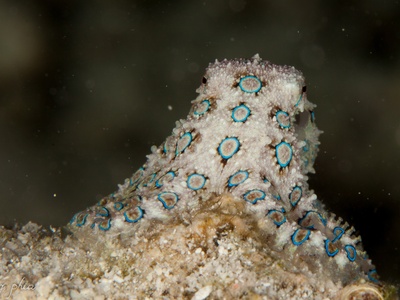
Blue‑ringed octopus
Small, colorful octopus with tetrodotoxin causing rapid paralysis; bite may be painless. Do not touch; if bitten, call emergency services—support breathing until help arrives.
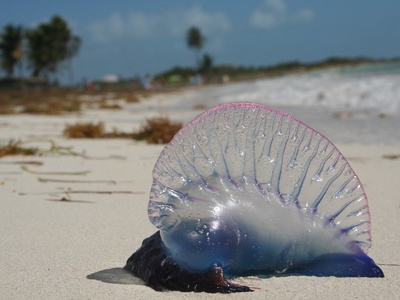
Portuguese man o’ war
Colonial hydrozoan with long tentacles causing severe pain, welts, systemic reactions. Remove tentacles with gloves or stick, rinse with seawater (not fresh), immerse in hot water and seek medical care for severe reactions.

Box jellyfish (Alatina)
Small box jellyfish can cause intense pain, cardiac/respiratory effects in severe cases. Get out of water, rinse with seawater, remove tentacles with care, hot water immersion and urgent medical attention for severe symptoms.
Irukandji‑type cubozoans
Tiny cubozoans can trigger severe pain, nausea, hypertension and delayed symptoms. Get to shore, seek urgent emergency care for suspected Irukandji syndrome; avoid swimming at risk times.
Pelagic (yellow‑bellied) sea snake
Sea snake found floating offshore; bites are rare but may be serious. Do not handle sea snakes; immobilize limb and get immediate antivenom-capable medical care if bitten.
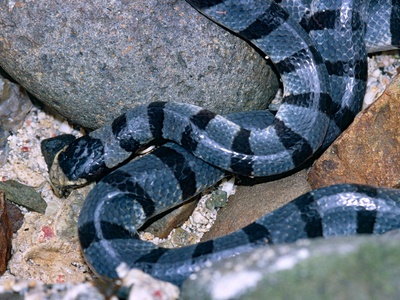
Banded sea krait
Often curious but highly venomous; bites usually occur when handled. Avoid handling, leave at a distance; immobilize limb, seek urgent antivenom and hospital care if bitten.
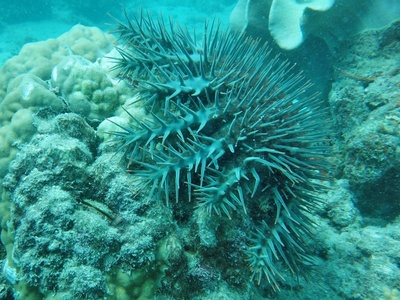
Crown‑of‑thorns starfish
Large starfish with brittle spines that puncture skin causing pain, swelling, possible infection. Remove spines, soak in hot water, seek wound care and infection prophylaxis.
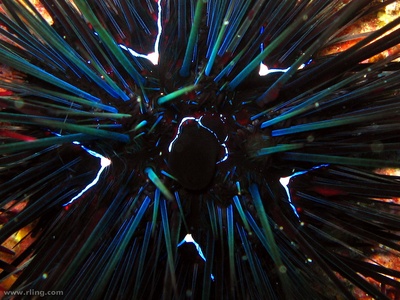
Long‑spined sea urchin
Long black spines cause painful punctures and possible venom effects. Remove visible spines, soak in hot water, seek medical care for deep wounds and tetanus update.
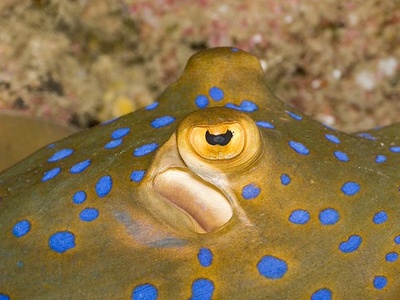
Blue‑spotted ribbontail ray
Small colourful ray that can sting when stepped on; sting causes intense pain and swelling. Hot water immersion relieves pain; seek medical care for deep wounds or systemic signs; shuffle feet in shallow water.
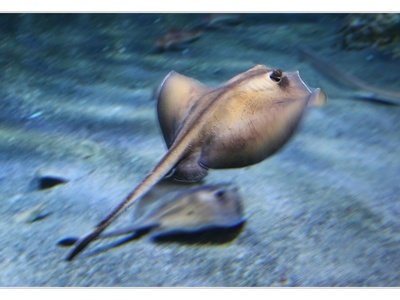
Common stingray (genus Dasyatis)
Stings produce severe local pain and bleeding, sometimes systemic symptoms. Exit water, apply pressure if bleeding, hot water immersion for pain, get medical care and tetanus check.
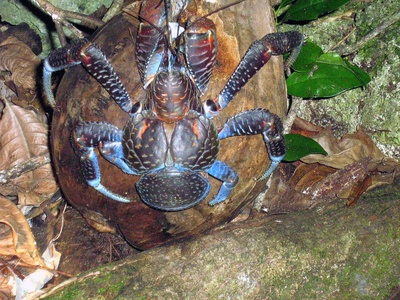
Coconut crab
Huge land crabs that can deliver crushing bites—can sever skin or fingers. Do not handle, use flashlight at night and wear gloves when collecting; seek wound care for severe injuries.
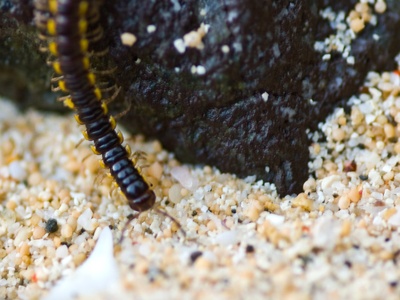
Tropical centipede
Large centipede delivers painful bite with swelling, fever and sometimes systemic signs. Clean wound, apply cold compress, analgesics and seek medical attention if severe or allergic.
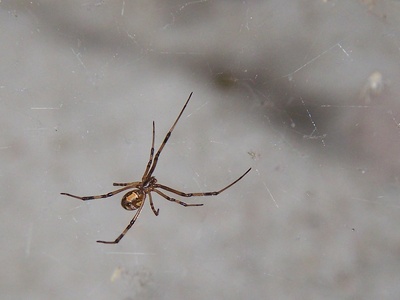
Brown widow spider
Less potent than black widow but can cause muscle pain, cramps, sweating. Avoid handling, clean bite, seek medical care for progressive symptoms and antivenom availability.
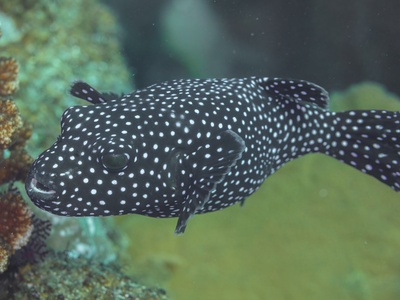
Pufferfish (guineafowl puffer)
Pufferfish flesh contains tetrodotoxin causing paralysis and respiratory failure if consumed improperly. Never eat wild pufferfish unless prepared by licensed expert; seek emergency care if food poisoning suspected.
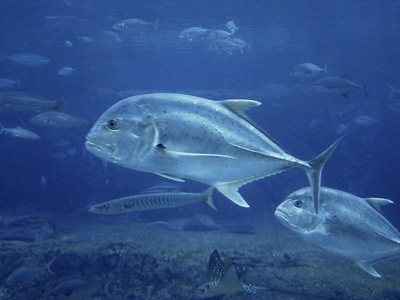
Giant trevally
Large fast predatory fish that can strike or injure spearfishers and surfers. Avoid spearfishing near swim areas, be cautious around hooked fish, treat trauma wounds promptly.
Ciguatoxic reef fish (group)
Several reef species can bioaccumulate ciguatoxin, causing nausea, neurological symptoms, reversed hot/cold sensation. Avoid eating large reef predators in known high‑risk areas; seek medical care for suspected ciguatera.
Portuguese man o’ war (bluebottle) duplicate avoided
—