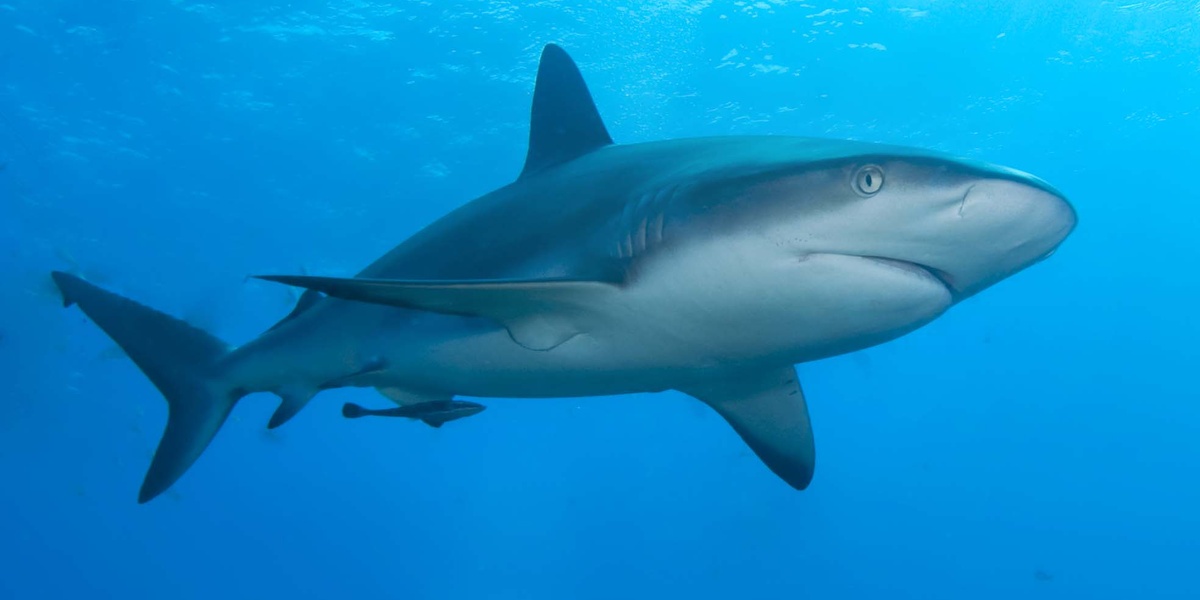
The Caribbean’s islands and coastal waters are full of life, but that biodiversity also includes animals people should treat with respect. Beaches, mangroves and suburban gardens can put residents and visitors in close contact with bites, stings and disease carriers.
There are 21 Dangerous Animals in the Caribbean, ranging from Aedes aegypti mosquito to Trinidad scorpion; for each entry I list Scientific name,Danger level (1-5),Range / habitat, which you’ll find below.
How can I reduce my risk of bites or stings while visiting Caribbean islands?
Use insect repellent (DEET or picaridin), sleep under nets if mosquitoes are common, avoid swimming where jellyfish are reported, wear closed shoes and gloves when walking or handling debris, and don’t attempt to touch or move wildlife—these simple steps cut your risk significantly.
Which bites or stings need immediate medical attention?
Seek urgent care for difficulty breathing, swelling of the face or throat, rapid heartbeat, fainting, paralysis, severe bleeding, or signs of infection; also get prompt help after bites from known venomous species (certain snakes, scorpions, box jellyfish) or if you suspect disease transmission from a mosquito bite.
Dangerous Animals in the Caribbean
| Common name | Scientific name | Danger level (1-5) | Range / habitat |
|---|---|---|---|
| Bull shark | Carcharhinus leucas | 5 | Coastal waters, river mouths across Caribbean |
| Tiger shark | Galeocerdo cuvier | 5 | Tropical offshore and nearshore Caribbean waters |
| Caribbean reef shark | Carcharhinus perezi | 4 | Coral reefs and drop-offs around Caribbean islands |
| Nurse shark | Ginglymostoma cirratum | 3 | Shallow reefs, seagrass beds and lagoons regionwide |
| Southern stingray | Hypanus americanus | 4 | Sandy flats and shallow bays across the Caribbean |
| Lionfish | Pterois volitans | 3 | Coral reefs, wrecks and mangroves throughout the Caribbean |
| Spotted scorpionfish | Scorpaena plumieri | 3 | Rocky reefs and seagrass edges in Caribbean shallow waters |
| Cone snail (crown cone) | Conus regius | 4 | Shallow reefs and sandy patches near Caribbean islands |
| Portuguese man o’ war | Physalia physalis | 4 | Surface waters and beaches across Caribbean coastlines |
| Fire coral | Millepora alcicornis | 2 | Shallow reefs and rocky shorelines across Caribbean |
| Long-spined black urchin | Diadema antillarum | 2 | Shallow coral reefs and rocky areas throughout Caribbean |
| Pufferfish (checkered puffer) | Sphoeroides testudineus | 4 | Reef edges, seagrass beds and lagoons across Caribbean |
| Moray eel (green moray) | Gymnothorax funebris | 3 | Reef crevices and holes across Caribbean reefs |
| American crocodile | Crocodylus acutus | 5 | Coastal lagoons, mangroves and estuaries (Cuba, Hispaniola, Belize coasts) |
| Trinidad scorpion | Tityus trinitatis | 4 | Trinidad & Tobago and nearby southern Caribbean habitats |
| Bark scorpion | Centruroides gracilis | 3 | Greater Antilles and coastal habitats in Caribbean islands |
| Black widow spider | Latrodectus mactans | 3 | Sheltered areas, buildings and vegetation across Caribbean islands |
| Red imported fire ant | Solenopsis invicta | 3 | Disturbed soils, lawns and urban areas in parts of Caribbean |
| Aedes aegypti mosquito | Aedes aegypti | 4 | Urban and peri-urban areas across Caribbean islands |
| Barracuda | Sphyraena barracuda | 3 | Open reefs, nearshore waters and channels across Caribbean |
| Cone snail (needle cone) | Conus ermineus | 4 | Sandy patches and reef margins around Caribbean islands |
Images and Descriptions
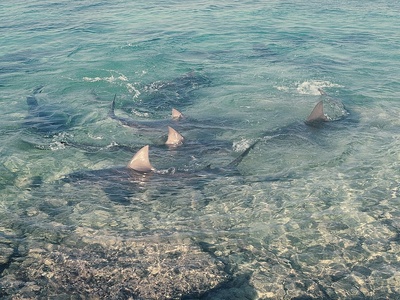
Bull shark
Powerful, territorial shark that frequents shallow coastal and estuarine waters; bites can be fatal. Symptoms include severe trauma and blood loss. Avoid swimming at dusk/dawn, near river mouths; leave water calmly and seek emergency help, control bleeding, shock care.
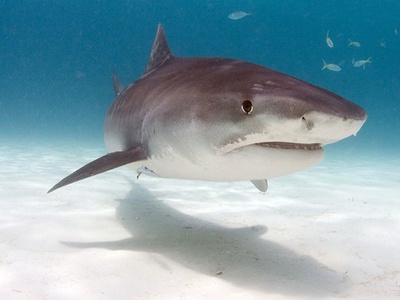
Tiger shark
Large, opportunistic predator known for unprovoked attacks on people and boats. Injuries are traumatic with heavy bleeding. Avoid swimming alone at night, heed warnings; if bitten, control bleeding, immobilize and get emergency medical evacuation immediately.
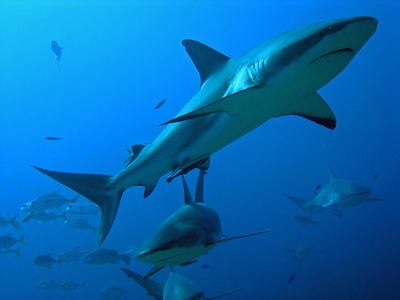
Caribbean reef shark
Common around reefs; can bite when provoked or attracted by food. Wounds are lacerations and bleeding. Don’t harass or feed sharks; keep clear of fishing activity. Treat bleeding, immobilize injured area and seek prompt medical care.
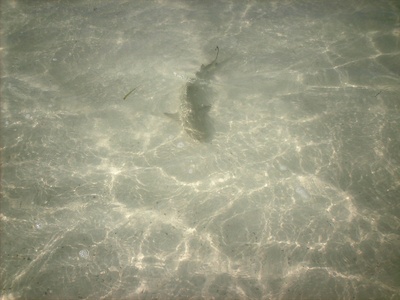
Nurse shark
Usually docile but will bite if stepped on or handled; bites cause deep lacerations and infection risk. Shuffle feet when wading, don’t touch sleeping sharks. Clean wounds, irrigate, seek medical attention for closure and possible antibiotics or tetanus shot.
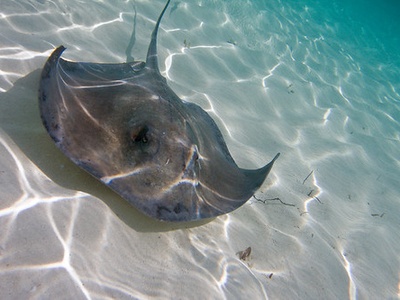
Southern stingray
Sting from venomous tail spine causes intense pain, bleeding and swelling; rare systemic reactions occur. Avoid stepping on rays by shuffling feet; if stung, immerse wound in hot (not scalding) water to reduce pain and seek medical care for wound cleaning and tetanus.
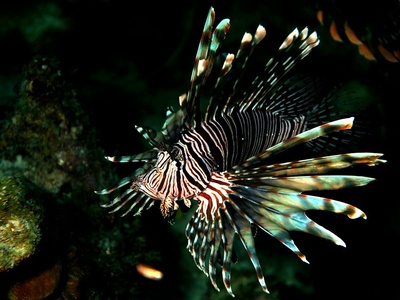
Lionfish
Invasive fish with venomous dorsal spines causing severe localized pain, swelling, nausea and rarely systemic symptoms. Do not handle; wear gloves if removing from water. First aid: hot-water immersion for pain and urgent medical care for puncture wound and wound care.
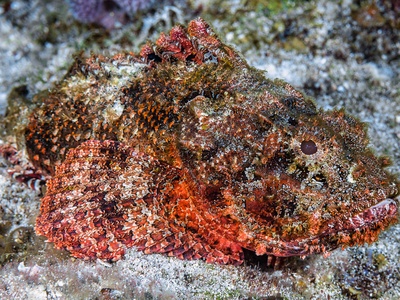
Spotted scorpionfish
Camouflaged, venomous spines can deliver painful stings with swelling, bleeding and possible infection. Wear protective footwear while diving/stepping; avoid touching reef. First aid: hot-water immersion for pain, clean wound and seek medical attention.
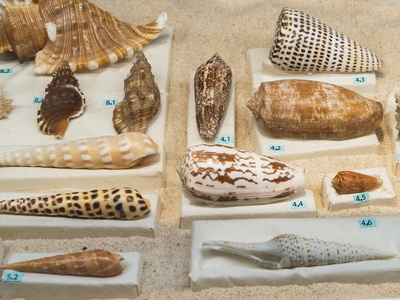
Cone snail (crown cone)
Small but highly venomous mollusk that can “harpoon” with a neurotoxic sting causing paralysis, numbness, respiratory failure. Do not touch shells or animals. If stung, immobilize, monitor breathing, seek immediate emergency medical care—antivenom not widely available, supportive care crucial.
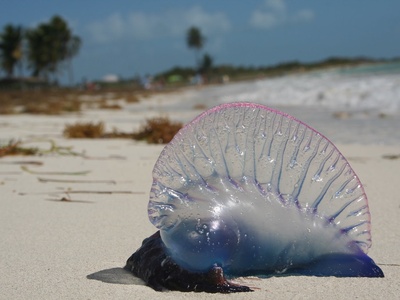
Portuguese man o’ war
Siphonophore with long tentacles whose venom causes severe burning, welts, systemic symptoms like nausea and breathing difficulty. Avoid touching washed-up specimens. First aid: rinse with seawater (not fresh), remove tentacles with a stick or gloved hand, hot-water immersion, seek medical attention for severe reactions.
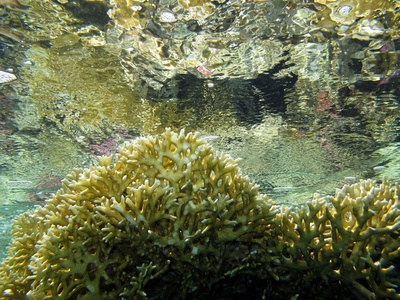
Fire coral
Colonial cnidarian that can cause painful burning rash and welts on contact; not usually life-threatening. Avoid standing or brushing against reef; wear protective footwear. First aid: rinse with seawater, avoid rubbing, treat pain with hot water and topical care; seek care for severe skin reactions.
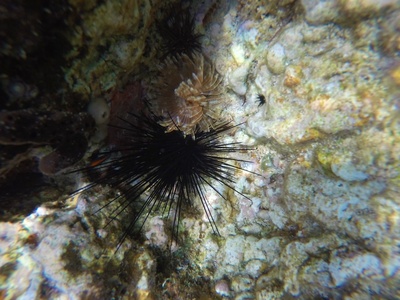
Long-spined black urchin
Sharp spines puncture skin, causing pain, bleeding and possible spine fragments and infection. Avoid stepping on reefs; wear sturdy footwear. First aid: remove visible spines carefully, soak in hot water for pain relief, seek medical care to remove fragments and for tetanus prophylaxis.

Pufferfish (checkered puffer)
Contains tetrodotoxin if prepared/eaten improperly; can cause numbness, paralysis, respiratory failure; not from touch. Avoid eating unfamiliar puffer species; only eat prepared by licensed experts. If poisoning suspected, seek emergency care, support breathing and monitor closely.
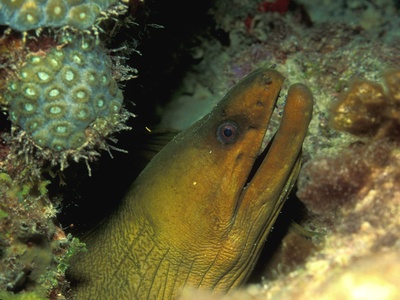
Moray eel (green moray)
Can bite when provoked or accidentally reached into holes; bites cause deep lacerations, possible infection from bacteria. Don’t place hands in crevices; avoid feeding wild eels. First aid: control bleeding, irrigate wound, seek medical care for cleaning, antibiotics and possible stitches.
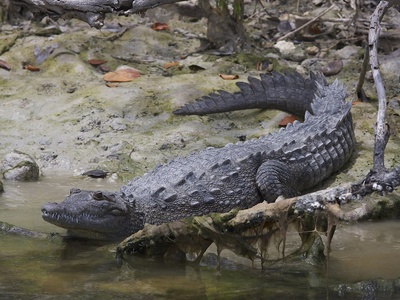
American crocodile
Large aggressive predator that can ambush humans near shore; attacks cause catastrophic trauma. Stay away from shorelines at night, heed local warnings. If attack occurs, get out of water, control bleeding, urgent evacuation and trauma-oriented hospital care needed.
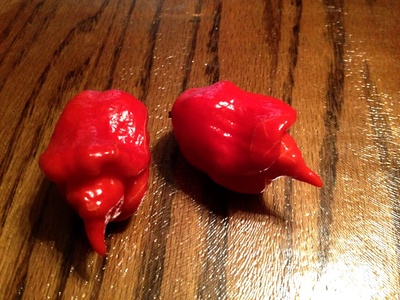
Trinidad scorpion
Small scorpion with medically significant venom that can cause pain, sweating, vomiting, and in children severe neurologic or cardiac effects. Avoid handling, shake out clothing/shoes. If stung, keep calm, immobilize limb, go to emergency for antivenom/supportive care if severe.
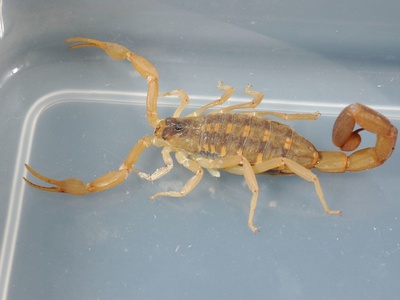
Bark scorpion
Nocturnal, can enter homes; sting causes sharp pain, numbness, and sometimes systemic symptoms in children. Shake out bedding/shoes, seal entry points. If stung, clean wound, immobilize, seek medical attention for severe reactions or progressive symptoms.
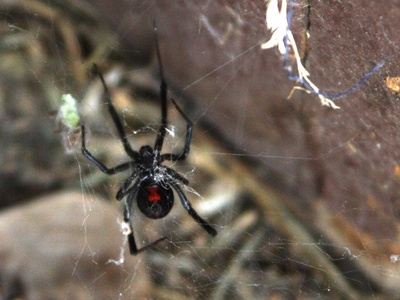
Black widow spider
Venom causes localized pain, muscle cramps, sweating and occasionally systemic symptoms. Avoid reaching into dark sheltered spots. First aid: clean bite, immobilize limb, apply cold pack, seek medical care for antivenom or symptomatic treatment if severe muscle pain or systemic signs.
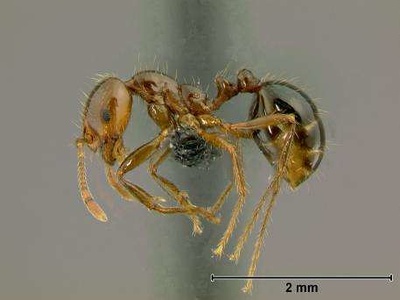
Red imported fire ant
Aggressive stinging ant that inflicts multiple painful stings with burning, possible blisters and anaphylaxis in allergic people. Avoid nests, wear footwear. If stung, wash, apply cold packs, antihistamines for itching, seek emergency care for breathing or severe allergic reactions.
Aedes aegypti mosquito
Vector of dengue, Zika, chikungunya and yellow fever viruses causing systemic illness. Protect with repellents, nets, long clothing and remove standing water. If symptomatic (fever, rash, joint pain), seek medical care; supportive treatment and testing as indicated.
Barracuda
Large predatory fish that can bite swimmers attracted by shiny objects; wounds are lacerations with bleeding. Also sometimes associated with ciguatera when eaten. Don’t wear shiny jewelry while swimming. For bites, control bleeding, clean and seek medical attention.
Cone snail (needle cone)
Venomous marine snail capable of causing neurotoxic envenomation with numbness, paralysis and respiratory compromise. Do not handle live cones or shells with soft tissue. If stung, immobilize, monitor breathing, and obtain emergency care immediately.