In 1753 Carl Linnaeus published Species Plantarum and helped standardize how botanists name plants — but even before taxonomy was formalized, naturalists debated how to describe a leaf that looks divided: is it one blade or many?
This article explains 10 clear, practical differences between simple and compound leaves and why that distinction matters for identification, ecology and horticulture. With more than 300,000 flowering plant species to sort through, learning a few reliable tests saves time in the field, improves herbarium labeling and helps gardeners choose plants for light, texture and maintenance. I group the differences into three categories: morphology & anatomy, development & physiology, and ecology & practical ID.
Morphology & Anatomy

This group covers visible structure: blade, petiole, rachis, leaflet arrangement, margin continuity and venation patterns. These anatomical cues are primary for field identification; try the bud-position test first for a reliable determination.
1. Blade continuity: single lamina versus discrete leaflets
A simple leaf has one continuous lamina that may be entire, toothed or lobed, while a compound leaf’s lamina is segmented into separate leaflets attached to a common petiole or rachis.
Botanical definitions use that continuity as the most immediate visual cue. For example, maple and magnolia have a single continuous blade (simple), whereas many roses and ash have pinnate compound leaves. Many rose species have 5–9 leaflets, a useful numeric hint in the field.
Watch out for deeply lobed simple leaves (some oaks, maples) that can look like division but remain a single blade — the difference is whether the tissue between lobes is continuous.
2. Presence of a rachis and leaflet arrangement (pinnate vs palmate)
The rachis is the central axis extending from the petiole on compound leaves; its presence signals a compound structure. In pinnate leaves, leaflets line an extended rachis (think ash or walnut). In palmate leaves, leaflets radiate from a single point (horse chestnut), commonly 5–7 leaflets.
Anatomically, the rachis is homologous to a petiole extension, and that matters for pruning and diagnostics: pests or damage confined to leaflets usually don’t require removing the whole leaf stalk, whereas damage to a simple blade often does.
3. Bud position: axillary bud at base of whole leaf versus absent at leaflet base
The single clearest test: an axillary bud at the junction of petiole and stem marks the base of an entire leaf. Leaflets never bear an axillary bud at their base. Botanists and trained naturalists use this to distinguish a leaflet from a full leaf.
Field test: locate a node and look for a small bud where the petiole meets the stem. A rose’s compound leaf, for instance, has the bud at the petiole base; individual rose leaflets lack buds. Use a hand lens if the bud is small.
4. Margin and venation: continuous network versus leaflet-specific patterns
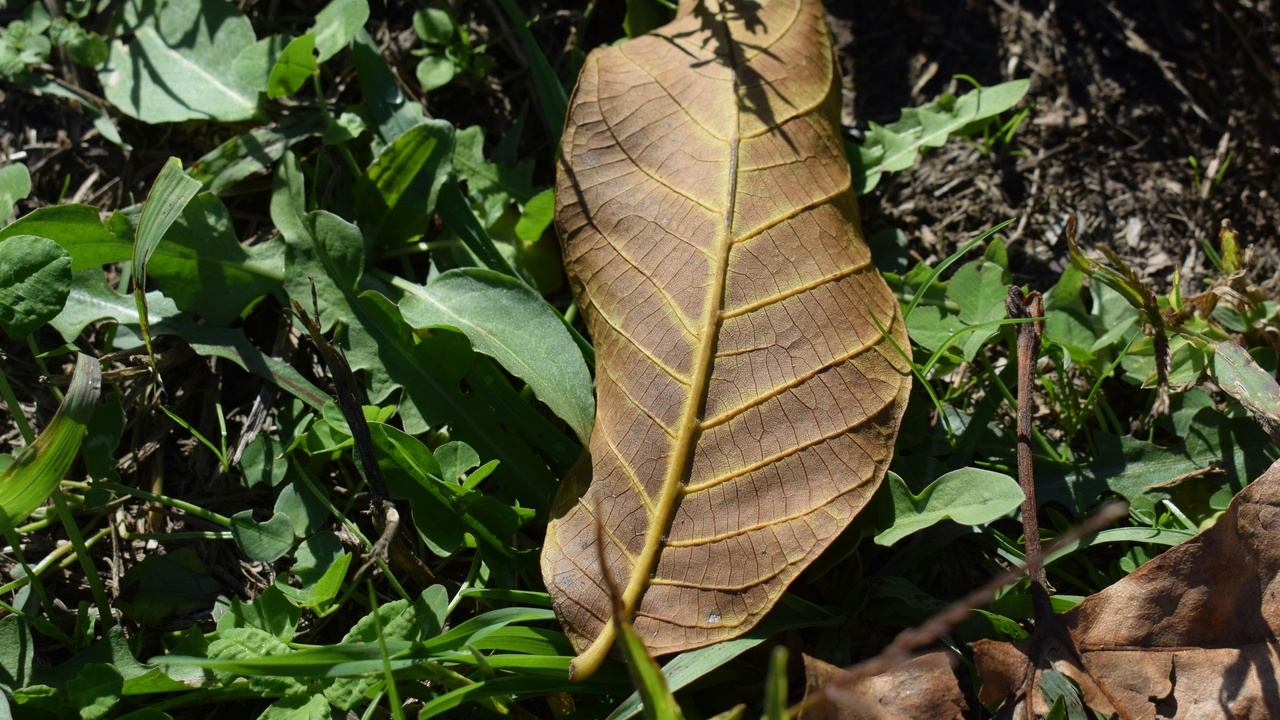
Simple leaves display a continuous margin and a venation network that crosses the blade, while compound leaves confine margins and veins to each leaflet. Secondary veins in a simple leaf often cross sinuses; in compound leaves they tend to end at the tip of each leaflet.
These patterns help when mounting herbarium specimens or teaching students: maple venation crosses lobes of a single blade, whereas each rose leaflet shows its own vein endpoints and margins.
Development & Physiology
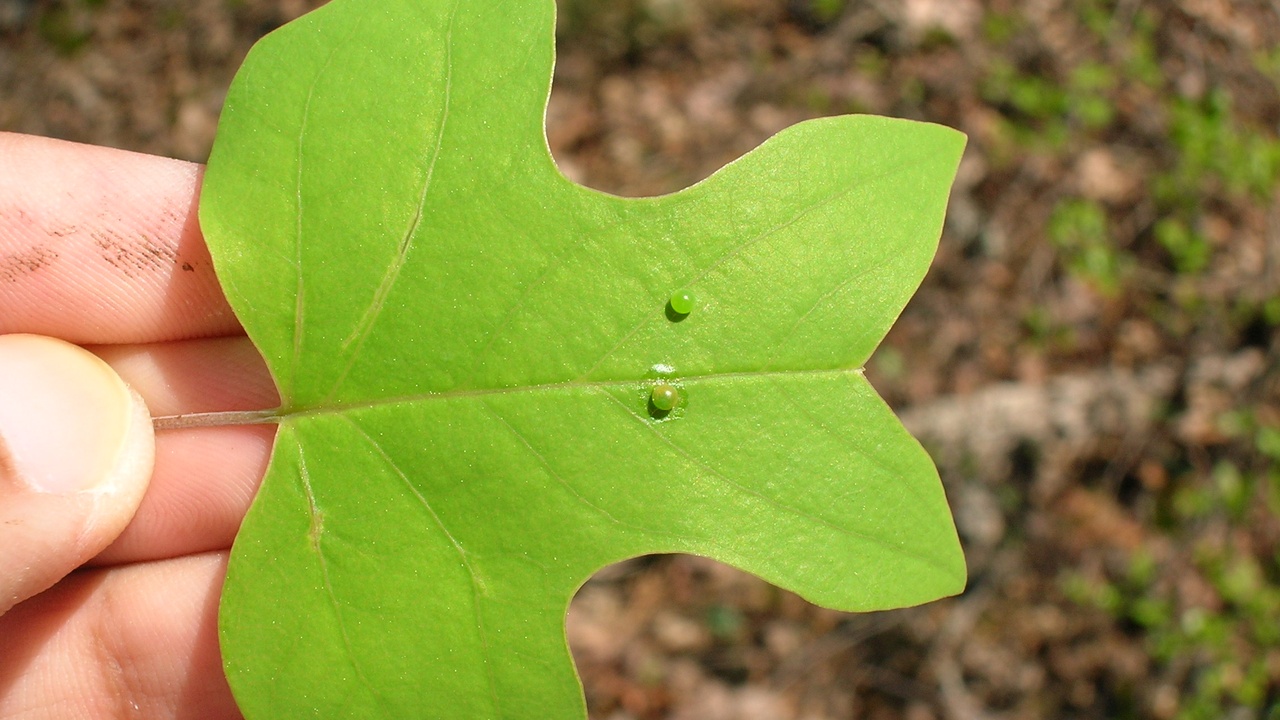
Leaf form is shaped by how primordia form on the shoot apical meristem and by physiological trade-offs. Developmental cues set blade division, which in turn alters transpiration, light capture and damage response — important for growth strategy and habitat fit.
5. Developmental origin: separate leaflet primordia versus a single primordium
Compound leaves form when multiple leaflet primordia are initiated along a rachis; simple leaves usually begin as a single primordium that expands into one blade. Developmental studies of meristem behavior make this distinction clear.
In pea (Pisum sativum) seedlings, leaflet primordia are visible early as discrete bumps; tomato and many legumes likewise show separate primordia. Genetic regulators (for example, KNOX-class patterns) influence whether a primordium stays whole or divides into leaflets.
For practical breeding, this means breeders can select for leaflet number or blade size to reshape canopy architecture and light interception.
6. Photosynthetic and hydraulic implications: distributed surface area versus single surface
Dividing a blade into leaflets changes boundary-layer dynamics, light penetration and transpiration. Small, separated leaflets shed heat more readily and allow convective cooling across each surface, lowering thermal stress on hot sunny days.
Ecologically, compound leaves often do better in high-light, high-heat environments because they reduce overheating. Gardeners also notice less sunscald on dissected leaves. Hydraulic distribution differs too: water delivery is partitioned to leaflet units rather than across one continuous blade.
Some comparative studies show measurable decreases in leaf temperature with more dissected blades; that can translate into lower evaporative demand and different drought responses at the whole-plant level.
7. Damage control and regrowth: modularity of compound leaves
Compound leaves are modular: losing one or several leaflets removes part of the photosynthetic area but leaves remaining leaflets functional. That reduces the chance of catastrophic loss from herbivory or wind damage.
Field observations and experiments indicate plants with compound leaves often tolerate partial defoliation better and maintain growth rates after moderate damage. Black locust and many rose cultivars recover from partial leaflet loss without shedding the entire leaf.
For foresters and landscapers, that modularity informs species choice for hedging and urban planting where mechanical damage or browsing is likely.
Ecology, Identification & Practical Uses
This category ties structure and development to taxonomy, landscaping and citizen science. Knowing leaf type speeds identification, guides plant selection for specific site conditions and makes specimens and observations more useful to others.
8. Taxonomic and field identification value
Whether a leaf is simple or compound is often the first split in dichotomous keys and immediately narrows candidate species. Regional floras and field guides typically use leaf division as an early decision point.
In practical terms, observing leaf division can reduce possible species from 20 to 3 in many temperate tree keys. For example, noting compound leaves lets a backyard naturalist rule in walnut and ash and rule out maple and birch quickly.
9. Horticulture and landscape considerations: aesthetics and maintenance
Leaf type affects texture, light quality and cleanup. Compound-leaf trees like honey locust (Gleditsia triacanthos) create a fine, dappled shade useful for lawns and streets. Large simple leaves such as Magnolia grandiflora provide bold form and heavier summer shade.
Maintenance differs: many small leaflets drop less conspicuous litter but may be harder to rake in mass; large simple leaves create bulky litter but are quick to collect with a leaf blower. Choose compound species when you want filtered light and lighter visual texture; pick simple-leafed specimens for dramatic focal plants.
10. Citizen science, education and practical ID tips
Teaching the simple-versus-compound distinction is low-effort and high-impact for beginners. Notes about leaf division improve iNaturalist or bioblitz identifications and speed verification by experts.
- Look for an axillary bud at the petiole base to tell a whole leaf from a leaflet.
- Count leaflets and note whether they attach to a rachis (pinnate) or a single point (palmate); 5–7 leaflets suggests horse chestnut.
- Inspect venation and margin continuity — a continuous margin across lobes points to a simple blade.
Try these three quick tests on your next walk and add a short note like “compound, pinnate, 7 leaflets” to citizen science photos to make IDs faster.
Summary
- Check the axillary bud at the petiole base: its presence marks the base of a whole leaf; leaflets never bear that bud.
- Blade continuity and the presence of a rachis separate simple blades from pinnate or palmate compounds; count leaflets (many roses 5–9, horse chestnut commonly 5–7) to narrow IDs.
- Developmental and physiological differences give compound leaves modular resilience and often better heat dissipation, which affects plant choice in gardens and restoration.
- Use the three-step field test — bud check, count leaflets/identify rachis, inspect venation — during a walk and submit your observations to a citizen science project to build ID skill and help others.