Donkeys were domesticated roughly 5,000 years ago and have been working alongside humans for millennia — yet most people can’t explain why a mule behaves or looks different from a donkey.
That distinction matters to owners, farmers and animal lovers because genetics, temperament and care needs determine suitability for riding, packing, or small‑farm work. A donkey is Equus africanus asinus, descended from the African wild ass, while a mule is a hybrid offspring of a male donkey and a female horse. This piece breaks down six clear differences, with numbers, examples and practical takeaways (sources like The Donkey Sanctuary and FAO are good further reading).
Physical and Genetic Differences
1. Chromosomes and Fertility
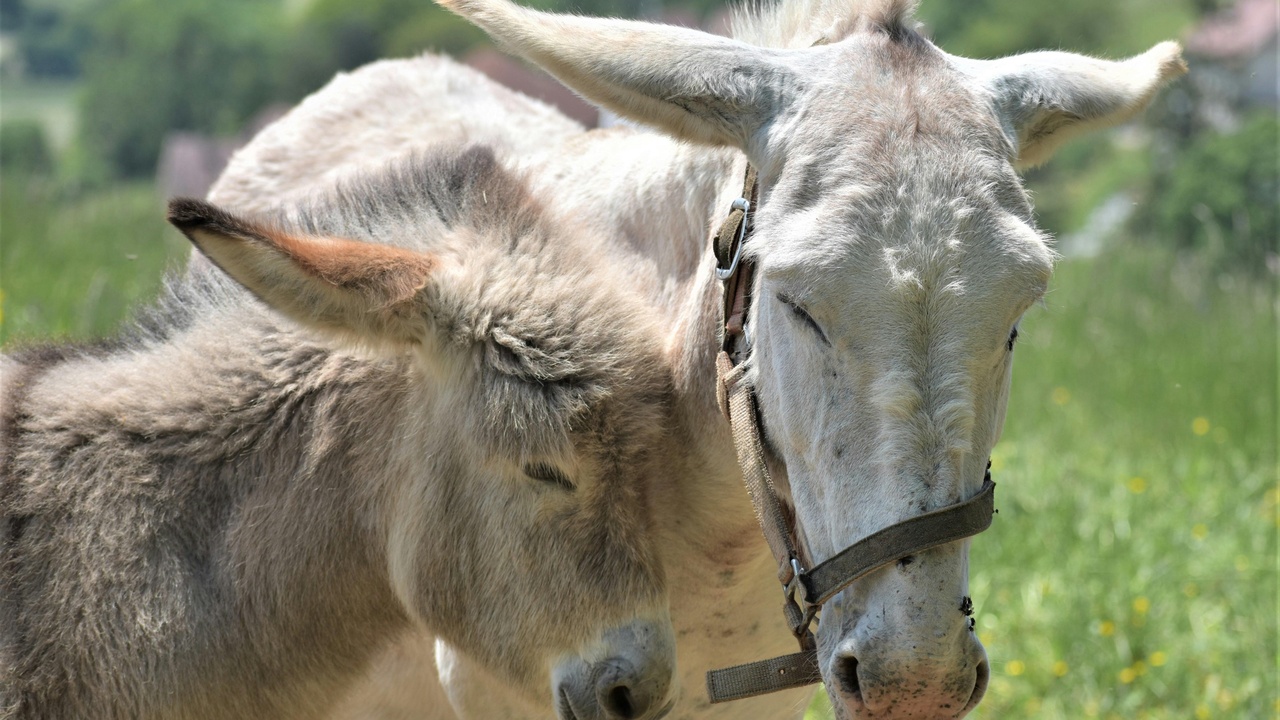
The principal genetic difference is chromosome number: donkeys have 62 chromosomes, horses 64, and mules end up with 63.
An odd chromosome count usually means chromosomes can’t pair properly during meiosis, so most mules are sterile. Fertile mules are extremely rare — fewer than a handful of well‑documented female cases worldwide — so mule populations depend on crossing a mare and a jack, not on in‑herd mule breeding (The Donkey Sanctuary, veterinary genetics literature).
Practical implication: breeders use donkeys for selective breeding and horses for horse lines, while mules are produced intentionally for work. For farmers that means you can’t expect a mule to reproduce to replace working stock; you must plan matings of horse and donkey instead.
2. Size, Build and Physical Traits
Mules often inherit the mare’s height and the jack’s hardiness, so they can reach horse heights and weigh several hundred kilograms, while many donkey breeds are smaller and more compact.
Visible cues help identification: donkeys usually have long ears, a short upright mane, a coarse tail with a tuft, and rounder hooves. Mules commonly have ears longer than a horse’s but usually shorter than a donkey’s, a mane and tail more horse‑like, and narrower hooves that reflect their mixed heritage.
Example: an American Mammoth Jackstock is a large donkey breed used for breeding jacks; paired with a light riding mare (such as an Arabian or Andalusian), the resulting mule may be ideal for trail riding or packing because it combines horse height with donkey endurance. Identification matters when choosing an animal for packing versus riding.
Behavior, Temperament and Intelligence
3. Temperament: Cautious Donkey vs Hybrid Mule Temperament
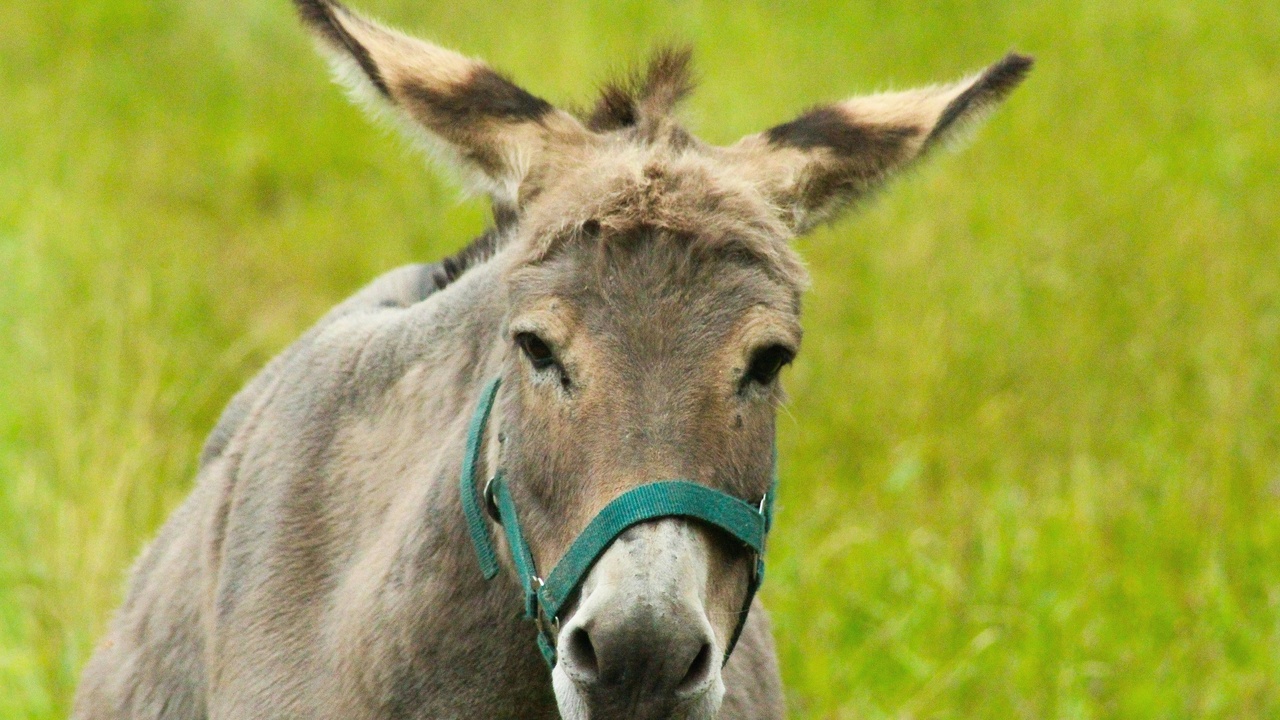
Donkeys tend to be cautious, territorial and conservative in risk‑taking, while mules blend that caution with horse‑like responsiveness to riders and handlers.
Researchers and sanctuaries report donkeys display higher neophobia — they investigate slowly and will refuse unsafe options rather than blunder ahead. The Donkey Sanctuary summarizes this plainly: “donkeys are cautious and will often refuse to move into danger.” That trait prevents many injuries but can be mistaken for stubbornness.
Practical takeaway: choose donkeys for roles where steady, territorial behaviour is desirable — guarding livestock in arid zones or working short, repetitive tasks. Choose mules for jobs that require following human cues on difficult terrain, such as steep pack trails.
4. Learning, Problem Solving and Trainability
Mules generally train more readily for riding and harness work, while donkeys excel at independent problem solving and need different training methods.
Studies and trainer reports note mules combine donkey intelligence with a horse’s willingness to respond to commands, so they often learn complex tasks faster than donkeys. Donkeys, however, will work out solutions independently and require patient, reward‑based training rather than pressure‑based methods.
Examples: mule programs train animals for therapeutic riding and long pack routes because they respond to cues and maintain steadiness. Donkeys are widely used in conservation grazing and targeted weed control because they learn to navigate and clear specific patches with less direct supervision.
Work, Care Needs and Lifespan
5. Work Roles: Strength, Stamina and Sure-footedness
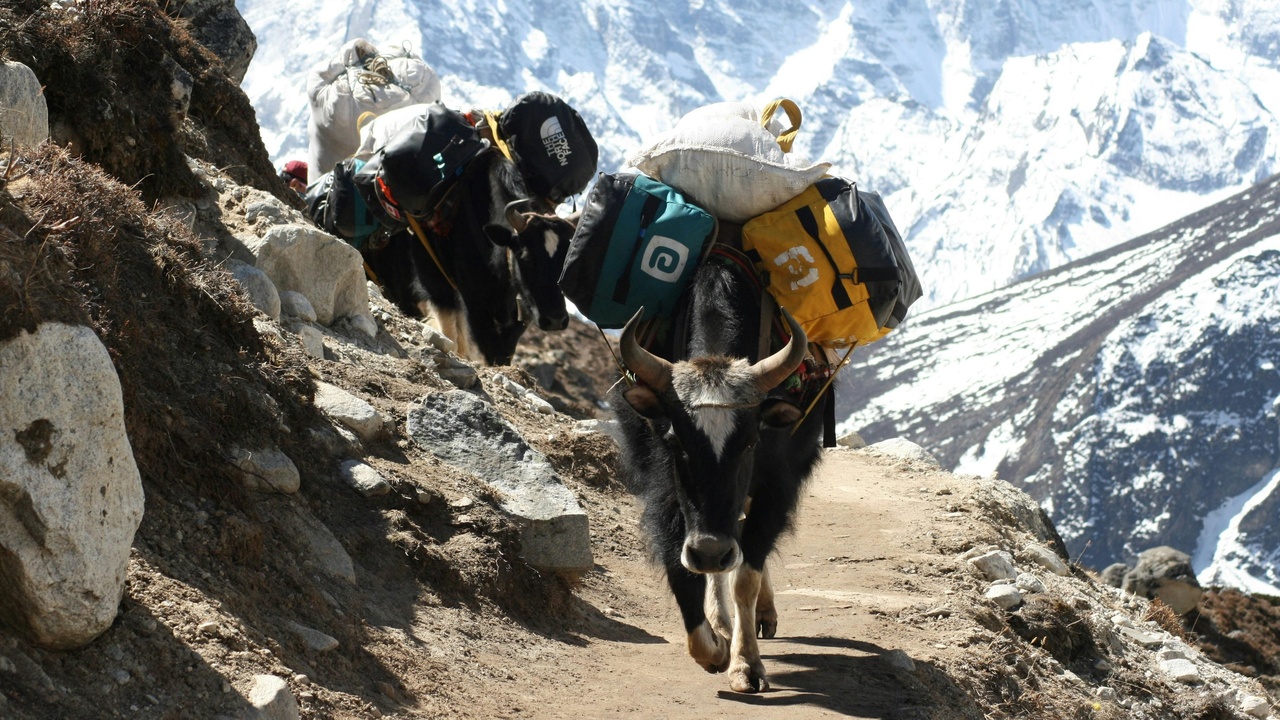
Mules often offer hybrid vigor: they pair donkey toughness with the horse’s strength, making them excellent for heavy or sustained work on rough ground.
Packing guidelines used by many outfitters suggest safe loads around 15–20% of an animal’s body weight for horses, and experienced packers commonly load mules at roughly 20% (adjusted for fitness and terrain). Mules’ balance and stamina let them handle long mountain routes that strain other animals.
Donkeys shine in arid or low‑input systems. They carry water, pull small carts and guard herds; their lower metabolic needs make them efficient on sparse forage. Historically, military and civilian packers favored mules for mountainous supply lines because mules combined endurance with load capacity (U.S. Forest Service and packer reports).
6. Care Needs, Lifespan and Common Health Concerns
Typical lifespans give a helpful planning window: donkeys commonly live around 25–35 years, while mules often live 30–40 years, depending on care. Gestation for mares (and donkey mares when bred) is about 11–12 months.
Care differences matter. Donkeys are prone to obesity on rich pasture and to laminitis if overfed, so many veterinarians recommend a high‑fiber, low‑sugar diet and careful body condition monitoring (The Donkey Sanctuary, veterinary guidelines). Mules may need feed plans closer to their horse parent, especially if they inherit a higher metabolism.
Actionable tips: schedule farrier visits every 6–8 weeks when animals are shod or working hard; dental checks at least annually; and routine parasite control based on fecal egg counts rather than blanket dosing. Budget for long‑term care — these are decades‑long commitments.
Summary
- Chromosomes differ: donkey 62, horse 64, mule 63 — most mules are sterile, so breeding plans must pair mare and jack.
- Mules usually combine horse height with donkey hardiness; donkeys have distinctive long ears, compact builds and unique hoof traits.
- Donkeys are cautious and independently problem‑solving; mules blend that caution with better rider responsiveness, which affects training and role choice.
- For heavy, long pack work choose a mule; for low‑input, arid‑zone tasks or guardian roles a donkey may be a better fit. Consider lifespans (donkeys ~25–35 years; mules ~30–40) and care costs.
- Consult a vet or reputable organisation (The Donkey Sanctuary, local equine vets) before acquiring or breeding animals to match workload, environment and long‑term welfare.