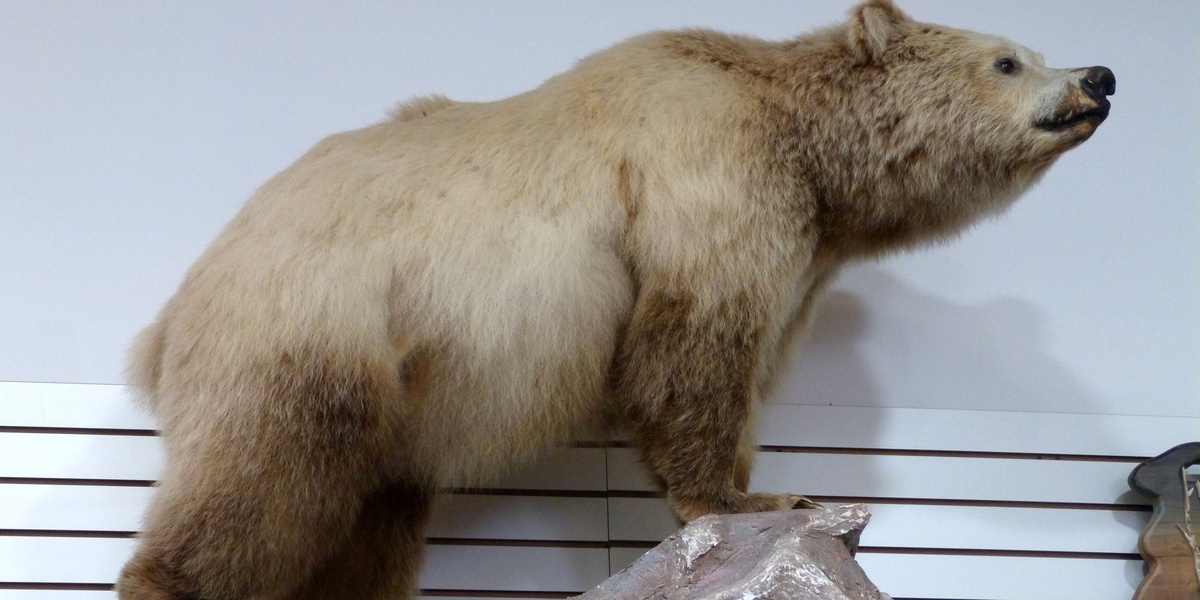
Glacier National Park’s valleys, rivers and alpine meadows support a surprising range of wildlife, but several species here face ongoing threats from habitat changes, invasive species and human activity. Knowing which animals are at risk helps visitors and managers focus conservation efforts where they matter most.
There are 3 Endangered Species in Glacier National Park, ranging from Bull trout to Grizzly bear. For each species you’ll find below concise entries organized by Scientific name, Legal status, Park locations so you can quickly see where they occur and why they’re listed; you’ll find those details below.
How is a species classified as endangered within Glacier National Park?
Species are classified based on federal or state listings, population surveys and threat assessments carried out by park biologists and partner agencies; those studies look at trends, habitat loss, and specific pressures (like water temperature for Bull trout) before a formal status is assigned.
What can visitors do to help protect these endangered animals?
Stay on trails, follow fishing and wildlife regulations, avoid disturbing habitat (especially spawning streams), keep dogs leashed, and report unusual sightings to park staff—small actions reduce stress on vulnerable populations and support monitoring efforts.
Endangered Species in Glacier National Park
| Common name | Scientific name | Legal status | Park locations |
|---|---|---|---|
| Grizzly bear | Ursus arctos horribilis | Federal Threatened (1975) | North Fork, Many Glacier, Logan Pass, alpine/subalpine valleys |
| Bull trout | Salvelinus confluentus | Federal Threatened (1999) | Cold, high-elevation lakes and streams: McDonald Lake, Middle/Middle Fork Flathead, Two Medicine |
| Canada lynx | Lynx canadensis | Federal Threatened (2000) | Subalpine spruce-fir forests, avalanche chutes, high-elevation north/west slopes |
Images and Descriptions
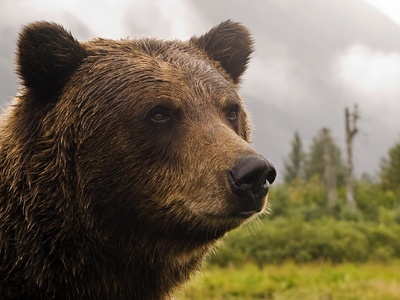
Grizzly bear
Iconic large carnivore with a slowly increasing population in the Northern Continental Divide; threats include habitat fragmentation, human conflict, and climate change. Park actions: conflict prevention, habitat connectivity, monitoring, regulated backcountry use, and recovery planning with state and federal partners.
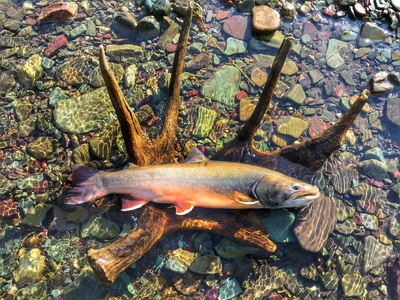
Bull trout
Native char in Glacier’s cold mountain waters; populations are fragmented and declining from warming, habitat degradation, and nonnative trout. Conservation: stream restoration, removal of nonnative fish, habitat protection, fish passage improvement, and monitoring by park and partners.
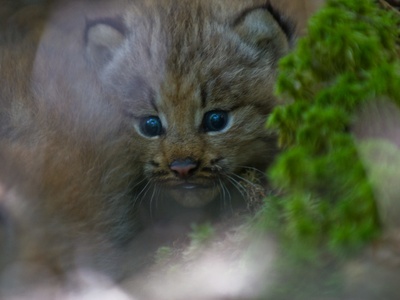
Canada lynx
Secretive mid-sized cat with low, fluctuating numbers; threatened by habitat loss, reduced snowshoe hare prey, and climate shifts. Park work focuses on habitat conservation, snowpack and prey monitoring, connecting habitats, and collaborating on regional lynx conservation and tracking.