South Dakota’s mix of prairie, wetlands and Badlands hosts wildlife that depends on specific habitats and seasonal cycles, making some species especially vulnerable as land use and climate shift. Conservation work here often balances ranching, recreation and habitat protection across a wide landscape.
There are 4 Endangered Species in South Dakota, ranging from Black-footed ferret to Whooping crane. For each species you’ll find below the Scientific name,Status,Habitat & range to compare where they occur and why they’re at risk — you’ll find the full list and details below.
How is a species officially listed as endangered in South Dakota?
Species can be listed at the federal level by the U.S. Fish and Wildlife Service or recognized by state agencies after surveys show sustained declines, very small populations, or severe habitat loss; listings use population data, threat assessments and peer review, and recovery plans guide actions once a species is listed.
What practical steps can residents take to help these species?
Protecting native habitat, reporting sightings to state wildlife agencies, supporting local conservation organizations, using native plants in landscaping, and following guidelines near nesting or den sites are effective, everyday ways residents can reduce impacts and support recovery.
Endangered Species in South Dakota
| Name | Scientific name | Status | Habitat & range |
|---|---|---|---|
| Black-footed ferret | Mustela nigripes | State: Endangered; Federal: Endangered | Shortgrass prairie and prairie dog colonies; western SD (Badlands, Pennington, Jackson, Custer areas) |
| Whooping crane | Grus americana | State: Endangered; Federal: Endangered | Wetlands, marshes and agricultural stopovers during migration; statewide seasonal migrant with key stopovers in eastern and central SD |
| Interior least tern | Sternula antillarum athalassos | State: Endangered; Federal: Endangered | Sandy riverbars and shorelines of Missouri River and reservoirs; central and eastern SD (Missouri River corridor, Lake Oahe, Lake Sharpe areas) |
| Pallid sturgeon | Scaphirhynchus albus | State: Endangered; Federal: Endangered | Large, turbid mainstem Missouri River and reservoirs; central SD Missouri River reach (Hughes, Stanley, Yankton vicinity) |
Images and Descriptions
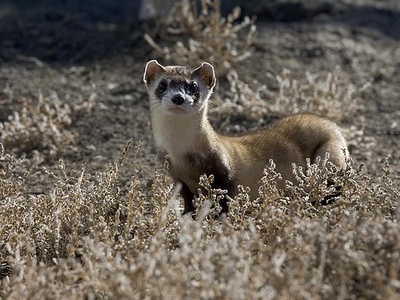
Black-footed ferret
Rare nocturnal carnivore specialized on prairie dogs; reintroduced into Badlands and other prairie dog complexes in western South Dakota. Listed for severe declines due to prairie dog loss and sylvatic plague; recovery focuses on reintroduction, habitat protection, and disease control.
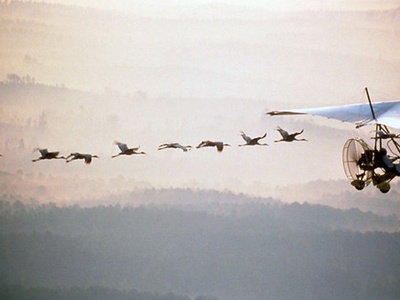
Whooping crane
One of North America’s tallest birds, famous for long migrations. Occasional migrant and stopover visitor in South Dakota wetlands and river corridors. Endangered from habitat loss, collisions, and small population size; conservation centers on protecting stopover and wetland habitats.
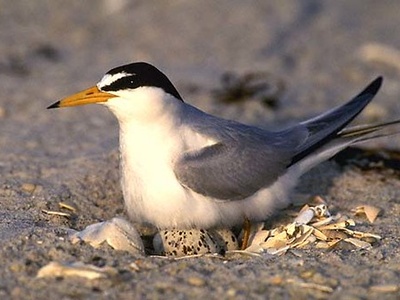
Interior least tern
Small white shorebird that nests on exposed sand and gravel bars. Endangered because river regulation, damming, and human disturbance reduce breeding habitat; protected in central South Dakota through habitat management, nest monitoring, and seasonal protections.
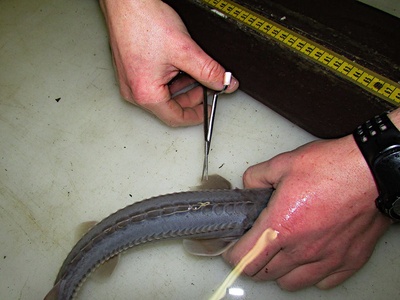
Pallid sturgeon
Ancient-looking, bottom-dwelling sturgeon adapted to big, turbid rivers. Endangered from dams, altered flows, and lost spawning habitat; occurs in the Missouri River through South Dakota. Recovery actions include flow restoration, habitat improvement, and captive propagation and stocking.