Utah’s mix of high desert, alpine peaks, and winding rivers creates habitats found nowhere else — and with those habitats come species that depend on very specific conditions. From the Colorado Plateau to the Green and Sevier river systems, changes in flow, land use, and climate have pushed some native populations to the brink.
There are 10 Endangered Species in Utah, ranging from Bonytail to Woundfin. For each species I’ve organized the entries by Scientific name, Legal status, and Utah range so you can quickly see where they occur and what protections apply — you’ll find below.
How does a species become listed as endangered in Utah?
Species are listed based on documented declines, threats to habitat, and scientific assessments by state and federal agencies (like the Utah Division of Wildlife Resources and the U.S. Fish and Wildlife Service). Listing typically follows surveys, population studies, and legal review; once listed, protections and recovery plans aim to address the specific threats identified.
What practical steps can residents take to help these species?
Local actions matter: conserve water and maintain natural stream flows, avoid disturbing riparian and wetland habitats, report illegal take or pollution, support habitat restoration projects, and follow fishing or land-use regulations. Supporting local conservation groups and choosing native plants for landscaping also help sustain the ecosystems these species need.
Endangered Species in Utah
| Name | Scientific name | Legal status | Utah range |
|---|---|---|---|
| Colorado pikeminnow | Ptychocheilus lucius | Endangered – ESA | Green and Colorado River basins (Daggett, Uintah, Grand, Emery, Wayne) |
| Humpback chub | Gila cypha | Endangered – ESA | Colorado and Green Rivers (Grand, Kane, San Juan) |
| Razorback sucker | Xyrauchen texanus | Endangered – ESA | Colorado River basin rivers and reservoirs (Grand, San Juan, Kane) |
| Bonytail | Gila elegans | Endangered – ESA | Colorado River basin (reservoirs and tailwaters; Grand, San Juan) |
| Woundfin | Plagopterus argentissimus | Endangered – ESA | Virgin River drainage (Washington County) |
| Virgin River chub | Gila seminuda | Endangered – ESA | Virgin River and tributaries (Washington, Iron) |
| Kanab ambersnail | Oxyloma haydeni kanabensis | Endangered – ESA | Kanab springs and seeps (Kane County) |
| Mexican spotted owl | Strix occidentalis lucida | Threatened – ESA | Forested canyonlands of southern Utah (Garfield, Kane, San Juan, Wayne) |
| Southwestern willow flycatcher | Empidonax traillii extimus | Endangered – ESA | Riparian corridors in southern Utah (Washington, Iron, San Juan) |
| Utah prairie dog | Cynomys parvidens | Threatened – ESA | South-central Utah plateaus and valleys (Beaver, Millard, Sevier, Sanpete, Juab, Piute) |
Images and Descriptions

Colorado pikeminnow
Large native minnow of the Colorado River system now rare from dams, habitat fragmentation and nonnative fish; recovery focuses on flow restoration, habitat reconnection, removal of nonnatives, and reintroduction programs to rebuild wild populations.
Humpback chub
Distinctive hump-backed fish of canyon-bound river stretches; threatened by altered flows, warmer water, sediment changes and nonnative predators; conservation uses flow management, protected spawning areas and translocations to bolster remaining populations.
Razorback sucker
Large native sucker reduced by river regulation, reservoir habitat change and invasive species; few wild fish persist; recovery relies on captive breeding, stocking, habitat protection and experimental flow regimes to improve recruitment.
Bonytail
One of the rarest native chubs in the Colorado River system, largely sustained by hatcheries; imperiled by nonnative predators and altered rivers; management centers on captive propagation, reintroductions and habitat restoration.
Woundfin
Small, silvery fish endemic to the Virgin River; highly vulnerable to drought, flash floods, habitat alteration and invasive species; recovery emphasizes protecting flows and riparian habitat, captive propagation, and reintroduction to stable river reaches.
Virgin River chub
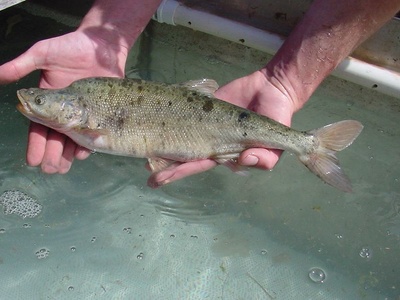
Large minnow restricted to the Virgin River system; threatened by altered flows, sedimentation, drought and nonnative fish; conservation actions include flow restoration, riparian protection, nonnative control and reintroduction where feasible.
Kanab ambersnail
Tiny land snail found in a handful of springs near Kanab; critically imperiled due to groundwater drawdown, spring disturbance and its tiny range; protections target spring conservation, groundwater management and ex‑situ care when needed.
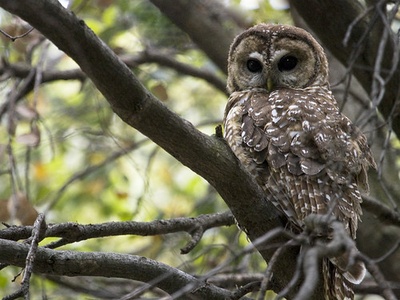
Mexican spotted owl
Medium-sized canyon owl reliant on mature forest and steep canyon habitat; declines from habitat loss, fire regime change and disturbance; recovery focuses on protecting nesting habitat, fire planning and long-term monitoring.
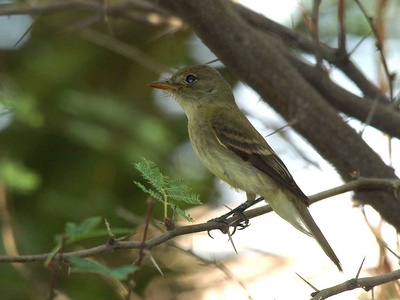
Southwestern willow flycatcher
Tiny migratory songbird tied to dense willow and cottonwood thickets; lost habitat due to river regulation, water diversion and development; conservation emphasizes riparian restoration, flow management and control of brood-parasitic cowbirds.
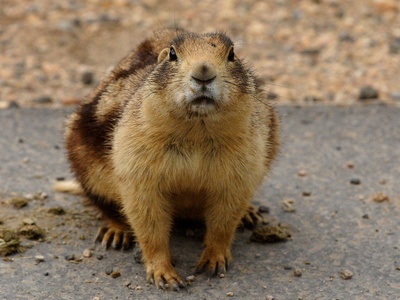
Utah prairie dog
Burrowing rodent endemic to Utah; populations collapsed from plague, habitat loss, and eradication programs; recovery includes plague management, vaccination trials, translocations, public land protections and coordinated state–federal management.