The Eurasian steppe stretches from Eastern Europe through Central Asia as a broad band of grassland shaped by cold winters, dry summers, and centuries of grazing. Its plants are adapted to wind, low moisture and seasonal extremes, so even small differences in form or leaf texture can signal very different species.
There are 20 Eurasian Steppe Plants, ranging from Austrian wormwood to Yarrow. For each species, the entries include Scientific name, Growth form, Range so you can compare habitat and distribution across the steppe — information you’ll find below.
How can I tell similar steppe species apart in the field?
Focus on growth form (tufted grass, low shrub, rosette), leaf shape and texture, flowering structure, and timing. Smell and stem hairiness help too: for example, Austrian wormwood has aromatic, silvery leaves, while Yarrow has flat-topped flower clusters and finely divided leaves. Use a regional guide and photos for confirmation.
Are these plants useful for restoration or grazing projects?
Many steppe species are drought-tolerant and valuable for erosion control, soil building, and seasonal forage, but suitability depends on local conditions. Some are unpalatable or protected, so check native-species lists and grazing impacts before planting or introducing them.
Eurasian Steppe Plants
| Common name | Scientific name | Growth form | Range |
|---|---|---|---|
| Feather grass | Stipa pennata | grass | Pontic-Caspian to Central Asia (Russia, Ukraine, Kazakhstan) |
| Feather grass (capillata) | Stipa capillata | grass | Eastern Europe to Central Asia (Russia, Kazakhstan, Mongolia) |
| Mongolian feather grass | Stipa grandis | grass | Mongolian and Daurian steppes (Mongolia, China, Russia) |
| Chinese wild rye | Leymus chinensis | grass | Manchuria, Mongolian Plateau, NE China, Kazakhstan |
| Junegrass | Koeleria macrantha | grass | Widespread Eurasian steppe belt (Europe to Mongolia) |
| Hard fescue | Festuca valesiaca | grass | Pontic-Caspian and Central European steppes (Ukraine, Romania, Hungary) |
| Crested wheatgrass | Agropyron cristatum | grass | Central Asian steppes (Kazakhstan, Mongolia, China, Russia) |
| Cheatgrass | Bromus tectorum | grass | Widespread Eurasian steppe and disturbed sites (Europe, Central Asia) |
| Fringed sagewort | Artemisia frigida | forb/subshrub | Widespread across Eurasian steppes to semi-deserts (Russia, Mongolia, Kazakhstan) |
| Austrian wormwood | Artemisia austriaca | subshrub | Pontic-Caspian and Eurasian steppes (Ukraine, Russia, Kazakhstan) |
| Pasqueflower | Pulsatilla patens | forb | Pontic-Caspian to Siberian steppe fringes (Russia, Kazakhstan, Finland) |
| Wild tulip | Tulipa biebersteiniana | bulb | Pontic-Caspian, Crimea, Anatolian steppes (Russia, Ukraine, Turkey) |
| Steppe onion | Allium polyrhizum | bulb | Central Asian and Mongolian steppes (Kazakhstan, Mongolia, China) |
| Sand milk-vetch | Astragalus arenarius | forb | Eastern European to Central Asian dry steppes (Poland to Kazakhstan) |
| Korshinsky peashrub | Caragana korshinskii | shrub | Inner Mongolia, Gobi and Central Asian semi-steppe regions (China, Mongolia) |
| Joint-pine | Ephedra distachya | shrub | Pontic-Caspian to Central Asian steppes (Russia, Kazakhstan, Mongolia) |
| Syrian bean-caper | Zygophyllum fabago | subshrub | Central Asian and Pontic steppes (Kazakhstan, Russia, Turkey) |
| Wild thyme | Thymus serpyllum | forb | Western Eurasian dry grasslands and steppe patches (Europe, W. Asia) |
| Yarrow | Achillea millefolium | forb | Widespread Eurasian steppes and grasslands (Europe to Central Asia) |
| Bulbous bluegrass | Poa bulbosa | grass | Mediterranean, Pontic and Central Asian steppes (Turkey, Russia, Kazakhstan) |
Images and Descriptions
Feather grass
Fine, silvery flowering awns form feathery plumes on tufts of narrow leaves. Found on dry, calcareous steppe and semi-deserts; blooms spring to early summer. Important for wind-dispersal and typical steppe grassland texture.

Feather grass (capillata)
Tufted grass with long, silky awns producing billowing seed plumes. Grows in dry, open steppe and rocky grasslands; flowers late spring to summer. Deep roots stabilize soils and it is common across Euro-Asian steppes.
Mongolian feather grass
Dominant feather grass of the Mongolian steppe forming tall, silvery tussocks. Prefers loess and marl soils; flowers late spring into summer. Provides forage for grazing animals and creates steppe structure supporting insects and small mammals.
Chinese wild rye
Large perennial bunchgrass with wide leaves and dense seed spikes. Dominant in eastern Eurasian steppes; tolerates seasonal drought and saline soils. Flowers summer; key forage grass shaping vegetation mosaics and recovered slowly after heavy grazing.
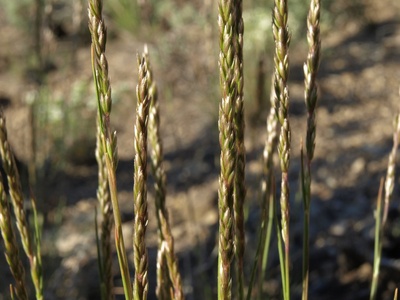
Junegrass
Fine-leaved perennial forming low tufts with airy seed heads. Common on dry, well-drained steppe slopes and steppelike grasslands; flowers late spring to early summer. Tolerant of grazing and drought, contributing to early-season forage and open-steppe diversity.
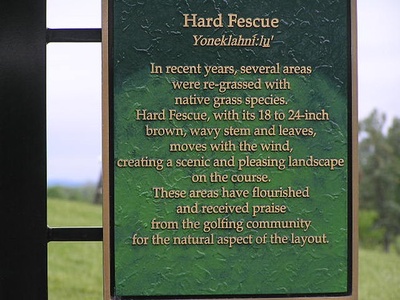
Hard fescue
Short, tufted fescue forming dense mats on dry, calcareous steppes and rocky outcrops. Blooms late spring with narrow panicles. Drought- and grazing-tolerant, it helps prevent erosion and characterizes many Pontic-Caspian steppe remnants.
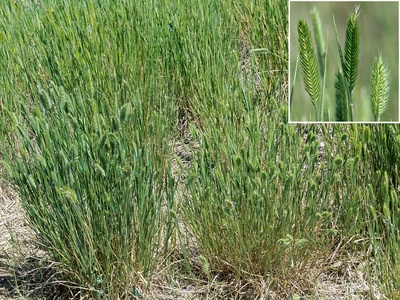
Crested wheatgrass
Sturdy perennial bunchgrass with blue-green leaves and erect seed spikes. Native to Central Asian steppes; flowers late spring. Deep-rooted and drought-resistant, it often dominates disturbed steppe and is used in restoration.
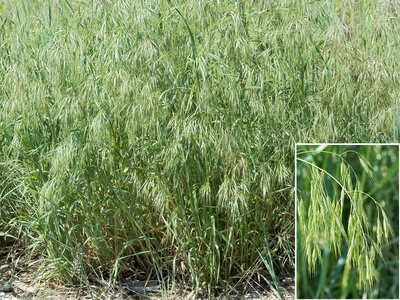
Cheatgrass
Annual or short-lived perennial with loose drooping panicles; common in disturbed steppe and roadsides. Germinates early spring and flowers late spring; highly competitive after grazing or fire. Native to Eurasia and notable for altering fire regimes where introduced.
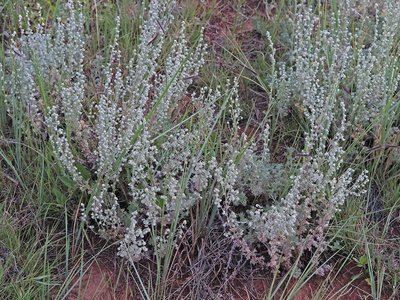
Fringed sagewort
Low, grey-green woody forb with finely divided leaves and small yellow flower heads. Widespread across dry steppes and semi-deserts; flowers summer to autumn. Aromatic and grazing-tolerant, it is important for soil protection and herbivore diets in nutrient-poor steppe soils.
Austrian wormwood
Subshrub with greyish, aromatic leaves and open clusters of small yellow flowers. Found in Pontic-Caspian and Eurasian steppes on dry calcareous soils; blooms mid-summer. Common component of heavy-grazed and naturally sparse grasslands, supporting specialized insect fauna.
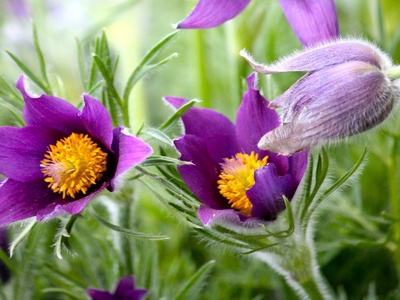
Pasqueflower
Downy pasqueflower with nodding purple flowers and silky seedheads. Grows in open, well-drained steppe, flowering early spring. Its showy blooms and timing make it a familiar spring signal; seeds are wind-dispersed and it prefers undisturbed steppe patches.
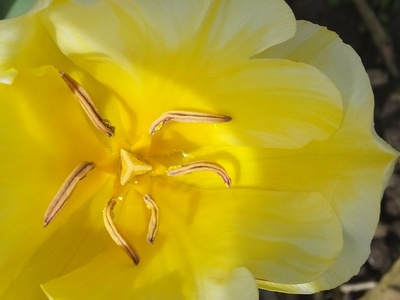
Wild tulip
Compact wild tulip with bright red to orange bowl-shaped flowers. Occurs in Pontic-Caspian and Turkish steppes and dry meadows; blooms spring. Bulbous and adapted to seasonal drought, it is part of wild tulip diversity that originated in Eurasian steppes.
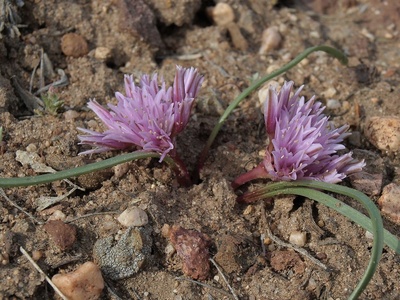
Steppe onion
Small wild onion with spherical clusters of pink to purple flowers atop scapes. Found across Central Asian and Mongolian steppes, flowering late spring to summer. Bulbous and salt-tolerant, it persists in grazed steppe and provides nectar for pollinators.
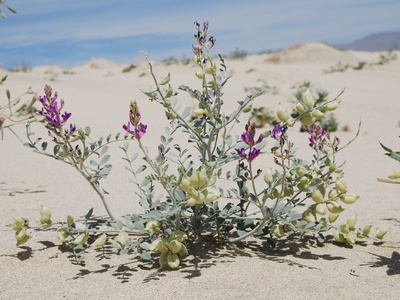
Sand milk-vetch
Low perennial legume with pinnate leaves and pea-like yellow flowers. Grows on sandy, dry steppe soils from Eastern Europe into Central Asia; blooms late spring. Nitrogen-fixing and drought-hardy, it supports soil fertility and local insect communities.
Korshinsky peashrub
Nitrogen-fixing steppe shrub with pinnate leaves and bright yellow pea-flowers. Native to Inner Mongolian and Central Asian semi-deserts and steppes; flowers late spring. Tolerant of drought and poor soils, used naturally and in restoration for windbreaks and grazing shelter.
Joint-pine
Low, jointed evergreen shrub with thin green stems and tiny scale-like leaves. Common on dry, sandy or rocky steppe and semiarid slopes; produces small cones and is wind-pollinated. Drought-adapted; historically noted for medicinal alkaloids.
Syrian bean-caper
Perennial, succulent-leaved subshrub with yellow flowers and round fruits. Occurs in Central Asian and Pontic steppes on saline and disturbed soils; flowers summer. Salt-tolerant and drought-resistant, often colonizes degraded steppe and rocky ground.
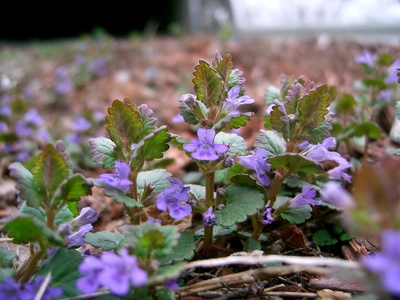
Wild thyme
Low mat-forming aromatic herb with tiny pink to purple flowers. Found in dry grasslands and steppe patches across Europe and western Asia; blooms summer. Loved by pollinators, it stabilizes soil and adds fragrance to short-steppe communities.
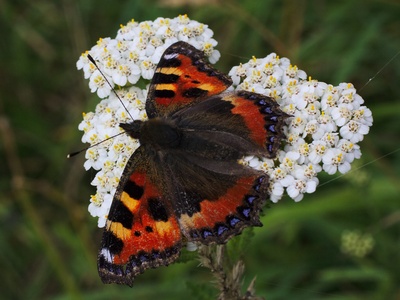
Yarrow
Rosy-white to pink cluster-flowered forb with feathery leaves occurring in many grasslands including steppe patches. Flowers summer; tolerant of grazing and disturbance. A common nectar source for insects and a frequent member of mosaic steppe vegetation.
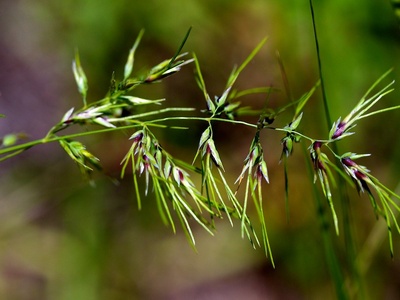
Bulbous bluegrass
Bulbous bluegrass forming basal bulbs and narrow leaves with upright flower spikes. Widespread on dry Mediterranean, Pontic and Central Asian steppes; flowers spring. Its bulbous habit helps survive drought and grazing, making it a persistent steppe component.