Costa Rica covers roughly 0.03% of the planet’s land area yet is home to an estimated 5% of the world’s species — a striking set-up for wildlife fame. Wildlife here isn’t just pretty scenery; it underpins a major slice of the economy (about 2.9 million international visitors arrived in 2019) and shapes national identity through community conservation and scientific research.
These ten animals — from canopy-dwelling sloths to nesting sea turtles — define Costa Rica’s global wildlife reputation and explain why millions travel here each year. To make it useful for travelers and conservation-minded readers, the profiles below note where to see each species, their ecological roles, conservation status, and real-world programs helping them thrive. For quick navigation, the list is grouped into three categories: mammals and large wildlife; colorful birds and reptiles; and insects, amphibians, and marine stars.
Mammals and Large Wildlife

Big and medium-sized mammals are often the headline names visitors hope to see. They’re charismatic, sure, but they also perform essential ecosystem services — from seed dispersal by tapirs and monkeys to top-down regulation by apex predators. Costa Rica’s conservation framework helps: roughly 25% of the country’s land is protected as parks, reserves, or biological corridors, which keeps viable habitat for many species and draws ecotourists to places like Corcovado, Manuel Antonio, Tenorio, and Tortuguero.
Local guide programs and community-run reserves turn sightings into livelihoods while supporting on-the-ground monitoring. Below are four mammals that most consistently shape Costa Rica’s wildlife stories and conservation priorities.
1. Three-toed Sloth (Bradypus variegatus)
The three-toed sloth is one of Costa Rica’s most iconic and photographed animals, often paused for photos along lowland trails. Sightings are common in reserves such as Manuel Antonio, Cahuita, and private biological corridors where visitors and guides spot sloths in mangroves and lowland rainforest canopies.
Ecologically, sloths host algae in their fur, support a micro-ecosystem of moths and beetles, and contribute to slow seed movement through canopy foraging. The species is generally listed as Least Concern, but local threats include habitat fragmentation, power-line collisions, and road mortality.
Sloths are a dependable draw for wildlife tours and photographers, generating revenue for guide groups and park fees. Organizations such as the Sloth Sanctuary of Costa Rica run rescue, rehabilitation, and education programs that support both animal welfare and local ecotourism.
2. Jaguar (Panthera onca)
The jaguar is Costa Rica’s top big-cat symbol: an apex predator whose presence signals connected, functioning ecosystems. Core populations persist on the Osa Peninsula, with Corcovado National Park protecting large tracts of primary rainforest (Corcovado itself conserves tens of thousands of hectares of critical habitat).
Globally the jaguar is listed as Near Threatened by the IUCN, and in Costa Rica its survival depends on habitat connectivity and reduced human–wildlife conflict. Threats include forest loss, retaliatory killing over livestock, and illegal hunting.
Conservation work around jaguars funds landscape-scale corridor projects and camera-trap research that also monitors tapirs, peccaries, and ocelots. Long-term studies in Corcovado and community-led livestock management programs in the Osa help lower conflict and maintain habitat for wide-ranging predators.
3. White-faced Capuchin (Cebus capucinus)
White-faced capuchins are highly visible, intelligent monkeys frequently seen near trails, beaches, and agroforestry edges. Manuel Antonio and Monteverde are reliable spots to watch their social groups forage, play, and interact with the forest’s fruiting trees.
Ecologically, capuchins are important seed dispersers and insect predators, helping control herbivores and spreading plant species across fragmented habitats. Their behavior makes them popular with photographers and guides, but habituation and feeding by visitors can cause aggressive behavior and health problems.
Capuchins figure in behavioral research (including studies of tool use and social learning) and feature in eco-education programs run by park guides. Many reserves now use clear guide codes of conduct to discourage feeding and reduce negative human–wildlife interactions.
4. Baird’s Tapir (Tapirus bairdii)
Baird’s tapir is Costa Rica’s largest terrestrial mammal and a true conservation flagship. The species is listed as Endangered by the IUCN across much of its range and prefers remote rainforest and riparian corridors such as those in Corcovado and Braulio Carrillo.
Tapirs are long-distance seed dispersers; their movements shape forest composition and help maintain plant diversity across large areas. Because they require intact forest and connected waterways, tapir conservation drives protection for whole ecosystems, benefiting many other species.
Camera-trap records in Corcovado and community monitoring in buffer zones near Arenal/La Fortuna provide valuable population data. Protecting tapirs often means protecting thousands of hectares of habitat through reserve expansion and corridor initiatives.
Colorful Birds and Reptiles
Birds and vividly colored reptiles make for some of Costa Rica’s most shareable wildlife moments. Photographers and birders flock to cloud forests and lowland rainforest for species that also play vital ecological roles — pollination, seed dispersal, and insect control. Many endemics and migrant species concentrate in higher-elevation cloud forests such as Monteverde, which has become a mecca for specialized birdwatching tours.
Colorful species are excellent conservation ambassadors: their visibility raises public interest, funds nest-protection work, and supports community ecotourism. Here are three species that consistently headline birding checklists and conservation stories.
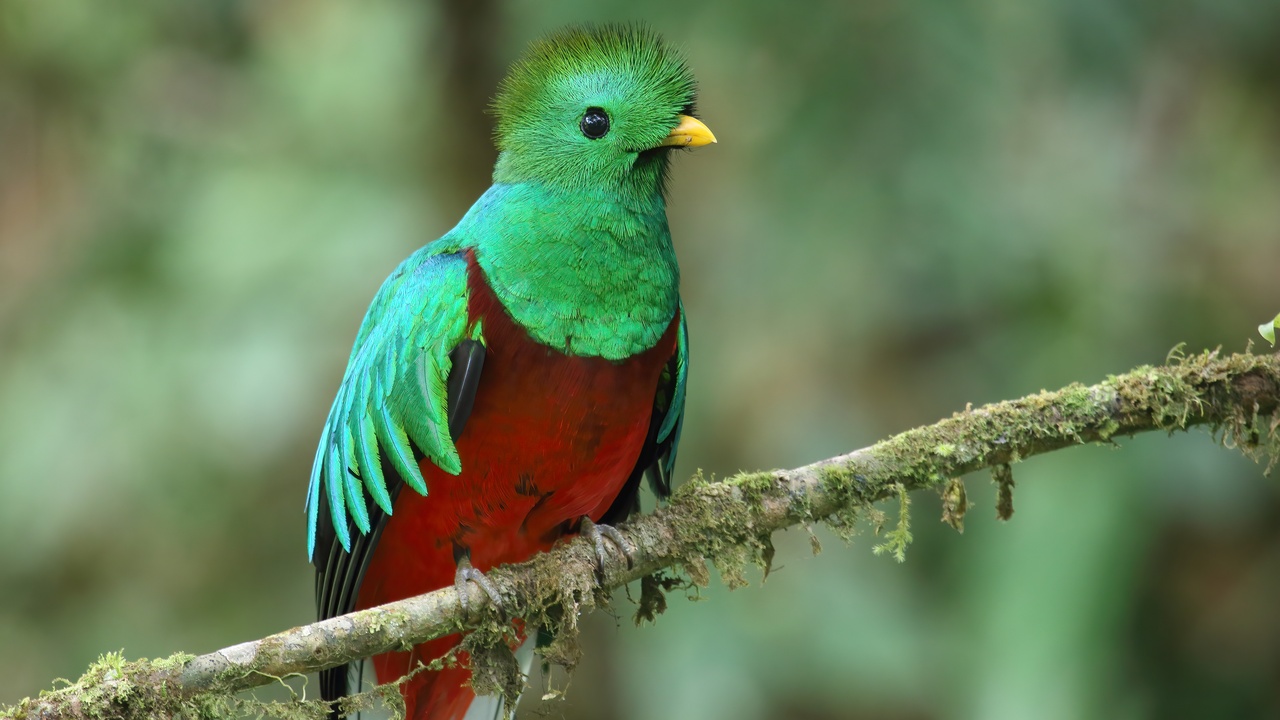
5. Resplendent Quetzal (Pharomachrus mocinno)
The resplendent quetzal is a legendary, jewel-toned bird tied to cloud-forest myths and pre-Columbian symbolism. Prime viewing occurs at Monteverde and other higher-elevation reserves, where seasonal nesting and altitudinal movements attract patient birders and specialized guides.
Quetzals are sensitive to fragmentation because they rely on large trees for nesting and fruiting trees for food. Protected cloud-forest patches sustain local populations, and quetzal-focused tours are high-value experiences that help support small lodges and guiding families.
Local reserves and community operators report seasonal quetzal sightings, and many guides run dawn walks specifically timed to increase chances of observation during nesting months.
6. Scarlet Macaw (Ara macao)
The scarlet macaw’s loud calls and brilliant red, yellow, and blue plumage make it emblematic of Costa Rica’s tropics. Important nesting concentrations occur in the Osa Peninsula and near Caño Island, where mature trees create nesting cavities.
Conservation efforts such as nest protection, reforestation, and reintroduction projects have helped local numbers recover in some regions. Community-run nest-protection initiatives in the Osa combine monitoring with environmental education and ecotourism income.
Macaw viewing is a staple for wildlife lodges and photographers visiting Corcovado and surrounding areas, and local NGOs often coordinate volunteer programs to protect active nest trees during breeding season.
7. Keel-billed Toucan (Ramphastos sulfuratus)
The keel-billed toucan, with its multicolored bill, is a common and charismatic presence in lowland forests and shaded agricultural landscapes. It’s often easy to spot near trails, fruiting trees, and in shade-grown coffee farms where canopy structure is retained.
Toucans are important seed dispersers, moving fruit seeds across forest patches and agroforestry systems. Their presence highlights how wildlife-friendly coffee and mixed-use landscapes can support biodiversity.
Birding guides include toucans on checklists for lodges across the Nicoya Peninsula and Monteverde region, and many coffee farms use toucan sightings in marketing to promote sustainable, shade-grown practices.
Insects, Amphibians, and Marine Stars
Smaller creatures and marine visitors often steal the show: iridescent butterflies, vividly colored poison frogs, and mass-nesting sea turtles each support scientific research, volunteer programs, and specialized tourism. Costa Rica’s marine protected areas and nesting beaches — Tortuguero, Ostional, and Las Baulas among them — are hubs for both study and public engagement.
These species tie conservation action to particular habitats — cloud-forest stations for amphibians, mangroves and estuaries for fish and invertebrates, and specific sandy beaches for nesting turtles. Here are three especially famous examples.
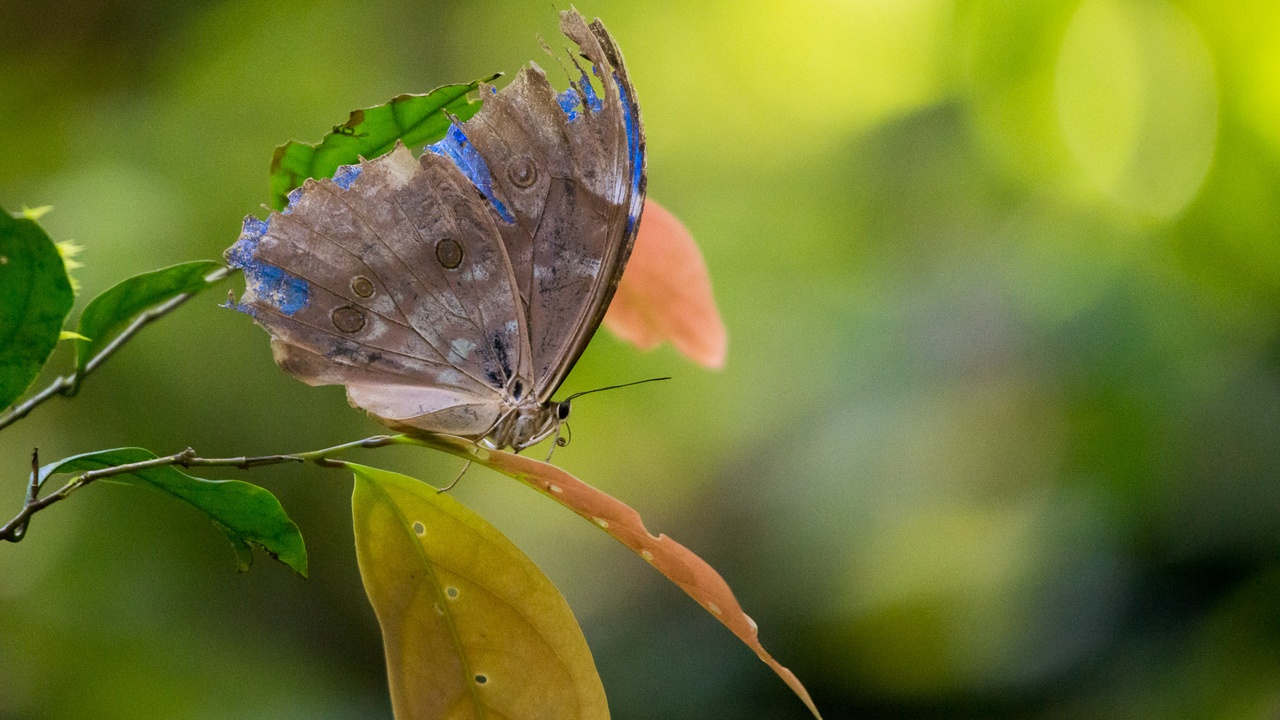
8. Blue Morpho Butterfly (Morpho spp.)
The Blue Morpho is an iconic, iridescent butterfly often photographed as it flashes through understory sunbeams. You’ll see them in lowland and mid-elevation forests, especially near streams and forest edges where light catches their wings.
Morphos contribute to pollination networks and are a cornerstone of insect-focused ecotourism and environmental education. La Selva Biological Station and other research sites study morpho life cycles, and local butterfly houses provide captive-breeding displays that support outreach and livelihoods.
Butterfly gardens near lodges give visitors close-up encounters while easing pressure on wild populations, and they’re also a great educational stop for families.
9. Poison Dart Frog (Dendrobatidae family)
Brightly colored poison dart frogs are small but unforgettable, living in leaf litter and along lowland and cloud-forest streams. Their aposematic colors warn predators, and several species are key attractions on nocturnal or guided amphibian walks.
Amphibian research in Monteverde and other reserves has been crucial for tracking declines caused by the chytrid fungus and habitat loss. Monitoring projects and captive-breeding programs at cloud-forest stations help document population trends and support education efforts.
Interpretive displays at reserve visitor centers and guided night walks let guests learn about species-specific conservation needs without putting wild frogs at risk.
10. Sea Turtles (Olive Ridley, Green, and Leatherback) — nesting visitors
Sea turtles are headline-makers in Costa Rica thanks to mass-nesting events (arribadas) and long-running beach-protection programs. Ostional Wildlife Refuge on the Nicoya Peninsula hosts dramatic Olive Ridley arribadas that can involve tens of thousands of turtles, while Tortuguero is famous for Green turtle nesting and Las Baulas National Marine Park protects Leatherback beaches.
These species range from Vulnerable to Endangered on the IUCN Red List depending on the population. Protecting nesting beaches through patrols, regulated tourism, and nest relocation has both ecological and economic benefits, fueling volunteer programs and local employment.
Organizations such as the Sea Turtle Conservancy and many local NGOs coordinate long-term monitoring, community education, and regulated viewing that help sustain both turtle populations and coastal livelihoods.
Summary
- These animals matter ecologically and economically: they keep forests and coasts functioning and help attract roughly 2.9 million international visitors (2019) who support local jobs and conservation fees.
- Costa Rica’s protected-area network (about 25% of the land) and community-led programs sustain much of the habitat these species need, from Corcovado’s rainforest to Ostional’s nesting beaches.
- Practical ways to help: choose licensed guides and certified ecotour operators, support local NGOs (for example, the Sea Turtle Conservancy and community-run reserves), and practice responsible wildlife viewing habits.
- When you plan a trip or donate time, prioritize projects that protect habitat, fund local monitoring, and invest in community livelihoods — the best long-term strategy for the famous animals of costa rica and the people who live alongside them.