Anecdotes from ancient Greece still come to life on a human scale: dolphins guiding sailors into safe harbors, donkeys hauling amphorae up narrow island paths, and gods who took animal forms in myth. Those images are not just stories—animals have shaped Greek life for millennia, from coastal livelihoods to island ceremonies.
This piece profiles the 10 most famous animals of Greece and groups them by habitat and cultural role. Each short profile includes a quick fact, conservation status, and a real-world example—wildlife-watching opportunities, legal protections, or local traditions—to help readers connect biodiversity, tourism, and conservation. Expect coastal icons like the loggerhead and Mediterranean monk seal, mountain mammals such as the brown bear and kri‑kri, migratory raptors, and the small but persistent species that show up on village walls and in markets. The aim is practical: know where to see these animals responsibly and how local efforts are protecting them.
Marine and Coastal Icons
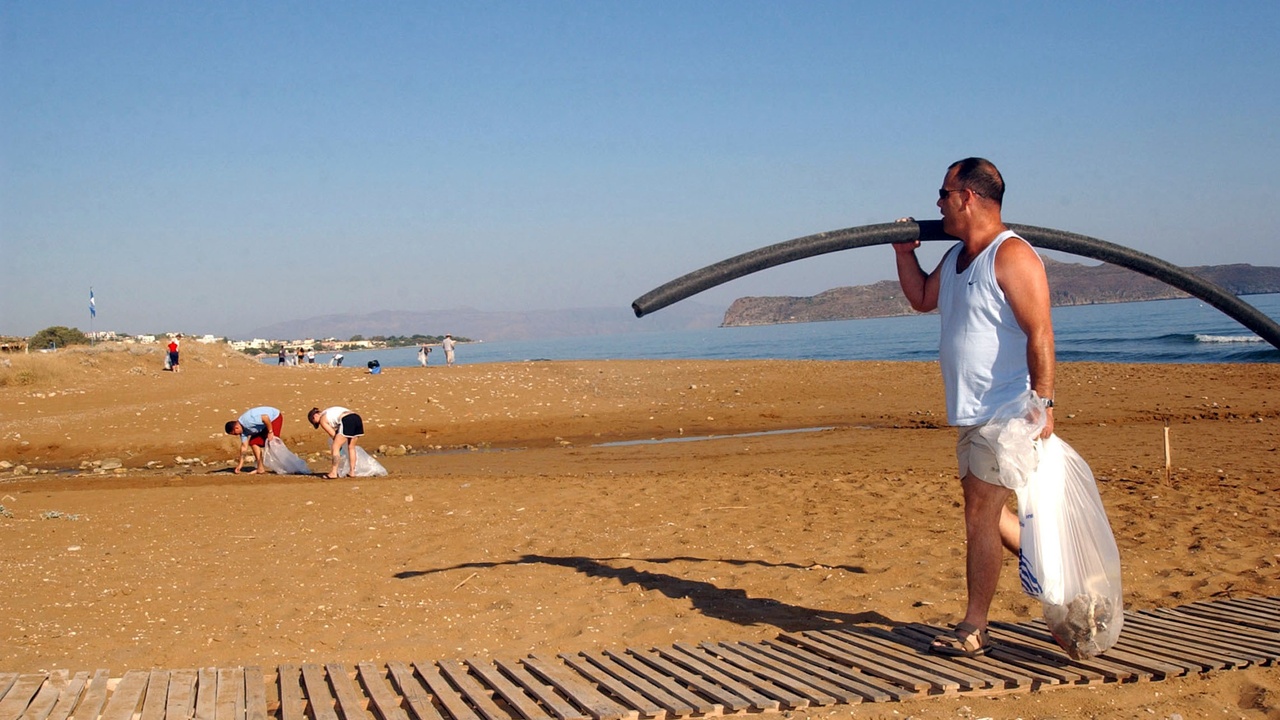
Greece’s long coastline—fringed by roughly 6,000 islands and islets—creates a patchwork of bays, beaches and sea caves that support a suite of globally important marine species. Those coastal habitats power nature-based tourism (snorkeling, boat tours and guided nesting watches) and also host some of the Mediterranean’s most urgent conservation stories.
Marine threats are familiar: bycatch in fishing gear, coastal development that erases nesting beaches, and disturbance from unregulated visitors. Still, Greece is a conservation hotspot: scientific monitoring, volunteer patrols and protected-site rules are actively used on places such as Zakynthos (for turtles), Aegean pupping sites for monk seals, and dolphin‑watching routes in the Saronic and Ionian gulfs.
1. Loggerhead sea turtle (Caretta caretta)
The loggerhead is one of Greece’s best-known wildlife species and a flagship for coastal protection. The IUCN lists Caretta caretta as Vulnerable; Greece hosts a large share of Mediterranean nesting sites, and Zakynthos alone commonly records roughly 1,200–1,800 nests per year (figures vary annually and should be checked with local monitoring teams).
Nesting runs from about May through August, with hatchlings emerging into the autumn in some seasons. Conservation measures include night‑time beach closures, marked hatchling corridors, nest monitoring by volunteers and regulated viewing that keeps people and lights away from incubating sand.
2. Mediterranean monk seal (Monachus monachus)
The Mediterranean monk seal is among Europe’s rarest marine mammals and a powerful symbol of Greek conservation. Current estimates often cite a global population on the order of ~700 individuals (national and NGO counts vary), underscoring how few colonies remain in the Mediterranean.
Main threats include entanglement in fishing gear, loss of undisturbed haul-out caves to tourism development, and disturbance at pupping sites. Conservation actions in Greece range from protecting sea caves and limiting access to creating safer fishing practices and rescue centers (work led by organizations such as local institutes and community partners).
3. Bottlenose dolphin (Tursiops truncatus)
Dolphins are culturally familiar and economically important along many coasts and around islands. Bottlenose dolphins occur in sheltered gulfs and around archipelagos, and they draw regulated boat-based ecotourism while serving as subjects for citizen‑science sighting reports.
Hotspots include the Saronic Gulf and parts of the Ionian Sea, where research groups (including national marine research centers) monitor populations and work with operators on boat‑watching codes of conduct to reduce disturbance and harmful interactions with fisheries.
Mammals of Mainland and Islands
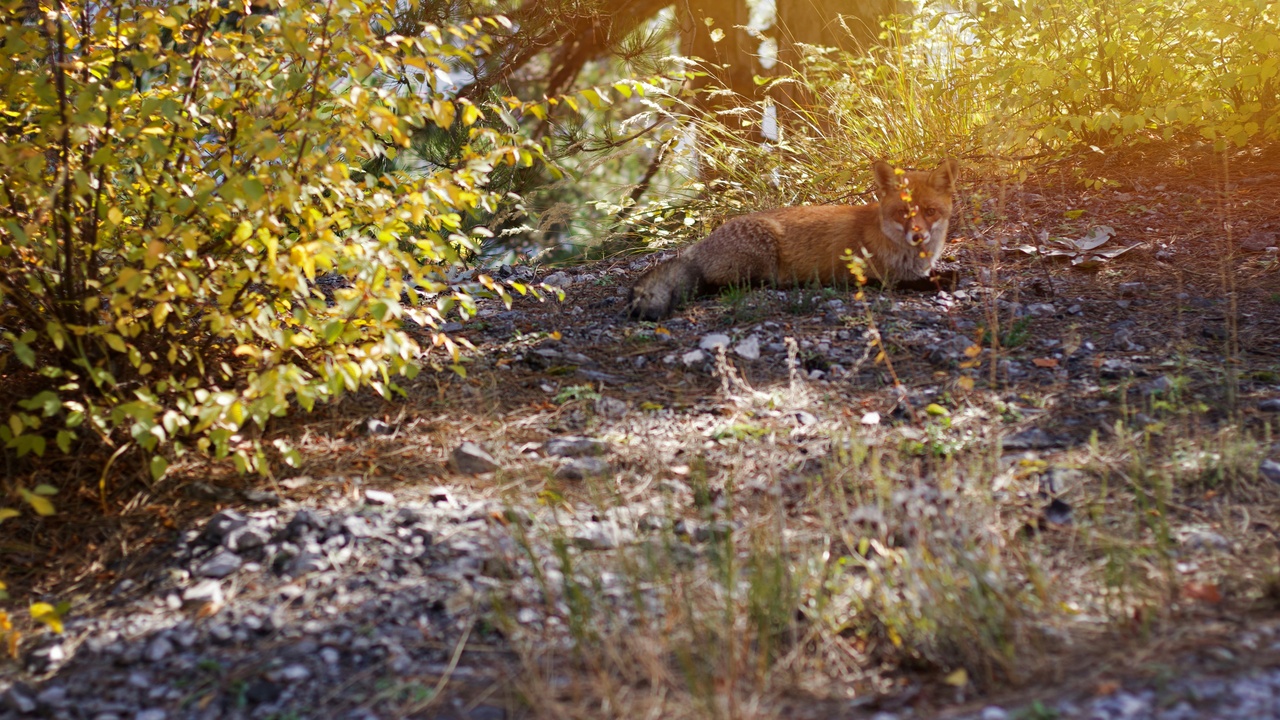
Terrestrial mammals in Greece range from island endemics found on a handful of islets to large carnivores that need broad mountain ranges. Islands created isolated evolutionary paths—hence the kri‑kri of Crete—while mainland species like the brown bear roam the Pindus and Rhodope ranges. Human land use, agriculture and hunting shape where mammals persist and how they are managed.
Management challenges are varied: protecting small, vulnerable island populations, preventing conflict with farmers, and keeping migration corridors open for wide‑ranging species. Examples of on-the-ground responses include nature parks, shepherd compensation schemes and targeted monitoring by universities and NGOs.
4. Kri‑kri (Cretan wild goat, Capra aegagrus cretica)
The kri‑kri is an island icon tied to Cretan identity and ancient stories. This wild subspecies survives on Crete and nearby islets, often in protected canyons and reserves where rocky terrain offers refuge from predators and human disturbance.
Protected areas such as Samaria Gorge and adjacent islets serve as population strongholds, and authorities use controlled ecotourism, monitoring and captive‑to‑wild programs to manage numbers. Visitor guidance and limits on vehicle access help reduce stress on kri‑kri populations while keeping wildlife encounters possible.
5. Eurasian brown bear (Ursus arctos)
The brown bear is Greece’s largest terrestrial carnivore, occurring mainly in the Pindus and Rhodope mountain systems. Bears require connected forested landscapes and low human disturbance to thrive, so protected mountain areas and corridors are vital for their survival.
Human–bear interactions include occasional livestock losses and crop depredation; mitigation programs—livestock‑guarding dogs, electric fencing and compensation schemes—reduce conflict. Research by Greek universities and conservation groups helps map bear movements and design infrastructure that keeps bears and people safe.
6. Wild boar (Sus scrofa)
Wild boar are widespread across mainland forests and agricultural edges and have expanded in parts of Europe, including regions of Greece. Their rooting behavior can cause notable crop damage, which brings farmers into management discussions with wildlife authorities.
Responses include regulated hunting seasons, targeted population control where needed, and local measures to prevent vehicle collisions and protect crops—practical steps used in agricultural areas such as parts of Thessaly and Macedonia.
Birds and Raptors
Greece lies on critical flyways between Africa and Europe, and its wetlands, cliffs and mountain forests host both breeding raptors and millions of migratory passerines. The seasonal ebb and flow of birds makes Greece important for international conservation initiatives and local birdwatching economies.
Key habitats include Ramsar wetlands (for example the Axios‑Loudias‑Aliakmonas complex), cliff islands that host Eleonora’s falcon colonies, and mountain eyries for golden eagles. Threats like habitat loss and illegal persecution are tackled through habitat protection, nest monitoring and cross-border cooperation.
7. Golden eagle (Aquila chrysaetos)
The golden eagle is a top raptor and a conservation symbol in Greece’s highlands. Breeding pairs occupy large territories and are monitored by ornithological societies and research groups to track population trends and nesting sites.
Threats include illegal persecution and collisions with power lines; mitigation projects involve mapping nests, insulating or rerouting dangerous cables and protecting key breeding areas. Birdwatchers travel to protected mountain areas to observe these eagles, supporting local guides and conservation efforts.
8. Eleonora’s falcon (Falco eleonorae)
Eleonora’s falcon is a Mediterranean specialist that times breeding to the autumn migration of small birds. Breeding in August–October, the falcon breeds on Aegean islets and then undertakes long migrations to wintering grounds in Madagascar and parts of equatorial Africa.
Conservation measures include seasonal access restrictions on key islets, ringing and telemetry studies that document migration routes, and local protections that keep cliff colonies disturbance‑free during the breeding window.
Reptiles, Amphibians and Cultural Symbols
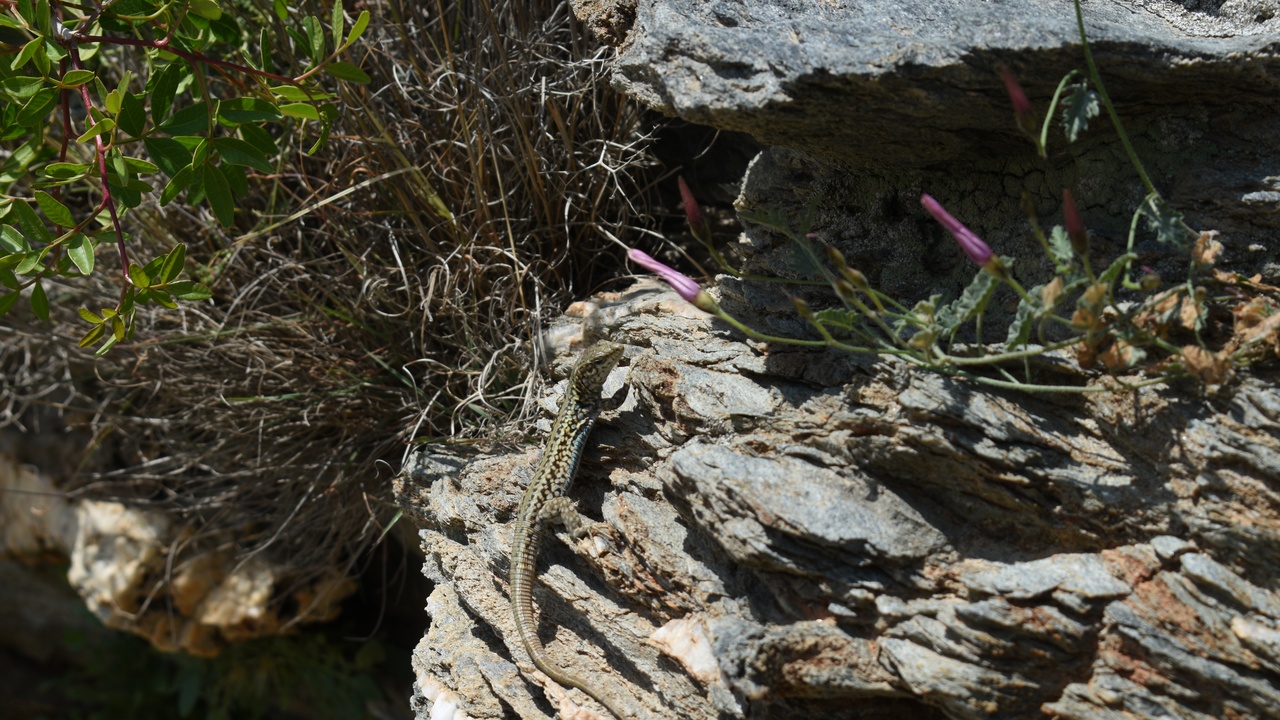
Some of Greece’s most visible wildlife are small: island lizards sunning on ruins, frogs in village ponds, and working animals such as donkeys that are cultural icons. Small‑range endemics can be vulnerable, while working animals face welfare concerns that overlap with heritage tourism issues.
Visitors frequently encounter these species, so local outreach, citizen science and welfare programs play an important role—whether documenting subspecies of wall lizards or improving veterinary care and legal protections for island donkeys.
9. Aegean wall lizard (Podarcis erhardii)
The Aegean wall lizard is a common, charismatic reptile across many Greek islands and archaeological sites. It plays a practical ecological role as an insectivore and has produced several island‑specific color morphs and subspecies.
Visitors spot these lizards sunning on terraces, stone ruins and harbor walls; citizen‑science programs often record their distribution, making the species an accessible indicator of local ecosystem health.
10. Greek island donkey (domestic donkey)
The island donkey has been a working partner in Greek island life for centuries and now serves as a potent tourist symbol—Santorini and Naxos are common examples. Historically used for transport and agriculture, donkeys remain part of rural economies but face welfare challenges from heavy tourist use and heat stress.
Responses include veterinary outreach, sanctuaries, and rules limiting loads and working hours for tourist rides. Heritage programs promote alternatives—cable cars or footpaths—so that cultural traditions persist without risking animal health.
Summary
- Famous animals of Greece span globally endangered marine mammals and common island lizards, plus culturally important working animals—each tied to particular habitats and human uses.
- Many species directly support local economies through nature tourism, but that economic link requires careful management: protected beaches, seasonal island closures and regulated wildlife‑watching reduce harm.
- Conservation succeeds when local action meets international support—examples include Zakynthos turtle patrols, monk‑seal rescue and monitoring, Eleonora’s falcon tracking projects, and kri‑kri reserves (Archipelagos Institute, MOm and Hellenic conservation partners are active on these fronts).
- Before visiting nesting beaches or fragile islets, check protected‑area rules, support reputable local NGOs, and choose responsible wildlife experiences that prioritize animal welfare and long‑term conservation.