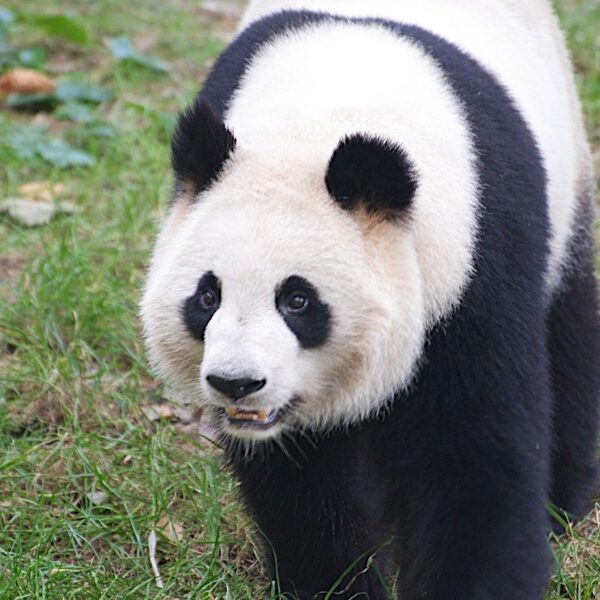
Sepilok Orangutan Rehabilitation Centre opened in 1964 and helped make the Bornean orangutan one of Malaysia’s best-known wildlife ambassadors. That single conservation effort helped shift public attention, built local ecotourism, and set the tone for decades of wildlife rescue and habitat protection across the country.
These animals matter for reasons that go beyond charm: they carry cultural symbolism (from state emblems to story-telling), they generate real income via ecotourism, and many are now conservation priorities because their habitats are shrinking. From the Malayan tiger prowling lowland forests to whale sharks cruising coastal waters, Malaysia’s wildlife shapes national identity, tourism, and conservation priorities.
This article lists 12 species grouped into four themed sections—large mammals and icons; forest specialists; birds, reptiles and river giants; and marine life plus lesser-known treasures—to give readers concrete places to visit and clear ways to help. Expect specific spots like Sepilok and the Kinabatangan River, concrete numbers (for example, 1964 and 12 species), and practical conservation examples throughout.
Large Mammals and National Icons
These are the species that most often appear in Malaysian culture, tourism brochures, and conservation campaigns. As flagship animals, they attract visitors and funding that benefit whole landscapes and countless lesser-known species.
Protecting these big mammals produces an umbrella effect: safeguarding their habitat preserves trees, understory plants, and the smaller animals that depend on them. Institutions like the IUCN and local rehabilitation centres (notably Sepilok) often lead efforts to monitor and protect these high-profile creatures.
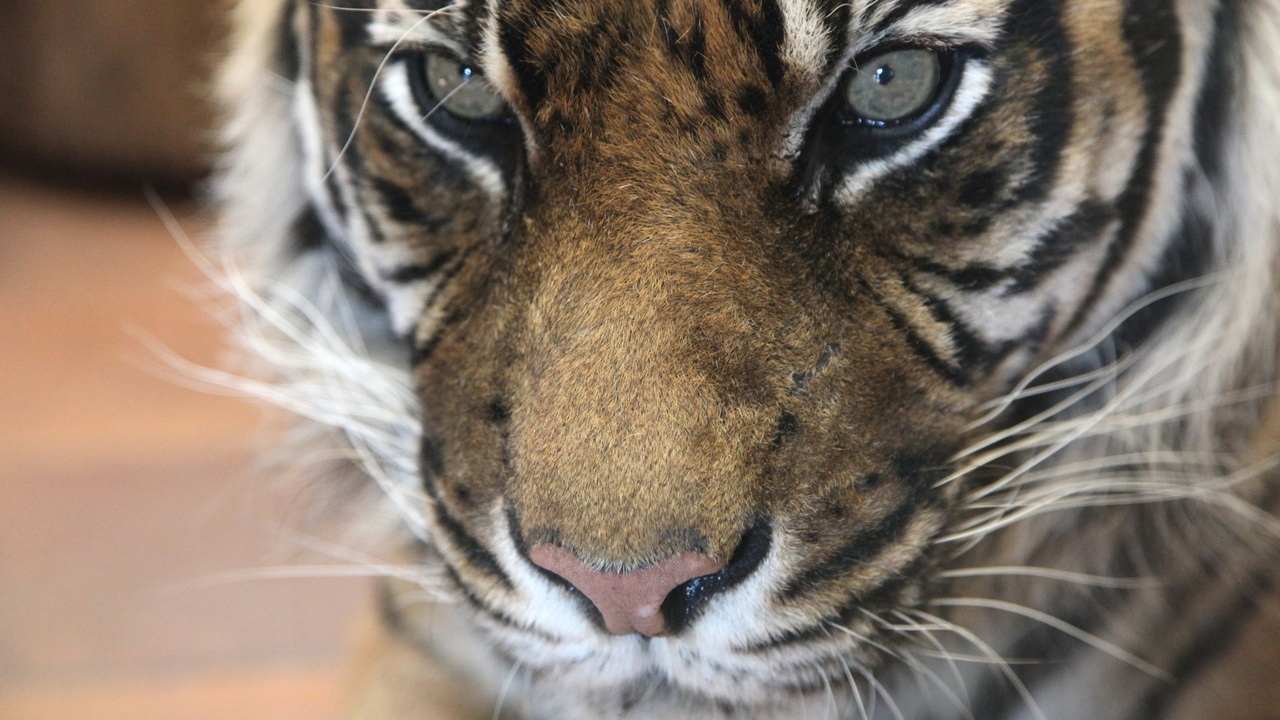
1. Malayan Tiger
The Malayan tiger is Malaysia’s most iconic big cat and a national symbol seen on emblems and in public campaigns. As an apex predator it helps regulate herbivore numbers and maintain forest balance.
Adults can weigh up to about 140 kg and occupy large territories, which makes habitat loss and fragmentation especially harmful. The IUCN lists tigers as endangered across their range, and Malaysia’s populations have trended downward due to poaching and shrinking forest.
Conservation work includes anti-poaching patrols, ranger-led enforcement, and protected areas such as Taman Negara, where targeted programmes monitor tiger presence and corridor use. Tourism centred on responsibly managed tiger habitats also provides funds and political support for protection.
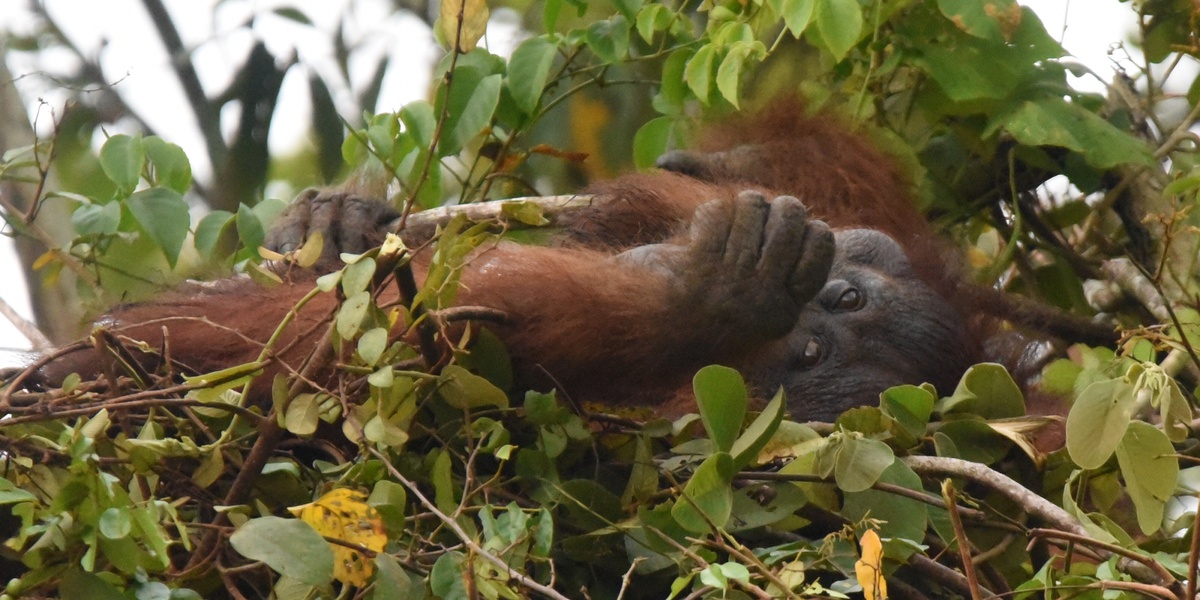
2. Bornean Orangutan
The Bornean orangutan is a charismatic, tree-dwelling great ape strongly associated with Malaysian Borneo and with rehabilitation work at Sepilok (est. 1964). Their long arms, slow life-history, and expressive faces make them powerful conservation ambassadors.
Females have an interbirth interval of roughly 6–8 years, so populations recover slowly after losses. Major threats include deforestation for oil palm, logging, and the illegal pet trade, which makes rehabilitation centres and law enforcement critical.
Places like the Sepilok Orangutan Rehabilitation Centre and community-led boat tours along the Kinabatangan River combine education with livelihoods; ecotourism income helps fund patrols and gives locals incentives to protect remaining forest patches.
3. Asian Elephant (Borneo and Peninsula)
Malaysia hosts two Asian elephant populations: the mainland Peninsular elephants and the distinct Bornean elephants found mainly in Sabah. These megaherbivores are key seed dispersers and have cultural importance in some communities.
Human–elephant conflict, especially crop raiding, is a persistent challenge where agricultural land borders elephant ranges. Practical mitigation includes creating wildlife corridors, fencing, and community compensation schemes that reduce retaliatory killings.
Conservancies and Sabah-based protection programmes work with villages to map seasonal elephant movements and design corridors so elephants can travel without causing repeated damage to farms.
Forest Specialists and Unique Mammals
This group includes species whose anatomy and behaviours are tightly tied to rainforests and mangroves. Their specializations—like the tapir’s flexible snout or the proboscis monkey’s enlarged nose—reflect long evolutionary histories in local habitats.
Because they rely on specific forest structures, these animals are especially vulnerable to fragmentation. Protecting them maintains forest health and often benefits a wide suite of other species.
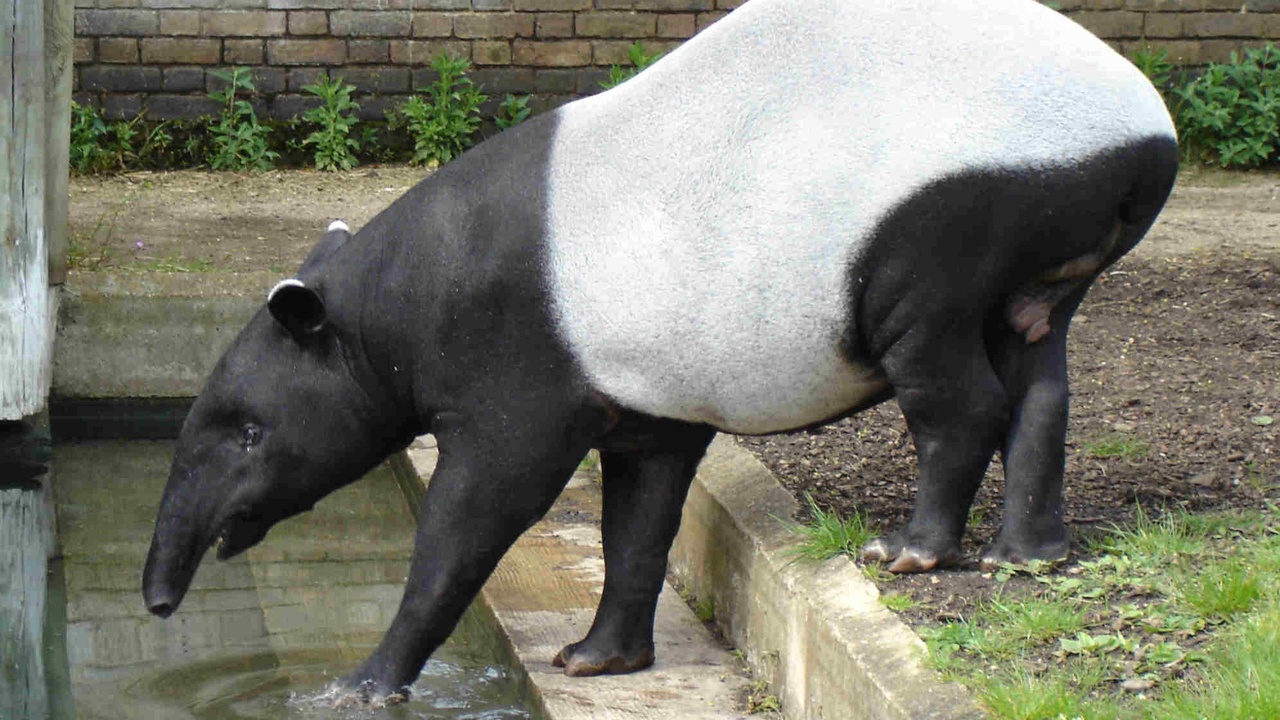
4. Malayan Tapir
The Malayan tapir is unmistakable with its black-and-white saddle pattern and is a primarily nocturnal browser of lowland forests. Its coloration breaks up the animal’s outline in dappled light.
Tapirs depend on intact forest corridors for feeding and breeding, and road mortality is a serious issue where highways cut through lowland ranges. Their presence often signals a functioning forest ecosystem.
Conservation actions include protected lowland reserves in Peninsular Malaysia and experimental wildlife crossings or underpasses to reduce road deaths and reconnect fragmented habitat.
5. Proboscis Monkey
The proboscis monkey is famous for its large nose and is closely tied to riverine mangroves and coastal swamps in Borneo. It travels and forages in family groups along waterways.
Visitors commonly see them on boat trips along the Kinabatangan River, where local guides also explain how mangrove protection supports fisheries and shields communities from erosion. Mangrove conservation thus benefits people and wildlife alike.
Community-based programs that train local guides create incentives to conserve riverine forests and turn sightings into steady income rather than short-term exploitation.
6. Sun Bear
The sun bear is Southeast Asia’s smallest bear, notable for a pale, often U-shaped chest patch. Adults typically weigh between about 25 and 65 kg and are agile climbers and foragers.
Sun bears forage for insects, honey, and fruit and play a role in controlling insect populations and dispersing some seeds. They are threatened by habitat loss and the illegal pet and body-part trade.
Rescue and rehabilitation centres in Borneo treat confiscated sun bears and work with authorities to reduce demand, while forest-protection measures help preserve the habitat these omnivores need to thrive.
Birds, Reptiles, and River Giants
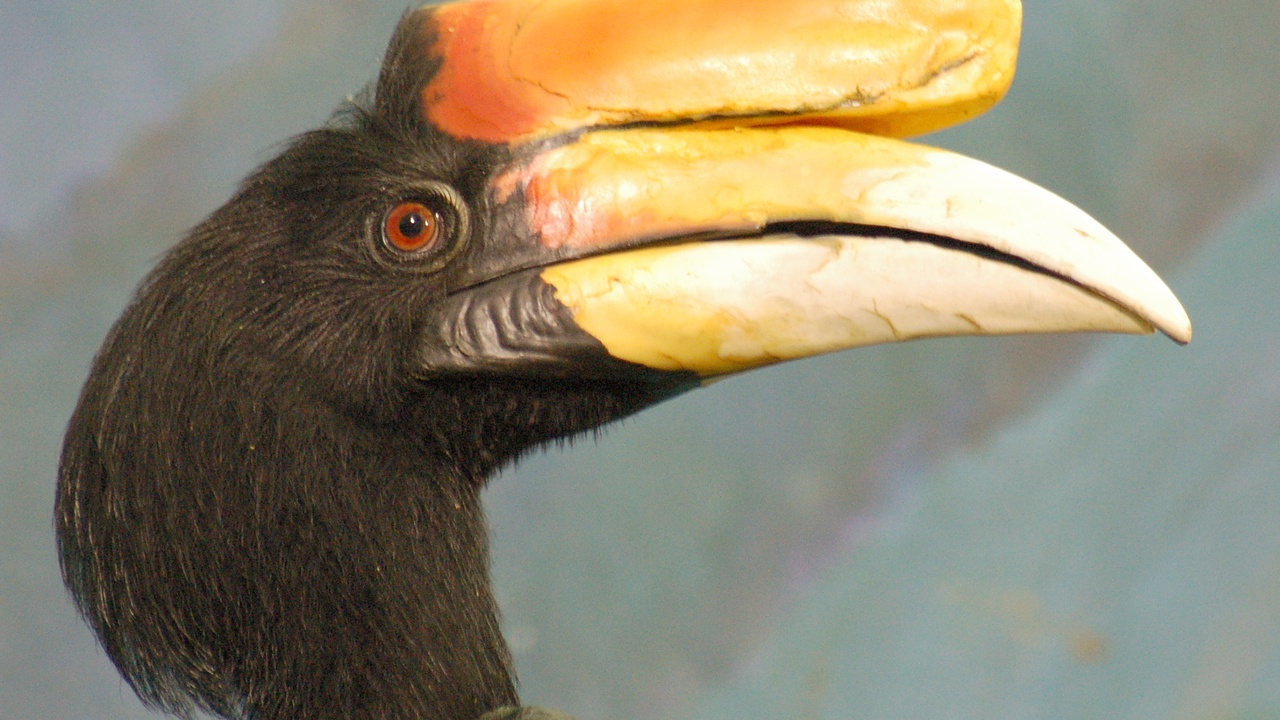
This category highlights charismatic birds and large reptiles that often appear in folklore and local art. Their striking looks and behaviors make them favorites for tourists and educators.
Managing human interactions—whether preventing snakebites, placidly watching hornbills, or avoiding crocodile hotspots—relies on local education, patrols, and clear guidelines for visitors.
7. Rhinoceros Hornbill
The rhinoceros hornbill is immediately recognizable by its large casque and strong presence in cultural art, ceremonies, and state emblems in parts of Malaysia. It nests in tree cavities and needs tall, mature forests for breeding.
Because hornbills require large trees for nesting, their presence indicates healthy forest structure. Birdwatchers travel to Sabah and Perak to see them, and hornbill trails help drive ecotourism that supports local conservation efforts.
8. King Cobra
The king cobra holds a prominent place in Malaysia’s natural history as one of the world’s longest venomous snakes—individuals can exceed 4 meters in length. They occupy forest edges, plantations, and agricultural fringes.
Reducing negative encounters depends on education and rapid-response snake-rescue teams that relocate animals safely. Hotlines and trained handlers help residents avoid unnecessary killings while protecting people.
9. Saltwater Crocodile
Saltwater crocodiles are apex estuarine predators found in mangroves and river mouths, and large individuals commonly measure around 4–5 meters. They shape estuary food webs and influence fish and bird communities.
Where crocodiles and people overlap, management tactics include clear signage, community education, and targeted relocations after sightings near villages. Healthy mangroves also reduce risky encounters by keeping crocs in natural feeding areas.
Marine Life and Lesser-Known Treasures
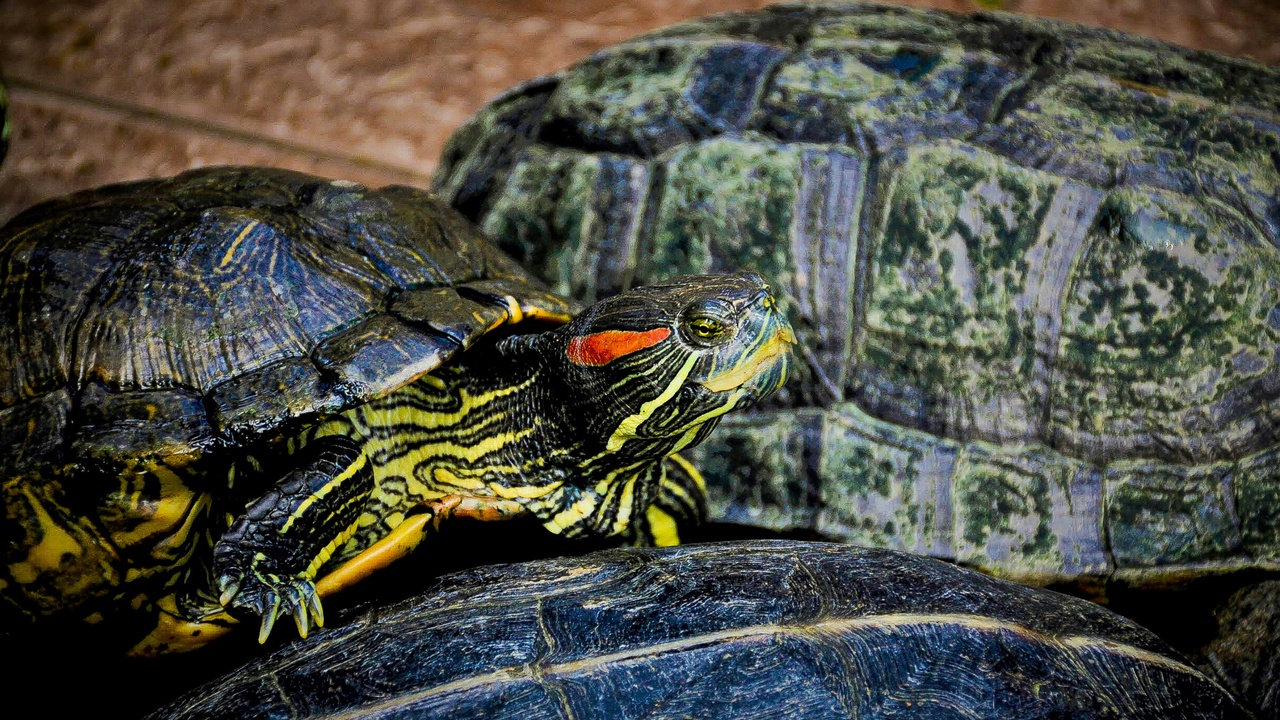
The final group mixes marine megafauna and a few surprising terrestrial species that often catch visitors off guard. Seasonal events like nesting and migrations create powerful opportunities for both tourism and conservation.
Protecting marine areas supports fisheries, coastal resilience, and community livelihoods; tackling illegal wildlife trade protects terrestrial species that are quietly on the front lines.
10. Green Sea Turtle
Green sea turtles travel long distances and nest on Malaysian beaches, with nesting commonly occurring from May to September in several areas. Females return to lay eggs on familiar shorelines, which makes those beaches conservation priorities.
Protected nesting sites, nightly patrols, and community monitoring programs help protect eggs and increase hatchling survival. Volunteer hatchling-release programs also connect visitors with hands-on conservation.
Sustainable turtle-watching tourism provides income for island communities in places like Terengganu and encourages local stewardship of nesting beaches.
11. Whale Shark
The whale shark is the world’s largest fish and a major draw for Malaysian dive tourism; animals commonly seen near dive sites measure around 10–12 meters. They turn up in nutrient-rich coastal waters where plankton blooms occur.
Responsible viewing guidelines—limiting swimmer numbers, maintaining distance, and avoiding flash photography—help ensure these encounters benefit local economies without harming the animals.
Dive operators in Sabah and nearby waters follow codes of conduct and photo-identification studies that both protect whale sharks and help scientists track individuals over time.
12. Sunda Pangolin
The Sunda pangolin is a shy, scaly, nocturnal mammal that eats ants and termites and has become emblematic of the illegal wildlife trade. Its armored look belies a gentle, insect-eating ecology that helps control pest populations.
Pangolins are heavily targeted by traffickers, so strong law-enforcement responses and cross-border cooperation are crucial. Malaysian wildlife enforcement has intercepted shipments and worked with NGOs to dismantle networks.
Rescue and rehabilitation centres care for confiscated pangolins while authorities pursue prosecutions—actions that illustrate how on-the-ground responses can slow illegal trade when combined with demand-reduction campaigns.
Summary
- Flagship species—tigers, orangutans, elephants—draw attention and funding that protect whole ecosystems and many lesser-known species.
- Local conservation actions (patrols, rehabilitation centres such as Sepilok, and community-based tourism on the Kinabatangan River) create measurable benefits for wildlife and livelihoods.
- Seasonal hotspots—turtle-nesting beaches (May–September), Sabah dive sites for whale sharks, and hornbill trails—offer ways to see wildlife responsibly and support local economies.
- Illegal trade and habitat fragmentation remain urgent threats for species like the Sunda pangolin and sun bear; strengthened enforcement and protected corridors are essential.
- Learn about and support the famous animals of Malaysia by choosing vetted ecotour operators, donating to reputable conservation groups, and backing community-led protection initiatives.