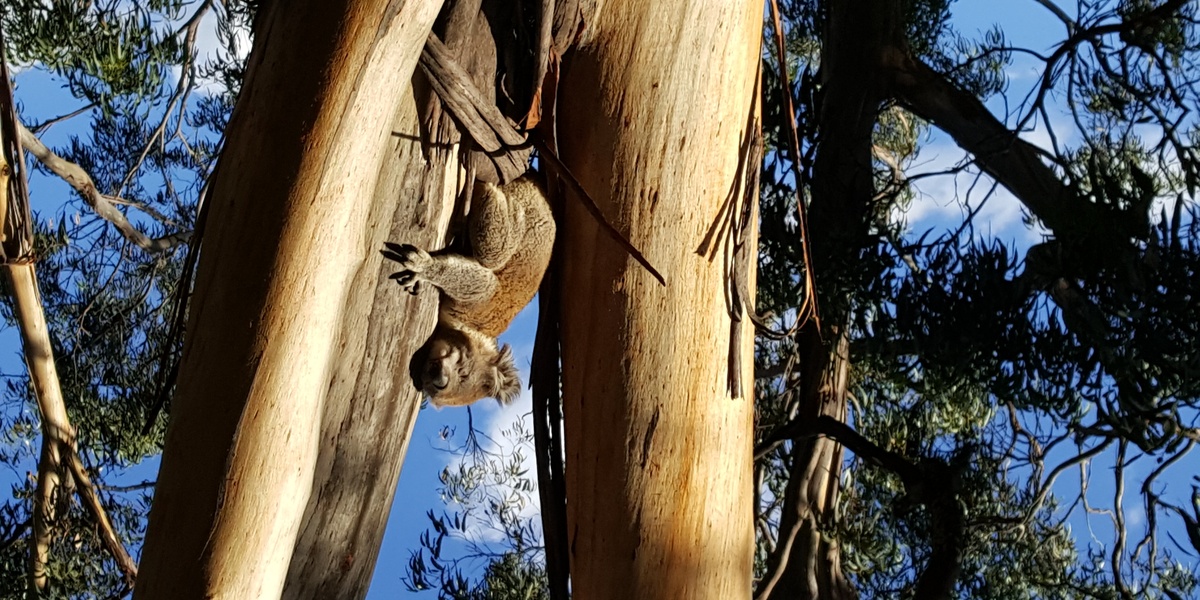
During the 2019–20 Australian bushfires, dramatic photos of injured and soot-covered koalas circulated worldwide, turning individual animals into instant symbols of the crisis and helping drive emergency donations after roughly 18.6 million hectares burned. Those images did something powerful: they put a face on a huge, complex catastrophe. Named animals—real rescue patients, sanctuary ambassadors, tagged research subjects, and even fictional characters—give people a simple way to care.
Individual names focus attention, channel fundraising, and shape conservation conversations. This piece profiles five notable examples—a mix of fictional icons, viral rescues, sanctuary ambassadors, and research subjects—and explains why names matter for culture, funding, and science.
Cultural and Fictional Icons

Fictional famous koalas (and their names) have helped shape how Australians and the world picture the species. Characters created for children’s books and TV shows build familiarity long before conservation groups enter the conversation.
That cultural familiarity pays off. Character-driven merchandise and festivals boost tourism, support museums, and sometimes channel money toward zoos and sanctuaries. A popular book or TV show can spark interest that later translates into donations, volunteer hours, and willingness to support habitat protection.
1. Blinky Bill — The children’s-book koala (1933)
Blinky Bill first appeared in stories by Dorothy Wall in 1933 and quickly became a staple of Australian children’s literature. Wall’s mischievous koala appeared in several books and later inspired screen adaptations and merchandise that kept the character alive for generations.
Notable adaptations include a popular animated TV run that introduced Blinky Bill to new readers in the late 20th century and a more recent feature film that brought the character to cinema audiences. Museums, local festivals, and gift shops continue to use the character to attract visitors and raise funds for wildlife exhibits.
Viral Rescues and Symbolic Individuals
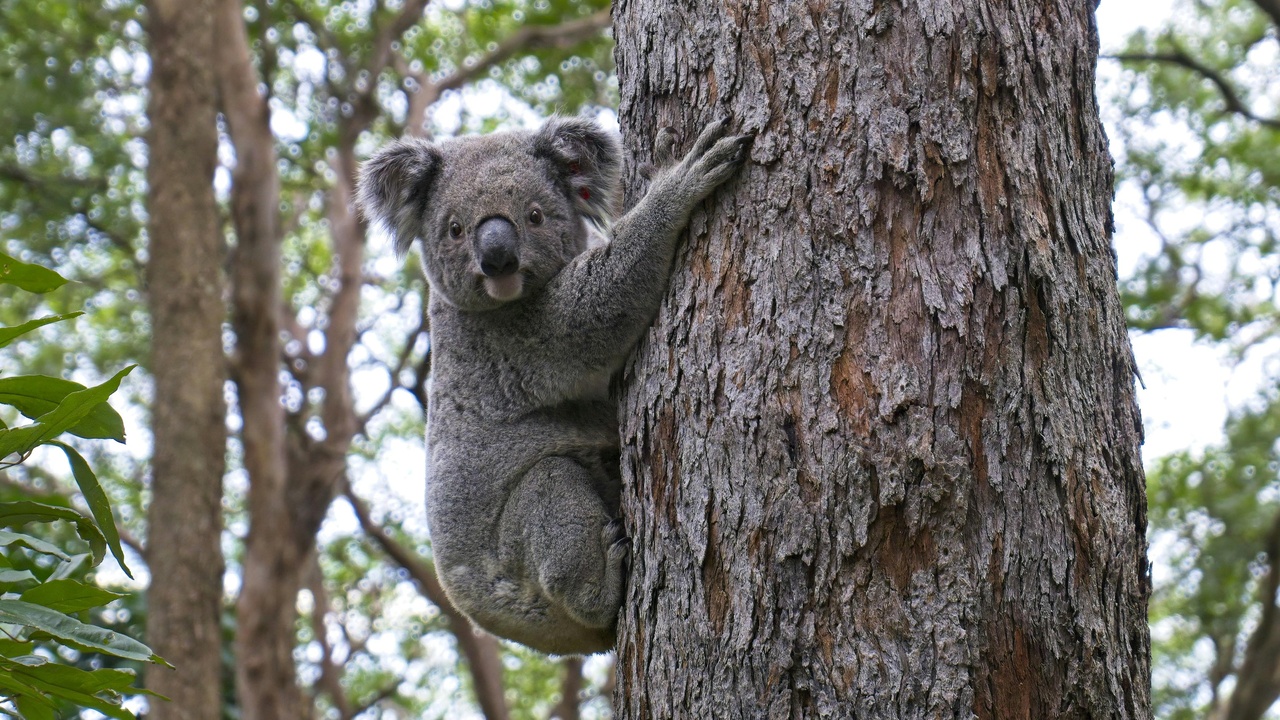
A single photograph or short video can turn an animal into a global symbol overnight. During the 2019–20 fire season, striking images of injured koalas focused media attention and translated into spikes in donations to shelters and wildlife groups.
That dynamic has real-world consequences: public interest can fund emergency veterinary care, expand capacity at hospitals, and influence policymakers to prioritize habitat protection. But there are ethical trade-offs in naming and anthropomorphizing rescue animals—stories must balance empathy with accurate reporting on conservation needs.
2. Sam — The viral 2019–20 bushfire rescue koala
“Sam” is the kind of name often attached to those high-profile rescue images (many outlets used short, human-friendly names when sharing photos in January 2020). The label makes the animal easier to remember and follow, turning a one-off photo into an ongoing story.
When photos of soot-covered koalas circulated, shelters reported immediate increases in online donations and volunteer inquiries. That surge helped pay for emergency care, feeding, and rehabilitation equipment during a period when rescues were especially intense.
3. A Named Rescue from a Local Koala Hospital
Local koala hospitals often publish patient stories to illustrate the challenges animals face and to raise funds. These case studies typically include admission dates, treatment timelines, and outcomes—details that turn abstract needs into fundable situations.
For example, hospitals in fire-affected regions documented dozens of admissions in early 2020; many patients spent weeks in care for burns, dehydration, and infections. Those named patients helped sustain public interest long after the headlines faded, supporting education programs and future emergency preparedness.
Sanctuary Ambassadors and Scientific Subjects
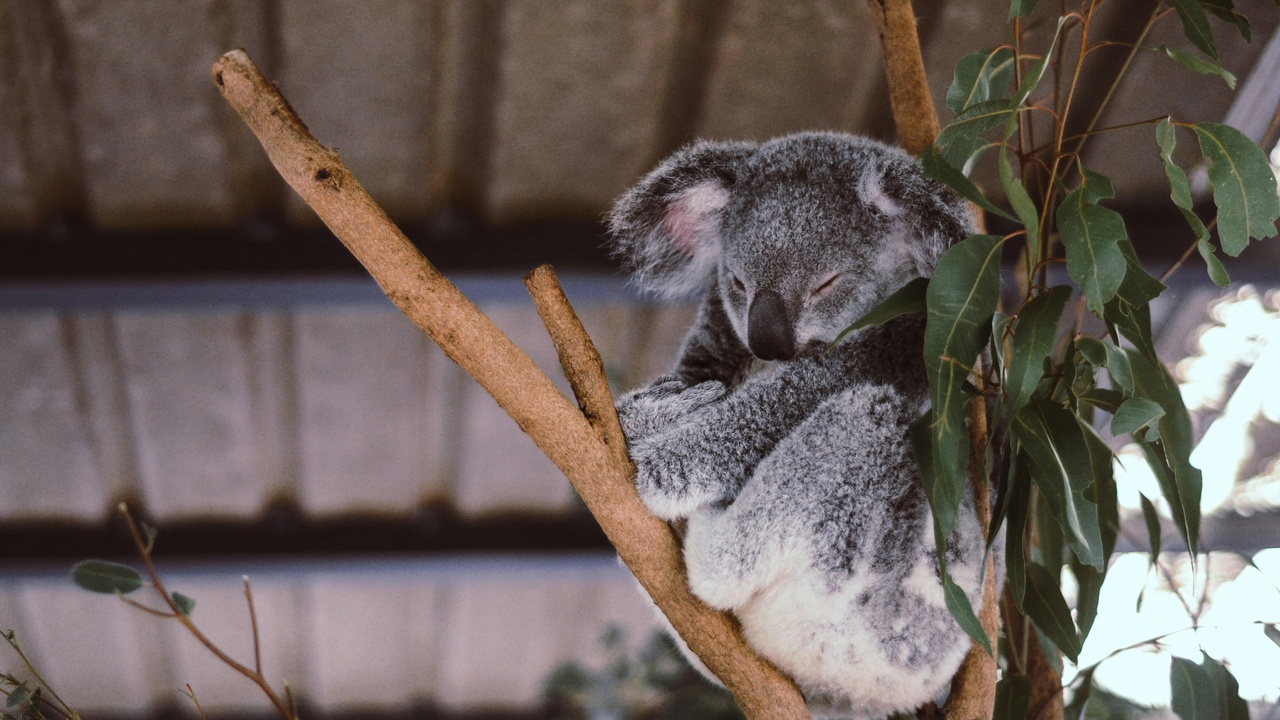
Two different kinds of “fame” matter for conservation: ambassador animals that appear in outreach, and individually identified animals in scientific studies. Both use names or IDs to build narratives that lead to measurable outcomes—visitors, donations, and data-driven management.
Ambassadors humanize the species for visitors and donors. Tagged or named research subjects, meanwhile, give scientists the longitudinal records they need to track health, disease, genetics, and movement—information essential to effective management.
4. Sanctuary Ambassador (example: a named Lone Pine koala — verify name)
Lone Pine Koala Sanctuary in Brisbane was founded in 1927 and is one of the best-known places where people meet koalas up close. Ambassador koalas there and at other sanctuaries act as living spokesanimals for education programs and conservation messaging.
Sanctuary ambassadors boost visitor engagement and repeat visitation, and sanctuaries often point to ambassador programs when reporting donations or conservation education metrics. Staff quotes and official visitor statistics are the best sources for program-specific numbers.
5. Research Subject (named or tagged koala used in published study)
In scientific work, individuals are often tracked with names or ID tags so researchers can link health checks, genetic samples, and movement data over time. Those individual histories reveal patterns—disease prevalence, home-range size, and reproductive success—that population-wide snapshots miss.
Tracking studies have shown wide variation: in high-quality habitat, koalas may occupy relatively small home ranges, while fragmented landscapes push some animals to travel much farther. That kind of numeric, individual-level data directly informs where to protect or reconnect habitat.
Summary
- Names concentrate attention: a single named animal can turn attention and donations toward broader conservation needs.
- Fiction and fact both matter: characters like Blinky Bill build cultural familiarity, while rescue and ambassador stories create immediate action.
- Individual-based science is powerful: tagging and tracking named koalas produce the data that guide habitat and health policies.
- Be a responsible supporter: donate to reputable groups such as the Australian Koala Foundation, established local koala hospitals, or verified sanctuary programs, and confirm how donations are used.
- Keep the big picture in mind—named stories help, but long-term recovery depends on protecting habitat, restoring corridors, and sustained policy attention after crises like the 2019–20 fires.