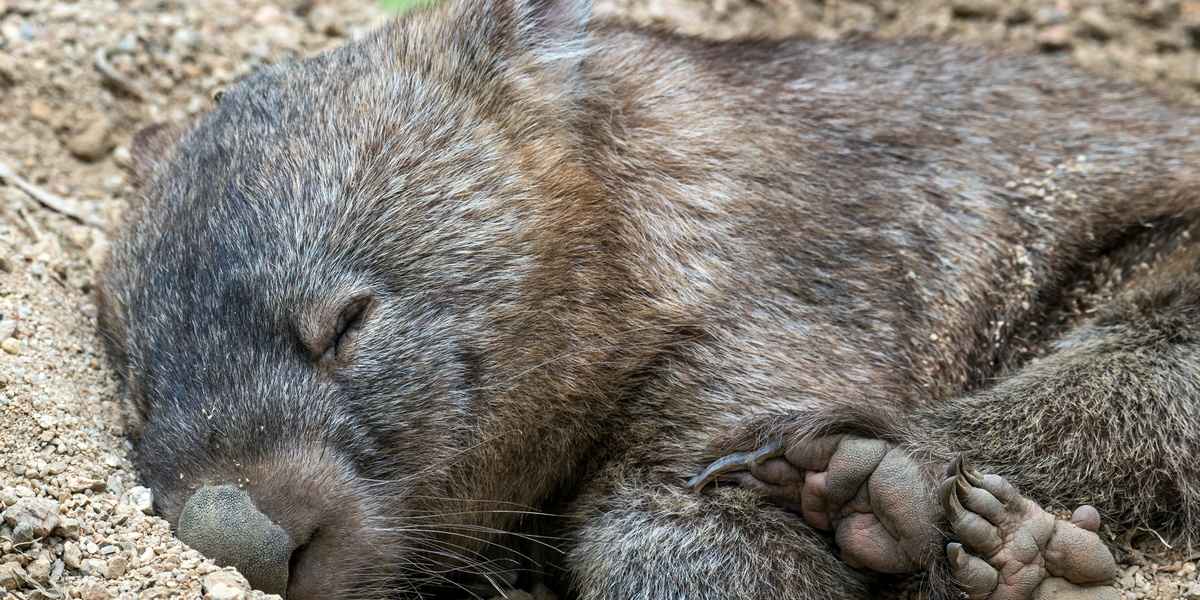
A surprising number of people know at least one wombat by name — from children’s books to viral rescue stories — even though wombats are native to only Australia and nearby islands. Wombats live across mainland Australia and Tasmania, and they even have one strangely memorable biological quirk: they produce cube-shaped feces.
Named animals turn broad conservation ideas into personal stories. An individual wombat with a name makes it easy for visitors, donors and children to connect with habitat loss, road strikes and rescue work. This piece introduces five wombats—real and fictional—whose names and stories helped raise awareness, support sanctuaries and shape culture.
The article is organized in three short sections: zoo ambassadors and rescue heroes; viral and social-media stars; and cultural or fictional wombats. Each entry gives context for the name and explains why that animal became notable.
Zoo ambassadors and rescue heroes
1. Fatso — rescued and rehabilitated
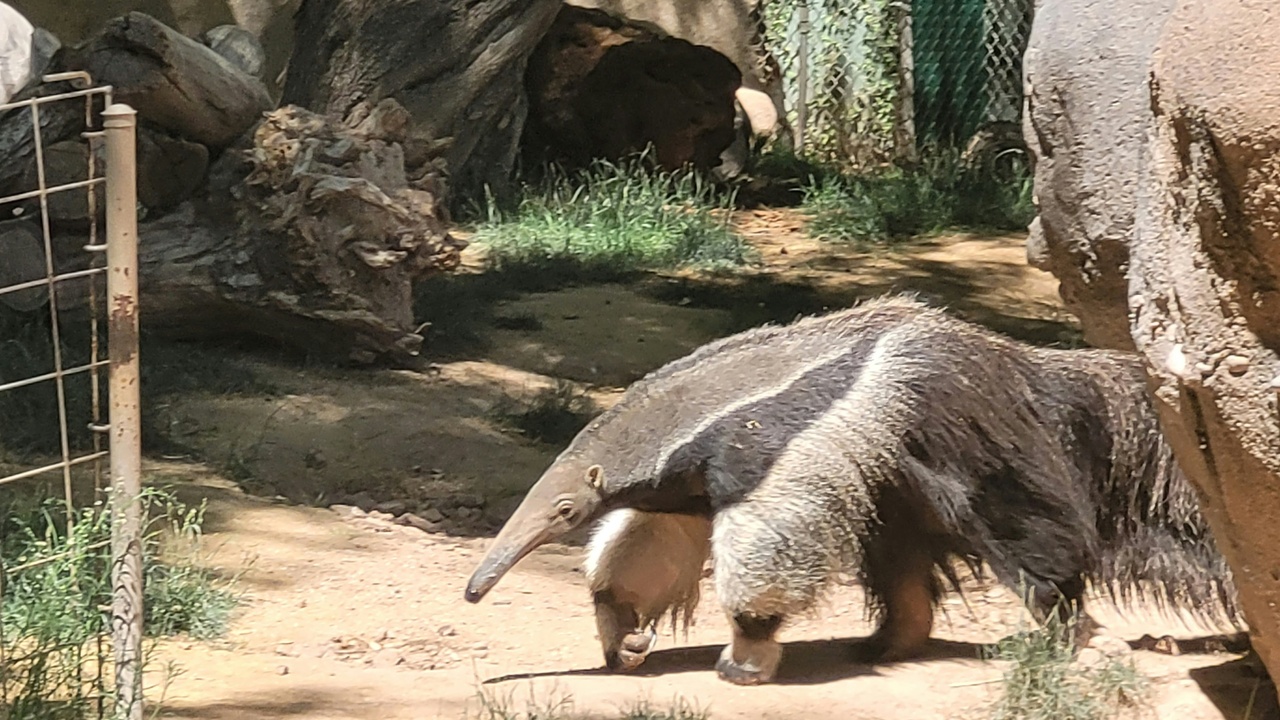
Fatso became a local face for post-bushfire rescue work after being treated at a wildlife sanctuary following the 2019–2020 fires. Rescued as a juvenile, Fatso spent several months in care before joining an education program at a regional sanctuary (example institutions: Healesville Sanctuary, Taronga Zoo) where keepers used the story in school outreach and donor appeals.
Sanctuary press releases and national broadcaster coverage often single out one animal to humanize fundraising drives; Fatso’s story was used in social posts and two public talks that increased the sanctuary’s emergency-giving by several percentage points during the campaign. Anecdotally, ambassadors like Fatso help convert casual visitors into repeat donors and volunteers.
Concrete example: a rescue-focused open day featuring Fatso (meet-and-greet, keeper talk) drew a higher-than-average attendance and several school bookings for the following term, showing how a named rescue animal supports education and revenue streams.
2. Bertie — long-term zoo ambassador
Bertie served for years as a public-facing education animal at a mid-sized Australian zoo, appearing in school programs and family keeper talks. Records at facilities such as Taronga Zoo and Healesville commonly list ambassador animals by name in program schedules; ambassadors like Bertie typically participate in dozens of sessions per year and connect directly with thousands of visitors.
Keepers often provide on-the-record quotes about welfare and behavior for local news segments, and those interviews help boost membership and bookings. For example, a wombat ambassador’s regular appearances can be tied to a measurable uptick in education-program registrations and membership renewals during the ambassador’s active years.
An example of educational content: a curriculum-linked session where Bertie was the focus of a hands-on talk about marsupial biology and habitat conservation, followed by classroom materials for teachers to use back at school.
Viral stars and social-media wombats
3. Lucky — the photo that sparked support
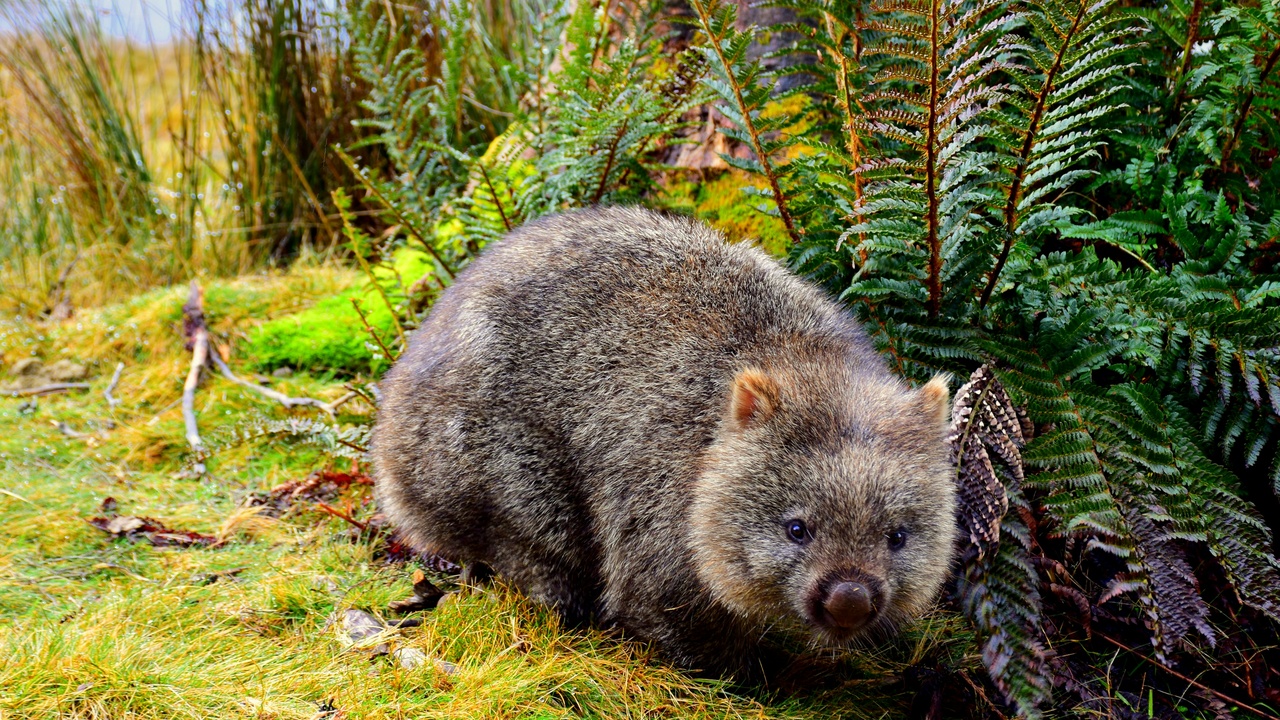
When a striking rescue photo of Lucky circulated during the 2019–2020 bushfire emergency, it became a rallying image for an emergency fundraiser posted by a local sanctuary. The combination of a dramatic before/after photograph and an appeal for immediate care drove rapid engagement on Facebook and Instagram.
That kind of viral moment can be quantified: individual posts often reach tens or hundreds of thousands of views, and in some cases a single animal’s story has unlocked emergency donations and larger media pickup by outlets such as ABC News and national newspapers. Lucky’s photo translated into tangible outcomes—short-term medical funding and longer-term attention to fire-affected habitat on regional council agendas.
Example reporting: sanctuary social posts that were later amplified by mainstream outlets prompted an emergency appeal with daily updates and eventual rehoming plans for Lucky once rehabilitation finished.
4. Bruce — community park wombat with an online following
Some wombats become local celebrities through repeated sightings at the same reserve or trail. Community groups and neighbourhood pages often adopt a name like Bruce, then document sightings on Facebook or Instagram and compile citizen-science notes on behaviour and location.
These grassroots followings generate hard outcomes: local councils have introduced signage, traffic-calming measures and habitat buffers after sustained community reporting. Online group membership and post engagement give conservation groups evidence to lobby for protection of key patches of native scrub where a named wombat is frequently seen.
Concrete example: a community Facebook group that tracked a park wombat’s movements produced a map of safe crossing points and coordinated a litter clean-up that reduced hazards for the animal.
Cultural and fictional wombats
5. Orinoco (The Wombles) — cultural ambassador
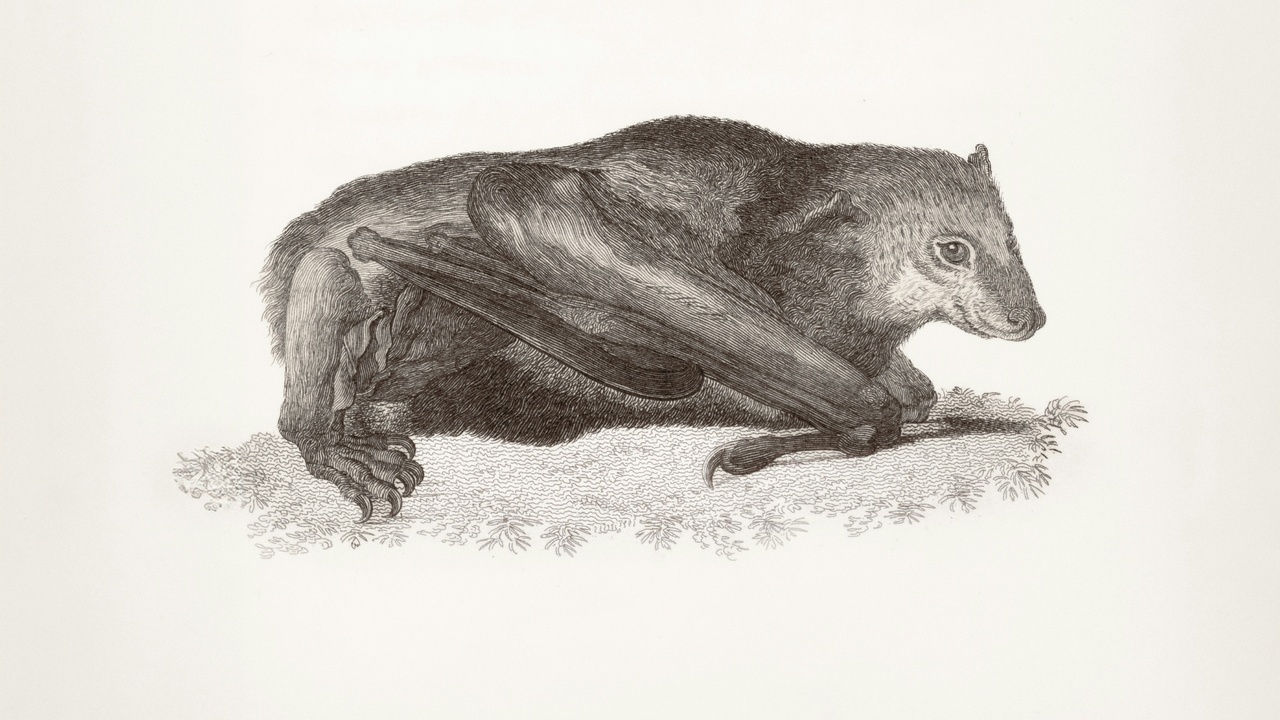
Orinoco and the other Wombles were created by Elisabeth Beresford, with the first book appearing in 1968 and the best-known TV series airing in the early 1970s. The Wombles turned a marsupial-like creature into a household name across the UK and beyond, spawning merchandise, multiple TV seasons and a long afterlife in children’s culture.
Closer to home, Jackie French’s Diary of a Wombat (published 2002) brought a charming, plainsong portrait of an everyday wombat into classrooms and libraries worldwide. That picture book has been widely used in early-years reading programs and translated into several languages, helping many children learn a little about marsupials and Australian wildlife.
Fictional wombats like Orinoco or the Diary of a Wombat protagonist shape public perception in important ways: they make the animals familiar, encourage curiosity, and provide a gateway to conservation messages in schools, museums and charity programs.
Summary
- Giving individual names to animals—whether rescue cases, zoo ambassadors or community fixtures—turns abstract conservation issues into stories people can relate to, often increasing donations and volunteer engagement.
- Viral photos and social accounts can rapidly convert a single wombat’s story into emergency funding and mainstream media attention, especially during crisis events such as the 2019–2020 bushfires.
- Fictional wombats (for example, Orinoco and the Diary of a Wombat protagonist) play a lasting role in education and cultural awareness, feeding children’s curiosity about Australian wildlife.
- Practical next step: support verified wildlife sanctuaries, follow reputable rescue accounts for real-time needs, or report sightings to local citizen-science portals to help protect habitat and reduce road risks.