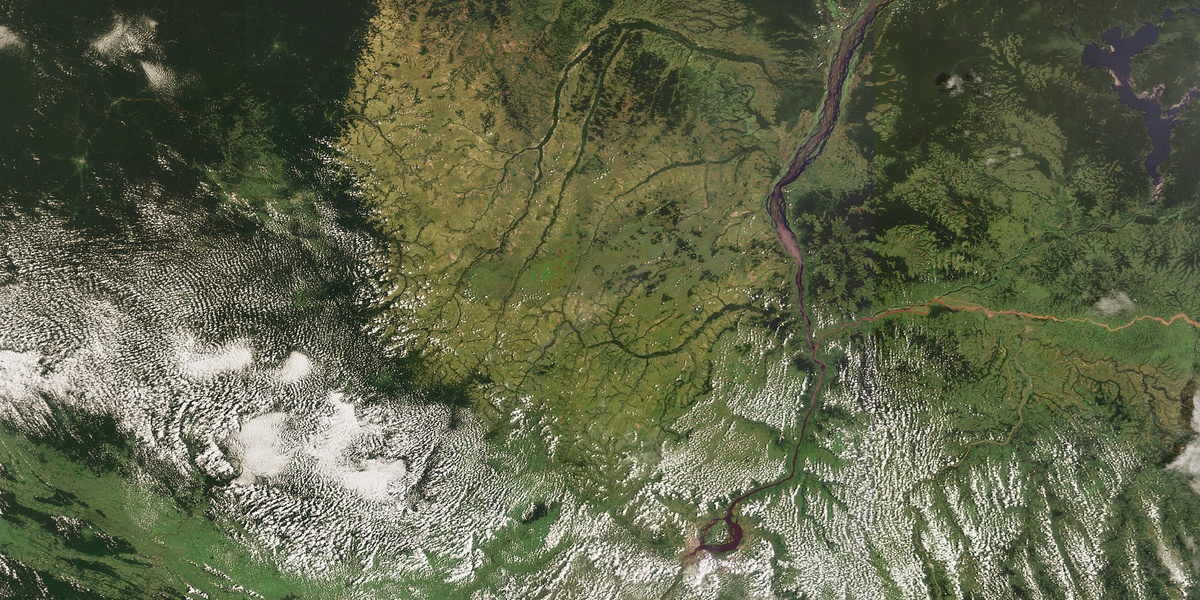
Despite covering just 28,051 km², Equatorial Guinea’s forests—including the volcanic island of Bioko and the mainland region of Rio Muni—harbor a striking diversity of animals. The country’s population of roughly 1.4 million people shares terrain that rises to Pico Basile at about 3,011 m, creating habitat gradients that concentrate unique species and endemic lineages.
Many readers know Equatorial Guinea for oil and politics, but the living forests matter too: they store carbon, sustain fisheries and farms downstream, and support emerging ecotourism. Bioko, in particular, holds island endemics that don’t occur anywhere else, while Rio Muni connects to the larger Gulf of Guinea rainforests.
This piece profiles 10 vivid examples of the fauna of equatorial guinea to show how species shape ecosystems, support livelihoods, and highlight urgent conservation priorities. The list is organized into three groups: mammals; birds and reptiles; and amphibians and invertebrates, with concrete conservation notes for each.
Mammals that define Equatorial Guinea’s rainforests
Large and medium-sized mammals shape forest structure through browsing, seed dispersal and by creating gaps that let new plants grow. Surveys on Bioko and Rio Muni reveal both widespread Central African species and island-endemic or distinct subspecies, and ongoing camera-trap surveys and community ranger patrols provide crucial population data for management.
Mammals also serve as flagship species that attract research funding and ecotourists, and their presence often signals intact forest functioning. Protecting corridors and supporting local patrols benefits people and wildlife alike.
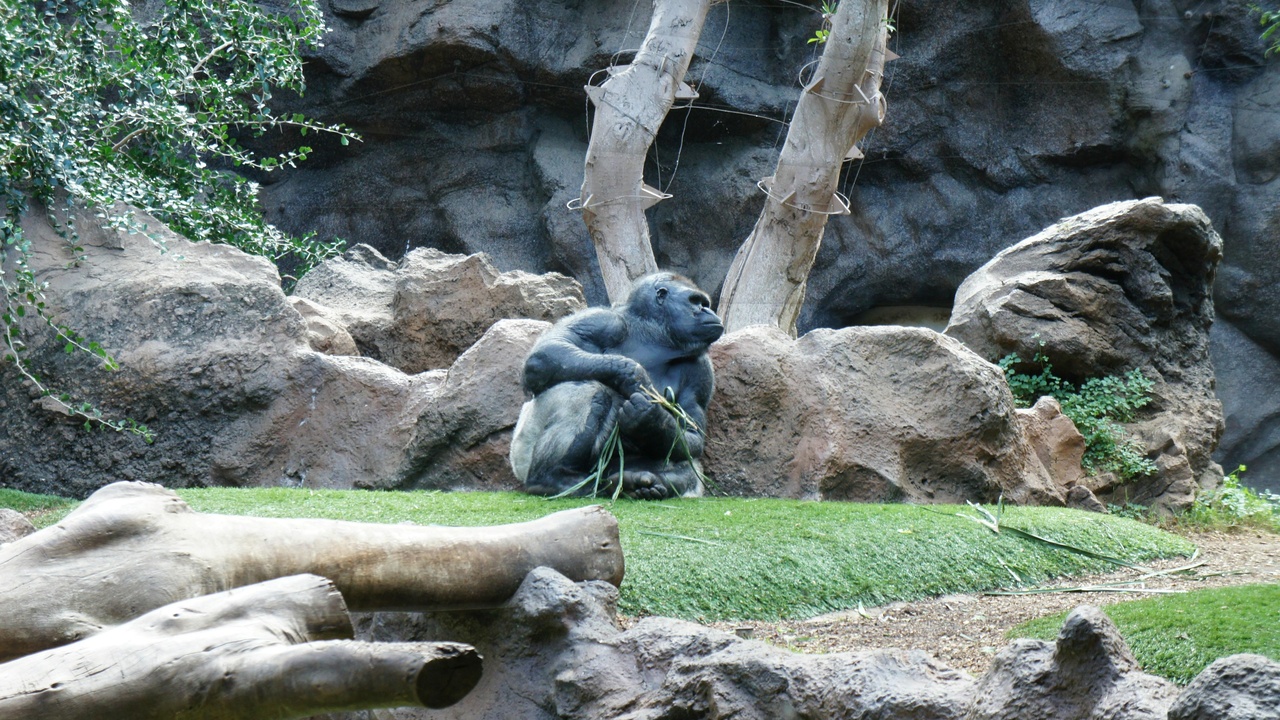
1. Western lowland gorilla (Gorilla gorilla gorilla)
The western lowland gorilla is one of the region’s most recognizable rainforest mammals and a powerful seed disperser and forest engineer. By swallowing and defecating large seeds, gorillas help maintain tree diversity and structure across lowland stands.
On the mainland and in nearby Gulf of Guinea forests, gorilla-focused camera-trap surveys and ranger patrols inform anti-poaching efforts and habitat protection plans. Those programs also underpin environmental education initiatives that connect local communities to conservation benefits.
Gorillas are sensitive to hunting and habitat loss, so protecting them secures broader ecosystem services rather than just a single species.
2. Drill (Mandrillus leucophaeus) — including the Bioko subspecies
Drills are striking monkeys with complex social behavior, and Bioko hosts a distinct island population (often treated as the subspecies Mandrillus leucophaeus poensis). These primates rely on intact forest for fruit and understory forage, so their presence indicates healthy habitat.
Drills are listed under CITES, reflecting pressure from trade and hunting across their range. Local park patrols and cross-border research collaborations with neighboring countries document threats and guide human-wildlife conflict mitigation.
Where drills persist, they help disperse medium-sized seeds and maintain forest regeneration, making them important for both biodiversity and the people who use forest products.
3. African forest elephant (Loxodonta cyclotis)
Forest elephants are smaller than savanna elephants but have an outsized ecological impact: they move large seeds over long distances, open canopy gaps and create pathways used by other animals and plants. Their feeding and trampling reshape vegetation patterns at landscape scale.
The species is under severe pressure from poaching and habitat loss and is recognized as highly threatened by IUCN. Anti-poaching patrols and transnational enforcement efforts are critical, because the loss of forest elephants reduces seed dispersal and can slow forest regeneration.
Keeping elephant populations functional supports carbon storage and benefits downstream communities through healthier, more productive forests.
4. Sitatunga (Tragelaphus spekii) — a swamp specialist
The sitatunga is a semi-aquatic antelope adapted to swamps and riverine forest, with splayed hooves that let it move through saturated ground. Its shy habits make it a reliable indicator of intact wetland mosaics.
Sitatungas use swamp corridors that connect to larger forest tracts, and protecting those wetlands preserves fisheries, groundwater recharge and smallholder agriculture. Drainage, logging and conversion of riparian zones pose the greatest threats.
Colorful birds and cryptic reptiles
Birds add color and sound to the canopy while reptiles perform often-hidden but vital roles in aquatic and terrestrial food webs. Together, they pollinate, disperse seeds, control pests and indicate ecosystem health.
Some species are targeted by trade (for example, the African grey parrot is regulated under CITES), while others suffer from habitat alteration and water pollution.
5. African grey parrot (Psittacus erithacus)
The African grey parrot is renowned for its intelligence and cultural importance, and it supports local economies through legal pet trade and community interactions. High demand has driven illegal capture across West and Central Africa.
CITES regulation aims to curb unsustainable trade, but enforcement and community engagement remain crucial to ensure that protection benefits both parrots and people who depend on forest resources.
When populations are stable, parrots also contribute to seed dispersal for certain fruiting trees, helping to maintain forest composition.
6. Dwarf crocodile (Osteolaemus tetraspis)
The dwarf crocodile is a small, secretive predator tied to forest streams and swamps. It feeds on fish, crustaceans and large invertebrates, helping regulate aquatic food webs in freshwater habitats.
Because dwarf crocodiles require clean, connected waterways, their presence often indicates healthy freshwater systems that also support fisheries for local communities. River pollution and habitat degradation threaten these reptiles.
7. Forest pythons, colubrids and other cryptic reptiles
A diverse suite of snakes and lizards moves through canopy and understory, preying on rodents, frogs and insects and in turn feeding raptors and carnivores. These cryptic reptiles help control pest populations that affect crops and human health.
Python sightings and reports of common colubrids are frequent in local knowledge, and including reptiles in monitoring improves rapid biodiversity assessments and pest management planning.
Small but vital: amphibians and invertebrates
Amphibians and invertebrates are abundant, fast-reproducing groups that drive nutrient cycles, pollination and decomposition. They also serve as sensitive bioindicators for forest and freshwater health.
Islands like Bioko show elevated endemism among these groups, so protecting their niches yields outsized conservation returns for overall biodiversity.
8. Giant tree frog (Leptopelis palmatus) — a Bioko endemic
The giant tree frog is endemic to Bioko and occupies montane and forested habitats where it breeds in forest pools and streams. As an island endemic to Bioko, it reflects the island’s unique evolutionary history.
Amphibians like Leptopelis palmatus are useful bioindicators: declines in frog calls or numbers often signal changes in water quality or microclimate that affect many other species. Regular amphibian surveys help guide conservation planning.
9. Swallowtail and Charaxes butterflies — pollinators and indicators
Conspicuous butterflies such as Charaxes and various swallowtails act as pollinators and as indicators of intact forest. Their larvae often depend on specific host plants, so canopy loss can quickly reduce local butterfly diversity.
Butterflies are accessible targets for rapid biodiversity assessments and can support community ecotourism—guides, trail walks and butterfly watching bring income while encouraging habitat protection.
10. Goliath beetles and other large invertebrates — decomposers and nutrient cyclers
Large beetles such as Goliathus species, along with wood-boring and dung beetles, break down deadwood and organic matter, returning nutrients to forest soils. Their larvae accelerate decomposition and improve soil fertility.
Healthy invertebrate communities underpin productive soils and fast forest regeneration, which benefits wildlife and nearby agriculture. Yet these taxa are often overlooked in management plans.
Summary
- Large mammals and mid-sized species (gorillas, drills, forest elephants, sitatunga) sculpt forest structure, disperse seeds and attract conservation attention through patrols and surveys.
- Birds and reptiles provide pollination, seed dispersal and freshwater ecosystem services; species like the African grey parrot are regulated under CITES to reduce trade pressures.
- Small taxa — amphibians and invertebrates, including Bioko endemics such as Leptopelis palmatus and Goliath beetles — drive nutrient cycling and serve as sensitive indicators of ecosystem health.
- Bioko’s endemics and mainland forest linkages make protecting habitats, supporting community-based monitoring and sustaining protected areas a priority for lasting biodiversity outcomes.
- Want to help? Support reputable conservation and research efforts, back community-led stewardship, and follow science-based initiatives that protect the region’s unique fauna of equatorial guinea.