About 51% of Estonia is covered by forest, creating one of the most continuous boreal landscapes in northern Europe.
Extensive, connected forest and wetland tracts matter because they support large-ranging mammals, specialist birds and a web of interactions that sustain clean water, carbon storage and cultural traditions.
Today those systems face pressures: habitat fragmentation from intensive forestry and roads, legal and illegal hunting, and the shifting climate that changes seasonal rhythms and wetland dynamics.
This article highlights eight representative members of Estonia’s boreal fauna, explaining their ecological roles, conservation status, and why they matter to people and landscapes alike.
I’ll profile exactly eight species across three thematic groups—ungulates and engineers, large carnivores, and birds and secretive specialists—and offer ecological context, places you can see them (Lahemaa and Soomaa are great examples), and practical conservation takeaways for each.
Ungulates and Ecosystem Engineers
These species literally build and shape habitat. Large browsers and beavers create structural complexity in forests and wetlands that benefits dozens of other species.
By cutting saplings, feeding on shrubs and creating ponds, ungulates and beavers influence tree regeneration, wetland plant communities and nutrient flows—effects that cascade through insects, birds and fish.
Human interactions are mixed: hunting and road collisions are real management concerns, but wildlife watching is a growing ecotourism draw and engineers like beavers help reduce flooding in boggy places such as Soomaa National Park.
Estonian authorities (for example, the Estonian Environment Agency) monitor populations and set management measures that seek to balance forestry production, road safety and nature values in places such as Lahemaa.
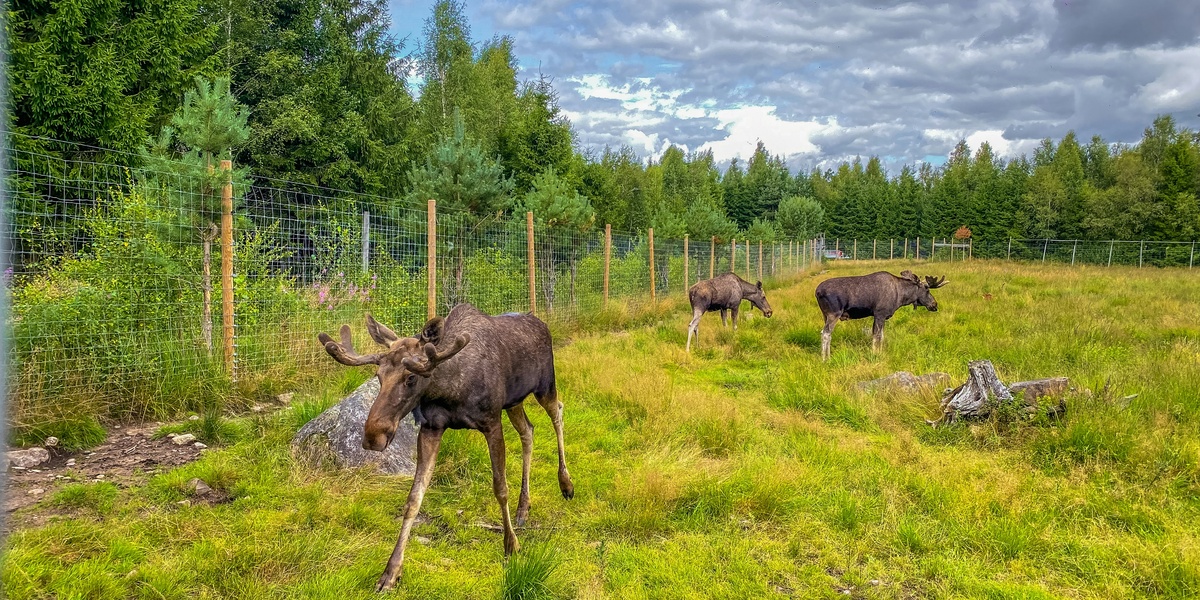
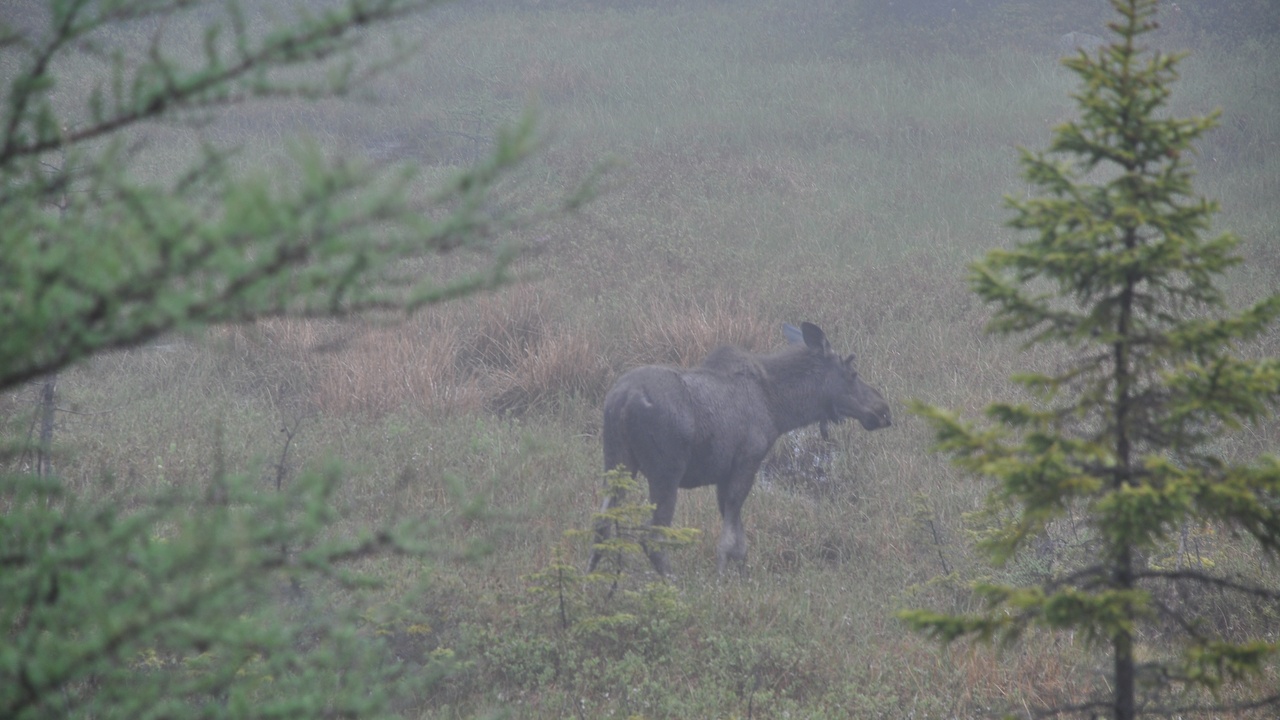
1. Eurasian moose (Alces alces)
The Eurasian moose is one of Estonia’s largest terrestrial mammals and a defining presence across boreal forests and wetlands.
Adult males typically weigh between 400–700 kg and feed on willow, birch and aquatic plants in summer, switching to woody browse in winter.
Moose browsing shapes forest regeneration patterns, creating forage mosaics that benefit smaller herbivores and birds while also influencing wetland plant composition around shorelines.
People encounter moose in multiple ways: seasonal peaks in traffic collisions during autumn and spring, regulated hunting that provides rural income and food, and wildlife tourism—autumn rutting season is a popular time to look for bulls in Lahemaa and Soomaa.
Population monitoring helps set hunting quotas and informs road-safety measures where moose densities are highest.
2. Eurasian beaver (Castor fiber)
The Eurasian beaver is a keystone ecosystem engineer in Estonia’s rivers and wetlands, creating dams and ponds that expand wetland area and increase habitat diversity.
Typical adults weigh 11–30 kg. Their dam-building slows runoff, raises groundwater levels and provides ponds that support birds, amphibians and fish.
Beavers were heavily reduced in the 19th–20th centuries because of hunting for fur and castoreum, but legal protection and reintroductions have helped many populations recover across Europe and in Estonia.
Soomaa National Park is a vivid example of beaver-influenced wetland dynamics; managers and landowners in Estonia use mitigation such as flow devices to keep ponds from flooding roads and tree guards to reduce damage to commercially valuable trees.
Where beaver ponds persist they boost waterfowl, help amphibians breed, and add resilience to flood events, though local conflicts require pragmatic, site-level solutions.
Large Carnivores: Predators that Keep Ecosystems Balanced
Large carnivores—brown bear, grey wolf and Eurasian lynx—exert top-down control on herbivore numbers, shape prey behaviour and help maintain forest health by preventing local overbrowsing.
They carry cultural weight in Estonia and are the focus of careful monitoring and management, since public attitudes and conflict mitigation determine whether populations thrive in human-dominated landscapes.
Population monitoring by the Estonian Environment Agency, combined with practical tools such as electric fencing and livestock guarding dogs, supports coexistence efforts in rural areas where carnivores and people share space.
3. Brown bear (Ursus arctos)
Brown bears are a prominent large carnivore in Estonia’s wild forests.
Adult males commonly reach 100–250 kg, they hibernate in winter, and they use large home ranges across eastern and southern forested tracts.
Ecologically, bears disperse seeds, scavenge carrion that returns nutrients to soil and can suppress smaller mesocarnivores, with knock-on benefits for prey species and vegetation.
People encounter bears through guided wildlife photography, occasional livestock losses and rare traffic incidents. Management relies on camera traps, long-term monitoring and regulated seasons where harvest is allowed under national rules aimed at population stability and public safety.
4. Grey wolf (Canis lupus)
Wolves are social apex predators that typically hunt in packs of roughly 4–8 individuals and prey on ungulates such as moose and deer.
Their presence alters prey behaviour and space use, producing trophic cascades that can lead to healthier, more diverse vegetation patterns in forests and wetlands.
Human–wolf relations are managed through science-based monitoring (telemetry and tracking), compensation schemes for verified livestock losses, and preventive measures such as guardian dogs and reinforced night enclosures in vulnerable areas.
Wolves are monitored under national frameworks that balance legal protection with selective management to reduce conflicts while maintaining ecological function.
5. Eurasian lynx (Lynx lynx)
The Eurasian lynx is a solitary, forest-adapted predator with tufted ears and a short tail.
Adults typically weigh 18–30 kg and favour dense boreal forest with good understory, where they hunt roe deer, hare and other medium-sized prey.
Because lynx need extensive, connected forest, they act as an indicator of landscape continuity; their presence suggests that corridors and large habitat blocks remain intact.
Monitoring uses camera traps and scat genetic studies to estimate numbers and dispersal. Habitat fragmentation that breaks corridors can restrict lynx movements, so maintaining forest links is a key conservation priority.
Birds and Secretive Specialists of the Boreal Canopy and Understory
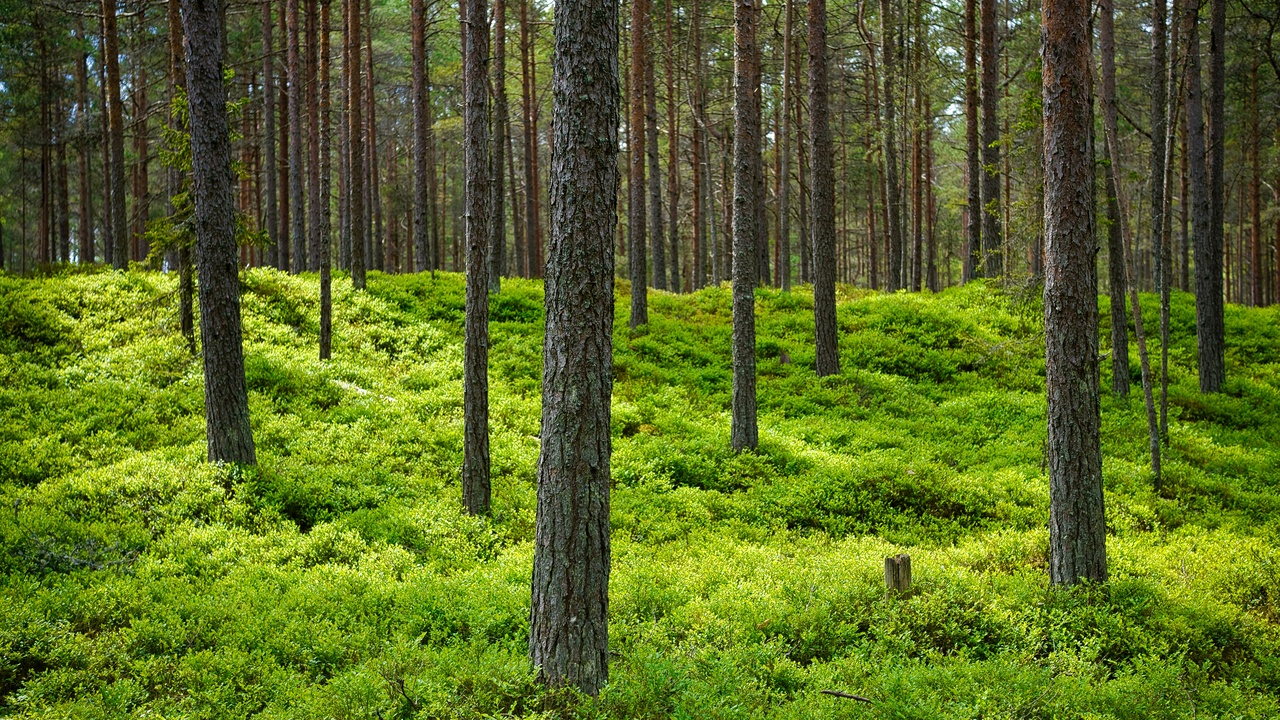
Estonia’s boreal landscape supports a rich suite of birds and small mammals that depend on mature forest, bogs and coastal wetlands for breeding and feeding.
Some species are culturally significant through hunting tradition or birdwatching, and others—especially specialists—serve as indicators of habitat quality and continuity.
Habitat restoration, nestbox programs and sensitive forestry can help retain the structural features these species need, while reserves such as Matsalu and forested blocks in Kõrvemaa offer reliable places for observers to learn about specialist ecology.
6. Capercaillie (Tetrao urogallus)
The capercaillie, or wood grouse, is a flagship forest bird in Estonia’s boreal woods.
Males can weigh around 3–4 kg and rely on old-growth pine and mixed forest for lekking displays and for brood-rearing habitat that offers cover and insect-rich feeding areas.
Capercaillie are sensitive to forestry practices; rotational clearcutting and fragmentation remove lekking grounds and reduce nest survival, so forestry guidelines that retain mature stands and key lek sites are crucial.
Ethical spring lek viewing—keeping distance, avoiding disturbance and following local reserve rules—lets birdwatchers experience males’ displays while minimizing impacts to these declining populations.
7. Whooper swan (Cygnus cygnus)
The whooper swan is a large migratory waterfowl that breeds in northern wetlands and winters further south.
Its wingspan typically ranges from 210–275 cm, and individuals travel hundreds to thousands of kilometres between breeding and wintering areas.
As grazers of aquatic vegetation, whooper swans influence wetland plant communities and are a very visible species that attracts birdwatching tourism—Matsalu National Park is famous for spring and autumn concentrations.
Monitoring through seasonal counts at reserves, plus disturbance management on staging wetlands, helps maintain safe stopover sites for migrating flocks.
8. Siberian flying squirrel (Pteromys volans)
The Siberian flying squirrel is a nocturnal, arboreal glider that depends on mature mixed and old-growth forests with tree cavities and abundant lichens.
Head-body length is roughly 20–30 cm, and the species uses skin membranes to glide between trees; it is protected in many countries and vulnerable where forests are fragmented.
Because flying squirrels require continuous canopy and cavity trees, they signal forest continuity; local conservation includes nestbox programs and citizen-science monitoring (some schemes run in Estonia and neighboring Finland).
Protecting key stands, installing nestboxes and tracking occupancy trends are practical steps that help this secretive species persist on the landscape.
Summary
- Estonia’s extensive forest and wetland cover underpins a diverse set of boreal species whose ecological roles range from pond-makers (beavers) to top predators (bears, wolves) and sensitive indicators (flying squirrels and capercaillie).
- Many of the eight species highlighted rely on habitat continuity and sensible management: keeping corridors, retaining lek and cavity trees, and using mitigation like flow devices or livestock protections reduce conflicts and bolster biodiversity.
- See these species responsibly—visit Matsalu, Lahemaa or Soomaa, follow reserve rules during lekking or migration seasons, and join local efforts such as nestbox programs or monitoring with conservation groups.
- A surprising insight: small, secretive species such as the Siberian flying squirrel provide an early warning about forest health—protecting them helps many other species too.
- Practical next steps: support Estonian conservation NGOs, volunteer for citizen-science schemes (nestboxes, seasonal bird counts), and learn local guidelines for ethical wildlife viewing to help these boreal species thrive.