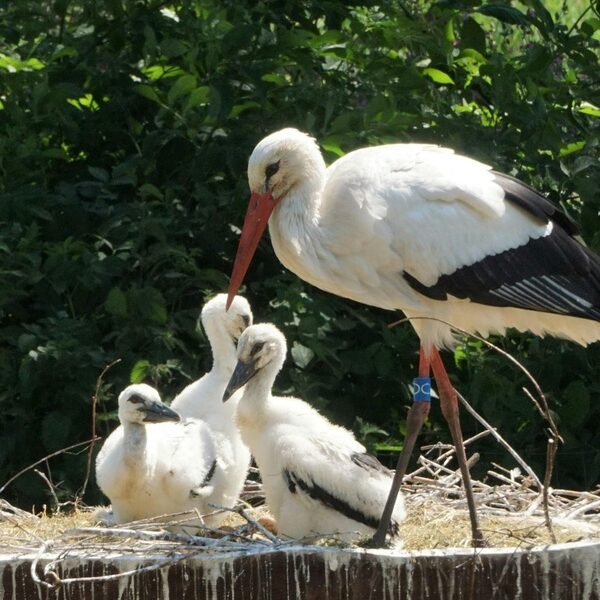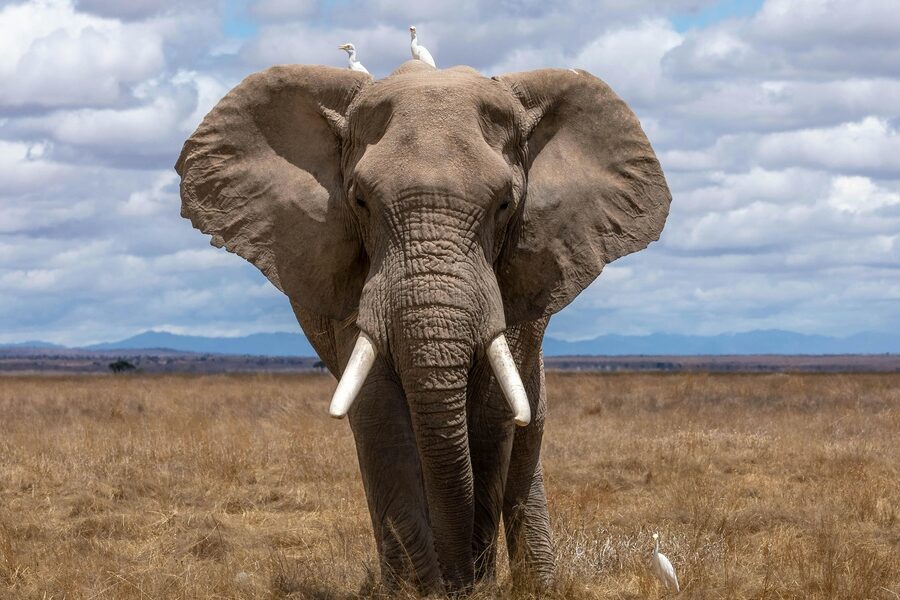
Japan is made up of more than 6,800 islands and hosts an extraordinary range of animals, from snow-dwelling monkeys to critically endangered island cats. Many readers know a handful of iconic species, but they often underestimate the archipelago’s ecological variety and the conservation challenges shaped by island endemism, modern development and historical policies (for example, changes since the 1868–1912 Meiji era). This article highlights 12 vivid examples of Japan’s fauna to show how species here shape culture, ecosystems, science and conservation efforts. The examples are grouped into three themes: iconic and endemic land species, marine and coastal life, and the intersection of wildlife with culture and conservation. Expect specific places, dates and organizations you can look up for more detail—useful starting points include the Ministry of the Environment and the IUCN.
Iconic and Endemic Species

This group focuses on land animals that are emblematic of Japan or found nowhere else. “Endemic” means a species naturally occurs only in a defined place; in island systems like Japan, endemism can be high and conservation stakes rise accordingly. Protecting endemic species helps preserve unique genetic lineages and cultural traditions, and it supports scientific research and eco-tourism. For specific lists and official statuses, consult the Ministry of the Environment or the IUCN Red List.
1. Japanese macaque (snow monkey)
The Japanese macaque is the northernmost-living non-human primate and is famous for soaking in outdoor hot springs at Jigokudani in Nagano prefecture.
Researchers have documented thermoregulatory and social behaviors there for decades, and Jigokudani and nearby parks draw thousands of visitors each year who come to watch the hot-spring bathing. Long-term primatology projects from Japanese and international universities have produced key insights into social structure, grooming networks and seasonal foraging.
At the same time, macaques can cause crop damage in surrounding farmland, prompting local management measures such as electric fencing, community deterrents and targeted population controls in some prefectures.
2. Iriomote cat (Prionailurus bengalensis iriomotensis)
The Iriomote cat is a critically endangered wildcat found only on Iriomote Island (Okinawa Prefecture) and is one of Japan’s most urgent conservation priorities.
Official recent estimates place the population below 200 individuals, and the species faces threats from habitat fragmentation, road mortality and development pressures. The Ministry of the Environment and researchers monitor numbers using camera traps and telemetry.
Conservation work includes the Iriomote Wildlife Conservation Center (community outreach and rescue), road-mitigation measures such as wildlife crossings, and public education programs that involve local fishers and landowners in monitoring efforts.
3. Japanese giant salamander (Andrias japonicus)
The Japanese giant salamander is one of the world’s largest amphibians and a living relic of ancient freshwater ecosystems; adults can reach lengths of about 1.5 meters.
Because it requires cold, clean streams, the salamander serves as a flagship for freshwater conservation. Local river-restoration projects—particularly in western Honshu and Kyoto prefecture streams—include habitat improvements, barrier removal and captive-breeding initiatives run by aquaria and universities.
Public education programs and guided stream walks help connect people to the species and its habitat needs, while monitoring and captive-breeding work aim to bolster populations where water quality has declined.
4. Okinawa rail (Gallirallus okinawae)
The Okinawa rail is a flightless bird restricted to the Yanbaru forest on Okinawa Island and was described by science only in 1981.
Because its range is tiny and road collisions were a major cause of mortality, conservationists have implemented measures such as anti-vehicle fencing, nighttime patrols and habitat protection. Yanbaru’s designation as a national park and protected-area actions have helped raise public awareness.
Local volunteer patrols and community education remain central to reducing roadkill and supporting the rail’s recovery in its heavily forested home.
Marine and Coastal Life
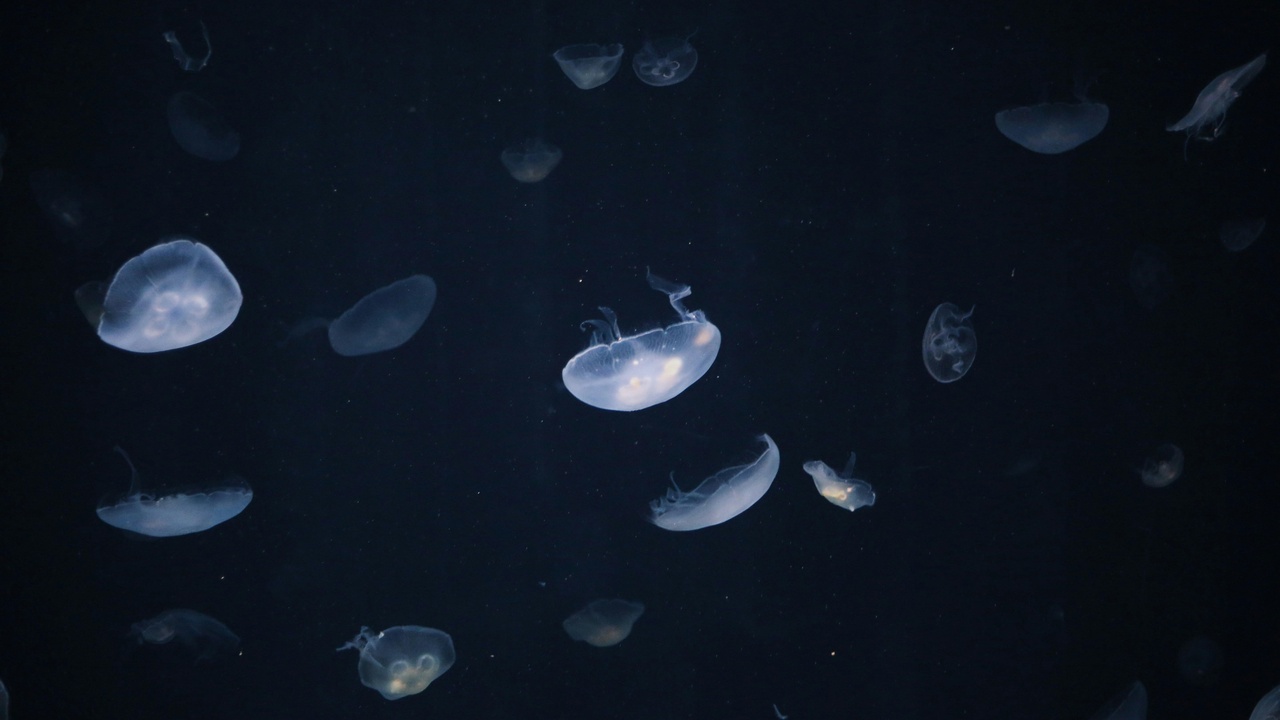
Japan’s long coastline and productive seas sustain rich marine fauna—and coastal communities rely on them for food, culture and income. Japan ranks among island nations with extensive shorelines and dozens of important fishing ports; national agencies such as the Fisheries Agency publish detailed statistics on catches and fisheries effort. Marine biodiversity supports fisheries, whale- and dolphin-watching, and research into migration and acoustics—but faces pressures from overfishing, warming waters and bycatch.
5. Sika deer (Cervus nippon)
Sika deer occur across much of Japan and carry strong cultural associations—most famously at Nara Park, where tame deer interact with visitors and appear in Shinto tradition.
In other regions deer populations have grown to levels that damage forests and crops, prompting prefectural management programs that include culling, food-supply controls and experimental contraception in some areas. Deer-vehicle collisions are an increasing road-safety concern in rural prefectures.
Management choices affect forestry regeneration and agricultural livelihoods, so local governments balance cultural tourism benefits with ecological and economic realities.
6. Hokkaido brown bear (Ursus arctos yesoensis)
The Hokkaido brown bear is a large apex mammal on Japan’s northern island; adult males can exceed 200 kg and play a key role in forest ecology through seed dispersal and carcass scavenging.
National parks such as Shiretoko and Daisetsuzan support bear-watching tourism, research centers and safety campaigns. Hokkaido prefectural reports document human-bear encounters and guide mitigation measures (bear-proof garbage systems, community education and habitat management).
Those programs aim to reduce conflict while maintaining the bears’ ecological functions across mixed-use landscapes.
7. Japanese koi / common carp (Cyprinus carpio, domesticated koi)
Koi are a domesticated form of common carp that have been selectively bred in Japan—particularly in Niigata—for colorful varieties since the early 19th century.
Koi have deep cultural resonance in garden design, festivals and art, and they form a significant part of the global ornamental-fish trade. Niigata’s koi-breeding districts host auctions and shows that attract domestic and international buyers.
Breeders use careful husbandry and selection practices; koi festivals and ponds remain important tourist draws in rural communities with rich aquaculture traditions.
8. Cetaceans: whales and dolphins in Japanese waters
Japanese seas host many whale and dolphin species, from resident coastal dolphins to migratory humpbacks and minke whales that follow seasonal prey. Coastal whale- and dolphin-watching supports local economies in places such as Okinawa and Kushiro.
Scientists in Japan contribute to migration, acoustic and population studies that inform regional conservation. At the same time, policy debates around whaling and sustainable marine use complicate conservation outcomes and international relations.
Marine protected areas, coordinated research by marine institutes and responsible tourism practices help balance economic benefits with species protection in busy seas.
Wildlife, Culture and Conservation

This category looks at how fauna intersect with Japanese culture, history and modern conservation. Animals appear in festivals, art and cuisine, and several species helped shape legal protections: Japan now has multiple conservation laws and roughly three dozen national parks listed by the Ministry of the Environment.
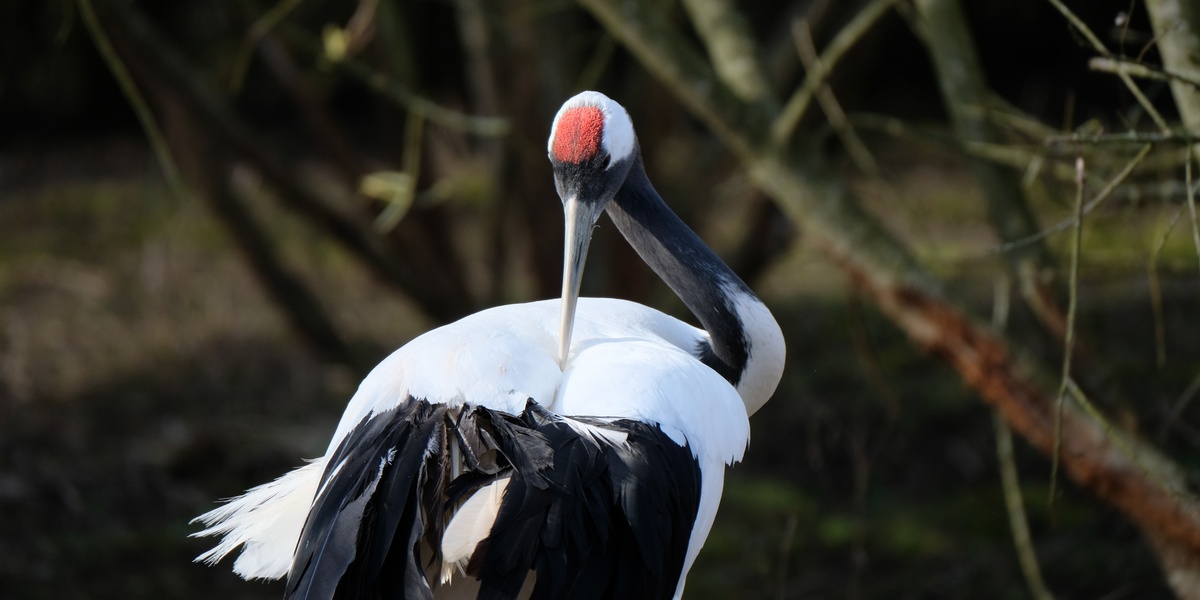
9. Red-crowned crane (Grus japonensis)
The red-crowned crane is a powerful symbol of luck and longevity, particularly in Hokkaido and eastern Honshu, and attracts birdwatchers to winter wetlands such as Kushiro Shitsugen National Park.
Conservation partnerships restored wetland habitat and established feeding stations to support cranes through harsh winters; these efforts helped stabilize local populations and boosted ecotourism in the Kushiro area.
International listings (see the IUCN) and local monitoring projects continue to guide habitat protection and visitor management.
10. Japanese serow (Capricornis crispus)
The Japanese serow, a goat-antelope endemic to Japan, became a central figure in the 20th-century movement that shaped the country’s wildlife protection laws.
Legal protections introduced in the mid-20th century (the species received formal protection in the 1950s) and shifting public attitudes allowed serow numbers to recover in many mountain areas. The serow is often cited as an early conservation success that influenced later legislation.
Regional monitoring programs track populations and inform land-use planning to reduce conflicts with forestry and road development.
11. Japanese wolf (Canis lupus hodophilax) — historical species
The Japanese wolf was an extinct subspecies whose disappearance—commonly dated to the late 19th or early 20th century—left lasting cultural and ecological echoes.
Historical records point to habitat loss, intensive predator control and changes in livestock practices (notably during the Meiji-era modernization) as major drivers of extinction. Scholars use those records when debating rewilding, predator restoration and ecosystem cascades today.
Reflection on the wolf’s loss informs current predator-management policies and public conversations about restoring ecological functions to rural landscapes.
12. Genji firefly (Luciola cruciata) and seasonal insect traditions
The Genji firefly is an emblem of summer nights in many parts of Japan, with peak viewing often occurring in early June; its presence signals healthy riparian habitats.
Light pollution, stream channelization and water-quality changes threaten local firefly populations, so towns host river-cleanup events, night-time conservation walks and firefly festivals that combine tourism with habitat stewardship (examples include small viewing towns across several prefectures).
Citizen science counts and local monitoring help track annual trends and engage communities in preserving freshwater corridors for future generations.
Summary
- Island endemism (over 6,800 islands) makes many species globally important—protecting them preserves unique lineages and local cultures.
- Animals like the Japanese macaque, red-crowned crane and koi link nature with tourism, art and livelihoods; visit seasonally and responsibly (for example, go crane-watching in Kushiro Shitsugen in winter).
- Conservation wins (the serow’s recovery, river-restoration for giant salamanders) show policy plus community action works; threats remain from development, roads and light pollution.
- To learn more or support efforts, consult and consider donating to reputable organizations such as WWF Japan or Japan’s Ministry of the Environment, and join local citizen-science projects tracking the fauna of Japan.