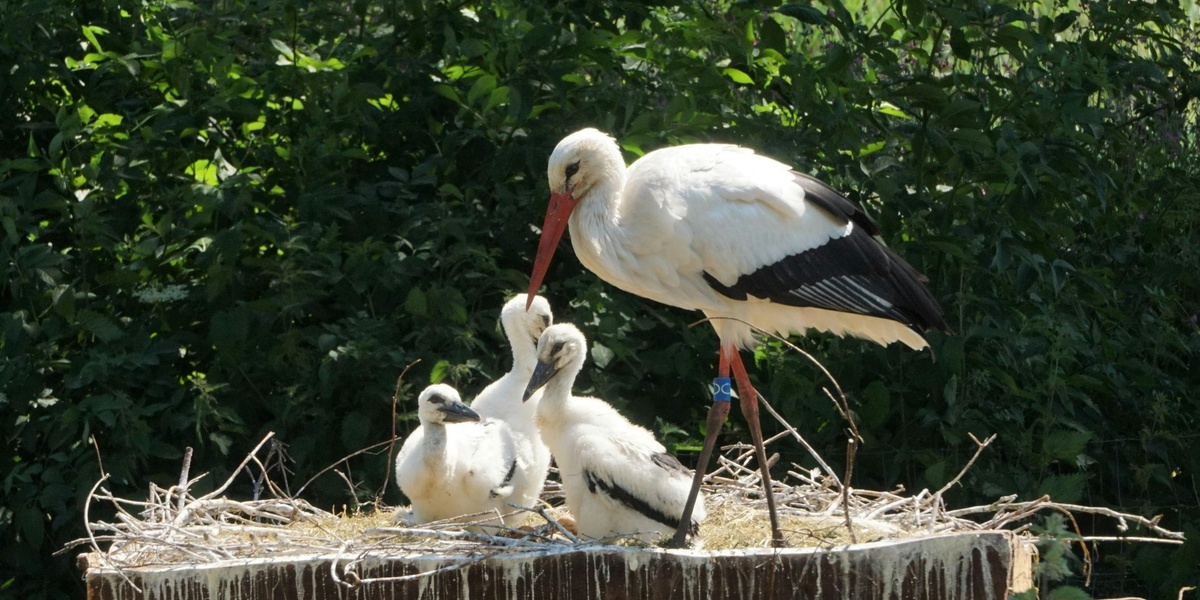
Aerial photographs from the 1930s show long columns of white storks nesting across Moldovan villages — a vivid reminder that wildlife and people have shared these plains for generations.
Despite its modest area (about 33,846 km²) and its independence since 1991, Moldova supports a surprising range of habitats: the Dniester and Prut rivers with their oxbows and floodplains, scattered wetlands, riparian woods and agricultural mosaics that include steppe remnants. A short, focused list of eight examples helps make that variety tangible — not an exhaustive inventory, but a set of species and groups that reveal ecological roles, cultural ties and conservation priorities.
These examples show why readers should care: healthy wildlife underpins pollination and pest control, supports fisheries and tourism, and carries strong local meanings (think village stork nests or family apiaries). Below I group the examples into three thematic sections — mammals, birds, and reptiles/pollinators — and for each entry note ecological role, conservation context, and real-world relevance.
Mammals: from riverbanks to woodlands
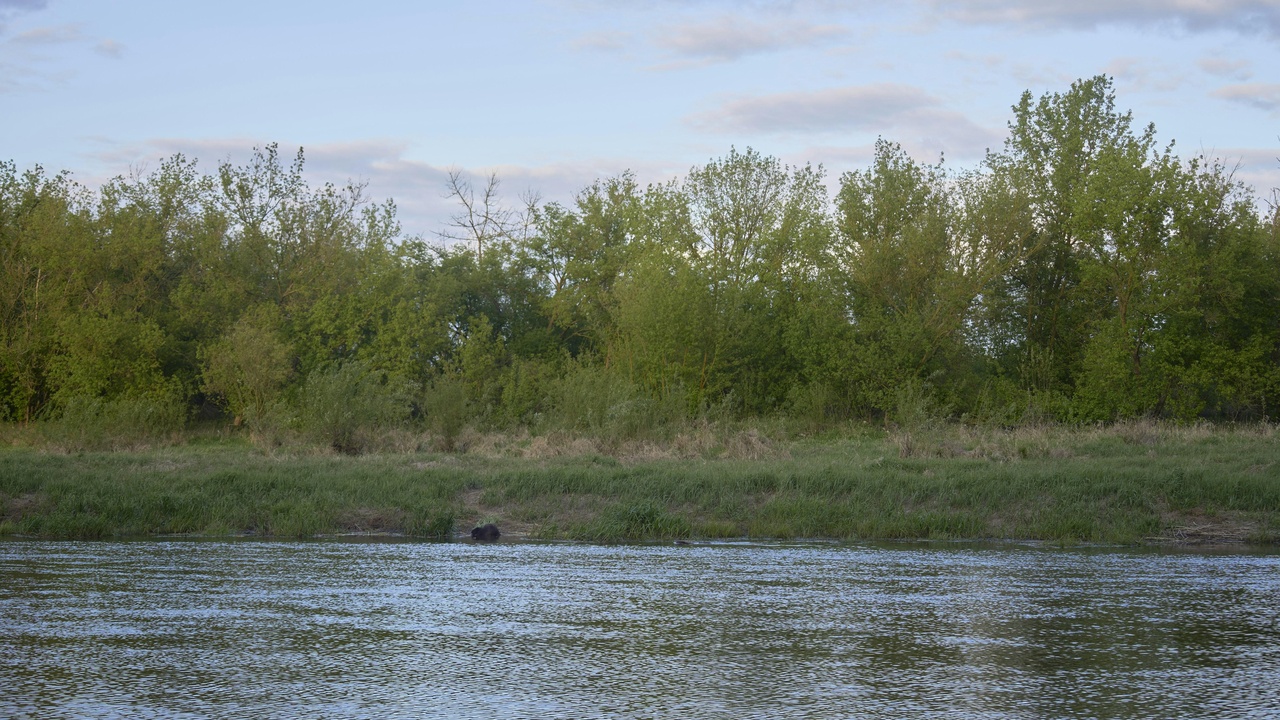
Mammals in Moldova inhabit riparian corridors, mixed forests and the agricultural matrix that dominates the countryside. The Prut and Dniester rivers act as green highways, connecting populations and allowing species to move between wetlands and upland woods.
People interact with mammals through hunting traditions, rural livelihoods and growing interest in ecotourism. Many species are hunted under regulated seasons, which influences local population dynamics and management choices (refer to IUCN Red List status for global context).
Because mammals often require connected habitats and sufficient prey or food resources, they serve as useful indicators of ecosystem health. The three examples below — a common deer, an adaptable omnivore, and a freshwater indicator species — illustrate those roles and the conservation issues at play.
1. Roe deer (Capreolus capreolus) — Common woodland deer
The roe deer is one of the most widespread large mammals in Moldova, frequently using edge habitats, hedgerows and small woodlands near villages.
These deer are crepuscular, most active at dawn and dusk, and their seasonal movements reflect local forage availability and cover. The IUCN lists Capreolus capreolus as Least Concern, but local population trends depend strongly on habitat connectivity and hunting pressure.
Roe deer play practical roles: they help disperse seeds and influence understory vegetation, and they are an important game species managed under regulated seasons by forestry and hunting authorities. Observers often report sightings at village margins and farm tracks, underscoring how fragmentation and hedgerow loss can reduce local numbers.
2. Wild boar (Sus scrofa) — Robust forager of fields and woodlands
Wild boar are adaptable omnivores that thrive in woodlands, field margins and the mosaic of Moldova’s agricultural lands.
Their diet ranges from roots and tubers to small vertebrates and acorns, and they shift movements seasonally to follow food pulses. Globally Sus scrofa is listed as Least Concern by IUCN, reflecting strong resilience in much of Europe after land-use changes and hunting regulation shifts.
Locally, boar are both valuable and problematic: hunting provides economic value to rural communities, yet autumn crop damage—reported each year around village outskirts—is a recurring issue. Ecologically, their rooting disturbs soil, aiding seed germination and nutrient cycling, but management (controlled hunting, fencing) is often needed to reduce conflicts.
3. Eurasian otter (Lutra lutra) — Indicator of clean waterways
The Eurasian otter persists in Moldova’s rivers, oxbows and wetlands and is a sensitive indicator of freshwater quality and fish abundance.
Otters feed mainly on fish and crustaceans and require riparian vegetation, undisturbed banks for holts, and healthy prey populations. IUCN currently lists Lutra lutra as Near Threatened in some regional assessments, highlighting the species’ dependence on clean rivers.
Practical uses of otter monitoring are clear: sightings logged by citizens and NGOs along the Dniester and Prut help target river restoration, benefiting fisheries and water quality. Local conservation groups and river authorities often use otter presence as a headline measure when prioritizing riparian protection.
Birds: wetlands, steppes and seasonal migrants
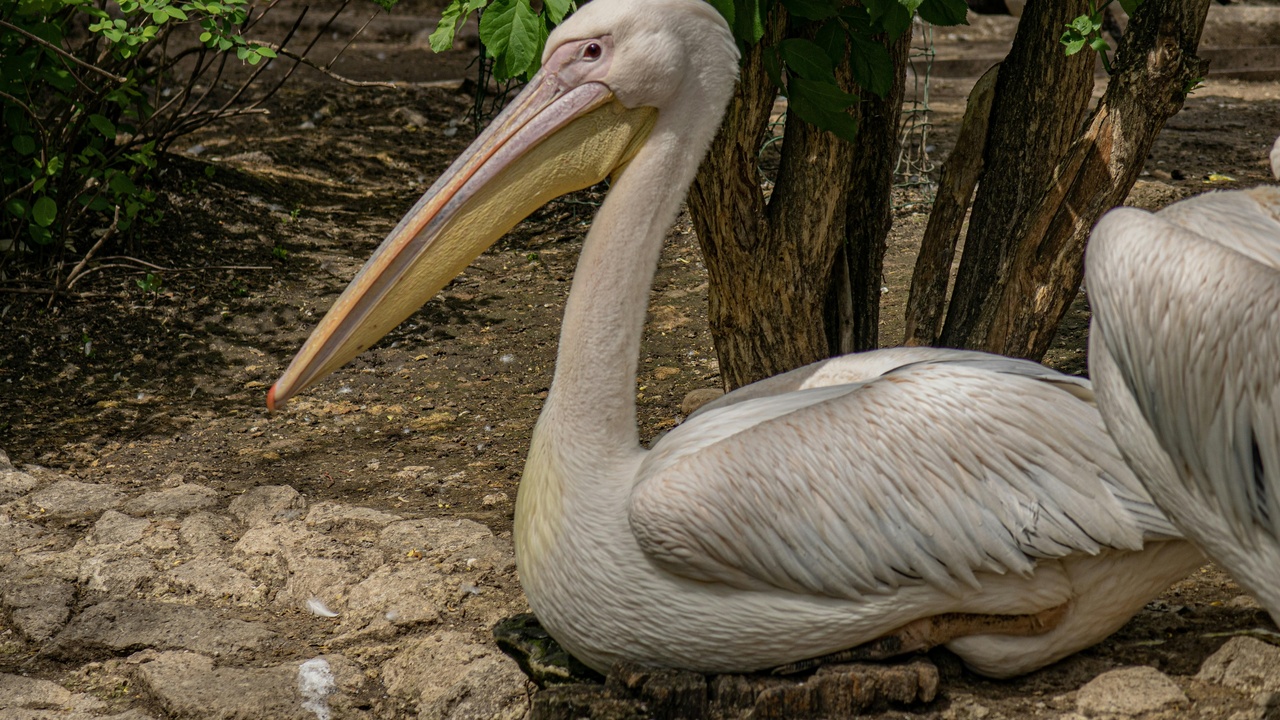
Moldova lies on important flyways, and its wetland patches, river corridors and steppe remnants host both resident and passage birds. Wetlands along the Dniester and Prut are vital refuelling sites during spring and autumn migration peaks, while steppe fragments support specialized grassland species.
Birds have deep cultural resonance here: white stork nests on roofs and poles remain a familiar village sight and attract birdwatchers. Economically, birdwatching can boost rural incomes, but habitat loss and agricultural intensification put many species at risk.
National bird checklists and regional birding NGOs provide counts and migration timing, and the three examples below — the stork, steppe passerines and raptors — capture both cultural values and key conservation concerns.
4. White stork (Ciconia ciconia) — A cultural and ecological emblem
The white stork is one of the most recognizable birds in Moldova, often nesting on rooftops, chimneys and utility poles in villages.
These long-distance migrants travel to sub-Saharan Africa outside the breeding season and return each spring to breed. The IUCN lists Ciconia ciconia as Least Concern, but local nesting success depends on safe nesting sites and food availability in nearby wetlands and meadows.
People protect stork nests through tradition and practical measures; some villages maintain platforms or avoid disturbing large nests. Thousands of storks pass through Moldova during migration windows, and their presence supports rural tourism and local pride. Birding organizations and monitoring programs track nest numbers to inform conservation action.
5. Steppe and grassland birds (e.g., skylark, larks) — Specialists of open habitats
Remaining steppe patches and low-intensity farmland host specialist passerines such as skylarks and other larks that depend on open, sparsely vegetated ground.
These species require wide, undisturbed fields, fallow plots and traditional hay meadows. Intensification, loss of field margins and conversion of fallow land have driven declines across Europe, and local populations reflect those broader trends.
Simple habitat actions help: maintaining field margins, delaying mowing in key areas and supporting agri-environment measures sustain skylarks and their fellows. European breeding bird surveys and national data sources can guide where management pays off most.
6. Raptors and migratory birds of prey (e.g., lesser spotted eagle) — Seasonal highlights
Moldova’s skies light up during migration as raptors use thermal currents and stopover sites to travel between breeding grounds and wintering areas.
Species such as the lesser spotted eagle and various hawks pass through in peaks around April–May and again in September. Conservation statuses vary, and several raptors face pressures from habitat loss and persecution in parts of their ranges.
Raptor watchpoints attract birders and provide valuable monitoring data. Protecting stopover habitats and nesting sites benefits these visible migrants and contributes to broader biodiversity monitoring efforts coordinated by regional bird migration studies and NGOs.
Reptiles, freshwater species and pollinators
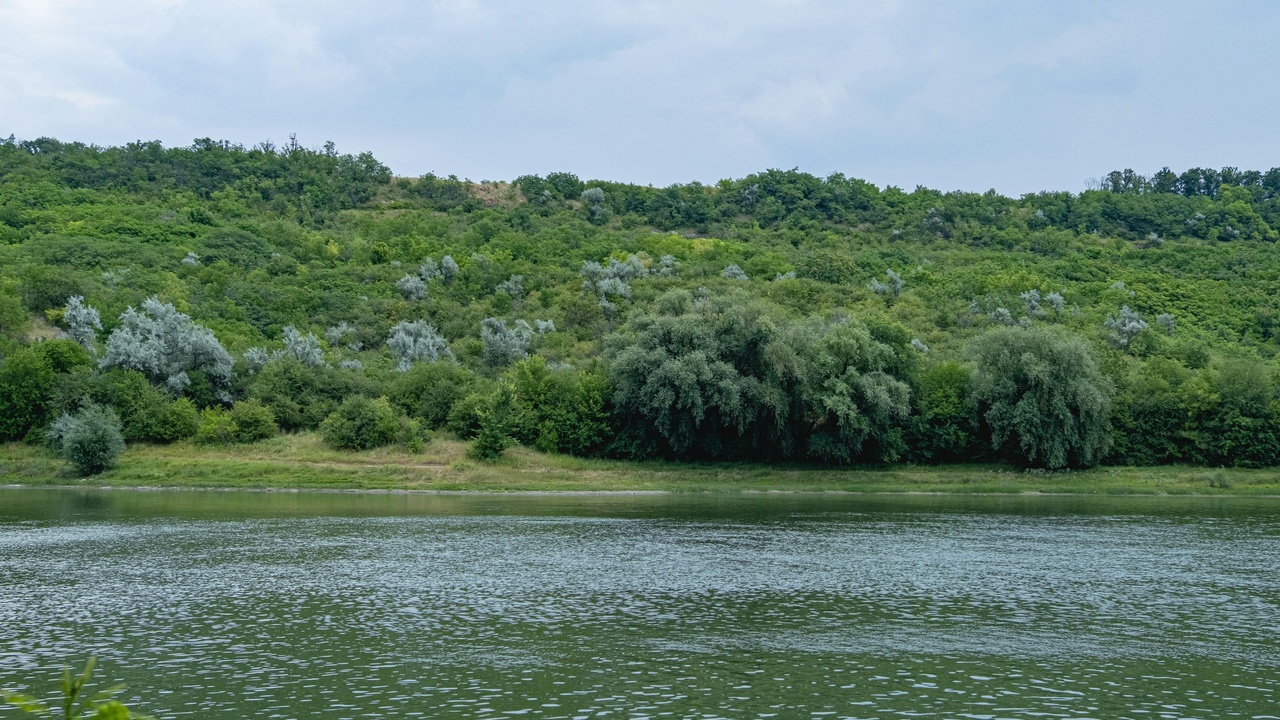
Smaller or less conspicuous animals — reptiles, freshwater fauna and pollinators — deliver vital services like pest control, pollination and water purification. These groups respond rapidly to pesticides, drainage and habitat change, making them early warning signs for ecosystem health.
Protecting wetlands and reducing chemical inputs benefits agriculture and people as much as wildlife; healthy pollinator communities boost fruit and seed production, while diverse freshwater fauna indicate good river conditions.
The two examples below — a wetland-dependent turtle and honeybees with wild pollinators — show both ecological function and direct links to local livelihoods.
7. European pond turtle (Emys orbicularis) — A wetland-dependent reptile
The European pond turtle uses slow-moving rivers, oxbow lakes and wetlands in Moldova, favoring sites with aquatic vegetation and nearby sandy banks for nesting.
Conservation status can vary regionally; consult the IUCN Red List for current assessments, but local populations are often vulnerable to wetland drainage, pollution and disturbance. Oxbows and protected wetlands along the Dniester and Prut are typical places to find them.
These turtles contribute to aquatic food webs and act as indicators of freshwater quality. Wetland restoration projects that reconnect oxbows and improve water quality tend to benefit pond turtles as well as fish and other wetland species.
8. Honeybee (Apis mellifera) and other pollinators — Tiny workers, big impact
Honeybees and wild pollinators underpin crop yields for fruit, vegetables and oilseed crops such as sunflowers, which are widely grown in Moldova.
Beekeeping has a long local tradition: village apiaries and small-scale producers supply honey and provide pollination services. At the same time, pesticides, habitat loss and diseases threaten pollinator health, reducing resilience and yields.
Practical conservation is straightforward: planting flower strips and hedgerows, timing pesticide use to avoid peak bloom and supporting local beekeepers all boost pollination. FAO and national agricultural advisories offer guides and estimates of pollination’s value for smallholder farms.
Summary
- Moldova’s wildlife ranges from river otters and pond turtles to storks, skylarks and honeybees, reflecting strong functional diversity despite the country’s small size.
- Top conservation priorities include protecting wetlands and oxbows, maintaining habitat connectivity along the Dniester and Prut, and promoting pollinator-friendly farming practices.
- Local actions make a difference: support regional NGOs, contribute to citizen-science sighting logs (otters, storks, raptors), and adopt simple habitat measures such as field margins and flower strips.
- Use trusted resources — IUCN, national birding groups and agricultural extension services — to inform stewardship and monitor species trends.