Early 20th-century explorers described Somalia’s coastline and interior as a place where camels, strange hoofed mammals and enormous flocks of birds met a rich coastal sea — a surprising crossroads of desert, savanna and ocean life. That sense of contrast still holds: Somalia spans roughly 637,657 km² and more than 3,300 km of coastline, and its habitats host both narrowly endemic species and wide-ranging migrants. These animals matter — they keep rangelands productive, sustain fisheries, and represent evolutionary lineages found nowhere else.
Somalia’s wildlife is also under pressure from habitat change, unsustainable hunting and gaps in research and management. Conservation groups such as the IUCN, BirdLife International and UNEP have highlighted urgent needs for better monitoring and community-based protection. This article presents ten representative species and species-groups across three categories — terrestrial mammals, birds and raptors, and marine & coastal life — to show what’s special about the region and why action is needed. Next: terrestrial mammals adapted to arid life.
Terrestrial Mammals: Endemics and Iconic Grazers
Somalia’s arid rangelands and plateaus favor species with drought-resistant physiology, seasonal movements and behaviors tuned to scarce water and patchy forage. Animals here range from truly endemic taxa to widespread Sahel–Horn grazers; many show specialized adaptations such as efficient kidneys, concentrated urine production, and the ability to tolerate high body temperatures during the hottest hours.
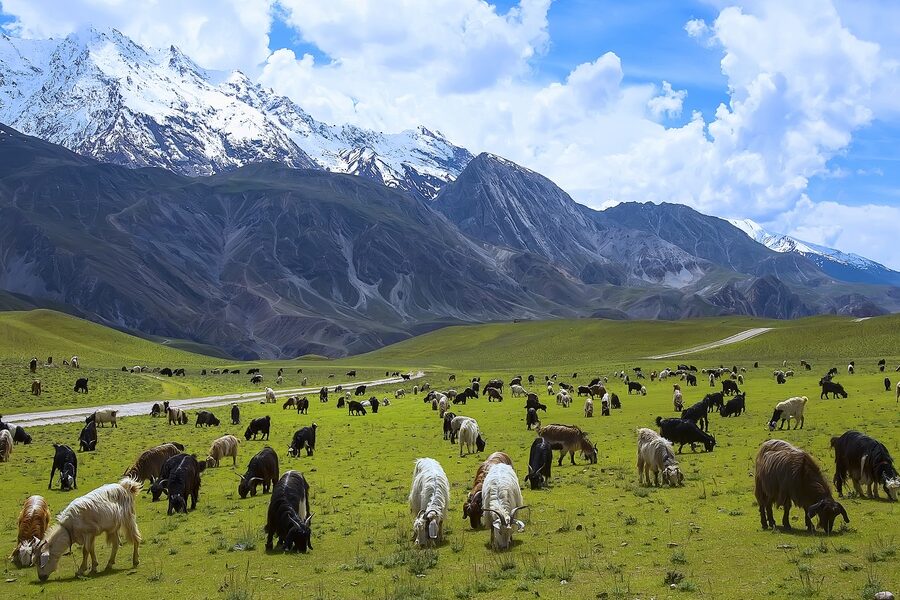
Human–wildlife relationships are central: pastoralism dominates much of the landscape, and herders’ livestock compete with wild grazers for water and pasture while also creating local tolerance or conflict depending on economic pressures and governance. Conservation concerns include habitat loss from land-use change, illegal hunting and reduced migration routes.
Authoritative status assessments (IUCN Red List) show several regional mammals are threatened or declining, and specialist groups such as the IUCN/SSC Equid Specialist Group work on captive programs and reintroductions. Below are four representative mammals that illustrate the challenges and values of Somali rangelands.
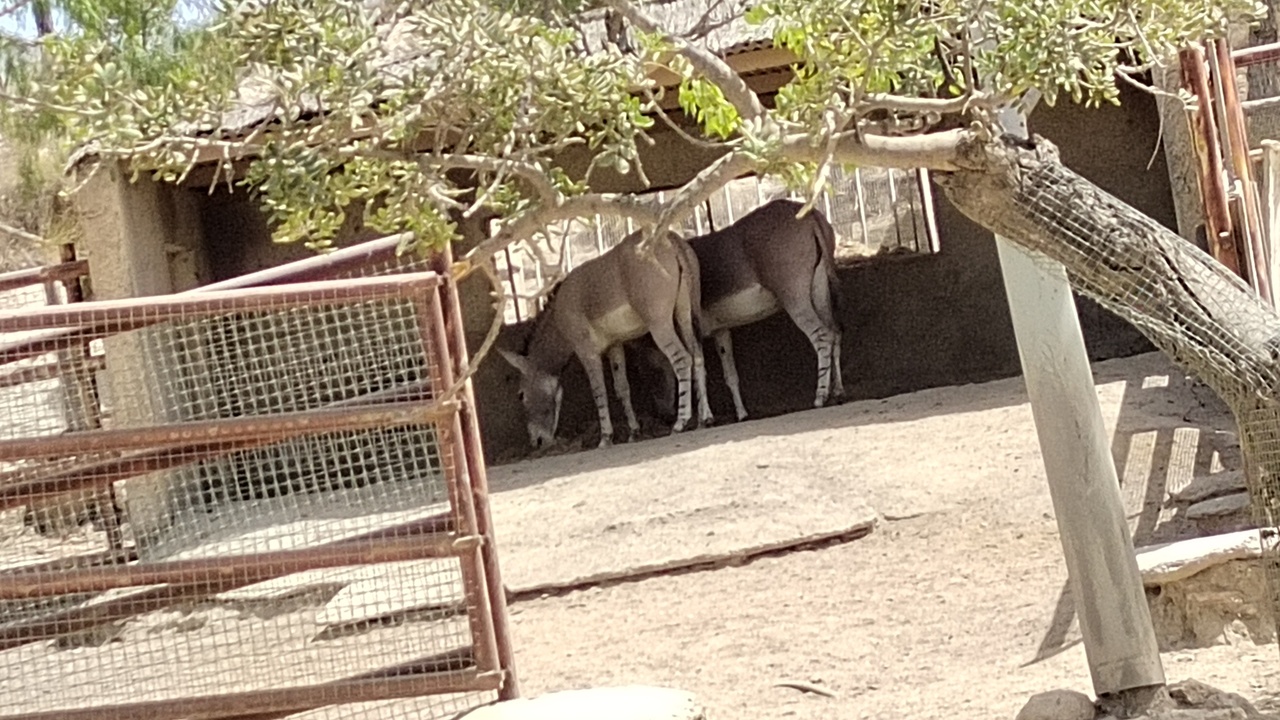
1. Somali Wild Ass (Equus africanus somaliensis)
The Somali wild ass is the Horn of Africa’s endemic member of the African wild ass complex and carries unique genetic and ecological value. The IUCN Red List recognizes the African wild ass (Equus africanus) as Critically Endangered, and the Somali populations have experienced severe declines from hunting, habitat loss and competition with domestic donkeys and livestock (IUCN; IUCN/SSC Equid Specialist Group).
Protecting the Somali wild ass matters for genetic diversity and for maintaining rangeland dynamics where grazers influence plant communities and nutrient cycling. Conservation responses include captive-breeding and managed reintroduction efforts coordinated by the Equid Specialist Group and some international zoos, plus local awareness programs. Consult the IUCN Red List and the IUCN/SSC Equid Specialist Group for the latest population figures and intervention dates.
2. Beisa Oryx (Oryx beisa) and desert-adapted antelopes
The Beisa oryx is a striking, dune‑and‑savanna antelope well adapted to dry environments through efficient water use and thermoregulatory behavior. Oryx can tolerate extended dry spells, obtain moisture from vegetation and conserve water via concentrated urine and low sweating rates (IUCN notes on arid-adapted antelopes).
Ecologically, oryx and other antelopes shape plant communities by selective grazing and browsing, which in turn influences forage availability for livestock. In Somalia they occur in semi‑desert regions and rangelands where pastoralists sometimes hunt or compete with them for water; regional surveys and IUCN accounts document patchy distributions and local declines. Adult Beisa oryx often weigh around 90–120 kg and may have home ranges that expand seasonally with rainfall.
3. Soemmerring’s Gazelle and other gazelles
Soemmerring’s gazelle (Gazella soemmerringii) and related gazelles are emblematic grazers of Somali rangelands, well-suited to open plains and acacia‑scattered habitats. These gazelles often form small herds that respond quickly to seasonal rains, moving to exploit fresh shoots and water points (IUCN species accounts and regional surveys).
Gazelle populations are useful indicators of rangeland health because they decline rapidly under sustained hunting pressure or when migration routes fragment. Predators such as caracals, jackals and raptors rely on them seasonally, so gazelle trends ripple through local food webs. Regional survey reports sometimes record herd sizes from tens up to a few hundred in good seasons; check IUCN and BirdLife for recent counts where available.
4. Striped Hyena and scavengers shaping ecosystems
Scavengers like the striped hyena (Hyaena hyaena) provide key ecosystem services across Somalia’s landscapes by removing carcasses, limiting disease spread and recycling nutrients. Striped hyenas are largely nocturnal and range widely, using scent marking and bone‑cracking dentition to exploit carrion and small prey (field studies and wildlife management reports document these behaviors).
Local pastoralist communities hold mixed views of hyenas — some see them as sanitation helpers, others as threats to small livestock at night. Home‑range studies in similar regions report nightly movements of several tens of kilometers for some scavengers; consult regional field reports for specific figures and documented diet analyses.
Birds and Raptors: Endemics, Migrants and Specialists
Somalia sits along major flyways between Eurasia and Africa, so its wetlands, oases and coastal lagoons host both resident endemics and huge seasonal influxes of migrants. The country’s position near the Red Sea and Indian Ocean makes it a corridor for passage migrants as well as a breeding ground for some specialists.
Key habitats include riverine oases, ephemeral wetlands formed after rains, and coastal features such as tidal flats and mangrove patches. These areas are vital stopover points for waders, terns and many passerines. Conservation organizations like BirdLife International and IUCN flag threats including wetland drainage, unregulated hunting and climate-driven changes in rainfall and sea level.
Below are three bird groups that capture the importance of Somali avifauna: an endemic large bird, coastal specialists, and migratory raptors.
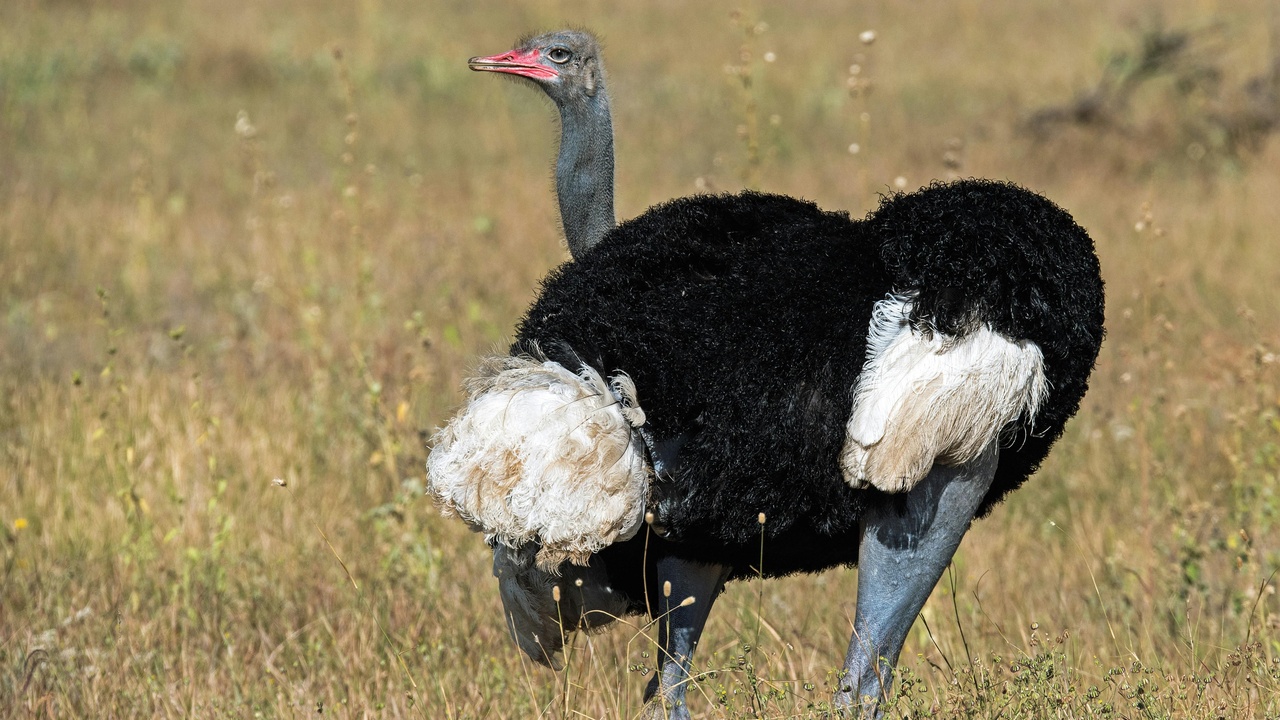
5. Somali Ostrich (Struthio molybdophanes)
The Somali ostrich is now recognized as a distinct species native to the Horn of Africa, differing genetically and behaviorally from the common ostrich. BirdLife International and recent taxonomic work treat Struthio molybdophanes as separate, with a range focused on northeastern Africa.
Somali ostriches are culturally significant and can attract ecotourism where security and access allow. Threats include hunting and rangeland conversion. Typical adult body mass for ostriches in the region ranges from about 90 to 130 kg, and flocks or family groups are most often seen in open scrub and grassland. Check BirdLife International for the latest conservation assessment and population notes.
6. Coastal and wetland specialists — waders and terns
Somalia’s lagoons, tidal flats and estuaries on the Gulf of Aden and Indian Ocean coast serve as important stopovers for shorebirds and terns during migration. These species rely on intertidal prey and safe roost sites during high tide cycles (Ramsar and regional surveys document key wetlands in neighboring coasts).
Shorebirds act as indicators of coastal health; declines in counts often signal habitat loss or pollution. Typical migrants include sandpipers, plovers and terns such as the common tern. Some coastal counts in the wider Red Sea–Gulf of Aden region report thousands of individuals during peak migration, underscoring the site’s regional value (see BirdLife International and UNEP reports).
7. Raptors and migratory predators
Raptors pass through Somalia along major migration corridors that funnel birds between Eurasia and Africa. Species such as kestrels, buzzards and larger eagles use thermals and coastal routes to cross the Red Sea and Gulf of Aden, often in large seasonal movements recorded by raptor observatories.
These birds deliver useful ecosystem services by controlling rodent and small mammal populations, which benefits pastoral communities. Regional migration studies and BirdLife data record seasonal peaks; consult those sources for specific count numbers and timing (many migrations occur in autumn and spring windows).
Marine and Coastal Life: Dugongs, Coral Reefs and Pelagic Visitors
Somalia’s long and relatively under‑studied coastline (over 3,300 km) includes mangroves, seagrass beds, coral communities and open-ocean habitats that host both resident marine life and transoceanic visitors. Because formal surveys are sparse in parts of the coast, many marine populations are poorly quantified, yet records and regional studies point to important conservation values.
Large marine animals — from dugongs and reef fishes to whale sharks and tunas — rely on these habitats. Threats include illegal fishing, destructive gear (blast and cyanide fishing reported elsewhere in the region), and warming seas that increase bleaching risk for corals. UNEP, IUCN marine accounts and regional fisheries agencies have highlighted the need for improved monitoring and governance.
The three examples below illustrate seagrass-dependent megafauna, reef biodiversity and pelagic visitors that underpin coastal economies and ecological resilience.
8. Dugong (Dugong dugon) and seagrass communities
Dugongs feed on seagrass meadows across the western Indian Ocean and Red Sea margins, and regional IUCN assessments list dugongs as Vulnerable globally with local populations under pressure. Healthy seagrass beds support dugongs while also storing carbon and sustaining small-scale fisheries.
Seagrass conservation delivers multiple benefits: fisheries enhancement, shoreline stabilization and carbon sequestration. Regional reports note dugong sightings along East Africa’s coast; confirm local Somalia sightings and seagrass extent with UNEP and IUCN regional reports. Seagrass meadows can store hundreds of tonnes of carbon per hectare in some regions, making their protection climate‑relevant as well as biodiversity‑relevant.
9. Coral reefs and reef fish assemblages
Coral communities off Somalia, especially in the Gulf of Aden and Indian Ocean margins, host diverse reef fish assemblages that support coastal fisheries and protect shorelines. Surveys from adjacent regions report high species richness among damselfish, groupers, snappers and parrotfish, taxa commonly expected on Somali reefs.
Reefs face bleaching, destructive fishing and localized pollution. Nearby regional reef assessments sometimes report live coral cover varying widely — from degraded sites under 10% cover to healthier patches above 30% — so local survey work is critical. Refer to coral reef atlases and regional marine studies for site-level data and species lists.
10. Pelagic visitors: whale sharks, tunas and cetaceans
Somalia’s offshore waters are part of the Somali Basin and Arabian Sea systems used by whale sharks, migratory tunas and a range of cetaceans. Fisheries records and IUCN accounts note the economic importance of tunas (e.g., skipjack, yellowfin) to regional fleets and the presence of large filter‑feeders like whale sharks recorded sporadically by observers.
These pelagic species underpin commercial fisheries and potential ecotourism, but they face threats from bycatch, illegal fishing and vessel strikes. For reliable catch figures and sighting records consult FAO, the Indian Ocean Tuna Commission (IOTC) and IUCN species accounts for up‑to‑date numbers and seasonality details.
Summary
- Somalia’s unique mix of desert, rangeland and long coastline supports distinctive species — from the Somali wild ass and Somali ostrich to dugongs and reef fishes — many of which are highlighted by IUCN and BirdLife International.
- Terrestrial species show clear adaptations to aridity and complex relationships with pastoralist livelihoods, while coastal and marine species depend on seagrass, mangrove and coral habitats that provide fisheries and carbon benefits (UNEP, IUCN).
- Migratory birds and raptors use Somali wetlands and coastal stopovers along major flyways, making these habitats regionally important for global bird populations (BirdLife International).
- Conservation urgency is high: many taxa are threatened by hunting, habitat loss, destructive fishing and climate impacts, and better survey data and locally led protection are needed (IUCN, FAO, IOTC).
- Support practical action: consult and support organizations such as IUCN, BirdLife International and UNEP, contribute to citizen‑science and reporting initiatives, or donate to vetted local conservation groups working with pastoral communities and fishers.