- Biodiversity ranges from iconic bison and bald eagles to cryptic mussels and salamanders, and each plays distinct ecological and cultural roles.
- Many species show alarming declines while some notable recoveries demonstrate that policy, science, and community action can work together.
- Effective conservation mixes federal, state, tribal, and NGO efforts and often requires landscape-scale tools like corridors, prescribed fire, and water-quality improvements.
- Individual actions matter: plant native milkweed, join a local bioblitz, report nests or sightings, or support reputable organizations such as USFWS, NOAA, and the Xerces Society.
- Biodiversity ranges from iconic bison and bald eagles to cryptic mussels and salamanders, and each plays distinct ecological and cultural roles.
- Many species show alarming declines while some notable recoveries demonstrate that policy, science, and community action can work together.
- Effective conservation mixes federal, state, tribal, and NGO efforts and often requires landscape-scale tools like corridors, prescribed fire, and water-quality improvements.
- Individual actions matter: plant native milkweed, join a local bioblitz, report nests or sightings, or support reputable organizations such as USFWS, NOAA, and the Xerces Society.
- Biodiversity ranges from iconic bison and bald eagles to cryptic mussels and salamanders, and each plays distinct ecological and cultural roles.
- Many species show alarming declines while some notable recoveries demonstrate that policy, science, and community action can work together.
- Effective conservation mixes federal, state, tribal, and NGO efforts and often requires landscape-scale tools like corridors, prescribed fire, and water-quality improvements.
- Individual actions matter: plant native milkweed, join a local bioblitz, report nests or sightings, or support reputable organizations such as USFWS, NOAA, and the Xerces Society.
- Biodiversity ranges from iconic bison and bald eagles to cryptic mussels and salamanders, and each plays distinct ecological and cultural roles.
- Many species show alarming declines while some notable recoveries demonstrate that policy, science, and community action can work together.
- Effective conservation mixes federal, state, tribal, and NGO efforts and often requires landscape-scale tools like corridors, prescribed fire, and water-quality improvements.
- Individual actions matter: plant native milkweed, join a local bioblitz, report nests or sightings, or support reputable organizations such as USFWS, NOAA, and the Xerces Society.
- Biodiversity ranges from iconic bison and bald eagles to cryptic mussels and salamanders, and each plays distinct ecological and cultural roles.
- Many species show alarming declines while some notable recoveries demonstrate that policy, science, and community action can work together.
- Effective conservation mixes federal, state, tribal, and NGO efforts and often requires landscape-scale tools like corridors, prescribed fire, and water-quality improvements.
- Individual actions matter: plant native milkweed, join a local bioblitz, report nests or sightings, or support reputable organizations such as USFWS, NOAA, and the Xerces Society.
At one time North American grasslands supported tens of millions of American bison; by the late 1800s that number had fallen to just a few hundred.
That collapse tells a larger story: wildlife shapes landscapes, livelihoods, and culture, and its loss reverberates through ecosystem services like pollination, water filtration, and carbon storage. Conservation also fuels recreation, supports local economies, and advances science.
From giants of the plains to tiny streamside salamanders, the fauna of the United States is extraordinarily varied — and each species tells a story about ecology, culture, and conservation. Below are 15 representative species and groups organized into four themes (mammals and large wildlife; birds and avifauna; marine and freshwater life; insects, reptiles, and amphibians). Each profile notes why the animal matters, a key statistic or date, and a concrete conservation or management example you can follow up on.
Mammals and Large Wildlife
Large mammals shape U.S. landscapes and cultural identity: they move nutrients, open habitat, and attract ecotourism. Their histories often reflect conflicts over land and resources, and recovery usually requires long-term policy and landscape-scale planning.
1. American Bison — Keystone grazer of the Great Plains
The American bison once numbered in the tens of millions and were central to prairie ecology and Indigenous lifeways. By the late 1800s market hunting and policy-driven extermination reduced them to a few hundred animals.
Modern conservation blends protected herds in places like Yellowstone National Park with tribal and private restoration projects; combined efforts now support tens of thousands of bison across public and private lands. Reintroductions and managed grazing help restore prairie processes, boosting plant diversity and soil health.
Real-world applications include prairie restoration on conservation easements, tribal-led herds that reconnect culture and food sovereignty, and wildlife-watching economies that center bison as an icon of the Great Plains.
2. Bald Eagle — A conservation success and national symbol
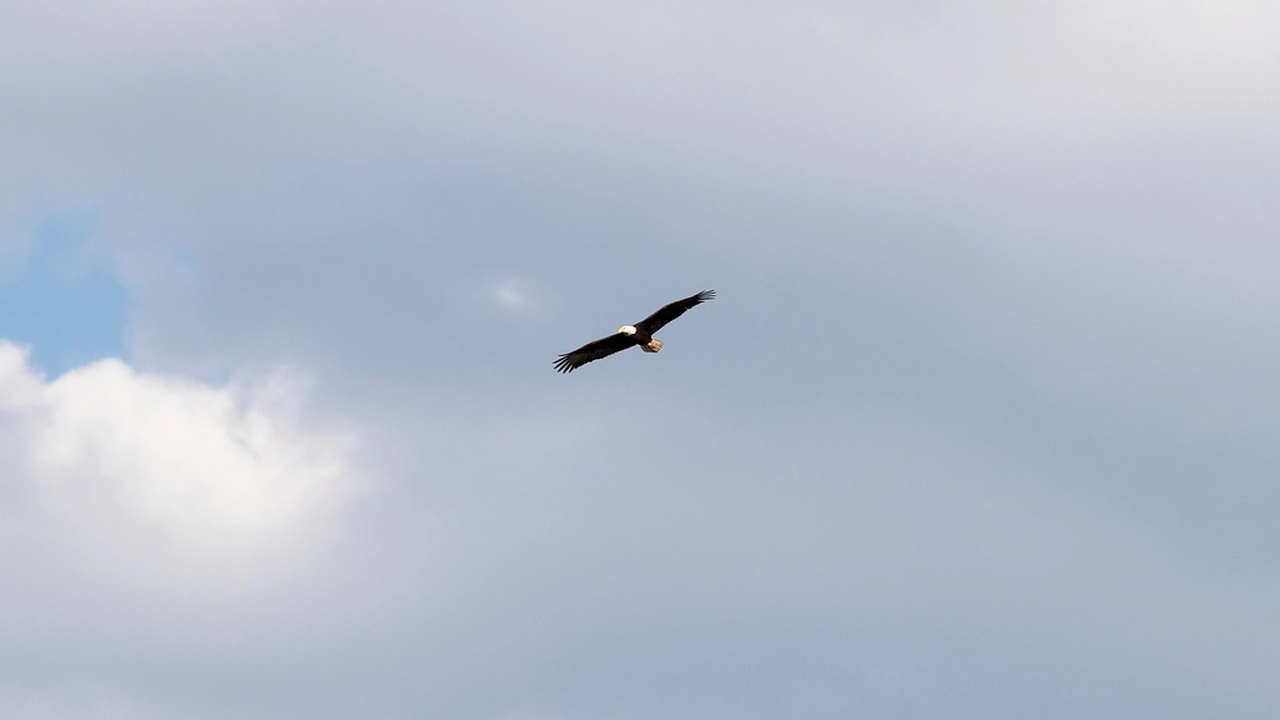
The bald eagle declined dramatically from widespread pesticide use (notably DDT) but rebounded after legal protections and pesticide regulation. Nesting pairs fell to fewer than 500 in the 1960s and rose to over 10,000 pairs by the early 2000s.
Protections under the Endangered Species Act, targeted habitat protection, and long-term monitoring by agencies like the U.S. Fish and Wildlife Service (USFWS) enabled recovery; the species was removed from the federal endangered list in 2007.
Today bald eagles contribute to ecotourism, serve as case studies in environmental policy courses, and are tracked through citizen-science nest surveys that help managers monitor population trends.
3. Florida Panther — An endangered big-cat and a habitat-warning sign
The Florida panther remains critically endangered, with fewer than 200 adult individuals estimated in the wild. Its plight highlights how habitat loss and fragmentation squeeze wide-ranging predators into shrinking patches.
Main threats include vehicle collisions, habitat fragmentation from development, and genetic bottlenecks. In the 1990s managers translocated Texas cougars to boost genetic diversity, a rare example of genetic rescue in U.S. conservation.
Conservation actions range from establishing habitat corridors and land acquisitions in south Florida to road-mitigation structures and ranching coexistence programs led by state and federal partners such as the Florida Fish and Wildlife Conservation Commission.
4. Grizzly Bear — Apex predator with a shrinking range in the lower 48
Grizzly bears are apex predators whose presence indicates relatively intact ecosystems. Fewer than 2,000 grizzlies remain in the contiguous United States, concentrated in places like the Greater Yellowstone and Northern Continental Divide ecosystems.
Historical range contraction has sparked ongoing debates over delisting, recovery goals, and how to reduce human–bear conflict. Research by teams such as the Interagency Grizzly Bear Study Team informs management decisions.
Practical measures include livestock compensation programs, bear-smart outreach, and habitat connectivity projects in Montana and Wyoming that reduce conflicts while supporting population growth where possible.
Birds and Avifauna
The United States sits on major migratory flyways, connecting Arctic breeding grounds to tropical wintering sites. Birds act as pollinators, seed dispersers, and ecological indicators, and their movements create international conservation responsibilities.
5. Monarch Butterfly — A long-distance migrant facing steep declines
The monarch undertakes an epic multi-generation migration from Mexico to Canada and back and plays a role in pollination and culture. Eastern monarchs have experienced steep declines — roughly an 80% drop since the 1990s in overwintering grove counts.
Drivers include loss of milkweed and overwintering habitat, pesticide exposure, and weather extremes tied to climate variability. Conservation mixes habitat restoration, citizen science tagging, and international coordination with Mexico and Canada.
Groups such as the Xerces Society and Monarch Watch coordinate milkweed plantings, tagging programs, and public outreach that both boost habitat and engage volunteers in monitoring trends.
6. Whooping Crane — From the brink to careful reintroduction
The whooping crane fell to about 15 wild individuals by the early 1940s but has slowly rebounded thanks to captive breeding, reintroduction, and strict protection of key wetlands. Combined wild and reintroduced populations now number in the several hundreds.
Long-term recovery requires managed migratory routes and permanent protection for wintering grounds such as Aransas National Wildlife Refuge on the Texas coast, where habitat loss and sea-level rise remain concerns.
Programs like Operation Migration (historical) and ongoing captive-breeding and release projects illustrate the intensive, hands-on work needed to restore migratory populations.
7. Passenger Pigeon — An extinction that changed conservation
The passenger pigeon once darkened North American skies in flocks numbering in the billions; the last known individual, Martha, died at the Cincinnati Zoo in 1914. Rapid overhunting and habitat destruction drove the species to extinction.
That loss reshaped public attitudes and helped spur early conservation laws and institutions aimed at protecting wildlife and captive-breeding efforts for other imperiled species.
The passenger pigeon remains a cautionary example used in conservation education to show how even abundant species can collapse without protective measures.
8. Shorebirds (e.g., Red Knot) — Sentinels of coastal health
Many shorebirds depend on precise timing and location for refueling during migration, making them sensitive to coastal changes. The Red Knot’s reliance on horseshoe crab eggs in Delaware Bay illustrates this vulnerability.
Overharvest of horseshoe crabs reduced food availability for incoming knots, contributing to population declines and prompting fisheries and conservation measures to protect intertidal food resources.
Delaware Bay monitoring by Audubon chapters and state agencies informs adaptive management, while international agreements help protect stopover sites across multiple countries.
Marine and Freshwater Life
Aquatic fauna span kelp forests, coral reefs, rivers, and Great Lakes shores, providing fisheries, water filtration, and cultural resources. They also respond rapidly to overfishing, pollution, and climate shifts, so they’re often early warning signs for ecosystem change.
9. Sea Otter — A keystone engineer of kelp forests
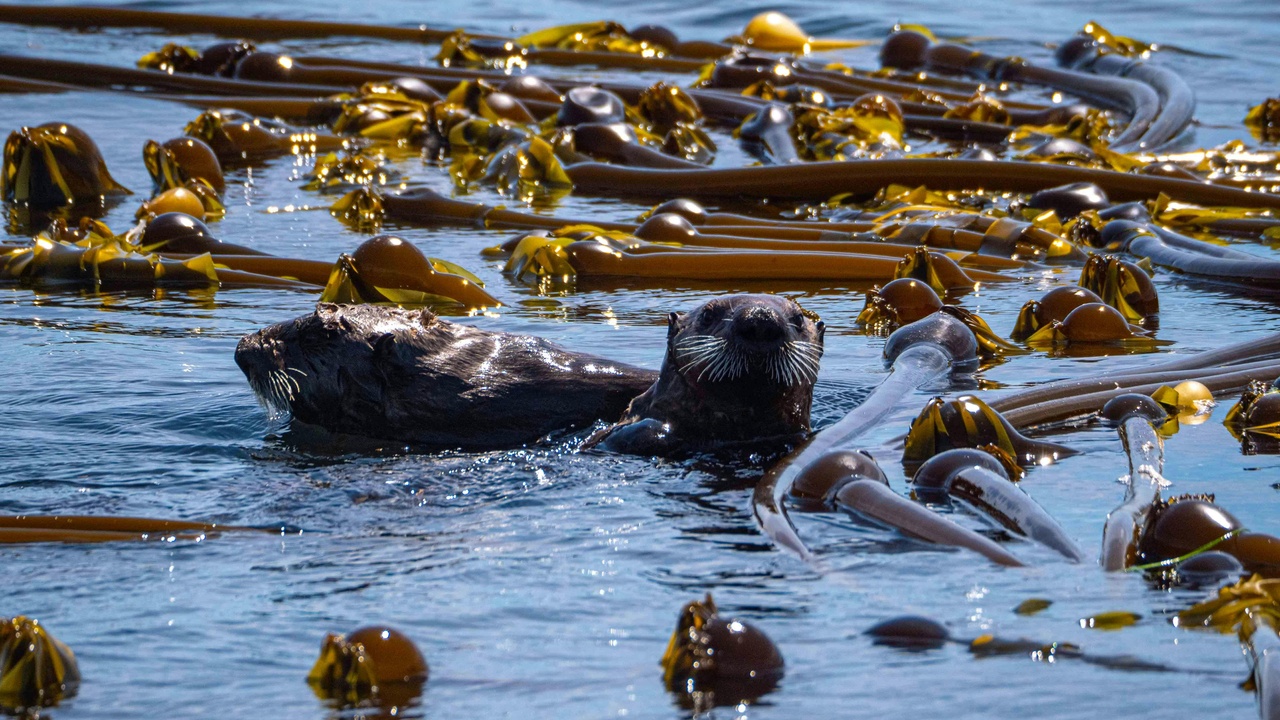
Sea otters keep sea-urchin numbers down, which allows kelp forests to thrive; those kelps support biodiversity and sequester carbon. The fur trade nearly extirpated sea otters in the 18th and 19th centuries.
California populations have partially recovered and are estimated in the low thousands (roughly 3,000 individuals in some coastal areas), though recovery remains incomplete and localized.
Conservation includes legal protection, local monitoring, and targeted translocations. Healthy otter populations boost tourism (wildlife viewing) and help maintain kelp that benefits fisheries and coastal resilience.
10. Pacific Salmon (Chinook, Coho, Sockeye, Pink, Chum) — Migratory lifelines for rivers and coasts
Five Pacific salmon species migrate between freshwater rivers and the open ocean, bringing marine nutrients into forested watersheds and supporting commercial and tribal fisheries.
Threats include dams that block access to spawning grounds, hatchery practices that affect wild stocks, and warming ocean and river temperatures. The Columbia River basin is a high-profile example of complex management challenges.
Recovery efforts combine habitat restoration, dam passage improvements, and collaboration with Tribal nations to revive culturally and economically important runs.
11. Coral in the Florida Keys — Tropical diversity under stress
Florida’s coral reefs support diverse fish and invertebrate communities and are central to regional tourism. Repeated bleaching and disease events in recent decades have reduced live coral cover and altered reef function.
Primary drivers include ocean warming, disease outbreaks, and water-quality problems linked to runoff. Management responses include sanctuary protections, water-quality programs, and active restoration via coral nurseries.
Groups such as the Coral Restoration Foundation work with the Florida Keys National Marine Sanctuary on outplanting and monitoring projects aimed at rebuilding reef structure and resilience.
12. Freshwater Mussels — Hidden filters of rivers and lakes
Freshwater mussels are among the most imperiled groups in North America yet perform vital water-filtration services and provide habitat structure on streambeds. Their declines signal degraded river health.
Threats include damming and flow alteration, pollution, and invasive zebra mussels that outcompete native species. Restoration often involves captive propagation, reintroduction, and flow-management changes.
State-led recovery projects in the Mississippi and Tennessee river basins, and coordination with USFWS, aim to restore populations while using mussels as living indicators of water quality.
Insects, Reptiles, and Amphibians
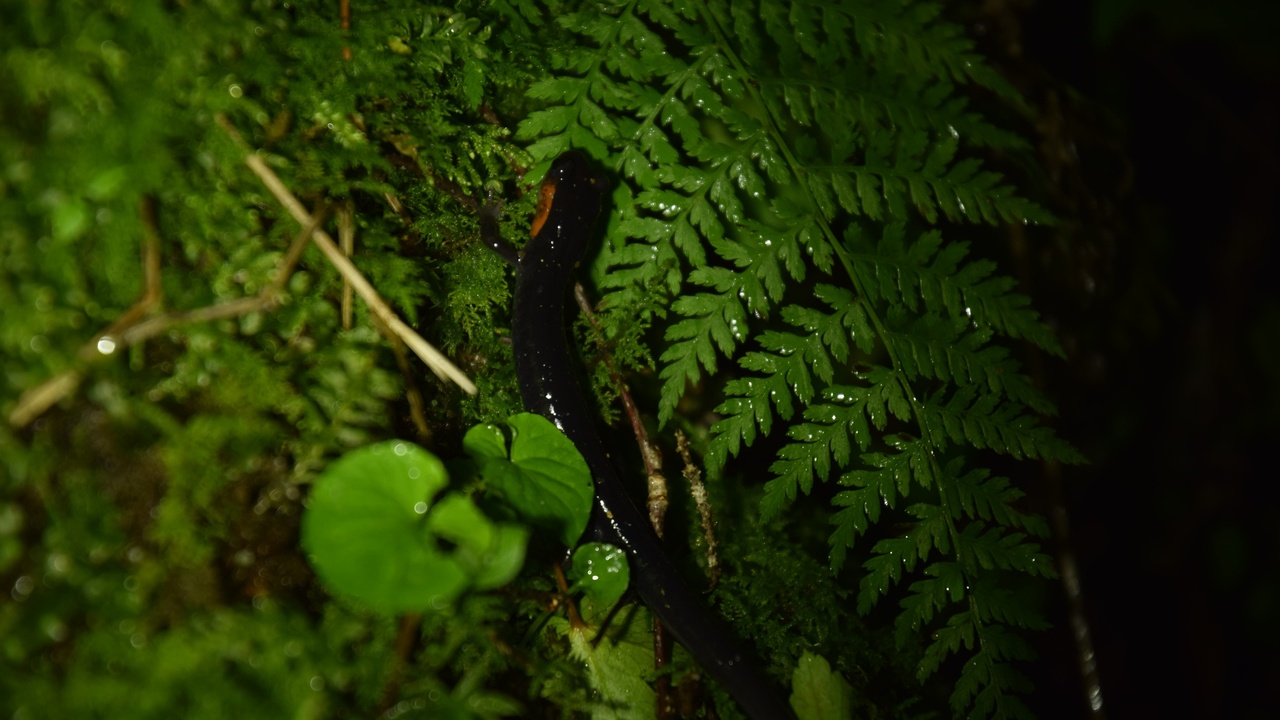
Smaller-bodied taxa account for a large share of biodiversity and deliver services like pollination, soil turnover, and pest control. Many are habitat specialists that reveal the health of ecosystems from forests to deserts.
13. Appalachian Salamanders (e.g., hellbender) — An amphibian diversity hotspot
The Appalachian region hosts one of the richest salamander assemblages on Earth, and species like the hellbender indicate stream quality because they need cool, well-oxygenated waters.
Threats include sedimentation from development, pollution, and disease. Conservation responses range from stream-protection measures to captive-rearing programs that supplement wild populations.
University researchers and state wildlife agencies run monitoring projects, while volunteers help with surveys that inform habitat-restoration priorities.
14. Gopher Tortoise — A keystone reptile of longleaf pine ecosystems
Gopher tortoises dig burrows used by dozens of other species, making them keystone engineers in longleaf pine and sandhill habitats. They depend on fire-maintained open understories for forage and nesting.
Development and fire suppression fragment habitat, but active restoration using prescribed fire, land protection, and careful relocation protocols help sustain tortoise populations and associated biodiversity.
Longleaf restoration initiatives often prioritize gopher tortoise habitat, and state management guidelines provide practical steps for landowners balancing development and conservation.
15. American Alligator — A managed recovery and an economic asset
The American alligator rebounded from near-collapse after strict protection and is now a conservation success in the Southeast. Combined regional populations are commonly described as numbering more than one million individuals.
Alligator management blends conservation with regulated use: licensed harvests, monitoring, and habitat protection fund agencies and local economies while keeping populations at sustainable levels.
State-run programs in Florida and Louisiana illustrate how regulated use and habitat protection (including Everglades restoration efforts) support both species recovery and community livelihoods.
Summary
The diversity described above shows how the fauna of the United States spans ecosystems, life histories, and human values.
- Biodiversity ranges from iconic bison and bald eagles to cryptic mussels and salamanders, and each plays distinct ecological and cultural roles.
- Many species show alarming declines while some notable recoveries demonstrate that policy, science, and community action can work together.
- Effective conservation mixes federal, state, tribal, and NGO efforts and often requires landscape-scale tools like corridors, prescribed fire, and water-quality improvements.
- Individual actions matter: plant native milkweed, join a local bioblitz, report nests or sightings, or support reputable organizations such as USFWS, NOAA, and the Xerces Society.
- Biodiversity ranges from iconic bison and bald eagles to cryptic mussels and salamanders, and each plays distinct ecological and cultural roles.
- Many species show alarming declines while some notable recoveries demonstrate that policy, science, and community action can work together.
- Effective conservation mixes federal, state, tribal, and NGO efforts and often requires landscape-scale tools like corridors, prescribed fire, and water-quality improvements.
- Individual actions matter: plant native milkweed, join a local bioblitz, report nests or sightings, or support reputable organizations such as USFWS, NOAA, and the Xerces Society.
At one time North American grasslands supported tens of millions of American bison; by the late 1800s that number had fallen to just a few hundred.
That collapse tells a larger story: wildlife shapes landscapes, livelihoods, and culture, and its loss reverberates through ecosystem services like pollination, water filtration, and carbon storage. Conservation also fuels recreation, supports local economies, and advances science.
From giants of the plains to tiny streamside salamanders, the fauna of the United States is extraordinarily varied — and each species tells a story about ecology, culture, and conservation. Below are 15 representative species and groups organized into four themes (mammals and large wildlife; birds and avifauna; marine and freshwater life; insects, reptiles, and amphibians). Each profile notes why the animal matters, a key statistic or date, and a concrete conservation or management example you can follow up on.
Mammals and Large Wildlife
Large mammals shape U.S. landscapes and cultural identity: they move nutrients, open habitat, and attract ecotourism. Their histories often reflect conflicts over land and resources, and recovery usually requires long-term policy and landscape-scale planning.
1. American Bison — Keystone grazer of the Great Plains
The American bison once numbered in the tens of millions and were central to prairie ecology and Indigenous lifeways. By the late 1800s market hunting and policy-driven extermination reduced them to a few hundred animals.
Modern conservation blends protected herds in places like Yellowstone National Park with tribal and private restoration projects; combined efforts now support tens of thousands of bison across public and private lands. Reintroductions and managed grazing help restore prairie processes, boosting plant diversity and soil health.
Real-world applications include prairie restoration on conservation easements, tribal-led herds that reconnect culture and food sovereignty, and wildlife-watching economies that center bison as an icon of the Great Plains.
2. Bald Eagle — A conservation success and national symbol
The bald eagle declined dramatically from widespread pesticide use (notably DDT) but rebounded after legal protections and pesticide regulation. Nesting pairs fell to fewer than 500 in the 1960s and rose to over 10,000 pairs by the early 2000s.
Protections under the Endangered Species Act, targeted habitat protection, and long-term monitoring by agencies like the U.S. Fish and Wildlife Service (USFWS) enabled recovery; the species was removed from the federal endangered list in 2007.
Today bald eagles contribute to ecotourism, serve as case studies in environmental policy courses, and are tracked through citizen-science nest surveys that help managers monitor population trends.
3. Florida Panther — An endangered big-cat and a habitat-warning sign
The Florida panther remains critically endangered, with fewer than 200 adult individuals estimated in the wild. Its plight highlights how habitat loss and fragmentation squeeze wide-ranging predators into shrinking patches.
Main threats include vehicle collisions, habitat fragmentation from development, and genetic bottlenecks. In the 1990s managers translocated Texas cougars to boost genetic diversity, a rare example of genetic rescue in U.S. conservation.
Conservation actions range from establishing habitat corridors and land acquisitions in south Florida to road-mitigation structures and ranching coexistence programs led by state and federal partners such as the Florida Fish and Wildlife Conservation Commission.
4. Grizzly Bear — Apex predator with a shrinking range in the lower 48
Grizzly bears are apex predators whose presence indicates relatively intact ecosystems. Fewer than 2,000 grizzlies remain in the contiguous United States, concentrated in places like the Greater Yellowstone and Northern Continental Divide ecosystems.
Historical range contraction has sparked ongoing debates over delisting, recovery goals, and how to reduce human–bear conflict. Research by teams such as the Interagency Grizzly Bear Study Team informs management decisions.
Practical measures include livestock compensation programs, bear-smart outreach, and habitat connectivity projects in Montana and Wyoming that reduce conflicts while supporting population growth where possible.
Birds and Avifauna
The United States sits on major migratory flyways, connecting Arctic breeding grounds to tropical wintering sites. Birds act as pollinators, seed dispersers, and ecological indicators, and their movements create international conservation responsibilities.
5. Monarch Butterfly — A long-distance migrant facing steep declines
The monarch undertakes an epic multi-generation migration from Mexico to Canada and back and plays a role in pollination and culture. Eastern monarchs have experienced steep declines — roughly an 80% drop since the 1990s in overwintering grove counts.
Drivers include loss of milkweed and overwintering habitat, pesticide exposure, and weather extremes tied to climate variability. Conservation mixes habitat restoration, citizen science tagging, and international coordination with Mexico and Canada.
Groups such as the Xerces Society and Monarch Watch coordinate milkweed plantings, tagging programs, and public outreach that both boost habitat and engage volunteers in monitoring trends.
6. Whooping Crane — From the brink to careful reintroduction
The whooping crane fell to about 15 wild individuals by the early 1940s but has slowly rebounded thanks to captive breeding, reintroduction, and strict protection of key wetlands. Combined wild and reintroduced populations now number in the several hundreds.
Long-term recovery requires managed migratory routes and permanent protection for wintering grounds such as Aransas National Wildlife Refuge on the Texas coast, where habitat loss and sea-level rise remain concerns.
Programs like Operation Migration (historical) and ongoing captive-breeding and release projects illustrate the intensive, hands-on work needed to restore migratory populations.
7. Passenger Pigeon — An extinction that changed conservation
The passenger pigeon once darkened North American skies in flocks numbering in the billions; the last known individual, Martha, died at the Cincinnati Zoo in 1914. Rapid overhunting and habitat destruction drove the species to extinction.
That loss reshaped public attitudes and helped spur early conservation laws and institutions aimed at protecting wildlife and captive-breeding efforts for other imperiled species.
The passenger pigeon remains a cautionary example used in conservation education to show how even abundant species can collapse without protective measures.
8. Shorebirds (e.g., Red Knot) — Sentinels of coastal health
Many shorebirds depend on precise timing and location for refueling during migration, making them sensitive to coastal changes. The Red Knot’s reliance on horseshoe crab eggs in Delaware Bay illustrates this vulnerability.
Overharvest of horseshoe crabs reduced food availability for incoming knots, contributing to population declines and prompting fisheries and conservation measures to protect intertidal food resources.
Delaware Bay monitoring by Audubon chapters and state agencies informs adaptive management, while international agreements help protect stopover sites across multiple countries.
Marine and Freshwater Life
Aquatic fauna span kelp forests, coral reefs, rivers, and Great Lakes shores, providing fisheries, water filtration, and cultural resources. They also respond rapidly to overfishing, pollution, and climate shifts, so they’re often early warning signs for ecosystem change.
9. Sea Otter — A keystone engineer of kelp forests
Sea otters keep sea-urchin numbers down, which allows kelp forests to thrive; those kelps support biodiversity and sequester carbon. The fur trade nearly extirpated sea otters in the 18th and 19th centuries.
California populations have partially recovered and are estimated in the low thousands (roughly 3,000 individuals in some coastal areas), though recovery remains incomplete and localized.
Conservation includes legal protection, local monitoring, and targeted translocations. Healthy otter populations boost tourism (wildlife viewing) and help maintain kelp that benefits fisheries and coastal resilience.
10. Pacific Salmon (Chinook, Coho, Sockeye, Pink, Chum) — Migratory lifelines for rivers and coasts
Five Pacific salmon species migrate between freshwater rivers and the open ocean, bringing marine nutrients into forested watersheds and supporting commercial and tribal fisheries.
Threats include dams that block access to spawning grounds, hatchery practices that affect wild stocks, and warming ocean and river temperatures. The Columbia River basin is a high-profile example of complex management challenges.
Recovery efforts combine habitat restoration, dam passage improvements, and collaboration with Tribal nations to revive culturally and economically important runs.
11. Coral in the Florida Keys — Tropical diversity under stress
Florida’s coral reefs support diverse fish and invertebrate communities and are central to regional tourism. Repeated bleaching and disease events in recent decades have reduced live coral cover and altered reef function.
Primary drivers include ocean warming, disease outbreaks, and water-quality problems linked to runoff. Management responses include sanctuary protections, water-quality programs, and active restoration via coral nurseries.
Groups such as the Coral Restoration Foundation work with the Florida Keys National Marine Sanctuary on outplanting and monitoring projects aimed at rebuilding reef structure and resilience.
12. Freshwater Mussels — Hidden filters of rivers and lakes
Freshwater mussels are among the most imperiled groups in North America yet perform vital water-filtration services and provide habitat structure on streambeds. Their declines signal degraded river health.
Threats include damming and flow alteration, pollution, and invasive zebra mussels that outcompete native species. Restoration often involves captive propagation, reintroduction, and flow-management changes.
State-led recovery projects in the Mississippi and Tennessee river basins, and coordination with USFWS, aim to restore populations while using mussels as living indicators of water quality.
Insects, Reptiles, and Amphibians
Smaller-bodied taxa account for a large share of biodiversity and deliver services like pollination, soil turnover, and pest control. Many are habitat specialists that reveal the health of ecosystems from forests to deserts.
13. Appalachian Salamanders (e.g., hellbender) — An amphibian diversity hotspot
The Appalachian region hosts one of the richest salamander assemblages on Earth, and species like the hellbender indicate stream quality because they need cool, well-oxygenated waters.
Threats include sedimentation from development, pollution, and disease. Conservation responses range from stream-protection measures to captive-rearing programs that supplement wild populations.
University researchers and state wildlife agencies run monitoring projects, while volunteers help with surveys that inform habitat-restoration priorities.
14. Gopher Tortoise — A keystone reptile of longleaf pine ecosystems
Gopher tortoises dig burrows used by dozens of other species, making them keystone engineers in longleaf pine and sandhill habitats. They depend on fire-maintained open understories for forage and nesting.
Development and fire suppression fragment habitat, but active restoration using prescribed fire, land protection, and careful relocation protocols help sustain tortoise populations and associated biodiversity.
Longleaf restoration initiatives often prioritize gopher tortoise habitat, and state management guidelines provide practical steps for landowners balancing development and conservation.
15. American Alligator — A managed recovery and an economic asset
The American alligator rebounded from near-collapse after strict protection and is now a conservation success in the Southeast. Combined regional populations are commonly described as numbering more than one million individuals.
Alligator management blends conservation with regulated use: licensed harvests, monitoring, and habitat protection fund agencies and local economies while keeping populations at sustainable levels.
State-run programs in Florida and Louisiana illustrate how regulated use and habitat protection (including Everglades restoration efforts) support both species recovery and community livelihoods.
Summary
The diversity described above shows how the fauna of the United States spans ecosystems, life histories, and human values.
- Biodiversity ranges from iconic bison and bald eagles to cryptic mussels and salamanders, and each plays distinct ecological and cultural roles.
- Many species show alarming declines while some notable recoveries demonstrate that policy, science, and community action can work together.
- Effective conservation mixes federal, state, tribal, and NGO efforts and often requires landscape-scale tools like corridors, prescribed fire, and water-quality improvements.
- Individual actions matter: plant native milkweed, join a local bioblitz, report nests or sightings, or support reputable organizations such as USFWS, NOAA, and the Xerces Society.
- Biodiversity ranges from iconic bison and bald eagles to cryptic mussels and salamanders, and each plays distinct ecological and cultural roles.
- Many species show alarming declines while some notable recoveries demonstrate that policy, science, and community action can work together.
- Effective conservation mixes federal, state, tribal, and NGO efforts and often requires landscape-scale tools like corridors, prescribed fire, and water-quality improvements.
- Individual actions matter: plant native milkweed, join a local bioblitz, report nests or sightings, or support reputable organizations such as USFWS, NOAA, and the Xerces Society.
- Biodiversity ranges from iconic bison and bald eagles to cryptic mussels and salamanders, and each plays distinct ecological and cultural roles.
- Many species show alarming declines while some notable recoveries demonstrate that policy, science, and community action can work together.
- Effective conservation mixes federal, state, tribal, and NGO efforts and often requires landscape-scale tools like corridors, prescribed fire, and water-quality improvements.
- Individual actions matter: plant native milkweed, join a local bioblitz, report nests or sightings, or support reputable organizations such as USFWS, NOAA, and the Xerces Society.
At one time North American grasslands supported tens of millions of American bison; by the late 1800s that number had fallen to just a few hundred.
That collapse tells a larger story: wildlife shapes landscapes, livelihoods, and culture, and its loss reverberates through ecosystem services like pollination, water filtration, and carbon storage. Conservation also fuels recreation, supports local economies, and advances science.
From giants of the plains to tiny streamside salamanders, the fauna of the United States is extraordinarily varied — and each species tells a story about ecology, culture, and conservation. Below are 15 representative species and groups organized into four themes (mammals and large wildlife; birds and avifauna; marine and freshwater life; insects, reptiles, and amphibians). Each profile notes why the animal matters, a key statistic or date, and a concrete conservation or management example you can follow up on.
Mammals and Large Wildlife
Large mammals shape U.S. landscapes and cultural identity: they move nutrients, open habitat, and attract ecotourism. Their histories often reflect conflicts over land and resources, and recovery usually requires long-term policy and landscape-scale planning.
1. American Bison — Keystone grazer of the Great Plains
The American bison once numbered in the tens of millions and were central to prairie ecology and Indigenous lifeways. By the late 1800s market hunting and policy-driven extermination reduced them to a few hundred animals.
Modern conservation blends protected herds in places like Yellowstone National Park with tribal and private restoration projects; combined efforts now support tens of thousands of bison across public and private lands. Reintroductions and managed grazing help restore prairie processes, boosting plant diversity and soil health.
Real-world applications include prairie restoration on conservation easements, tribal-led herds that reconnect culture and food sovereignty, and wildlife-watching economies that center bison as an icon of the Great Plains.
2. Bald Eagle — A conservation success and national symbol
The bald eagle declined dramatically from widespread pesticide use (notably DDT) but rebounded after legal protections and pesticide regulation. Nesting pairs fell to fewer than 500 in the 1960s and rose to over 10,000 pairs by the early 2000s.
Protections under the Endangered Species Act, targeted habitat protection, and long-term monitoring by agencies like the U.S. Fish and Wildlife Service (USFWS) enabled recovery; the species was removed from the federal endangered list in 2007.
Today bald eagles contribute to ecotourism, serve as case studies in environmental policy courses, and are tracked through citizen-science nest surveys that help managers monitor population trends.
3. Florida Panther — An endangered big-cat and a habitat-warning sign
The Florida panther remains critically endangered, with fewer than 200 adult individuals estimated in the wild. Its plight highlights how habitat loss and fragmentation squeeze wide-ranging predators into shrinking patches.
Main threats include vehicle collisions, habitat fragmentation from development, and genetic bottlenecks. In the 1990s managers translocated Texas cougars to boost genetic diversity, a rare example of genetic rescue in U.S. conservation.
Conservation actions range from establishing habitat corridors and land acquisitions in south Florida to road-mitigation structures and ranching coexistence programs led by state and federal partners such as the Florida Fish and Wildlife Conservation Commission.
4. Grizzly Bear — Apex predator with a shrinking range in the lower 48
Grizzly bears are apex predators whose presence indicates relatively intact ecosystems. Fewer than 2,000 grizzlies remain in the contiguous United States, concentrated in places like the Greater Yellowstone and Northern Continental Divide ecosystems.
Historical range contraction has sparked ongoing debates over delisting, recovery goals, and how to reduce human–bear conflict. Research by teams such as the Interagency Grizzly Bear Study Team informs management decisions.
Practical measures include livestock compensation programs, bear-smart outreach, and habitat connectivity projects in Montana and Wyoming that reduce conflicts while supporting population growth where possible.
Birds and Avifauna
The United States sits on major migratory flyways, connecting Arctic breeding grounds to tropical wintering sites. Birds act as pollinators, seed dispersers, and ecological indicators, and their movements create international conservation responsibilities.
5. Monarch Butterfly — A long-distance migrant facing steep declines
The monarch undertakes an epic multi-generation migration from Mexico to Canada and back and plays a role in pollination and culture. Eastern monarchs have experienced steep declines — roughly an 80% drop since the 1990s in overwintering grove counts.
Drivers include loss of milkweed and overwintering habitat, pesticide exposure, and weather extremes tied to climate variability. Conservation mixes habitat restoration, citizen science tagging, and international coordination with Mexico and Canada.
Groups such as the Xerces Society and Monarch Watch coordinate milkweed plantings, tagging programs, and public outreach that both boost habitat and engage volunteers in monitoring trends.
6. Whooping Crane — From the brink to careful reintroduction
The whooping crane fell to about 15 wild individuals by the early 1940s but has slowly rebounded thanks to captive breeding, reintroduction, and strict protection of key wetlands. Combined wild and reintroduced populations now number in the several hundreds.
Long-term recovery requires managed migratory routes and permanent protection for wintering grounds such as Aransas National Wildlife Refuge on the Texas coast, where habitat loss and sea-level rise remain concerns.
Programs like Operation Migration (historical) and ongoing captive-breeding and release projects illustrate the intensive, hands-on work needed to restore migratory populations.
7. Passenger Pigeon — An extinction that changed conservation
The passenger pigeon once darkened North American skies in flocks numbering in the billions; the last known individual, Martha, died at the Cincinnati Zoo in 1914. Rapid overhunting and habitat destruction drove the species to extinction.
That loss reshaped public attitudes and helped spur early conservation laws and institutions aimed at protecting wildlife and captive-breeding efforts for other imperiled species.
The passenger pigeon remains a cautionary example used in conservation education to show how even abundant species can collapse without protective measures.
8. Shorebirds (e.g., Red Knot) — Sentinels of coastal health
Many shorebirds depend on precise timing and location for refueling during migration, making them sensitive to coastal changes. The Red Knot’s reliance on horseshoe crab eggs in Delaware Bay illustrates this vulnerability.
Overharvest of horseshoe crabs reduced food availability for incoming knots, contributing to population declines and prompting fisheries and conservation measures to protect intertidal food resources.
Delaware Bay monitoring by Audubon chapters and state agencies informs adaptive management, while international agreements help protect stopover sites across multiple countries.
Marine and Freshwater Life
Aquatic fauna span kelp forests, coral reefs, rivers, and Great Lakes shores, providing fisheries, water filtration, and cultural resources. They also respond rapidly to overfishing, pollution, and climate shifts, so they’re often early warning signs for ecosystem change.
9. Sea Otter — A keystone engineer of kelp forests
Sea otters keep sea-urchin numbers down, which allows kelp forests to thrive; those kelps support biodiversity and sequester carbon. The fur trade nearly extirpated sea otters in the 18th and 19th centuries.
California populations have partially recovered and are estimated in the low thousands (roughly 3,000 individuals in some coastal areas), though recovery remains incomplete and localized.
Conservation includes legal protection, local monitoring, and targeted translocations. Healthy otter populations boost tourism (wildlife viewing) and help maintain kelp that benefits fisheries and coastal resilience.
10. Pacific Salmon (Chinook, Coho, Sockeye, Pink, Chum) — Migratory lifelines for rivers and coasts
Five Pacific salmon species migrate between freshwater rivers and the open ocean, bringing marine nutrients into forested watersheds and supporting commercial and tribal fisheries.
Threats include dams that block access to spawning grounds, hatchery practices that affect wild stocks, and warming ocean and river temperatures. The Columbia River basin is a high-profile example of complex management challenges.
Recovery efforts combine habitat restoration, dam passage improvements, and collaboration with Tribal nations to revive culturally and economically important runs.
11. Coral in the Florida Keys — Tropical diversity under stress
Florida’s coral reefs support diverse fish and invertebrate communities and are central to regional tourism. Repeated bleaching and disease events in recent decades have reduced live coral cover and altered reef function.
Primary drivers include ocean warming, disease outbreaks, and water-quality problems linked to runoff. Management responses include sanctuary protections, water-quality programs, and active restoration via coral nurseries.
Groups such as the Coral Restoration Foundation work with the Florida Keys National Marine Sanctuary on outplanting and monitoring projects aimed at rebuilding reef structure and resilience.
12. Freshwater Mussels — Hidden filters of rivers and lakes
Freshwater mussels are among the most imperiled groups in North America yet perform vital water-filtration services and provide habitat structure on streambeds. Their declines signal degraded river health.
Threats include damming and flow alteration, pollution, and invasive zebra mussels that outcompete native species. Restoration often involves captive propagation, reintroduction, and flow-management changes.
State-led recovery projects in the Mississippi and Tennessee river basins, and coordination with USFWS, aim to restore populations while using mussels as living indicators of water quality.
Insects, Reptiles, and Amphibians
Smaller-bodied taxa account for a large share of biodiversity and deliver services like pollination, soil turnover, and pest control. Many are habitat specialists that reveal the health of ecosystems from forests to deserts.
13. Appalachian Salamanders (e.g., hellbender) — An amphibian diversity hotspot
The Appalachian region hosts one of the richest salamander assemblages on Earth, and species like the hellbender indicate stream quality because they need cool, well-oxygenated waters.
Threats include sedimentation from development, pollution, and disease. Conservation responses range from stream-protection measures to captive-rearing programs that supplement wild populations.
University researchers and state wildlife agencies run monitoring projects, while volunteers help with surveys that inform habitat-restoration priorities.
14. Gopher Tortoise — A keystone reptile of longleaf pine ecosystems
Gopher tortoises dig burrows used by dozens of other species, making them keystone engineers in longleaf pine and sandhill habitats. They depend on fire-maintained open understories for forage and nesting.
Development and fire suppression fragment habitat, but active restoration using prescribed fire, land protection, and careful relocation protocols help sustain tortoise populations and associated biodiversity.
Longleaf restoration initiatives often prioritize gopher tortoise habitat, and state management guidelines provide practical steps for landowners balancing development and conservation.
15. American Alligator — A managed recovery and an economic asset
The American alligator rebounded from near-collapse after strict protection and is now a conservation success in the Southeast. Combined regional populations are commonly described as numbering more than one million individuals.
Alligator management blends conservation with regulated use: licensed harvests, monitoring, and habitat protection fund agencies and local economies while keeping populations at sustainable levels.
State-run programs in Florida and Louisiana illustrate how regulated use and habitat protection (including Everglades restoration efforts) support both species recovery and community livelihoods.
Summary
The diversity described above shows how the fauna of the United States spans ecosystems, life histories, and human values.
- Biodiversity ranges from iconic bison and bald eagles to cryptic mussels and salamanders, and each plays distinct ecological and cultural roles.
- Many species show alarming declines while some notable recoveries demonstrate that policy, science, and community action can work together.
- Effective conservation mixes federal, state, tribal, and NGO efforts and often requires landscape-scale tools like corridors, prescribed fire, and water-quality improvements.
- Individual actions matter: plant native milkweed, join a local bioblitz, report nests or sightings, or support reputable organizations such as USFWS, NOAA, and the Xerces Society.
Fauna in Other Countries
- Biodiversity ranges from iconic bison and bald eagles to cryptic mussels and salamanders, and each plays distinct ecological and cultural roles.
- Many species show alarming declines while some notable recoveries demonstrate that policy, science, and community action can work together.
- Effective conservation mixes federal, state, tribal, and NGO efforts and often requires landscape-scale tools like corridors, prescribed fire, and water-quality improvements.
- Individual actions matter: plant native milkweed, join a local bioblitz, report nests or sightings, or support reputable organizations such as USFWS, NOAA, and the Xerces Society.
At one time North American grasslands supported tens of millions of American bison; by the late 1800s that number had fallen to just a few hundred.
That collapse tells a larger story: wildlife shapes landscapes, livelihoods, and culture, and its loss reverberates through ecosystem services like pollination, water filtration, and carbon storage. Conservation also fuels recreation, supports local economies, and advances science.
From giants of the plains to tiny streamside salamanders, the fauna of the United States is extraordinarily varied — and each species tells a story about ecology, culture, and conservation. Below are 15 representative species and groups organized into four themes (mammals and large wildlife; birds and avifauna; marine and freshwater life; insects, reptiles, and amphibians). Each profile notes why the animal matters, a key statistic or date, and a concrete conservation or management example you can follow up on.
Mammals and Large Wildlife
Large mammals shape U.S. landscapes and cultural identity: they move nutrients, open habitat, and attract ecotourism. Their histories often reflect conflicts over land and resources, and recovery usually requires long-term policy and landscape-scale planning.
1. American Bison — Keystone grazer of the Great Plains
The American bison once numbered in the tens of millions and were central to prairie ecology and Indigenous lifeways. By the late 1800s market hunting and policy-driven extermination reduced them to a few hundred animals.
Modern conservation blends protected herds in places like Yellowstone National Park with tribal and private restoration projects; combined efforts now support tens of thousands of bison across public and private lands. Reintroductions and managed grazing help restore prairie processes, boosting plant diversity and soil health.
Real-world applications include prairie restoration on conservation easements, tribal-led herds that reconnect culture and food sovereignty, and wildlife-watching economies that center bison as an icon of the Great Plains.
2. Bald Eagle — A conservation success and national symbol
The bald eagle declined dramatically from widespread pesticide use (notably DDT) but rebounded after legal protections and pesticide regulation. Nesting pairs fell to fewer than 500 in the 1960s and rose to over 10,000 pairs by the early 2000s.
Protections under the Endangered Species Act, targeted habitat protection, and long-term monitoring by agencies like the U.S. Fish and Wildlife Service (USFWS) enabled recovery; the species was removed from the federal endangered list in 2007.
Today bald eagles contribute to ecotourism, serve as case studies in environmental policy courses, and are tracked through citizen-science nest surveys that help managers monitor population trends.
3. Florida Panther — An endangered big-cat and a habitat-warning sign
The Florida panther remains critically endangered, with fewer than 200 adult individuals estimated in the wild. Its plight highlights how habitat loss and fragmentation squeeze wide-ranging predators into shrinking patches.
Main threats include vehicle collisions, habitat fragmentation from development, and genetic bottlenecks. In the 1990s managers translocated Texas cougars to boost genetic diversity, a rare example of genetic rescue in U.S. conservation.
Conservation actions range from establishing habitat corridors and land acquisitions in south Florida to road-mitigation structures and ranching coexistence programs led by state and federal partners such as the Florida Fish and Wildlife Conservation Commission.
4. Grizzly Bear — Apex predator with a shrinking range in the lower 48
Grizzly bears are apex predators whose presence indicates relatively intact ecosystems. Fewer than 2,000 grizzlies remain in the contiguous United States, concentrated in places like the Greater Yellowstone and Northern Continental Divide ecosystems.
Historical range contraction has sparked ongoing debates over delisting, recovery goals, and how to reduce human–bear conflict. Research by teams such as the Interagency Grizzly Bear Study Team informs management decisions.
Practical measures include livestock compensation programs, bear-smart outreach, and habitat connectivity projects in Montana and Wyoming that reduce conflicts while supporting population growth where possible.
Birds and Avifauna
The United States sits on major migratory flyways, connecting Arctic breeding grounds to tropical wintering sites. Birds act as pollinators, seed dispersers, and ecological indicators, and their movements create international conservation responsibilities.
5. Monarch Butterfly — A long-distance migrant facing steep declines
The monarch undertakes an epic multi-generation migration from Mexico to Canada and back and plays a role in pollination and culture. Eastern monarchs have experienced steep declines — roughly an 80% drop since the 1990s in overwintering grove counts.
Drivers include loss of milkweed and overwintering habitat, pesticide exposure, and weather extremes tied to climate variability. Conservation mixes habitat restoration, citizen science tagging, and international coordination with Mexico and Canada.
Groups such as the Xerces Society and Monarch Watch coordinate milkweed plantings, tagging programs, and public outreach that both boost habitat and engage volunteers in monitoring trends.
6. Whooping Crane — From the brink to careful reintroduction
The whooping crane fell to about 15 wild individuals by the early 1940s but has slowly rebounded thanks to captive breeding, reintroduction, and strict protection of key wetlands. Combined wild and reintroduced populations now number in the several hundreds.
Long-term recovery requires managed migratory routes and permanent protection for wintering grounds such as Aransas National Wildlife Refuge on the Texas coast, where habitat loss and sea-level rise remain concerns.
Programs like Operation Migration (historical) and ongoing captive-breeding and release projects illustrate the intensive, hands-on work needed to restore migratory populations.
7. Passenger Pigeon — An extinction that changed conservation
The passenger pigeon once darkened North American skies in flocks numbering in the billions; the last known individual, Martha, died at the Cincinnati Zoo in 1914. Rapid overhunting and habitat destruction drove the species to extinction.
That loss reshaped public attitudes and helped spur early conservation laws and institutions aimed at protecting wildlife and captive-breeding efforts for other imperiled species.
The passenger pigeon remains a cautionary example used in conservation education to show how even abundant species can collapse without protective measures.
8. Shorebirds (e.g., Red Knot) — Sentinels of coastal health
Many shorebirds depend on precise timing and location for refueling during migration, making them sensitive to coastal changes. The Red Knot’s reliance on horseshoe crab eggs in Delaware Bay illustrates this vulnerability.
Overharvest of horseshoe crabs reduced food availability for incoming knots, contributing to population declines and prompting fisheries and conservation measures to protect intertidal food resources.
Delaware Bay monitoring by Audubon chapters and state agencies informs adaptive management, while international agreements help protect stopover sites across multiple countries.
Marine and Freshwater Life
Aquatic fauna span kelp forests, coral reefs, rivers, and Great Lakes shores, providing fisheries, water filtration, and cultural resources. They also respond rapidly to overfishing, pollution, and climate shifts, so they’re often early warning signs for ecosystem change.
9. Sea Otter — A keystone engineer of kelp forests
Sea otters keep sea-urchin numbers down, which allows kelp forests to thrive; those kelps support biodiversity and sequester carbon. The fur trade nearly extirpated sea otters in the 18th and 19th centuries.
California populations have partially recovered and are estimated in the low thousands (roughly 3,000 individuals in some coastal areas), though recovery remains incomplete and localized.
Conservation includes legal protection, local monitoring, and targeted translocations. Healthy otter populations boost tourism (wildlife viewing) and help maintain kelp that benefits fisheries and coastal resilience.
10. Pacific Salmon (Chinook, Coho, Sockeye, Pink, Chum) — Migratory lifelines for rivers and coasts
Five Pacific salmon species migrate between freshwater rivers and the open ocean, bringing marine nutrients into forested watersheds and supporting commercial and tribal fisheries.
Threats include dams that block access to spawning grounds, hatchery practices that affect wild stocks, and warming ocean and river temperatures. The Columbia River basin is a high-profile example of complex management challenges.
Recovery efforts combine habitat restoration, dam passage improvements, and collaboration with Tribal nations to revive culturally and economically important runs.
11. Coral in the Florida Keys — Tropical diversity under stress
Florida’s coral reefs support diverse fish and invertebrate communities and are central to regional tourism. Repeated bleaching and disease events in recent decades have reduced live coral cover and altered reef function.
Primary drivers include ocean warming, disease outbreaks, and water-quality problems linked to runoff. Management responses include sanctuary protections, water-quality programs, and active restoration via coral nurseries.
Groups such as the Coral Restoration Foundation work with the Florida Keys National Marine Sanctuary on outplanting and monitoring projects aimed at rebuilding reef structure and resilience.
12. Freshwater Mussels — Hidden filters of rivers and lakes
Freshwater mussels are among the most imperiled groups in North America yet perform vital water-filtration services and provide habitat structure on streambeds. Their declines signal degraded river health.
Threats include damming and flow alteration, pollution, and invasive zebra mussels that outcompete native species. Restoration often involves captive propagation, reintroduction, and flow-management changes.
State-led recovery projects in the Mississippi and Tennessee river basins, and coordination with USFWS, aim to restore populations while using mussels as living indicators of water quality.
Insects, Reptiles, and Amphibians
Smaller-bodied taxa account for a large share of biodiversity and deliver services like pollination, soil turnover, and pest control. Many are habitat specialists that reveal the health of ecosystems from forests to deserts.
13. Appalachian Salamanders (e.g., hellbender) — An amphibian diversity hotspot
The Appalachian region hosts one of the richest salamander assemblages on Earth, and species like the hellbender indicate stream quality because they need cool, well-oxygenated waters.
Threats include sedimentation from development, pollution, and disease. Conservation responses range from stream-protection measures to captive-rearing programs that supplement wild populations.
University researchers and state wildlife agencies run monitoring projects, while volunteers help with surveys that inform habitat-restoration priorities.
14. Gopher Tortoise — A keystone reptile of longleaf pine ecosystems
Gopher tortoises dig burrows used by dozens of other species, making them keystone engineers in longleaf pine and sandhill habitats. They depend on fire-maintained open understories for forage and nesting.
Development and fire suppression fragment habitat, but active restoration using prescribed fire, land protection, and careful relocation protocols help sustain tortoise populations and associated biodiversity.
Longleaf restoration initiatives often prioritize gopher tortoise habitat, and state management guidelines provide practical steps for landowners balancing development and conservation.
15. American Alligator — A managed recovery and an economic asset
The American alligator rebounded from near-collapse after strict protection and is now a conservation success in the Southeast. Combined regional populations are commonly described as numbering more than one million individuals.
Alligator management blends conservation with regulated use: licensed harvests, monitoring, and habitat protection fund agencies and local economies while keeping populations at sustainable levels.
State-run programs in Florida and Louisiana illustrate how regulated use and habitat protection (including Everglades restoration efforts) support both species recovery and community livelihoods.
Summary
The diversity described above shows how the fauna of the United States spans ecosystems, life histories, and human values.
- Biodiversity ranges from iconic bison and bald eagles to cryptic mussels and salamanders, and each plays distinct ecological and cultural roles.
- Many species show alarming declines while some notable recoveries demonstrate that policy, science, and community action can work together.
- Effective conservation mixes federal, state, tribal, and NGO efforts and often requires landscape-scale tools like corridors, prescribed fire, and water-quality improvements.
- Individual actions matter: plant native milkweed, join a local bioblitz, report nests or sightings, or support reputable organizations such as USFWS, NOAA, and the Xerces Society.
- Biodiversity ranges from iconic bison and bald eagles to cryptic mussels and salamanders, and each plays distinct ecological and cultural roles.
- Many species show alarming declines while some notable recoveries demonstrate that policy, science, and community action can work together.
- Effective conservation mixes federal, state, tribal, and NGO efforts and often requires landscape-scale tools like corridors, prescribed fire, and water-quality improvements.
- Individual actions matter: plant native milkweed, join a local bioblitz, report nests or sightings, or support reputable organizations such as USFWS, NOAA, and the Xerces Society.
At one time North American grasslands supported tens of millions of American bison; by the late 1800s that number had fallen to just a few hundred.
That collapse tells a larger story: wildlife shapes landscapes, livelihoods, and culture, and its loss reverberates through ecosystem services like pollination, water filtration, and carbon storage. Conservation also fuels recreation, supports local economies, and advances science.
From giants of the plains to tiny streamside salamanders, the fauna of the United States is extraordinarily varied — and each species tells a story about ecology, culture, and conservation. Below are 15 representative species and groups organized into four themes (mammals and large wildlife; birds and avifauna; marine and freshwater life; insects, reptiles, and amphibians). Each profile notes why the animal matters, a key statistic or date, and a concrete conservation or management example you can follow up on.
Mammals and Large Wildlife
Large mammals shape U.S. landscapes and cultural identity: they move nutrients, open habitat, and attract ecotourism. Their histories often reflect conflicts over land and resources, and recovery usually requires long-term policy and landscape-scale planning.
1. American Bison — Keystone grazer of the Great Plains
The American bison once numbered in the tens of millions and were central to prairie ecology and Indigenous lifeways. By the late 1800s market hunting and policy-driven extermination reduced them to a few hundred animals.
Modern conservation blends protected herds in places like Yellowstone National Park with tribal and private restoration projects; combined efforts now support tens of thousands of bison across public and private lands. Reintroductions and managed grazing help restore prairie processes, boosting plant diversity and soil health.
Real-world applications include prairie restoration on conservation easements, tribal-led herds that reconnect culture and food sovereignty, and wildlife-watching economies that center bison as an icon of the Great Plains.
2. Bald Eagle — A conservation success and national symbol
The bald eagle declined dramatically from widespread pesticide use (notably DDT) but rebounded after legal protections and pesticide regulation. Nesting pairs fell to fewer than 500 in the 1960s and rose to over 10,000 pairs by the early 2000s.
Protections under the Endangered Species Act, targeted habitat protection, and long-term monitoring by agencies like the U.S. Fish and Wildlife Service (USFWS) enabled recovery; the species was removed from the federal endangered list in 2007.
Today bald eagles contribute to ecotourism, serve as case studies in environmental policy courses, and are tracked through citizen-science nest surveys that help managers monitor population trends.
3. Florida Panther — An endangered big-cat and a habitat-warning sign
The Florida panther remains critically endangered, with fewer than 200 adult individuals estimated in the wild. Its plight highlights how habitat loss and fragmentation squeeze wide-ranging predators into shrinking patches.
Main threats include vehicle collisions, habitat fragmentation from development, and genetic bottlenecks. In the 1990s managers translocated Texas cougars to boost genetic diversity, a rare example of genetic rescue in U.S. conservation.
Conservation actions range from establishing habitat corridors and land acquisitions in south Florida to road-mitigation structures and ranching coexistence programs led by state and federal partners such as the Florida Fish and Wildlife Conservation Commission.
4. Grizzly Bear — Apex predator with a shrinking range in the lower 48
Grizzly bears are apex predators whose presence indicates relatively intact ecosystems. Fewer than 2,000 grizzlies remain in the contiguous United States, concentrated in places like the Greater Yellowstone and Northern Continental Divide ecosystems.
Historical range contraction has sparked ongoing debates over delisting, recovery goals, and how to reduce human–bear conflict. Research by teams such as the Interagency Grizzly Bear Study Team informs management decisions.
Practical measures include livestock compensation programs, bear-smart outreach, and habitat connectivity projects in Montana and Wyoming that reduce conflicts while supporting population growth where possible.
Birds and Avifauna
The United States sits on major migratory flyways, connecting Arctic breeding grounds to tropical wintering sites. Birds act as pollinators, seed dispersers, and ecological indicators, and their movements create international conservation responsibilities.
5. Monarch Butterfly — A long-distance migrant facing steep declines
The monarch undertakes an epic multi-generation migration from Mexico to Canada and back and plays a role in pollination and culture. Eastern monarchs have experienced steep declines — roughly an 80% drop since the 1990s in overwintering grove counts.
Drivers include loss of milkweed and overwintering habitat, pesticide exposure, and weather extremes tied to climate variability. Conservation mixes habitat restoration, citizen science tagging, and international coordination with Mexico and Canada.
Groups such as the Xerces Society and Monarch Watch coordinate milkweed plantings, tagging programs, and public outreach that both boost habitat and engage volunteers in monitoring trends.
6. Whooping Crane — From the brink to careful reintroduction
The whooping crane fell to about 15 wild individuals by the early 1940s but has slowly rebounded thanks to captive breeding, reintroduction, and strict protection of key wetlands. Combined wild and reintroduced populations now number in the several hundreds.
Long-term recovery requires managed migratory routes and permanent protection for wintering grounds such as Aransas National Wildlife Refuge on the Texas coast, where habitat loss and sea-level rise remain concerns.
Programs like Operation Migration (historical) and ongoing captive-breeding and release projects illustrate the intensive, hands-on work needed to restore migratory populations.
7. Passenger Pigeon — An extinction that changed conservation
The passenger pigeon once darkened North American skies in flocks numbering in the billions; the last known individual, Martha, died at the Cincinnati Zoo in 1914. Rapid overhunting and habitat destruction drove the species to extinction.
That loss reshaped public attitudes and helped spur early conservation laws and institutions aimed at protecting wildlife and captive-breeding efforts for other imperiled species.
The passenger pigeon remains a cautionary example used in conservation education to show how even abundant species can collapse without protective measures.
8. Shorebirds (e.g., Red Knot) — Sentinels of coastal health
Many shorebirds depend on precise timing and location for refueling during migration, making them sensitive to coastal changes. The Red Knot’s reliance on horseshoe crab eggs in Delaware Bay illustrates this vulnerability.
Overharvest of horseshoe crabs reduced food availability for incoming knots, contributing to population declines and prompting fisheries and conservation measures to protect intertidal food resources.
Delaware Bay monitoring by Audubon chapters and state agencies informs adaptive management, while international agreements help protect stopover sites across multiple countries.
Marine and Freshwater Life
Aquatic fauna span kelp forests, coral reefs, rivers, and Great Lakes shores, providing fisheries, water filtration, and cultural resources. They also respond rapidly to overfishing, pollution, and climate shifts, so they’re often early warning signs for ecosystem change.
9. Sea Otter — A keystone engineer of kelp forests
Sea otters keep sea-urchin numbers down, which allows kelp forests to thrive; those kelps support biodiversity and sequester carbon. The fur trade nearly extirpated sea otters in the 18th and 19th centuries.
California populations have partially recovered and are estimated in the low thousands (roughly 3,000 individuals in some coastal areas), though recovery remains incomplete and localized.
Conservation includes legal protection, local monitoring, and targeted translocations. Healthy otter populations boost tourism (wildlife viewing) and help maintain kelp that benefits fisheries and coastal resilience.
10. Pacific Salmon (Chinook, Coho, Sockeye, Pink, Chum) — Migratory lifelines for rivers and coasts
Five Pacific salmon species migrate between freshwater rivers and the open ocean, bringing marine nutrients into forested watersheds and supporting commercial and tribal fisheries.
Threats include dams that block access to spawning grounds, hatchery practices that affect wild stocks, and warming ocean and river temperatures. The Columbia River basin is a high-profile example of complex management challenges.
Recovery efforts combine habitat restoration, dam passage improvements, and collaboration with Tribal nations to revive culturally and economically important runs.
11. Coral in the Florida Keys — Tropical diversity under stress
Florida’s coral reefs support diverse fish and invertebrate communities and are central to regional tourism. Repeated bleaching and disease events in recent decades have reduced live coral cover and altered reef function.
Primary drivers include ocean warming, disease outbreaks, and water-quality problems linked to runoff. Management responses include sanctuary protections, water-quality programs, and active restoration via coral nurseries.
Groups such as the Coral Restoration Foundation work with the Florida Keys National Marine Sanctuary on outplanting and monitoring projects aimed at rebuilding reef structure and resilience.
12. Freshwater Mussels — Hidden filters of rivers and lakes
Freshwater mussels are among the most imperiled groups in North America yet perform vital water-filtration services and provide habitat structure on streambeds. Their declines signal degraded river health.
Threats include damming and flow alteration, pollution, and invasive zebra mussels that outcompete native species. Restoration often involves captive propagation, reintroduction, and flow-management changes.
State-led recovery projects in the Mississippi and Tennessee river basins, and coordination with USFWS, aim to restore populations while using mussels as living indicators of water quality.
Insects, Reptiles, and Amphibians
Smaller-bodied taxa account for a large share of biodiversity and deliver services like pollination, soil turnover, and pest control. Many are habitat specialists that reveal the health of ecosystems from forests to deserts.
13. Appalachian Salamanders (e.g., hellbender) — An amphibian diversity hotspot
The Appalachian region hosts one of the richest salamander assemblages on Earth, and species like the hellbender indicate stream quality because they need cool, well-oxygenated waters.
Threats include sedimentation from development, pollution, and disease. Conservation responses range from stream-protection measures to captive-rearing programs that supplement wild populations.
University researchers and state wildlife agencies run monitoring projects, while volunteers help with surveys that inform habitat-restoration priorities.
14. Gopher Tortoise — A keystone reptile of longleaf pine ecosystems
Gopher tortoises dig burrows used by dozens of other species, making them keystone engineers in longleaf pine and sandhill habitats. They depend on fire-maintained open understories for forage and nesting.
Development and fire suppression fragment habitat, but active restoration using prescribed fire, land protection, and careful relocation protocols help sustain tortoise populations and associated biodiversity.
Longleaf restoration initiatives often prioritize gopher tortoise habitat, and state management guidelines provide practical steps for landowners balancing development and conservation.
15. American Alligator — A managed recovery and an economic asset
The American alligator rebounded from near-collapse after strict protection and is now a conservation success in the Southeast. Combined regional populations are commonly described as numbering more than one million individuals.
Alligator management blends conservation with regulated use: licensed harvests, monitoring, and habitat protection fund agencies and local economies while keeping populations at sustainable levels.
State-run programs in Florida and Louisiana illustrate how regulated use and habitat protection (including Everglades restoration efforts) support both species recovery and community livelihoods.
Summary
The diversity described above shows how the fauna of the United States spans ecosystems, life histories, and human values.
- Biodiversity ranges from iconic bison and bald eagles to cryptic mussels and salamanders, and each plays distinct ecological and cultural roles.
- Many species show alarming declines while some notable recoveries demonstrate that policy, science, and community action can work together.
- Effective conservation mixes federal, state, tribal, and NGO efforts and often requires landscape-scale tools like corridors, prescribed fire, and water-quality improvements.
- Individual actions matter: plant native milkweed, join a local bioblitz, report nests or sightings, or support reputable organizations such as USFWS, NOAA, and the Xerces Society.
- Biodiversity ranges from iconic bison and bald eagles to cryptic mussels and salamanders, and each plays distinct ecological and cultural roles.
- Many species show alarming declines while some notable recoveries demonstrate that policy, science, and community action can work together.
- Effective conservation mixes federal, state, tribal, and NGO efforts and often requires landscape-scale tools like corridors, prescribed fire, and water-quality improvements.
- Individual actions matter: plant native milkweed, join a local bioblitz, report nests or sightings, or support reputable organizations such as USFWS, NOAA, and the Xerces Society.
- Biodiversity ranges from iconic bison and bald eagles to cryptic mussels and salamanders, and each plays distinct ecological and cultural roles.
- Many species show alarming declines while some notable recoveries demonstrate that policy, science, and community action can work together.
- Effective conservation mixes federal, state, tribal, and NGO efforts and often requires landscape-scale tools like corridors, prescribed fire, and water-quality improvements.
- Individual actions matter: plant native milkweed, join a local bioblitz, report nests or sightings, or support reputable organizations such as USFWS, NOAA, and the Xerces Society.
At one time North American grasslands supported tens of millions of American bison; by the late 1800s that number had fallen to just a few hundred.
That collapse tells a larger story: wildlife shapes landscapes, livelihoods, and culture, and its loss reverberates through ecosystem services like pollination, water filtration, and carbon storage. Conservation also fuels recreation, supports local economies, and advances science.
From giants of the plains to tiny streamside salamanders, the fauna of the United States is extraordinarily varied — and each species tells a story about ecology, culture, and conservation. Below are 15 representative species and groups organized into four themes (mammals and large wildlife; birds and avifauna; marine and freshwater life; insects, reptiles, and amphibians). Each profile notes why the animal matters, a key statistic or date, and a concrete conservation or management example you can follow up on.
Mammals and Large Wildlife
Large mammals shape U.S. landscapes and cultural identity: they move nutrients, open habitat, and attract ecotourism. Their histories often reflect conflicts over land and resources, and recovery usually requires long-term policy and landscape-scale planning.
1. American Bison — Keystone grazer of the Great Plains
The American bison once numbered in the tens of millions and were central to prairie ecology and Indigenous lifeways. By the late 1800s market hunting and policy-driven extermination reduced them to a few hundred animals.
Modern conservation blends protected herds in places like Yellowstone National Park with tribal and private restoration projects; combined efforts now support tens of thousands of bison across public and private lands. Reintroductions and managed grazing help restore prairie processes, boosting plant diversity and soil health.
Real-world applications include prairie restoration on conservation easements, tribal-led herds that reconnect culture and food sovereignty, and wildlife-watching economies that center bison as an icon of the Great Plains.
2. Bald Eagle — A conservation success and national symbol
The bald eagle declined dramatically from widespread pesticide use (notably DDT) but rebounded after legal protections and pesticide regulation. Nesting pairs fell to fewer than 500 in the 1960s and rose to over 10,000 pairs by the early 2000s.
Protections under the Endangered Species Act, targeted habitat protection, and long-term monitoring by agencies like the U.S. Fish and Wildlife Service (USFWS) enabled recovery; the species was removed from the federal endangered list in 2007.
Today bald eagles contribute to ecotourism, serve as case studies in environmental policy courses, and are tracked through citizen-science nest surveys that help managers monitor population trends.
3. Florida Panther — An endangered big-cat and a habitat-warning sign
The Florida panther remains critically endangered, with fewer than 200 adult individuals estimated in the wild. Its plight highlights how habitat loss and fragmentation squeeze wide-ranging predators into shrinking patches.
Main threats include vehicle collisions, habitat fragmentation from development, and genetic bottlenecks. In the 1990s managers translocated Texas cougars to boost genetic diversity, a rare example of genetic rescue in U.S. conservation.
Conservation actions range from establishing habitat corridors and land acquisitions in south Florida to road-mitigation structures and ranching coexistence programs led by state and federal partners such as the Florida Fish and Wildlife Conservation Commission.
4. Grizzly Bear — Apex predator with a shrinking range in the lower 48
Grizzly bears are apex predators whose presence indicates relatively intact ecosystems. Fewer than 2,000 grizzlies remain in the contiguous United States, concentrated in places like the Greater Yellowstone and Northern Continental Divide ecosystems.
Historical range contraction has sparked ongoing debates over delisting, recovery goals, and how to reduce human–bear conflict. Research by teams such as the Interagency Grizzly Bear Study Team informs management decisions.
Practical measures include livestock compensation programs, bear-smart outreach, and habitat connectivity projects in Montana and Wyoming that reduce conflicts while supporting population growth where possible.
Birds and Avifauna
The United States sits on major migratory flyways, connecting Arctic breeding grounds to tropical wintering sites. Birds act as pollinators, seed dispersers, and ecological indicators, and their movements create international conservation responsibilities.
5. Monarch Butterfly — A long-distance migrant facing steep declines
The monarch undertakes an epic multi-generation migration from Mexico to Canada and back and plays a role in pollination and culture. Eastern monarchs have experienced steep declines — roughly an 80% drop since the 1990s in overwintering grove counts.
Drivers include loss of milkweed and overwintering habitat, pesticide exposure, and weather extremes tied to climate variability. Conservation mixes habitat restoration, citizen science tagging, and international coordination with Mexico and Canada.
Groups such as the Xerces Society and Monarch Watch coordinate milkweed plantings, tagging programs, and public outreach that both boost habitat and engage volunteers in monitoring trends.
6. Whooping Crane — From the brink to careful reintroduction
The whooping crane fell to about 15 wild individuals by the early 1940s but has slowly rebounded thanks to captive breeding, reintroduction, and strict protection of key wetlands. Combined wild and reintroduced populations now number in the several hundreds.
Long-term recovery requires managed migratory routes and permanent protection for wintering grounds such as Aransas National Wildlife Refuge on the Texas coast, where habitat loss and sea-level rise remain concerns.
Programs like Operation Migration (historical) and ongoing captive-breeding and release projects illustrate the intensive, hands-on work needed to restore migratory populations.
7. Passenger Pigeon — An extinction that changed conservation
The passenger pigeon once darkened North American skies in flocks numbering in the billions; the last known individual, Martha, died at the Cincinnati Zoo in 1914. Rapid overhunting and habitat destruction drove the species to extinction.
That loss reshaped public attitudes and helped spur early conservation laws and institutions aimed at protecting wildlife and captive-breeding efforts for other imperiled species.
The passenger pigeon remains a cautionary example used in conservation education to show how even abundant species can collapse without protective measures.
8. Shorebirds (e.g., Red Knot) — Sentinels of coastal health
Many shorebirds depend on precise timing and location for refueling during migration, making them sensitive to coastal changes. The Red Knot’s reliance on horseshoe crab eggs in Delaware Bay illustrates this vulnerability.
Overharvest of horseshoe crabs reduced food availability for incoming knots, contributing to population declines and prompting fisheries and conservation measures to protect intertidal food resources.
Delaware Bay monitoring by Audubon chapters and state agencies informs adaptive management, while international agreements help protect stopover sites across multiple countries.
Marine and Freshwater Life
Aquatic fauna span kelp forests, coral reefs, rivers, and Great Lakes shores, providing fisheries, water filtration, and cultural resources. They also respond rapidly to overfishing, pollution, and climate shifts, so they’re often early warning signs for ecosystem change.
9. Sea Otter — A keystone engineer of kelp forests
Sea otters keep sea-urchin numbers down, which allows kelp forests to thrive; those kelps support biodiversity and sequester carbon. The fur trade nearly extirpated sea otters in the 18th and 19th centuries.
California populations have partially recovered and are estimated in the low thousands (roughly 3,000 individuals in some coastal areas), though recovery remains incomplete and localized.
Conservation includes legal protection, local monitoring, and targeted translocations. Healthy otter populations boost tourism (wildlife viewing) and help maintain kelp that benefits fisheries and coastal resilience.
10. Pacific Salmon (Chinook, Coho, Sockeye, Pink, Chum) — Migratory lifelines for rivers and coasts
Five Pacific salmon species migrate between freshwater rivers and the open ocean, bringing marine nutrients into forested watersheds and supporting commercial and tribal fisheries.
Threats include dams that block access to spawning grounds, hatchery practices that affect wild stocks, and warming ocean and river temperatures. The Columbia River basin is a high-profile example of complex management challenges.
Recovery efforts combine habitat restoration, dam passage improvements, and collaboration with Tribal nations to revive culturally and economically important runs.
11. Coral in the Florida Keys — Tropical diversity under stress
Florida’s coral reefs support diverse fish and invertebrate communities and are central to regional tourism. Repeated bleaching and disease events in recent decades have reduced live coral cover and altered reef function.
Primary drivers include ocean warming, disease outbreaks, and water-quality problems linked to runoff. Management responses include sanctuary protections, water-quality programs, and active restoration via coral nurseries.
Groups such as the Coral Restoration Foundation work with the Florida Keys National Marine Sanctuary on outplanting and monitoring projects aimed at rebuilding reef structure and resilience.
12. Freshwater Mussels — Hidden filters of rivers and lakes
Freshwater mussels are among the most imperiled groups in North America yet perform vital water-filtration services and provide habitat structure on streambeds. Their declines signal degraded river health.
Threats include damming and flow alteration, pollution, and invasive zebra mussels that outcompete native species. Restoration often involves captive propagation, reintroduction, and flow-management changes.
State-led recovery projects in the Mississippi and Tennessee river basins, and coordination with USFWS, aim to restore populations while using mussels as living indicators of water quality.
Insects, Reptiles, and Amphibians
Smaller-bodied taxa account for a large share of biodiversity and deliver services like pollination, soil turnover, and pest control. Many are habitat specialists that reveal the health of ecosystems from forests to deserts.
13. Appalachian Salamanders (e.g., hellbender) — An amphibian diversity hotspot
The Appalachian region hosts one of the richest salamander assemblages on Earth, and species like the hellbender indicate stream quality because they need cool, well-oxygenated waters.
Threats include sedimentation from development, pollution, and disease. Conservation responses range from stream-protection measures to captive-rearing programs that supplement wild populations.
University researchers and state wildlife agencies run monitoring projects, while volunteers help with surveys that inform habitat-restoration priorities.
14. Gopher Tortoise — A keystone reptile of longleaf pine ecosystems
Gopher tortoises dig burrows used by dozens of other species, making them keystone engineers in longleaf pine and sandhill habitats. They depend on fire-maintained open understories for forage and nesting.
Development and fire suppression fragment habitat, but active restoration using prescribed fire, land protection, and careful relocation protocols help sustain tortoise populations and associated biodiversity.
Longleaf restoration initiatives often prioritize gopher tortoise habitat, and state management guidelines provide practical steps for landowners balancing development and conservation.
15. American Alligator — A managed recovery and an economic asset
The American alligator rebounded from near-collapse after strict protection and is now a conservation success in the Southeast. Combined regional populations are commonly described as numbering more than one million individuals.
Alligator management blends conservation with regulated use: licensed harvests, monitoring, and habitat protection fund agencies and local economies while keeping populations at sustainable levels.
State-run programs in Florida and Louisiana illustrate how regulated use and habitat protection (including Everglades restoration efforts) support both species recovery and community livelihoods.
Summary
The diversity described above shows how the fauna of the United States spans ecosystems, life histories, and human values.
- Biodiversity ranges from iconic bison and bald eagles to cryptic mussels and salamanders, and each plays distinct ecological and cultural roles.
- Many species show alarming declines while some notable recoveries demonstrate that policy, science, and community action can work together.
- Effective conservation mixes federal, state, tribal, and NGO efforts and often requires landscape-scale tools like corridors, prescribed fire, and water-quality improvements.
- Individual actions matter: plant native milkweed, join a local bioblitz, report nests or sightings, or support reputable organizations such as USFWS, NOAA, and the Xerces Society.