Belgium’s waters—from the North Sea coast to the Meuse, Scheldt and a network of canals, ponds and lakes—support a surprising mix of marine and freshwater species. Whether you’re an angler, cook or nature lover, knowing what swims here makes outings and meals more interesting.
There are 44 Fish of Belgium, ranging from Atlantic cod to Zander; for each species the list shows Scientific name, Max length (cm), and Habitat & Belgium distribution—you’ll find below.
Where in Belgium are these fish most likely to be found?
Distribution depends on species: coastal and estuarine waters host the marine visitors, while rivers (Meuse, Scheldt), canals and ponds support most freshwater species. The list’s habitat notes point to where each fish is commonly recorded, which helps narrow likely locations by season and salinity.
How can I use the list to identify fish I catch or see?
Use the Scientific name to confirm identity, check Max length (cm) to rule out unlikely candidates, and consult the Habitat & Belgium distribution to match environment and region. Combining those three columns with a photo or field guide usually gives a reliable ID.
Fish of Belgium
| Common name | Scientific name | Max length (cm) | Habitat & Belgium distribution |
|---|---|---|---|
| European eel | Anguilla anguilla | 120 | river,canal,North Sea;Meuse,Scheldt,coast |
| Atlantic salmon | Salmo salar | 120 | river,estuary;Meuse,Scheldt headwaters |
| Brown trout | Salmo trutta | 80 | river,lake;Ardennes and lowland streams |
| European perch | Perca fluviatilis | 60 | river,lake,canal;throughout Belgium |
| Northern pike | Esox lucius | 120 | lake,river,canal;lowland waters nationwide |
| Zander | Sander lucioperca | 120 | lake,river,canal;Meuse,Scheldt,reservoirs |
| Common carp | Cyprinus carpio | 100 | lake,pond,canal;widespread lowland waters |
| Roach | Rutilus rutilus | 45 | river,lake,canal;widespread throughout Belgium |
| Rudd | Scardinius erythrophthalmus | 35 | lake,pond,canal;lowland waters nationwide |
| Common bream | Abramis brama | 75 | river,lake,canal;Meuse,Scheldt,lowland waters |
| Tench | Tinca tinca | 60 | lake,pond,canal;lowland still waters |
| Bleak | Alburnus alburnus | 25 | river,lake,canal;lowland waters |
| European smelt | Osmerus eperlanus | 25 | estuary,coastal;Scheldt estuary,coast |
| Atlantic herring | Clupea harengus | 45 | North Sea;off Belgian coast |
| Sprat | Sprattus sprattus | 20 | North Sea;coast |
| Atlantic mackerel | Scomber scombrus | 60 | North Sea;off coast in summer |
| European seabass | Dicentrarchus labrax | 100 | estuary,coast;Scheldt estuary,Flanders coast |
| Atlantic cod | Gadus morhua | 150 | North Sea;offshore coastal waters |
| Haddock | Melanogrammus aeglefinus | 90 | North Sea;offshore shelf |
| Whiting | Merlangius merlangus | 70 | North Sea;coastal shelf |
| European plaice | Pleuronectes platessa | 100 | North Sea;sandy bottoms off Belgian coast |
| European flounder | Platichthys flesus | 60 | estuary,coast;Scheldt estuary,Flanders coast |
| Common dab | Limanda limanda | 60 | North Sea;off coast |
| Turbot | Scophthalmus maximus | 100 | North Sea;coastal sands |
| Brill | Scophthalmus rhombus | 90 | North Sea;coastal hard/sandy areas |
| Small-spotted catshark | Scyliorhinus canicula | 80 | North Sea;coastal waters |
| Spurdog | Squalus acanthias | 120 | North Sea;offshore/coastal shelf |
| Thornback ray | Raja clavata | 120 | North Sea,estuary;coast and shelf |
| Smooth-hound | Mustelus mustelus | 100 | North Sea,estuary;coastal shelf |
| European hake | Merluccius merluccius | 140 | North Sea;offshore shelf |
| Pollack | Pollachius pollachius | 120 | North Sea;coastal waters and wrecks |
| Sand goby | Pomatoschistus minutus | 10 | estuary,coast;shallow sandy coasts,Scheldt estuary |
| Common goby | Pomatoschistus microps | 8 | estuary,coast;estuaries and sheltered bays |
| Greater pipefish | Syngnathus acus | 60 | estuary,coast;seagrass and eelgrass areas |
| Round goby | Neogobius melanostomus | 25 | river,estuary,canal;Scheldt and connected canals |
| Topmouth gudgeon | Pseudorasbora parva | 12 | river,canal,pond;scattered lowland waters |
| Mosquitofish | Gambusia holbrooki | 7 | pond,canal;urban and garden waters |
| Twaite shad | Alosa fallax | 55 | estuary,coastal;Scheldt estuary |
| Sea lamprey | Petromyzon marinus | 120 | estuary,river;Scheldt estuary,coast |
| Gudgeon | Gobio gobio | 20 | river,stream;lowland and upland rivers |
| Chub | Squalius cephalus | 80 | river,stream;Meuse and larger rivers |
| Barbel | Barbus barbus | 100 | river;Meuse and larger streams |
| Dace | Leuciscus leuciscus | 40 | river,stream;lowland and upland rivers |
| Garfish | Belone belone | 100 | North Sea;coastal during summer |
Images and Descriptions
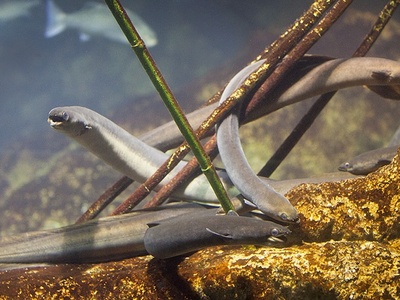
European eel
Migratory, native eel found in rivers, canals and coastal waters. Critically endangered and much reduced from historical levels. Still encountered by anglers and fishers; notable for long seaward migration to the Sargasso Sea to spawn.
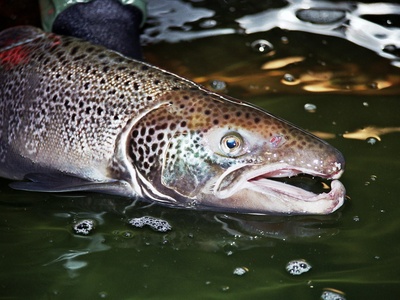
Atlantic salmon
Iconic migratory salmon returning from the North Sea to spawn in rivers. Populations declined but restoration efforts are underway. Seen during upriver runs; prized by anglers and a key conservation focus in Belgium.
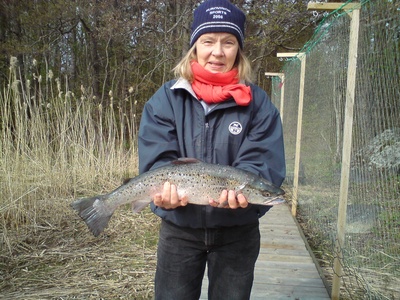
Brown trout
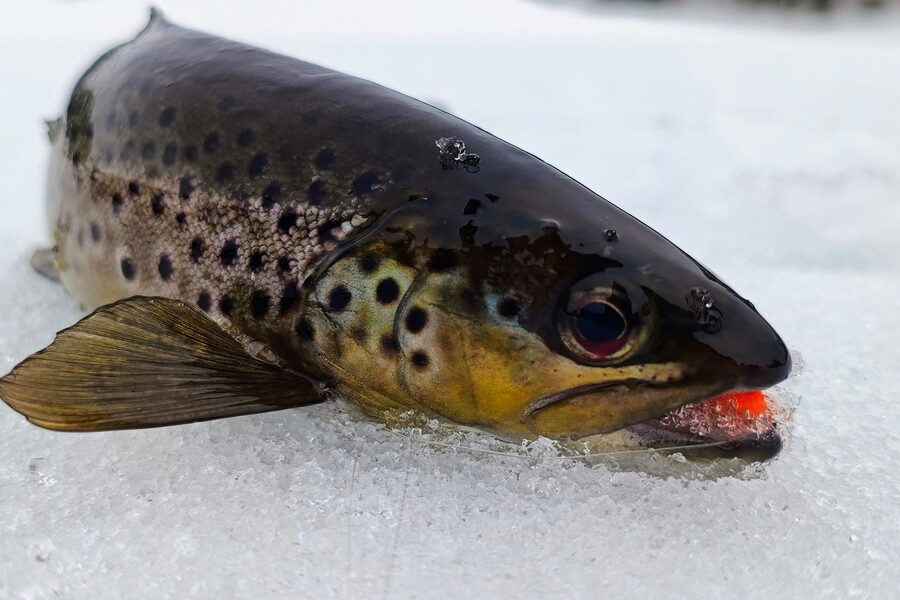
Native trout with resident and migratory (sea trout) forms. Common in clean upland streams and many lakes, especially in the Ardennes. Popular with anglers and an indicator of good water quality.
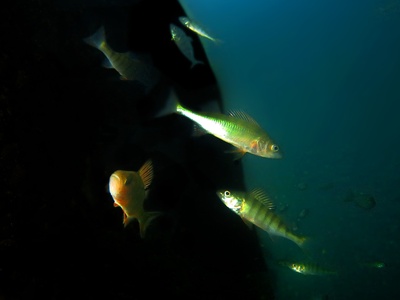
European perch
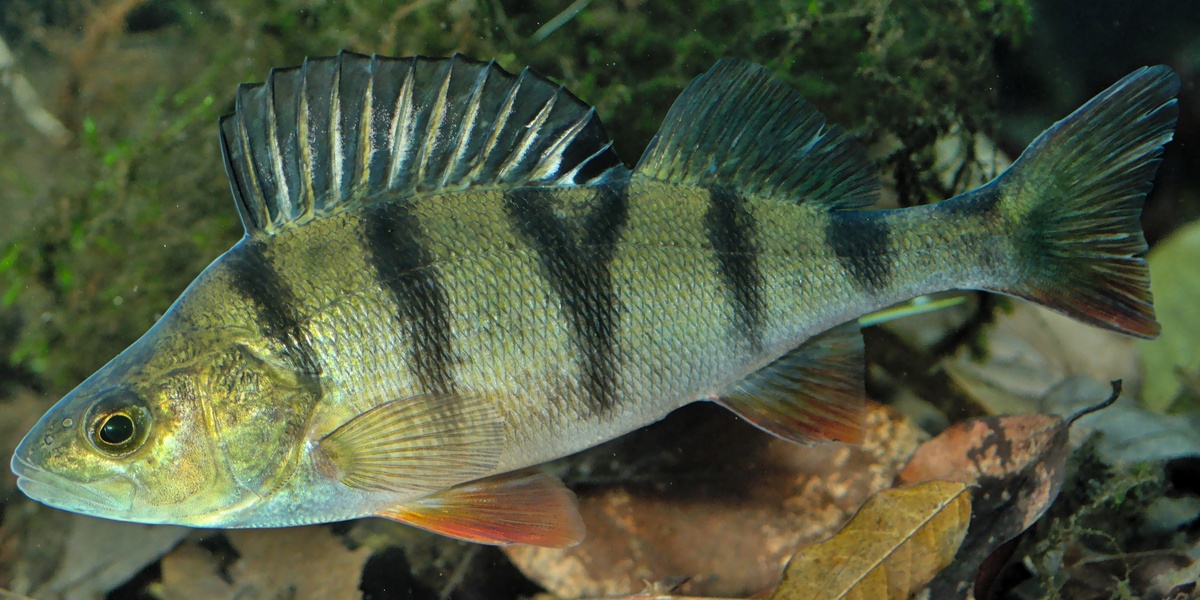
Widespread native predator in rivers, lakes and canals. Very common and popular with anglers for sport fishing. Recognisable by vertical bars and red fins; tolerates a wide range of environmental conditions.

Northern pike
Large native ambush predator common in vegetated lakes and slow rivers. Sought by anglers for its fighting ability and influential in shaping prey fish communities due to predation on smaller species.
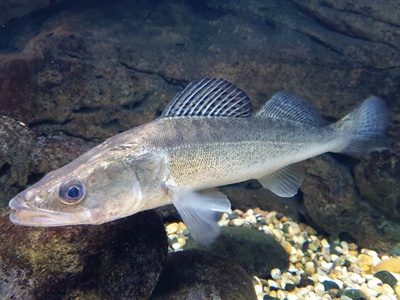
Zander
Introduced but now established in many Belgian waters. Valued sport fish found in deeper lakes, reservoirs and large rivers. Ambush predator that can influence native fish populations where abundant.
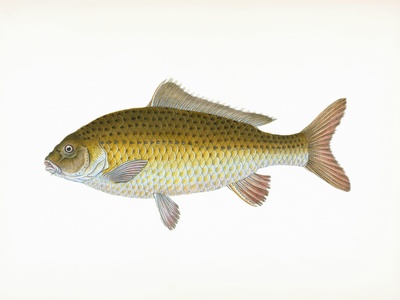
Common carp
Domesticated and feral carp widespread in still waters and ponds. Frequently stocked for fisheries and angling; tolerant of warm, turbid water and often abundant where present.
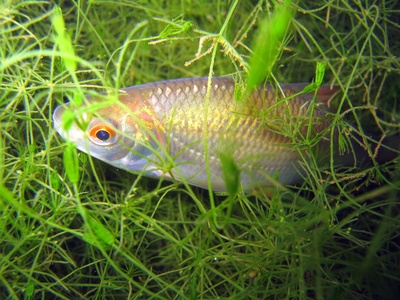
Roach
Small schooling native cyprinid common in rivers, lakes and canals. Very tolerant of eutrophic conditions and often abundant, forming a key part of coarse fisheries and predator diets.

Rudd
Native shoaling fish preferring vegetated shallows in lakes and slow rivers. Common and often confused with roach; noted for its red fins and surface-feeding habits.
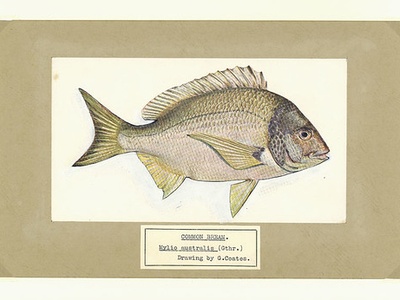
Common bream
Native slow-water species forming large shoals in rivers and lakes. Common in lowland waters and important for coarse angling; tolerates turbid and low-flow environments.
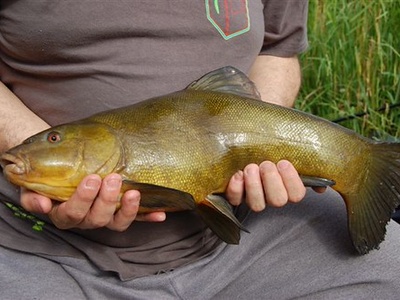
Tench
Secretive native bottom-dweller favoring vegetated lakes and slow rivers. Prized by anglers for its strength; tolerates low oxygen and often hides among dense aquatic plants.
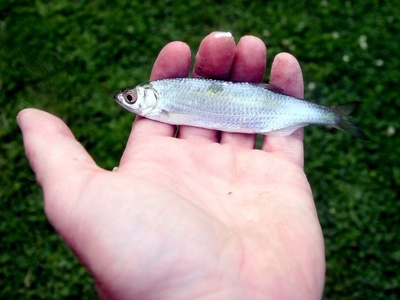
Bleak
Small, abundant schooling native fish of nutrient-rich waters. Important prey species for larger predators and commonly seen near surface feeding on insects.
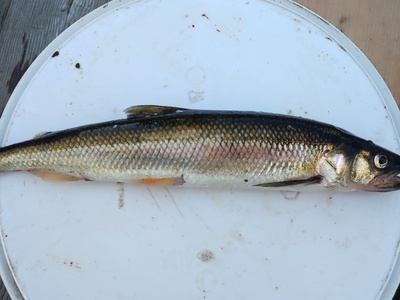
European smelt
Small migratory fish that enters estuaries to spawn. Regular in the Scheldt estuary and nearby coastal waters; valued as bait and an indicator of brackish spawning habitat.
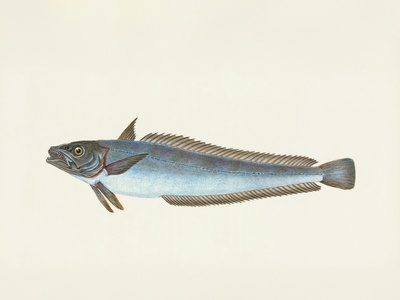
Atlantic herring
Pelagic schooling fish that forms large shoals offshore. Historically important for fisheries; seasonally common off the Belgian coast and key prey for many marine predators.

Sprat
Small schooling pelagic fish abundant seasonally in coastal North Sea waters. Important forage fish for larger species and seabirds; commonly caught by commercial fisheries.
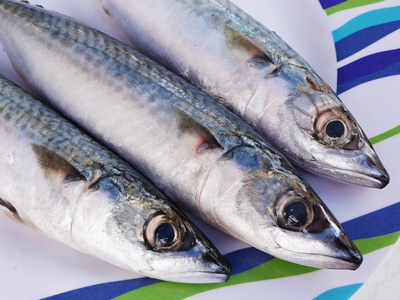
Atlantic mackerel
Migratory pelagic species arriving in summer months to feed and spawn. Forms dense shoals, popular with recreational anglers and visually obvious when surface-feeding nearshore.
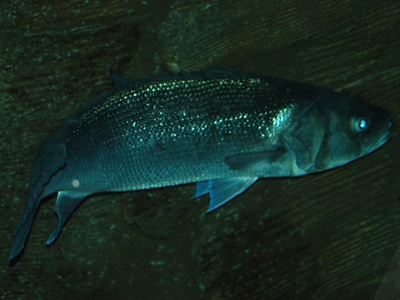
European seabass
Native migratory species frequenting estuaries and shallow coastal waters. Valued by recreational and commercial fishers; often encountered in tidal estuaries and nearshore waters.
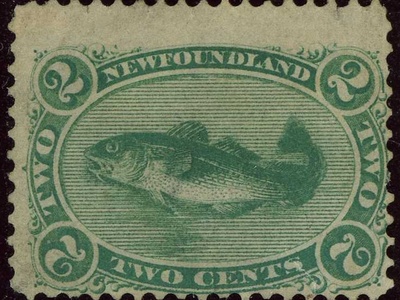
Atlantic cod
Historically important commercial fish that now occurs less frequently. Occasional individuals appear in Belgian North Sea waters; notable for dramatic historical population declines.
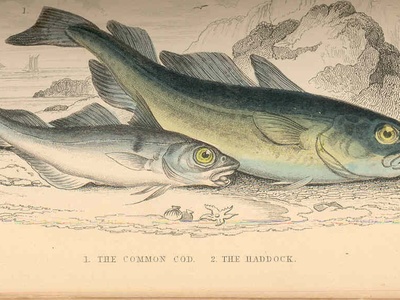
Haddock
Demersal gadoid present on the North Sea shelf. Less common inshore but occurs offshore; recognised by its dark lateral blotch and targeted in deeper trawl fisheries.
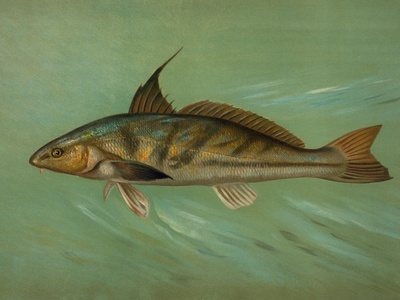
Whiting
Small gadoid common in North Sea coastal shelves. Important in commercial and recreational catches and a frequent bycatch of trawlers working Belgian waters.
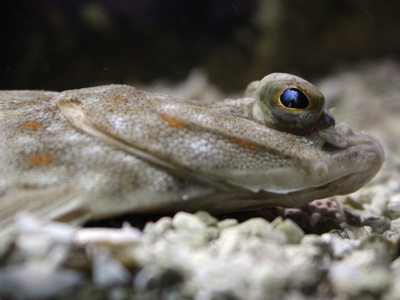
European plaice
Flatfish preferring sandy seabeds, common off the Flemish coast. Important commercial species and easy to spot by orange spots on the upper side.
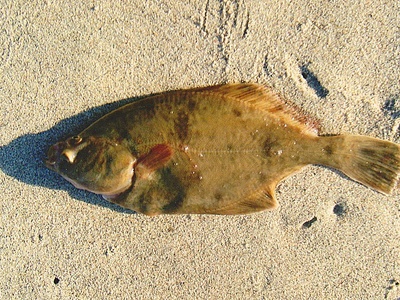
European flounder
Brackish-tolerant flatfish found in estuaries, sheltered bays and lower river reaches. Common and adaptable, often moving between marine and brackish habitats.
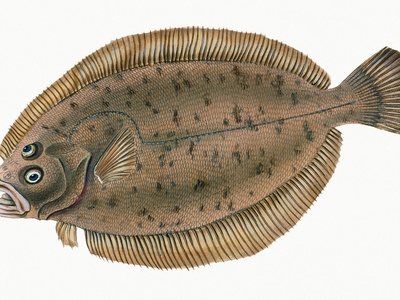
Common dab
Flatfish common on the seabed in North Sea waters. Frequently caught by trawlers and anglers and abundant on soft bottoms nearshore.
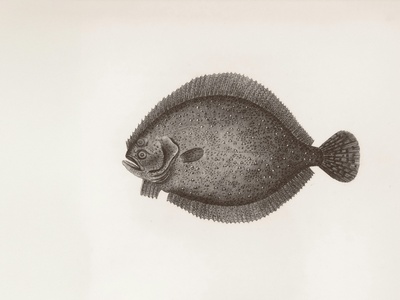
Turbot
Large, prized flatfish occurring on sandy and mixed grounds. Less common than plaice but present off the Belgian coast and highly valued as a food fish.
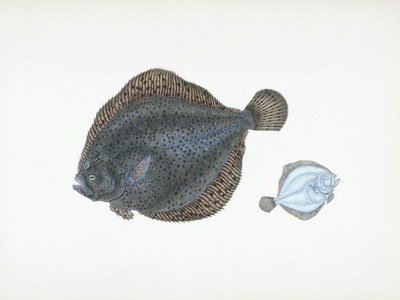
Brill
Slimmer relative of turbot found on mixed seabeds and sandy patches. Occurs offshore and near coasts, occasionally landed and respected for its table quality.
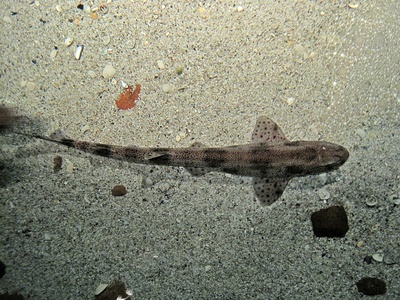
Small-spotted catshark
Small, bottom-dwelling shark common on the North Sea seabed. Harmless to people and often caught as bycatch; notable for its spotted pattern and nocturnal habits.
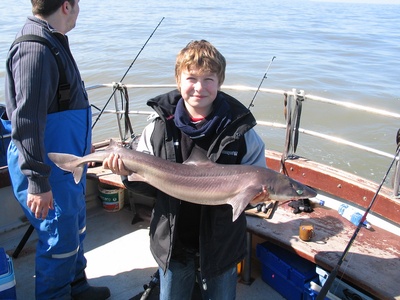
Spurdog
Small shark species once common but now much reduced in many areas. Present in the North Sea and of conservation concern due to slow growth and past overfishing.
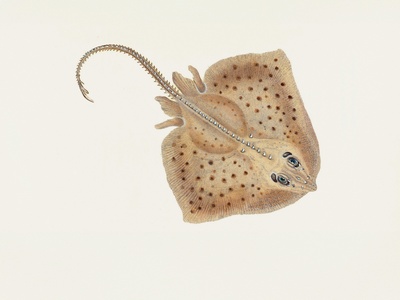
Thornback ray
Common ray on sandy and gravel bottoms near coasts and estuaries. Frequently encountered by anglers and trawlers; notable for its diamond shape and thorny back in adults.
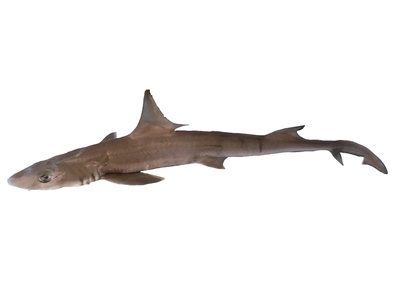
Smooth-hound
Inshore shark found near coasts and estuaries, often in shallow sandy areas. Generally harmless and occasionally landed; presence indicates healthy benthic prey populations.
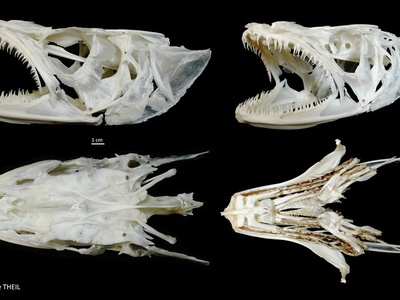
European hake
Demersal predator of deeper coastal waters and the continental shelf. Present in southern North Sea areas and targeted by fisheries for its firm white flesh.
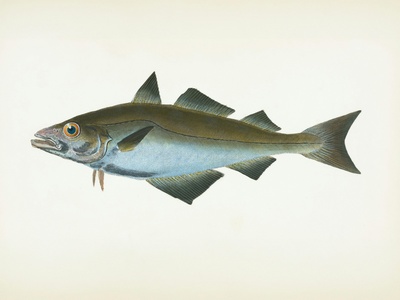
Pollack
Coastal gadoid frequenting reefs, wrecks and rocky substrate. Valued by anglers and often found near structural habitats off the Belgian coast.
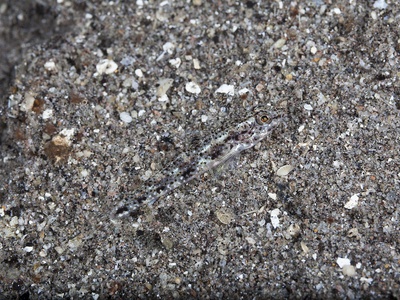
Sand goby
Small goby common in shallow sandy and muddy habitats. Abundant in estuaries and sheltered bays and an important prey item for larger fishes and wading birds.
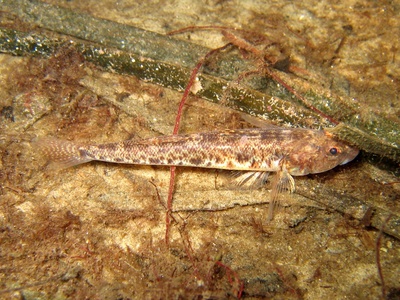
Common goby
Tiny brackish-water goby found in creeks, estuaries and salt marsh channels. Extremely common and often overlooked due to small size but abundant where suitable habitat exists.
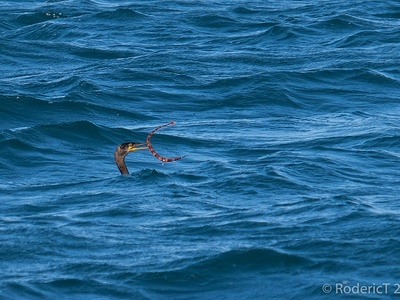
Greater pipefish
Long, slender pipefish living in seagrass beds and sheltered bays. Native and dependent on vegetated coastal habitats; males carry eggs and it’s an indicator of habitat quality.
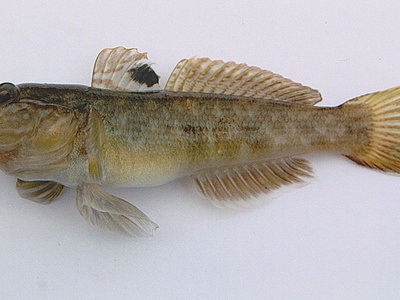
Round goby
Invasive Ponto-Caspian goby established in some Belgian waterways. Aggressive and competitive, it alters local ecosystems and has spread rapidly where conditions allow.
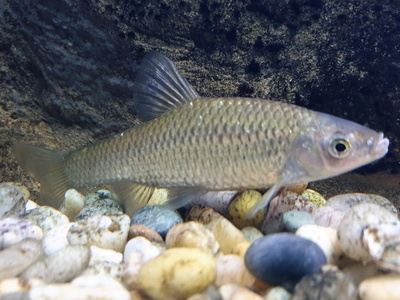
Topmouth gudgeon
Invasive small cyprinid recorded in Belgian waters. Rapid reproducer and strong competitor to native small fish; considered a conservation threat where established.

Mosquitofish
Introduced to control mosquitoes and now found in some warm urban waters. Small, hardy and occasionally established; can compete with native small fish and affect invertebrate communities.
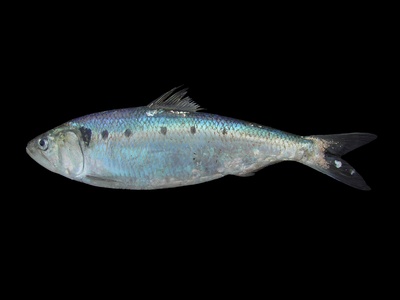
Twaite shad
Migratory clupeid entering estuaries and rivers to spawn. Regular visitor to southern North Sea and Scheldt estuary; notable for historic importance and seasonal runs into rivers.
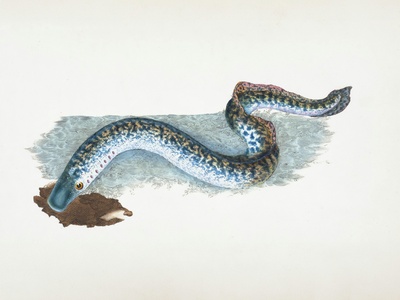
Sea lamprey
Large migratory lamprey using both sea and rivers. Occurs in estuaries and sometimes ascends rivers; parasitic in marine phase and of conservation and cultural interest.
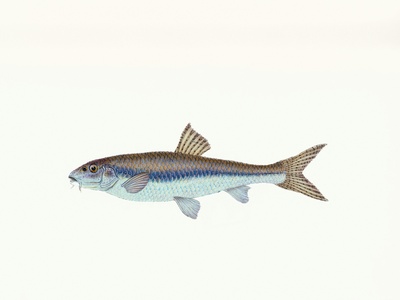
Gudgeon
Small native bottom-dweller common on gravel and sand substrates in rivers and streams. Often abundant and a favourite prey for larger predatory fish.
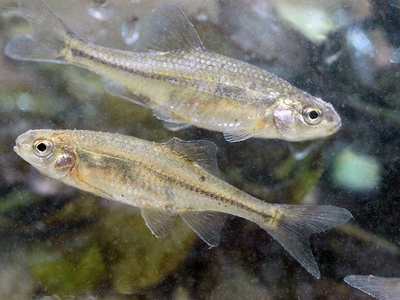
Chub
Large native cyprinid common in medium to large rivers, especially Meuse tributaries. Omnivorous and sociable, frequently caught by coarse anglers and notable for robust body shape.
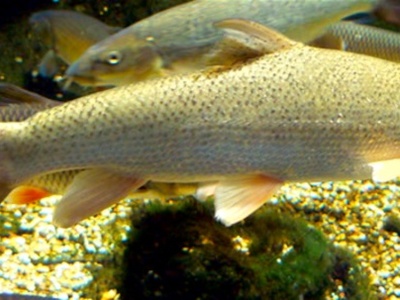
Barbel
Rheophilic native preferring faster-flowing gravel-bottom rivers. Present in the Meuse and larger streams; valued by anglers and indicative of good riverine habitats.
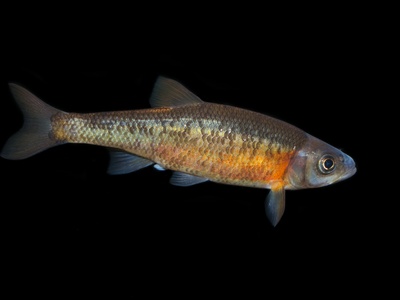
Dace
Small native cyprinid forming shoals in faster-flowing river sections. Common in suitable riffles and runs, and an important prey species for predatory fish.

Garfish
Long slender surface fish visiting coastal waters in summer. Seasonal visitor often seen nearshore; notable for its elongated jaw and surface-feeding behaviour.