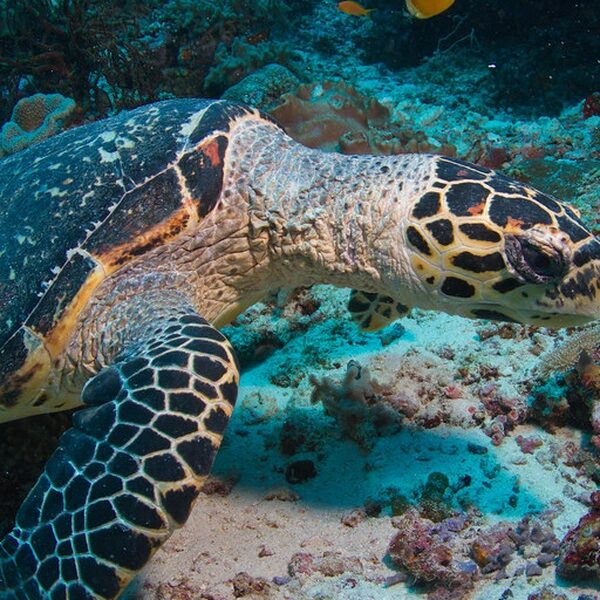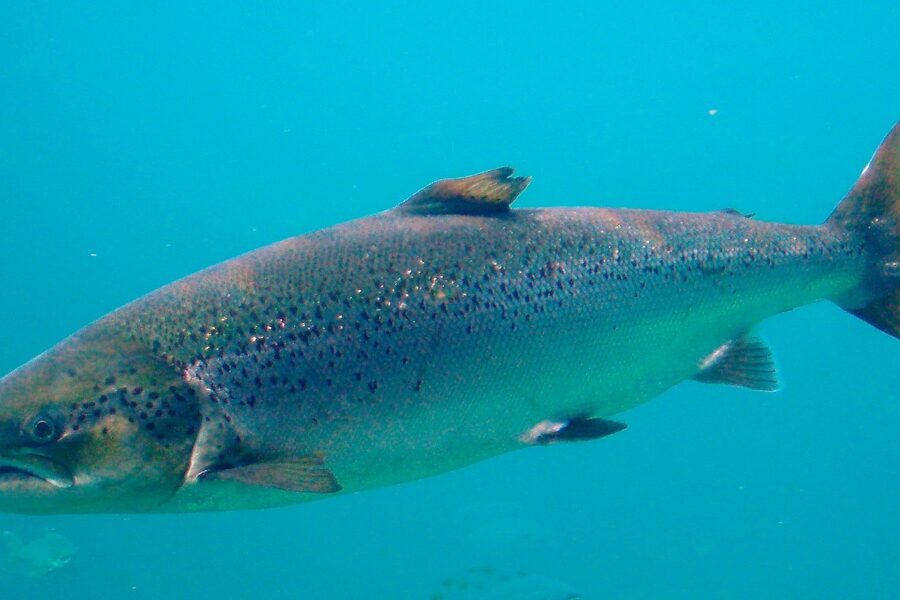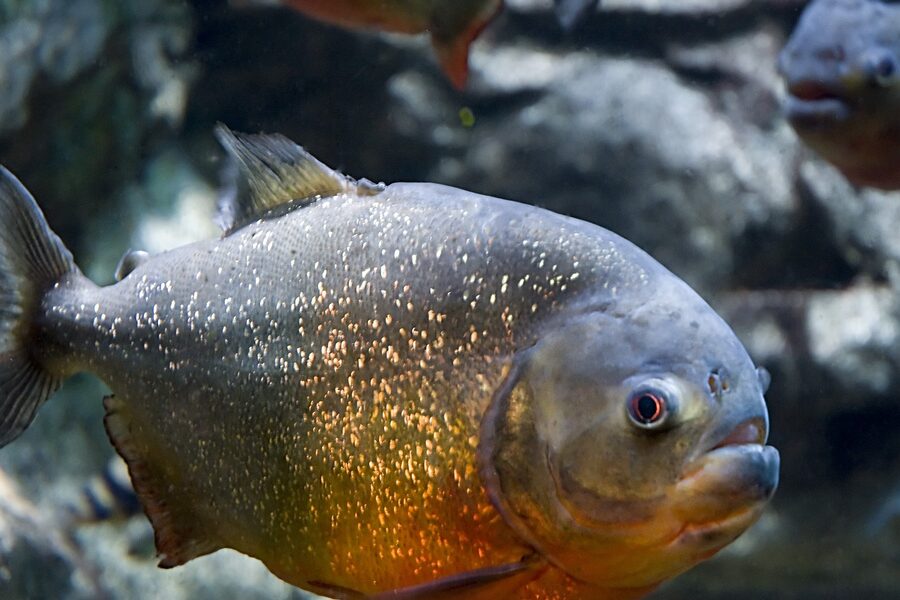
Thailand’s coasts, rivers and mangroves support a rich mix of freshwater and marine life; from tidal flats to coral reefs, local fishermen and snorkelers encounter species year-round. A short field guide can make outings more rewarding and help you spot key identification features quickly.
There are 40 Fish of Thailand, ranging from Archerfish to Whitespotted puffer; for each species the details—Scientific name,Thai range and habitat,Size (cm)—are listed, and you’ll find below.
How can I quickly identify common fish while snorkeling or fishing?
Look for habitat, body shape, distinctive markings and approximate size first; color can change with light so focus on patterns (bars, spots), fin shapes and behavior (schools, bottom-dwelling, surface feeders). Carry a waterproof ID card or use a field app to cross-check local names and photos, and take a quick photo to confirm later.
Where in Thailand are you most likely to see a wide variety of native fish?
Visit a mix of habitats: coral reefs (Similan/Surin islands) for reef species, mangroves and estuaries (Phang Nga, Trang) for juvenile and brackish species, and clear rivers or reservoirs inland for freshwater varieties. Protected areas and marine parks generally offer the best chances for diverse sightings.
Fish of Thailand
| Name | Scientific name | Thai range and habitat | Size (cm) |
|---|---|---|---|
| Barramundi | Lates calcarifer | Andaman Sea,Gulf,estuaries,rivers | 120 |
| Giant grouper | Epinephelus lanceolatus | Coral reefs,southern Andaman,Gulf | 270 |
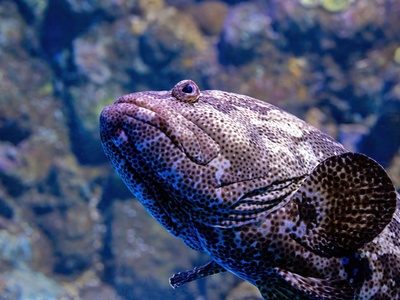
| Brown-marbled grouper | Epinephelus fuscoguttatus | Reefs,Andaman,Gulf | 125 |
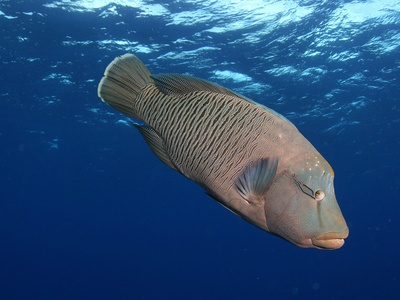
| Napoleon wrasse | Cheilinus undulatus | Coral reefs,Andaman,Gulf | 240 |
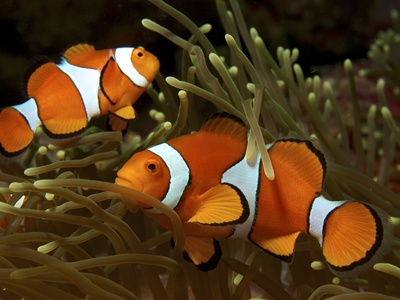
| Clownfish | Amphiprion ocellaris | Reefs,Andaman,Gulf | 11 |
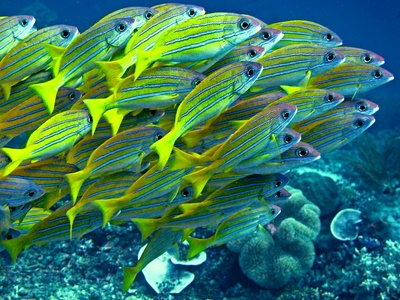
| Blue-lined snapper | Lutjanus kasmira | Reefs,Gulf,Andaman | 35 |
| Mangrove jack | Lutjanus argentimaculatus | Mangroves,estuaries,reefs | 120 |
| Archerfish | Toxotes jaculatrix | Mangroves,estuaries,rivers | 40 |
| Mekong giant catfish | Pangasianodon gigas | Mekong Basin,northeast rivers | 300 |
| Iridescent shark | Pangasianodon hypophthalmus | Lower Mekong,rivers,reservoirs | 130 |
| Asian arowana | Scleropages formosus | Swamps,slow rivers,central/southern Thailand | 90 |
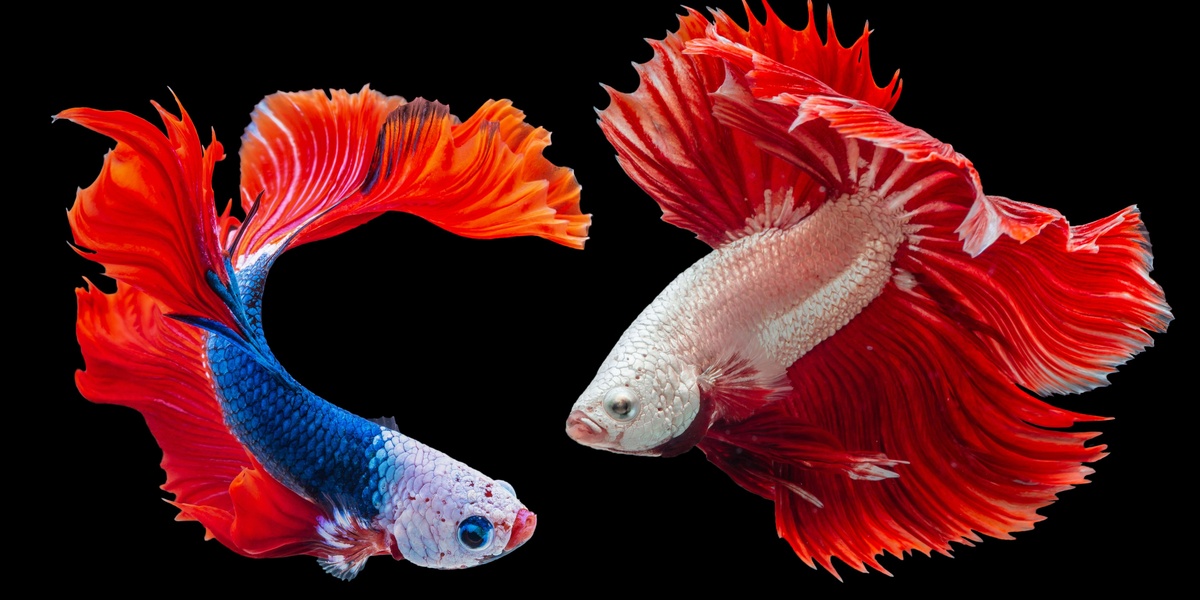
| Siamese fighting fish | Betta splendens | Central plains,ponds,rice fields | 6 |
| Walking catfish | Clarias batrachus | Canals,paddies,rivers | 50 |
| Bighead catfish | Clarias macrocephalus | Rivers,lakes,ponds | 60 |
| Giant gourami | Osphronemus goramy | Rivers,swamps,lowland reservoirs | 70 |
| Common carp | Cyprinus carpio | Ponds,rivers,introduced,widespread | 100 |
| Striped snakehead | Channa striata | Rivers,ponds,rice fields,coastal plains | 90 |
| Giant snakehead | Channa micropeltes | Lowland rivers,lakes,reservoirs | 120 |
| Whale shark | Rhincodon typus | Offshore,Andaman,Gulf,seasonal | 1,200 |
| Blacktip reef shark | Carcharhinus melanopterus | Reefs,coastal shallows,Andaman,Gulf | 180 |
| Bull shark | Carcharhinus leucas | Coastal rivers,estuaries,Gulf | 350 |
| Reef manta | Mobula alfredi | Andaman,Gulf,reef cleaning stations | 550 |
| Bumphead parrotfish | Bolbometopon muricatum | Coral reefs,Andaman,Gulf | 130 |
| Moorish idol | Zanclus cornutus | Reefs,Andaman,Gulf | 23 |
| Lionfish | Pterois volitans | Reefs,Andaman,Gulf | 38 |
| Giant trevally | Caranx ignobilis | Reefs,coastal waters,Andaman,Gulf | 170 |
| Great barracuda | Sphyraena barracuda | Coastal reefs,open water,Gulf,Andaman | 150 |
| Bluefin trevally | Caranx melampygus | Reefs,lagoon slopes,Andaman,Gulf | 80 |
| Flathead | Platycephalus indicus | Sandy bottoms,estuaries,coastal shallows | 120 |
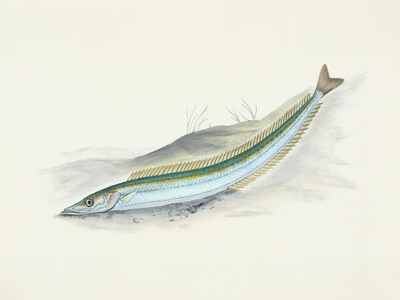
| Threadfin | Eleutheronema tetradactylum | Coastal waters,estuaries,Andaman,Gulf | 150 |
| Spotted scat | Scatophagus argus | Mangroves,estuaries,coastal bays | 35 |
| Milkfish | Chanos chanos | Coastal lagoons,estuaries,Gulf,Andaman | 120 |
| Leopard coral grouper | Plectropomus leopardus | Coral reefs,Andaman,Gulf | 80 |
| Humpback grouper | Cromileptes altivelis | Reefs,coastal islands,Andaman,Gulf | 75 |
| Rabbitfish | Siganus canaliculatus | Seagrass,mangroves,coastal reefs | 40 |
| Seahorse | Hippocampus kuda | Seagrass,mangroves,coastal bays | 17 |
| Stonefish | Synanceia verrucosa | Sandy flats,reef edges,mangroves | 40 |
| Whitespotted puffer | Arothron nigropunctatus | Reefs,coral rubble,Andaman,Gulf | 40 |
| Picasso triggerfish | Rhinecanthus aculeatus | Reefs,rocky areas,Andaman,Gulf | 25 |
| Blue-spotted stingray | Taeniura lymma | Seagrass flats,shallow reefs,coastal bays | 35 |
Images and Descriptions
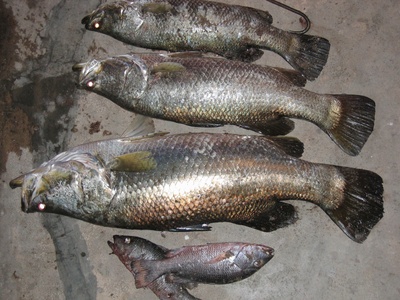
Barramundi
Silvery, elongated predator with a protruding lower jaw; found in estuaries, rivers and coastal waters. Highly valued commercially and in aquaculture; also a gamefish. Populations tolerate variable salinity but face local overfishing and habitat loss concerns.
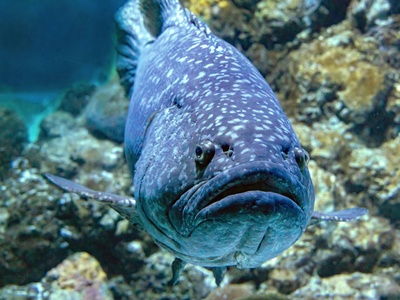
Giant grouper
Massive reef grouper with a bulky body and mottled brown pattern; recognized by large mouth and thick lips. Sought after for food and live-fish trade. Slow-growing and susceptible to overfishing; conservation concern and local protections apply in some areas.
Brown-marbled grouper
Heavily spotted, brownish reef grouper common on coral heads. Popular for food and live reef fish markets. Aggregation-prone biology makes it vulnerable to overfishing; management and size limits recommended where fished.
Napoleon wrasse
Iconic large wrasse with bulbous forehead and vivid green-blue hues; easy to spot on reefs. High-value aquarium and food species historically targeted by fisheries. Threatened by overcollection and slow reproduction; protected status and trade controls apply.
Clownfish
Small orange-and-white anemone-associated fish, unmistakable in shallow reefs. Popular aquarium species and often bred in captivity, reducing wild collection pressure. Found along coral coasts; habitat loss from reef degradation is a local concern.
Blue-lined snapper
Vivid yellow body with blue horizontal stripes; schooling snapper found near reefs and drop-offs. Common in local markets and subsistence catches. Generally abundant but affected by reef decline and overfishing in some areas.
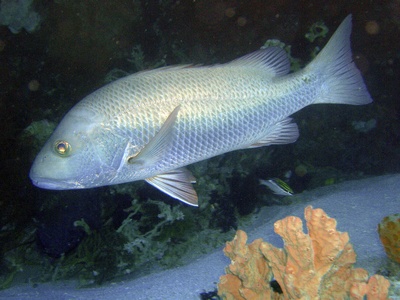
Mangrove jack
Reddish-brown snapper with strong jaws; frequents mangroves and brackish waters before moving to reefs. Prized by anglers and fisheries. Mangrove habitat loss threatens juveniles, making nursery protection important.
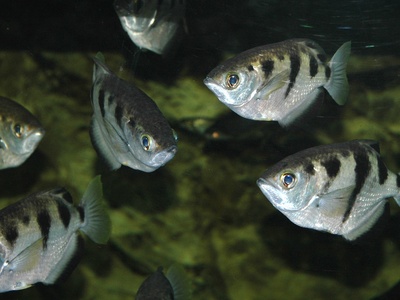
Archerfish
Distinctive silvery fish that shoots water jets to knock insects from foliage; tall, compressed body with dark stripes. Popular for quirky aquarium displays. Lives in brackish and fresh mangrove systems; impacted by habitat modification.
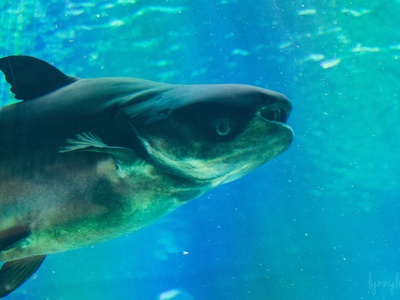
Mekong giant catfish
Enormous scaleless catfish with broad head and flattened body; one of the world’s largest freshwater fish. Historically important food fish but now critically depleted from damming and overfishing; intensive conservation and captive-breeding efforts ongoing.
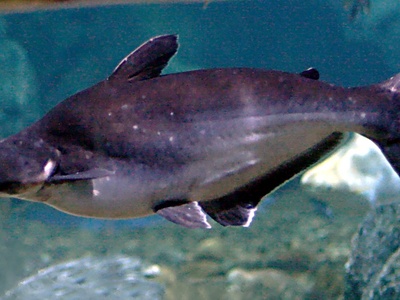
Iridescent shark
Silvery, laterally compressed pangasiid with a rounded head; common in aquaculture and markets. Introduced or farmed populations are widespread. Wild stocks face river alterations and fishing pressure; widely cultivated to meet demand.
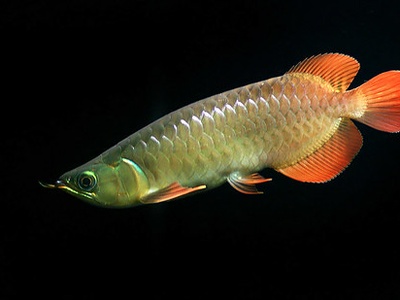
Asian arowana
Long-bodied, metallic-scaled surface predator prized as an ornamental fish with cultural value. Distinctive bony head and large scales. Wild populations are rare and heavily protected; most trade relies on captive-bred specimens.
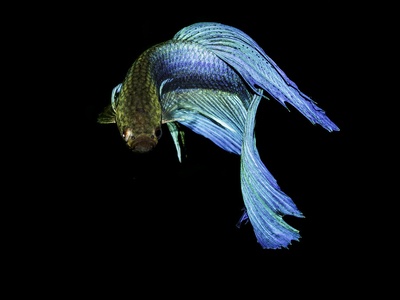
Siamese fighting fish
Small, vibrantly colored labyrinth fish known for territorial males with flowing fins. Native to shallow water and rice paddies; hugely popular aquarium species. Wild habitats are threatened by drainage and pollution despite captive-bred abundance.
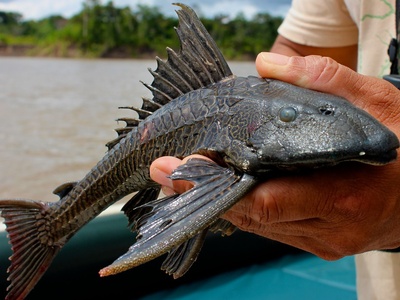
Walking catfish
Elongated catfish with long dorsal fin and spiny leading fin; can breathe air and move overland. A resilient species common in disturbed waters and often used locally for food. Can become a pest in aquaculture and spreads easily.
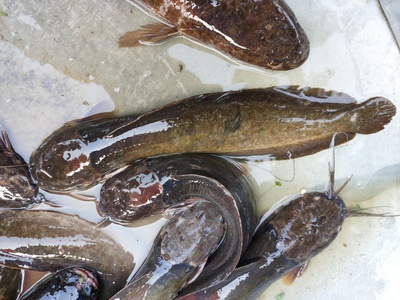
Bighead catfish
Large-headed freshwater catfish with a flattened skull and whiskered mouth. Valued in local fisheries and aquaculture. Native populations have declined in places due to habitat loss and hybridization with introduced species.
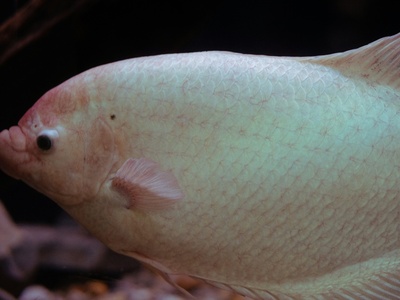
Giant gourami
Large, laterally compressed freshwater fish with thick lips and labyrinth organ; males build bubble nests. Kept in ponds and eaten locally. Susceptible to habitat conversion but commonly farmed and culturally important.
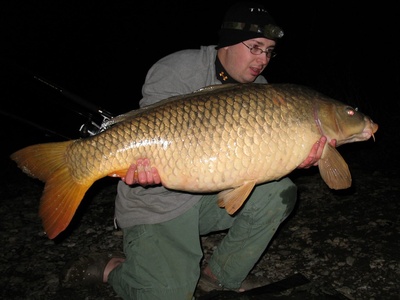
Common carp
Deep-bodied, barb-bearing freshwater fish familiar in ponds and markets; introduced and widely established. Economically important for aquaculture and food. Wild and feral populations can alter freshwater habitats and compete with natives.
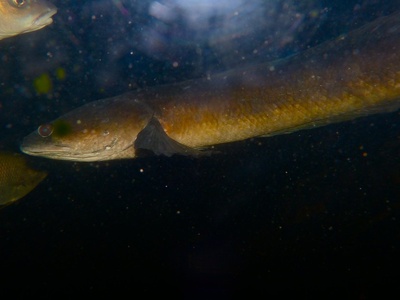
Striped snakehead
Olive to brown elongated predator with vertical bars; common in inland waters and valued as food. Hardy and air-breathing, able to survive in low-oxygen habitats. Overfishing and habitat loss affect local stocks but species remains widespread.
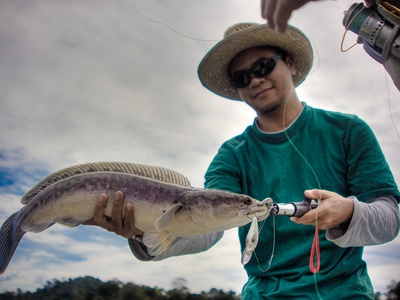
Giant snakehead
Large predatory snakehead with bold lateral stripe and large mouth; top freshwater predator. Popular in markets and sport fishing. Intensive fishing and habitat changes threaten some populations; careful management advised.
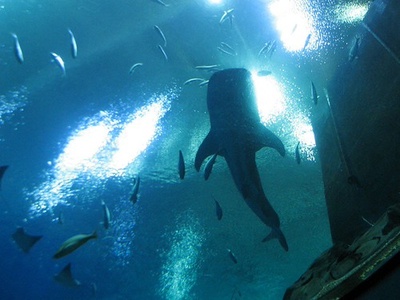
Whale shark
Gentle giant filter-feeder with broad flattened head and white-spot pattern; often seen seasonally near plankton blooms. Charismatic ecotourism draw and strictly protected in Thailand. Threats include boat strikes and entanglement.
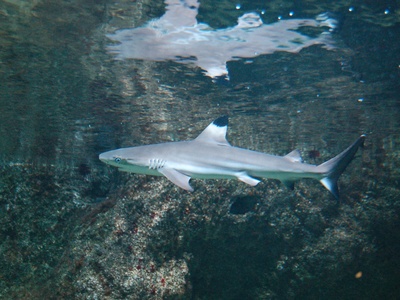
Blacktip reef shark
Slender reef shark with black tips on fins, common in shallow reefs and lagoons. Frequently encountered by snorkelers and divers. Locally fished but generally common; sensitive to reef degradation and coastal development.
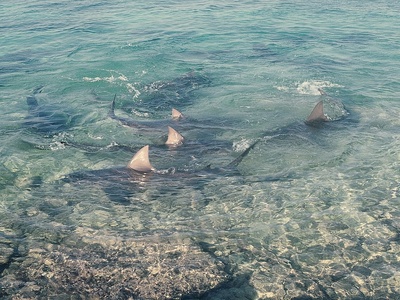
Bull shark
Robust shark with blunt snout that tolerates fresh water; occurs in estuaries and some rivers. Fished in coastal fisheries and occasionally enters rivers. Vulnerable to habitat alteration and overfishing in coastal areas.
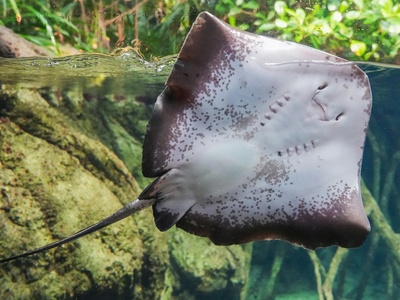
Reef manta
Large, winged filter-feeder with dark dorsal surface and white belly; visits reef cleaning stations. Highly valued for dive tourism and protected in many areas. Slow reproduction makes populations vulnerable to disturbance and bycatch.
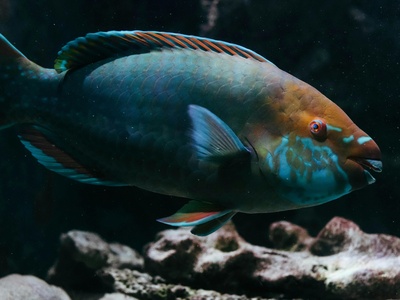
Bumphead parrotfish
Massive parrotfish with a pronounced forehead and large beak-like teeth; scrapes coral for algae. Important reef engineer but slow-growing and targeted by fisheries. Populations declining on many reefs due to heavy fishing.
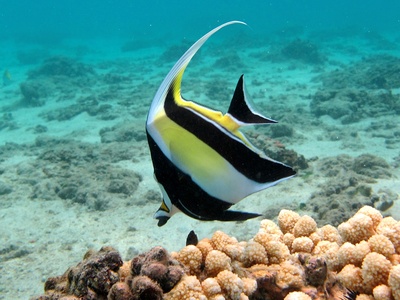
Moorish idol
Distinctive black-white-yellow compressed fish with long dorsal filament; hard to keep in aquaria. Frequently spotted on reefs and reef flats. Not heavily targeted commercially but reliant on healthy coral habitats.
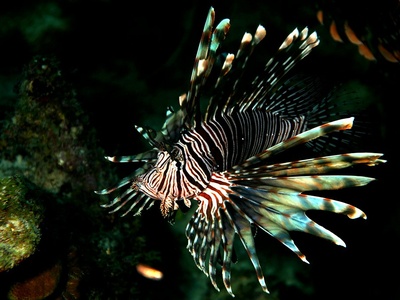
Lionfish
Showy venomous spines and striped body make this reef predator unmistakable. Occurs on coral reefs and rocky areas. Not a conservation concern locally (native range) but poses predation pressure where introduced elsewhere; handled carefully due to venom.
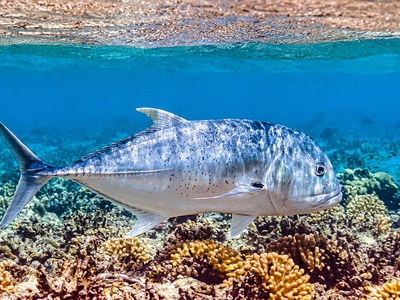
Giant trevally
Powerful silvery predator known to ambush prey near reefs and shorelines; prized by sport fishermen. Distinctive strong build and blunt forehead. Overfished in some areas; important for recreational fisheries and local markets.
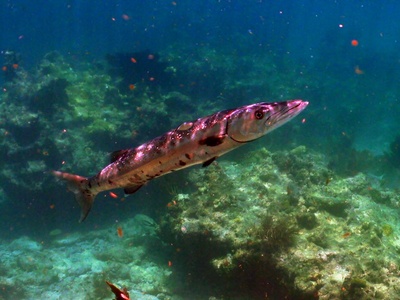
Great barracuda
Long, torpedo-shaped predator with pointed teeth and silvery body; often patrols near reefs. Popular gamefish and consumed locally. Bioaccumulation concerns (ciguatera) can affect edibility in large specimens.
Bluefin trevally
Dark-blue to silvery trevally with concave head profile; forms schools near reefs. Valued for food and sport. Populations can be pressured by artisanal and line fisheries around islands.

Flathead
Bottom-dwelling ambush predator with a flattened head and camouflaged pattern; common on sand flats and estuaries. Good table fish and caught by trawls and lines. Habitat disturbance and trawling affect local stocks.
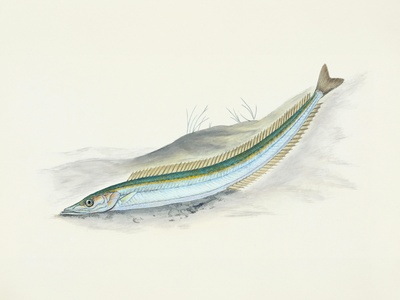
Threadfin
Silvery fish with long pectoral filaments used to sense prey; frequents shallow coastal and estuarine habitats. Important in coastal fisheries. Susceptible to overfishing and juvenile habitat loss in estuaries.
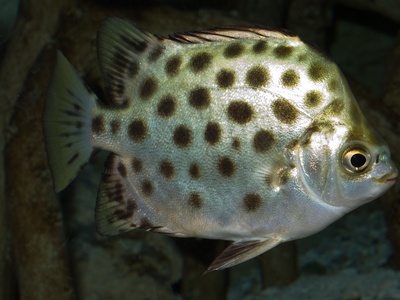
Spotted scat
Round-bodied, silvery fish with irregular spots; common in brackish waters and easily kept in aquaria by hobbyists. Eaten locally in some regions. Dependent on healthy mangrove nurseries and coastal water quality.
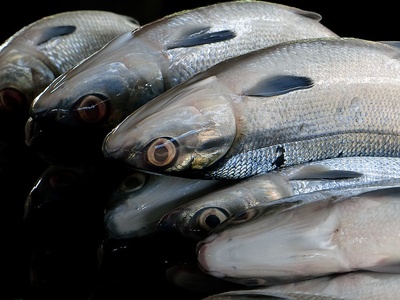
Milkfish
Slender, silvery schooling fish important in aquaculture and traditional fisheries (bangus). Juveniles use coastal flats and lagoons as nurseries. Widely farmed, so wild pressure is reduced in many places though habitat loss impacts juveniles.
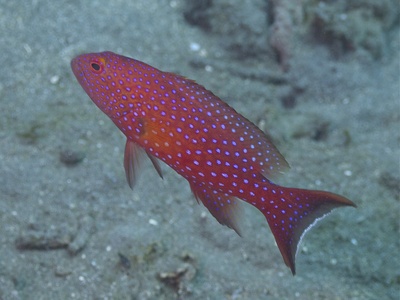
Leopard coral grouper
Attractive red-spotted pattern on pale body; reef-associated predator targeted by live reef fish trade. Prized for food and high-value markets. Vulnerable where heavily fished due to small home ranges and site fidelity.
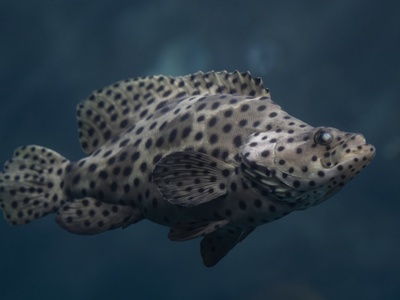
Humpback grouper
Rounded-bodied grouper with pale background and brown spots; juvenile patterning very distinctive. Popular in the aquarium trade and for food. Slow growth and demand have reduced wild numbers in some areas.
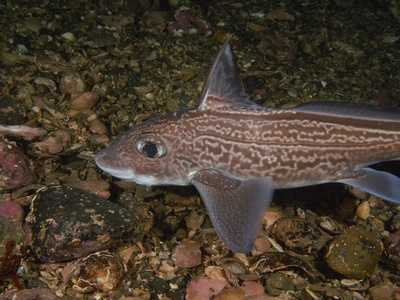
Rabbitfish
Laterally compressed herbivorous fish with a small mouth and spine-bearing fins; often forms schools over seagrass. Important for local fisheries and plays a role in seagrass ecology. Sensitive to habitat degradation.
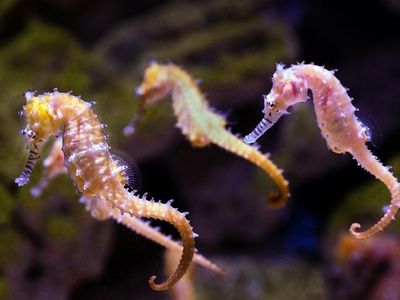
Seahorse
Small, upright-swimming fish with a prehensile tail and horse-like head; often seagrass- or mangrove-associated. Collected for curios and traditional medicine; protected in many areas and vulnerable to habitat loss.
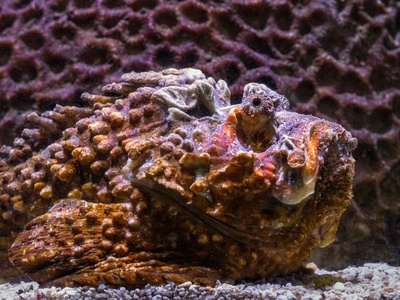
Stonefish
Well-camouflaged, warty venomous fish that blends into substrate; dangerous if stepped on. Not commonly eaten but sometimes caught. Dependent on coastal habitats; human encounters can be medically serious.
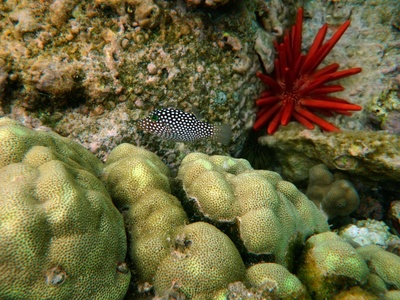
Whitespotted puffer
Large puffer with rounded body and white spots; inflates when threatened and contains tetrodotoxin. Occasionally collected for food in some cultures but dangerous if improperly prepared. Reef health supports their populations.
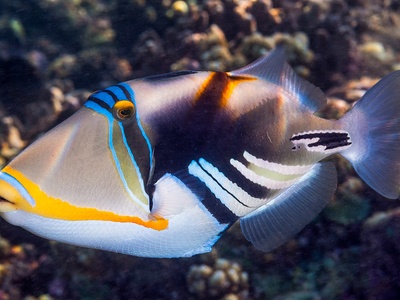
Picasso triggerfish
Colorful triggerfish with bold diagonal stripes and a compact body; common on shallow reefs. Territorial but not a major fishery species. Relies on coral reef habitats and is sensitive to reef degradation.
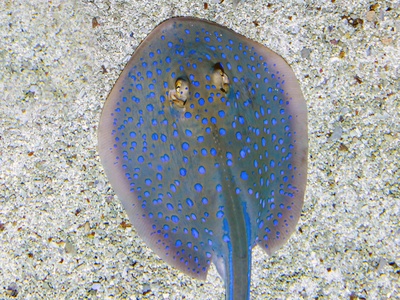
Blue-spotted stingray
Rounded ray with bright blue spots and short tail; often buried on sandy bottoms. Popular with divers but vulnerable to bycatch and habitat loss. Should be admired but not disturbed in the wild.