A single mountain ridge in the Armenian Highlands can host dozens of plant species found nowhere else on Earth. That concentrated uniqueness is what makes the region’s wild plants both fascinating and fragile: high ridges, isolated valleys and varied soils have produced a suite of endemics with narrow ranges, specialized roles in their ecosystems, and deep cultural ties to nearby villages. The flora of Armenia includes spring bulbs that carpet alpine meadows, cushion plants clinging to near-summit rock, and salt-tolerant specialists in lowland basins—each species playing a part in pollinator food webs, soil stability, or local traditions.
Understanding these plants matters because losing one endemic is losing an evolutionary story you can’t find elsewhere. Many of these species are indicators of intact habitats and carry uses in medicine, craft, or local foodways. At the same time they face pressure from grazing, land conversion, and climate shifts that alter the narrow windows when they grow and reproduce.
Below are ten representative endemic plants and plant groups from Armenian mountains, steppes, and cultural landscapes, with notes on where they grow, how people use them, and what conservation status reveals about regional biodiversity.
Mountain and Alpine Endemics
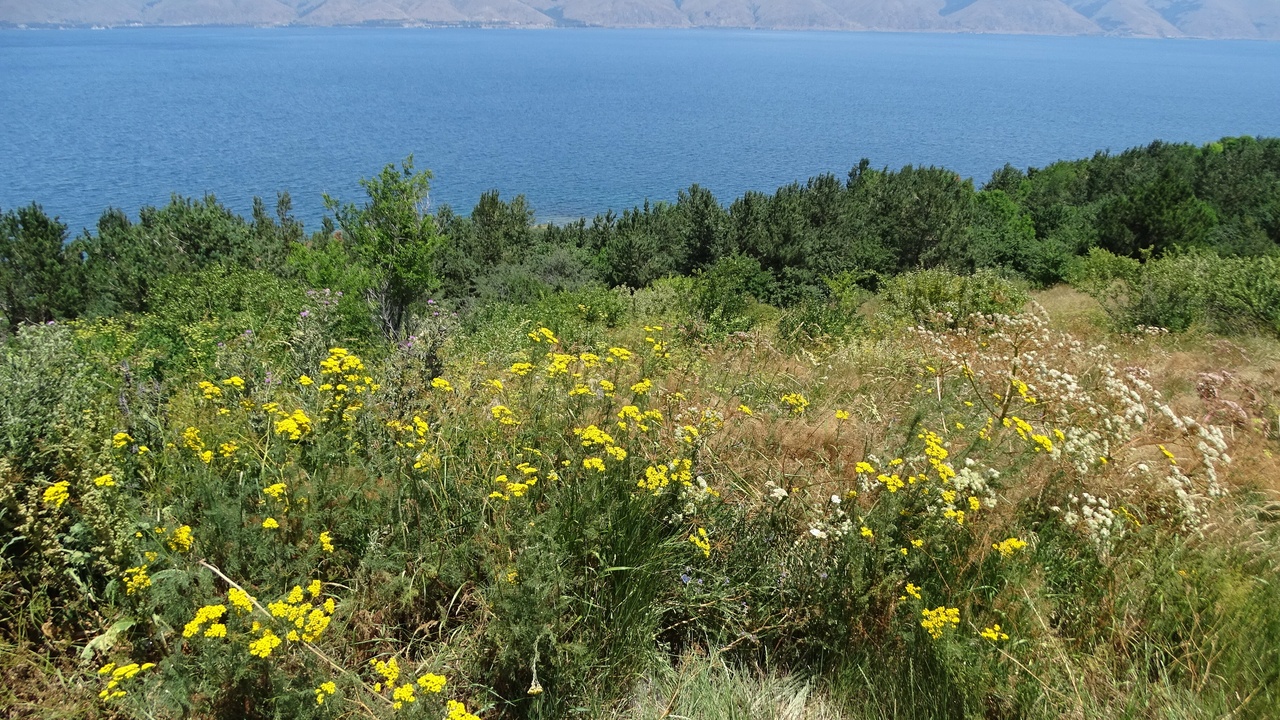
Armenia’s high country ranges from montane grasslands around 1,200–1,800 m to alpine meadows and rocky scree above 2,000 m, with subnival zones approaching local summits above 2,700–3,200 m. These elevation bands create sharply different microclimates over short distances: south-facing scree warms quickly in spring, while nearby north-facing ledges stay frozen longer. Isolation by altitude and the patchwork of habitats produce locally endemic species adapted to particular soils, snowmelt timing, and pollinators.
Alpine endemics in Armenia typically occur between about 1,400 and 3,200 meters. For example, many spring-blooming bulb species are most abundant at 1,400–2,600 m, while true subnival specialists live above 2,700–3,000 m. Flowering windows are short: spring bulbs and early alpines bloom from March through May at lower alpine sites and from June into July at the highest meadows.
These plants face several conservation pressures. Livestock grazing and trampling reduce flowering and seed set, summer hiking concentrates impacts on popular ridgelines, and warming shortens snow cover that cushions plants from winter extremes. Because many populations are small and spatially isolated, local extirpation can be irreversible without targeted measures.
1. Bulbous tulips and other spring-blooming alpines (example species — verify Latin name)
Bulbous tulips native to the Armenian Highlands appear in open alpine meadows and grassy scree, often between 1,400 and 2,600 m elevation. Peak flowering usually falls in April and May at mid-elevations, shifting later at higher sites.
Individual tulip patches can range from a few square meters to larger carpets on favorable slopes, providing an early-season nectar source for bumblebees and solitary bees. Local collectors have long prized showy bulbs for ornamental planting, which has reduced some wild stands; botanical gardens and seed collections play a role in ex-situ conservation.
2. Bulbous Fritillaria and related endemic lilies (example species — verify Latin name)
Bulbous fritillaries and lily relatives occur on rocky slopes and in moist microdepressions at alpine and subalpine elevations. Many are insect-pollinated and restricted to a handful of mountain slopes or valley heads, making their overall distribution highly localized.
Threats include collection for gardens, grazing that disturbs bulbs, and habitat loss from occasional road-building and quarrying. Conservation responses combine protected-area coverage, documentation in herbaria (for example regional records in GBIF and national collections), and propagation trials in botanical gardens to reduce pressure on wild populations.
3. Alpine saxifrages, primulas or thyme-group endemics (example species — verify Latin name)
Small perennial cushions and rosettes of saxifrages and primulas cling to rock crevices and talus slopes, typically between 2,000 and 2,900 m. These microhabitats favor endemism because seeds disperse short distances and plants adapt to precise moisture and substrate conditions.
Typical colonies can be just a few tens of centimeters across, though patch sizes vary with slope and substrate. Reproductive traits—low seed dispersal, long-lived clonal growth—mean colonies persist locally but rarely expand into new terrain, which helps explain high local uniqueness.
4. Subnival specialists (tiny rosettes and cushion plants)
Subnival plants occur above roughly 2,700–3,000 m where growing seasons are extremely short. Many are cushions or low rosettes with leaves typically under a few centimeters long and individual cushions often less than 30–50 cm across.
Adaptations include compact growth forms, small tough leaves, hairy surfaces to reduce water loss, and the ability to photosynthesize at low temperatures. Those specializations make subnival species very vulnerable to climate warming: as temperatures rise, competitors move upslope and microhabitats shrink.
Steppe, Semi-Desert, and Lowland Endemics
Armenia’s lowlands and intermontane basins host steppe and semi-desert habitats characterized by alkaline or gypsum-rich soils, hot dry summers, and winter–spring rainfall. Soils range from fertile alluvial terraces to thin, salty flats where only specially adapted plants can survive.
Edaphic factors—soil chemistry, depth, and texture—drive endemism here. Gypsum and saline soils form narrow ribbons of habitat that support unique specialists, while isolated patches of steppe separated by agriculture act like islands for rare bulb and shrub species.
Human land use is intense in lowlands: conversion to cropland, irrigation projects, and heavy grazing reduce intact steppe. Protected areas are often focused on higher-elevation sites, leaving lowland endemics underrepresented in reserves and conservation planning.
The three examples below illustrate bulbous steppe endemics, soil-specialists, and woody plants that define lowland biodiversity and face strong land-use pressure.
5. Steppe bulb or Allium endemics (example species — verify Latin name)
Several Allium species and related steppe bulbs are confined to dry grasslands and rocky steppe terraces at elevations roughly between 600 and 1,800 m. Flowering usually occurs in spring, commonly April–May depending on rainfall.
Historically some have been used locally as food or medicine—young bulbs and shoots eaten or used in traditional remedies. Many are known from a limited number of localities; herbarium and GBIF records help quantify distribution and identify populations inside or outside protected areas.
6. Gypsum and salt-tolerant specialists (example species — verify Latin name)
Gypsum outcrops and saline flats in Armenian basins support narrowly endemic species that tolerate, and often require, high soil sulfate or sodium content. These specialists occur in highly localized patches where percent cover can be dominated by a few such taxa.
Because their habitat strips are narrow, any disturbance—roadwork, land reclamation, or intensive grazing—can eliminate whole populations. Conservation measures include mapping edaphic habitats, in-situ protection of key outcrops, and seed banking for restoration trials.
7. Lowland shrubs and woody endemics (example species — verify Latin name)
Small shrubs and woody perennials in lowland zones help stabilize soils, provide forage, and create microhabitats for insects and birds. Many are restricted to particular soil types or fragmented riparian strips and occur in a few scattered populations across tens of kilometers.
Primary threats are land conversion to cropland, irrigation change that alters groundwater, and heavy browsing. Local conservation assessments, including entries in the national Red Data Book, are key to prioritizing areas where habitat protection would benefit multiple lowland endemics.
Medicinal, Cultural and Conservation-Priority Endemics
Some endemic plants have documented uses in local medicine, crafts, or as cultural symbols. That human connection can put extra pressure on a species, but it can also be the basis for community-led protection—the same tradition that drives harvest may also motivate local stewardship.
Conservation-priority species are those facing rapid decline, high cultural value, or both. Tools used in the region include national Red Data Book listings, protected-area designation, ex-situ propagation in botanic gardens, and seed banking. Ethnobotanical studies and IUCN or national assessments are useful reference points when setting priorities.
The three case studies below show a medicinal endemic, a plant central to cultural identity, and a highly threatened species with an active conservation response.
8. Medicinal herbs with endemic populations (example species — verify Latin name)
Certain endemic herbs are harvested seasonally for traditional remedies—applications reported in regional ethnobotanical surveys include treatments for digestive complaints, wound care, and topical uses. Harvest windows commonly fall in late spring to early summer when foliage and flowers are most accessible.
Harvest pressure varies by species and locality; where demand is high and populations are small, local cultivation trials or propagation in botanical gardens reduce wild-collection pressure. Researchers at national universities and herbaria document traditional uses and recommend sustainable harvest protocols.
9. Plants central to Armenian cultural identity (example species — verify Latin name)
Some plants feature in folk crafts, seasonal festivals, or as source material for dyes and fibers. Historical accounts from the 19th and early 20th centuries, supplemented by modern ethnobotany, record villages that still harvest specific endemic species for traditional items or ceremonies.
Cultural attention often helps conservation: when a plant is a recognized symbol or forms part of local income, communities are more likely to guard its habitat. Supporting traditional uses through sustainable management offers a practical route to protect both culture and biodiversity.
10. Highly threatened endemics and conservation success stories
Some endemics have been formally listed in Armenia’s national Red Data Book or assessed regionally for the IUCN Red List. Threatened species often show very small population sizes and restricted ranges, which makes measurable conservation actions—protected-area expansion, seed banking, and cultivation—especially impactful.
There are positive examples: botanical gardens in Armenia and neighboring Caucasus institutions maintain living collections and seed stocks, and protected-area managers have designated micro-reserves to safeguard key sites. Documented outcomes include stabilized or slowly increasing counts at reintroduced or protected populations where management removed grazing or halted destructive activities.
Summary
Armenia’s endemic plants are a mix of high-mountain specialists, steppe and gypsum specialists, and culturally important herbs and shrubs. They tell a story of isolation, adaptation, and human connection—and they face shared threats from land use and a warming climate.
- Many endemic species occupy narrow elevation bands or specific soils, so small disturbances can have outsized effects.
- Key conservation actions: secure representative lowland and alpine habitats, support ex-situ collections (seed banks, botanical gardens), and back community stewardship for culturally used plants.
- Researchers and policymakers should prioritize mapping of edaphic outcrops, updating national Red Data Book entries, and funding restoration trials for gypsum and saline specialists.
- Anyone interested can help by supporting local conservation NGOs, visiting areas responsibly to minimize trampling, and consulting authoritative sources like the IUCN Red List, Kew databases, GBIF, and national herbaria for the latest species information.