Bangladesh is home to thousands of plant species that span mangrove forests, riverine floodplains, hill jungles and cultivated gardens—an often-overlooked botanical diversity in a country the size of New Jersey.
The flora of bangladesh supports coastal defense, carbon storage and productive landscapes that undergird fisheries, farming and traditional medicine. From mangrove giants that slow storm surge to roadside neem trees used as home remedies, the country’s plant life provides flood buffering, sediment trapping and livelihoods tied to tea, jute and fruit exports. This piece highlights 10 striking examples—organized by ecology, economy, culture and conservation—and points to data and institutions such as UNESCO (Sundarbans, inscribed 1997), the Bangladesh Forest Department and the Bangladesh National Herbarium to back up the claims.
Ecological foundations: mangroves, floodplains and native trees
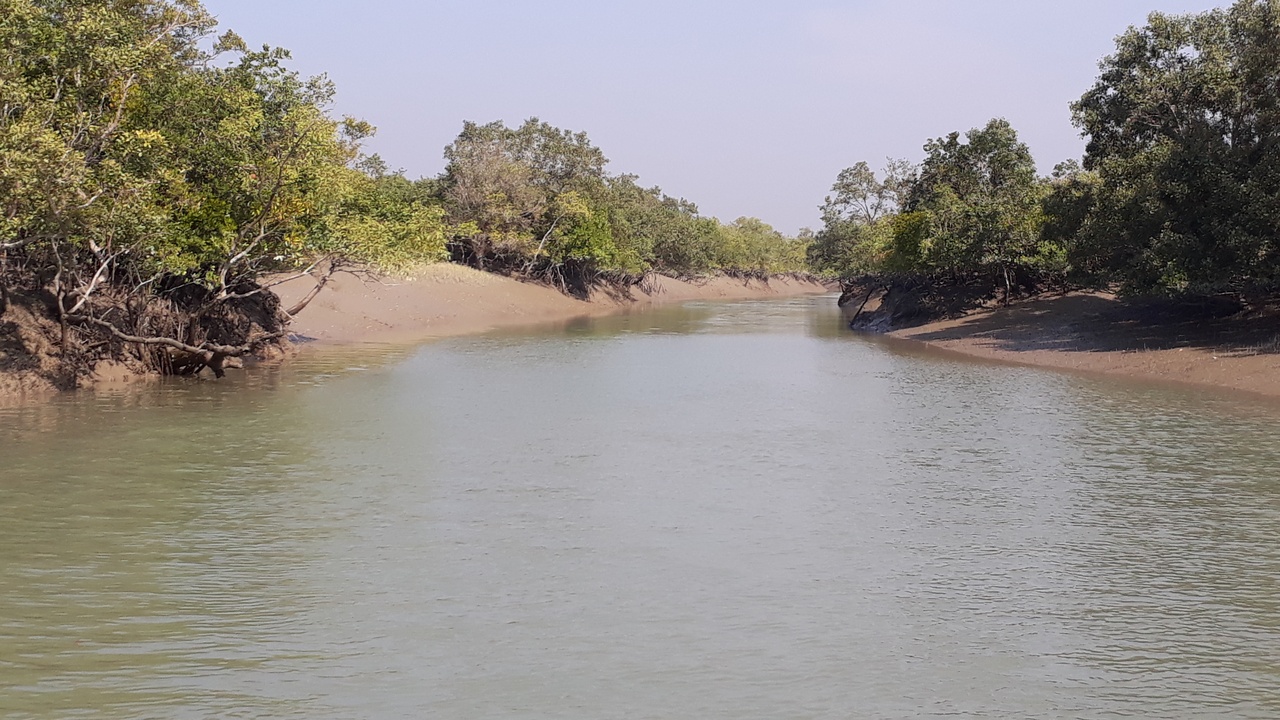
Bangladesh’s mosaic of habitats—the Sundarbans mangrove delta, tidal creeks, alluvial floodplains and hill forests—supports an estimated ~6,000 native plant species and delivers crucial services: storm buffering, nursery habitat for fisheries, and riverbank stabilization. This category highlights three vegetation-led examples that shape coastal and inland resilience.
1. Sundari (Heritiera fomes) — the mangrove giant of the Sundarbans
Sundari trees (Heritiera fomes) are a foundation species in the Sundarbans, historically forming dense stands that helped define the world’s largest tidal mangrove forest.
The Sundarbans was inscribed as a UNESCO World Heritage Site in 1997, and Sundari-dominated zones provide living barriers that reduce wave energy during cyclones and create sheltered creeks that serve as nursery habitat for prawns, fish and crabs.
Local communities once harvested Sundari timber for boatbuilding and construction, though increased salinity, disease and past logging have reduced Sundari cover; the species is recognized by conservation authorities including the Bangladesh Forest Department and noted as threatened on the IUCN Red List. Protecting remaining Sundari stands remains a priority for coastal protection and fisheries productivity.
2. Keora and other pioneer mangroves (Sonneratia, Excoecaria) — salt-tolerant specialists
Keora (Sonneratia apetala) and associates like Excoecaria agallocha are pioneer colonizers of tidal mudflats, using pneumatophores and salt-excreting leaves to tolerate daily inundation.
These species are practical tools in mangrove restoration: communities and government programs commonly plant Sonneratia as a first line of colonizers to trap sediment and stabilize shorelines, after which slower-growing Sundari and other species follow.
Reforestation efforts often track planted seedlings and survival rates, and many local projects report planting tens of thousands of keora and mixed mangrove seedlings to rebuild degraded coastline and boost crab and fish nurseries.
3. Floodplain and roadside trees — Shimul (Bombax ceiba) and companions
Iconic floodplain trees such as Shimul (Bombax ceiba) bloom conspicuously in spring—typically March–April—lining riverbanks and village roads across Bangladesh.
The large flowers attract pollinators including bees and birds, while the cotton-like seed fiber was historically used for stuffing and as a lightweight insulator. Deep roots of these trees help bind riverbanks and reduce erosion during monsoon floods.
Beyond ecological roles, Shimul and other roadside species feature heavily in Bengali poetry and village festivals, reinforcing the link between seasonal flowering and cultural rhythms.
Economic & agricultural plants that fuel livelihoods
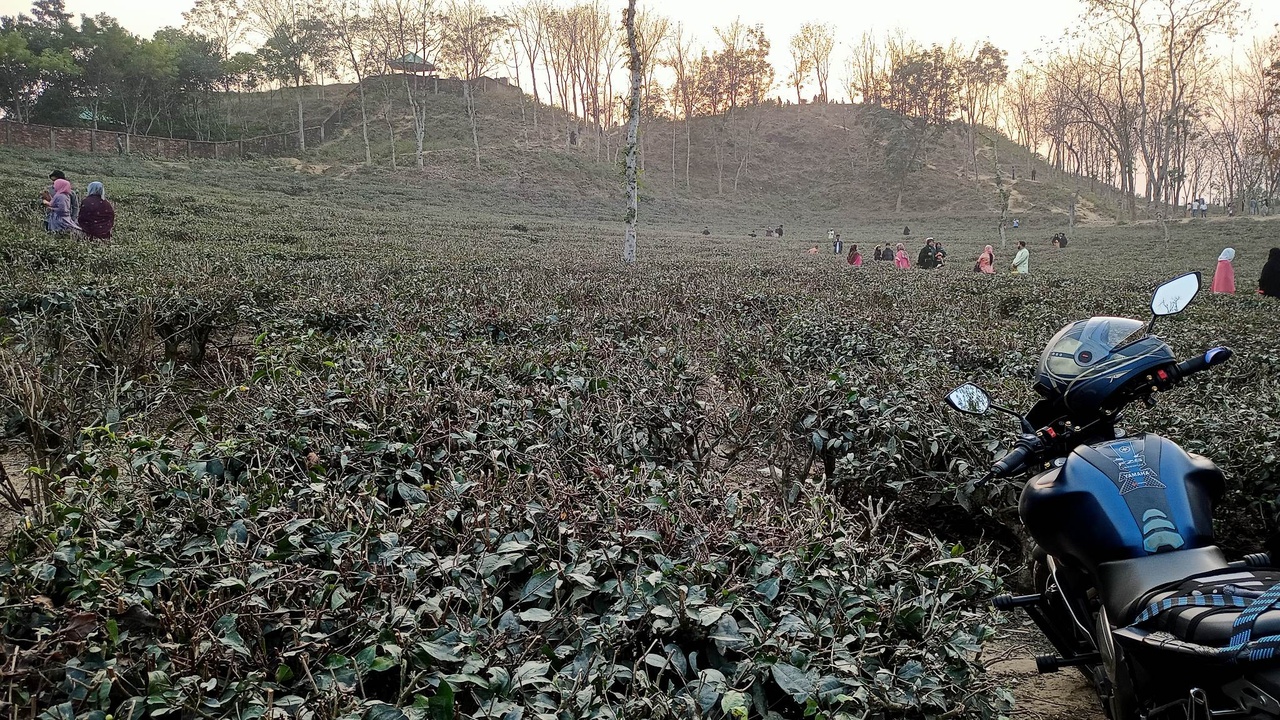
Crop and fibre plants—tea, jute and fruit trees—support rural employment, local markets and exports. The following three examples illustrate how cultivated species underpin incomes, nutrition and regional economies.
4. Tea (Camellia sinensis) — Sylhet’s plantations and global markets
Tea cultivation centered in Sylhet has been a pillar of Bangladesh’s agricultural economy for over a century, with estate landscapes providing seasonal work and a steady domestic market for black tea.
Current production statistics vary by year; national sources such as the Bangladesh Bureau of Statistics and FAO report acreage and output figures that show tea remains a significant employer, with hundreds of thousands of people tied to estates and associated processing. Estates such as those around Srimangal are well known for both traditional gardens and emerging specialty tea brands.
Tea supports export earnings, packaged domestic sales and value-added lines (blends, flavored teas), while plantation shade trees and riparian strips can help retain biodiversity within cultivated landscapes.
5. Jute (Corchorus spp.) — the golden fiber and its modern niche
Called the “golden fiber,” jute (Corchorus capsularis and C. olitorius) was once Bangladesh’s leading export crop and remains culturally and economically important for many smallholders.
Today jute production supports rural incomes and is finding new markets through biodegradable packaging, geo-textiles and composite materials that replace single-use plastics. Government programs and private firms are promoting product diversification to add value along the supply chain.
Smallholder farmers grow jute on riverine flats, and the crop’s seasonal calendar ties into labor patterns; processing and handloom industries also sustain local crafts and employment.
6. Fruit and spice trees — jackfruit, mango and regional orchards
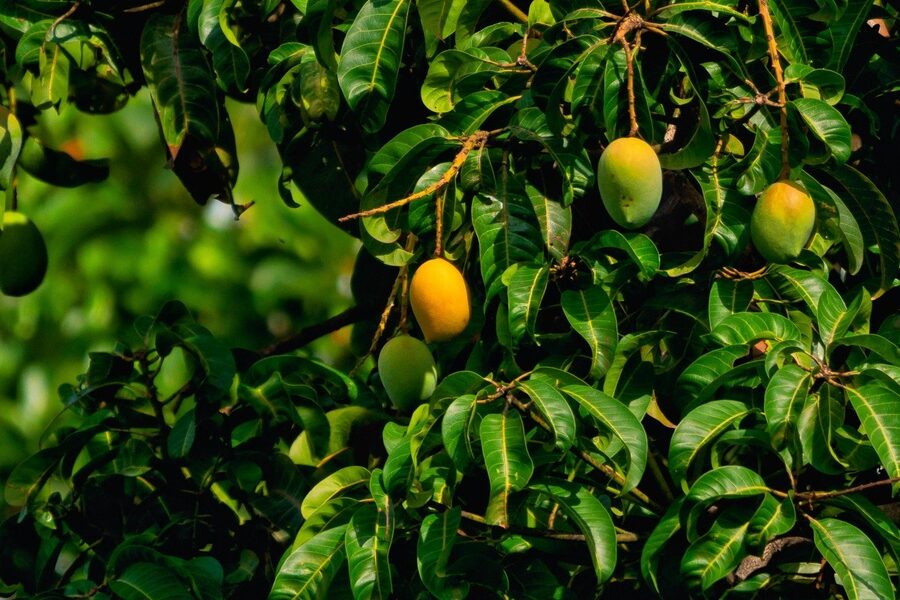
Fruit trees such as jackfruit (Artocarpus heterophyllus)—the national fruit—mango (Mangifera indica), banana and citrus supply household nutrition and local markets across the country.
Mango varieties popular in Bangladesh include Himsagar, Langra and Fazli, which feed fresh markets and small-scale processing for dried and canned products. Jackfruit harvests peak in late spring and early summer and are important for village incomes and informal markets.
Agroforestry systems that integrate fruit trees with seasonal crops improve diet diversity and provide year-round income potential, though post-harvest losses and access to value-chain services remain challenges.
Medicinal, cultural and everyday plants
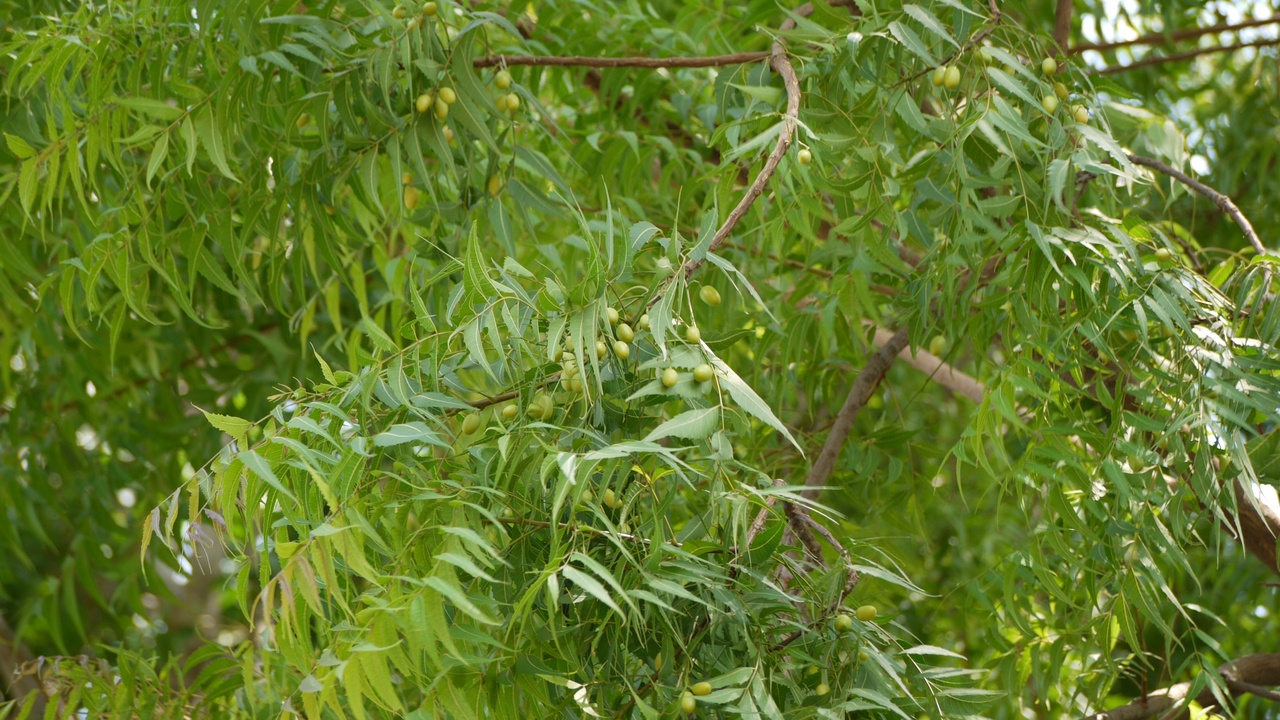
Certain trees and herbs serve as household pharmacies, ritual markers and daily resources. Traditional systems like Ayurveda and Unani—along with local folk knowledge recorded by the Bangladesh National Herbarium—rely on a handful of widely used species for health and culture.
7. Medicinal workhorses — Neem, Bael and traditional remedies
Neem (Azadirachta indica) and Bael (Aegle marmelos) are staples of folk medicine; leaves, bark and fruit are used for antiseptic, anti-parasitic and digestive remedies in village households.
The Bangladesh National Herbarium and peer-reviewed ethnobotanical surveys document these uses and note that plant-based remedies remain primary healthcare for many rural families. Neem leaf pastes and oils are applied topically for skin complaints, while bael fruit preparations are prescribed for diarrhea and digestion.
Some plant extracts from these species are under laboratory study for bioactive compounds, linking traditional practice with modern pharmacological research.
8. Cultural and sacred trees — Kadam, Shal and the fabric of daily life
Trees such as Kadam and Shal are woven into Bengali culture: Kadam flowers appear in folk songs and are seasonal symbols, while Shal groves and large roadside trees mark village commons and temple approaches.
These trees provide shade for meetings, wood for traditional crafts, and ceremonial roles in festivals and rites of passage. Literary and oral traditions—from village ballads to references in the work of Rabindranath Tagore—repeat these botanical motifs, reinforcing social identity tied to specific species.
Threats, conservation and scientific research
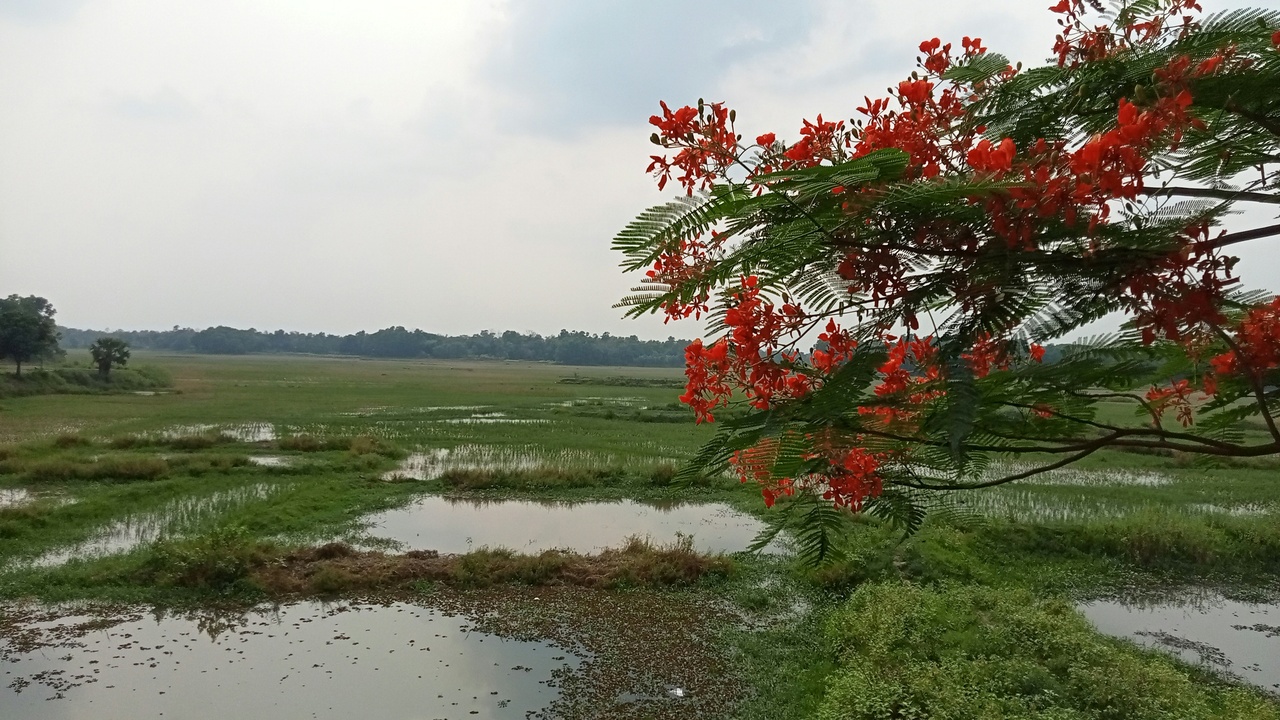
Rapid salinity intrusion, land conversion, deforestation and overharvesting put plant species and habitats at risk. Conservation responses combine protected areas, community forestry and botanical research from institutions such as the Bangladesh National Herbarium and the Bangladesh Forest Department.
9. Endangered species and habitat loss — what’s at risk
Rising salinity and sea-level changes stress coastal vegetation; Sundari stands have contracted in parts of the Sundarbans as salt-tolerant species move in, reducing the protective canopy that once dominated.
High-value trees like agarwood (Aquilaria spp.) face pressure from illegal harvesting, while inland deforestation and conversion to agriculture shrink contiguous habitat for native plants and associated wildlife. These losses erode fisheries nursery areas, reduce storm protection and threaten rural incomes tied to non-timber forest products.
National and international bodies such as the IUCN and the Bangladesh Forest Department track threatened lists and support priority actions to limit further declines.
10. Conservation successes and research — seed banks, community forestry and the National Herbarium
There are encouraging signs: protected areas including the Sundarbans, community-based mangrove planting, and ex-situ collections at the Bangladesh National Herbarium support species documentation and restoration materials.
Community afforestation campaigns and government-led planting drives have established large numbers of seedlings along degraded coasts; botanical research at universities is also testing saline-tolerant crop and restoration varieties to help farmers and foresters adapt.
Seed banks, herbarium specimens and citizen science projects improve baseline knowledge and give practitioners the tools to restore habitats in ways that protect livelihoods and biodiversity for the decades ahead.
Summary
- Plants deliver multiple services in Bangladesh: coastal protection, fisheries support, timber, fiber and household medicines.
- Iconic species—from Sundari in the Sundarbans to tea and jute in cultivated landscapes—link ecology and economy in tangible ways.
- Several habitats and species face clear threats from salinity, land conversion and overharvesting, but protected areas and community forestry provide viable response pathways.
- Research institutions like the Bangladesh National Herbarium, along with community planting and seed-bank efforts, are central to documenting and restoring botanical diversity.
Learn more through reputable sources—UNESCO, the Bangladesh Forest Department, IUCN and the Bangladesh National Herbarium—and consider supporting local conservation groups or responsibly visiting protected areas to see these plants in context.