Belovezhskaya Pushcha, one of Europe’s last primeval forests, contains trees more than 500 years old and stretches across the Belarus–Poland border. That ancient stand offers a vivid doorway into the country’s plant diversity and long human interactions with woodland ecosystems.
Belarus covers about 207,600 km², and roughly ~40% of that area is forested, creating a mosaic of woodlands, wetlands, meadows, and agricultural margins. This article presents 10 representative plants that illustrate those major ecosystems—forests, peat bogs, floodplain meadows, and species with strong cultural or medicinal roles.
Each example below notes where the plant occurs, its ecological role, and common human uses, with concrete local references such as Belovezhskaya Pushcha and Pripyatsky National Park. These 10 snapshots aren’t an exhaustive inventory but a practical tour of Belarusian plant life and conservation priorities.
Forest and Woodland Species
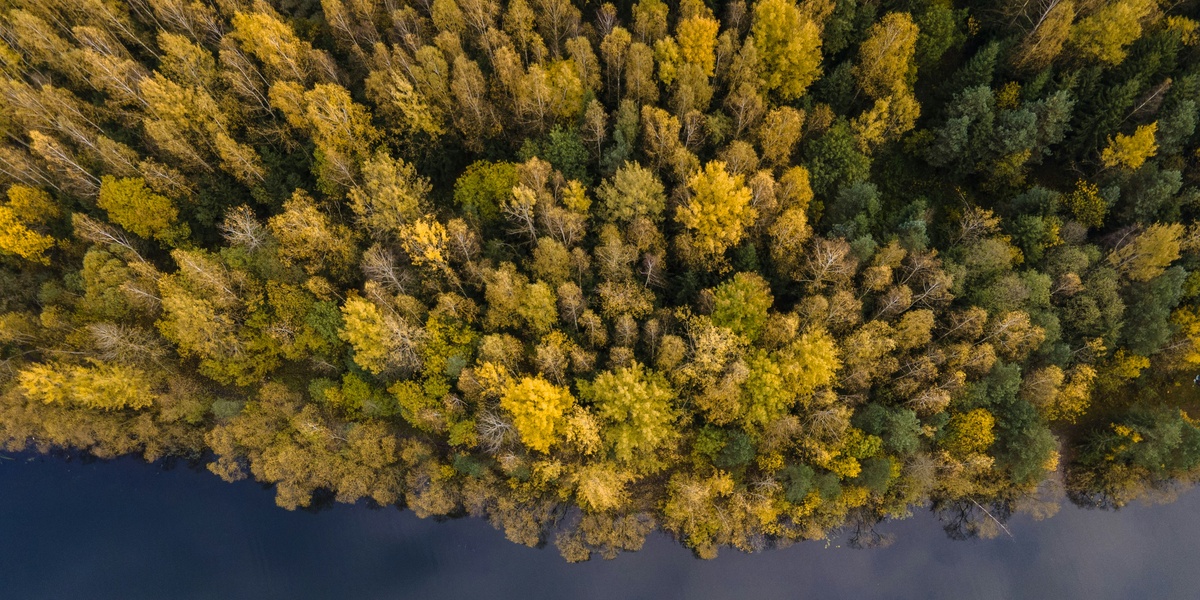
Woodlands shape much of Belarus’s landscape, providing timber, sheltering wildlife, and protecting soils and water. Pine-dominated stands sit on sandy soils, mixed birch and spruce woods occupy upland sites, and pockets of old-growth oak and spruce persist in protected areas such as Belovezhskaya Pushcha.
State forestry manages large tracts for timber and pulp, while smaller patches and reserves conserve biodiversity. Local beekeepers often place hives near pine and mixed forests to capture seasonal nectar flows, and forest edges supply fuelwood and non-timber resources to villages.
Across the next four entries you’ll see how dominant trees—pine, birch, spruce, and oak—structure habitats, support wildlife, and underpin local economies from sawmills to traditional crafts.
1. Scots pine (Pinus sylvestris)
Scots pine is among the most widespread trees in Belarus, flourishing on dry, sandy soils and as a component of mixed forests. You’ll find mature specimens in Belovezhskaya Pushcha as well as in extensive state plantations used for timber production.
The species supplies construction timber, pulpwood and resin, and its standing deadwood provides nesting sites for woodpeckers and shelter for many insects. Local sawmills process pine for boards and packaging, while smaller producers use it for poles and fencing.
Foresters favor managed stands for regular yields, but challenges include periodic bark beetle outbreaks and the need to ensure natural regeneration after harvests to maintain mixed-age structure and habitat value.
2. Silver birch (Betula pendula)
Silver birch is a familiar pioneer across Belarus, the first tree to colonize open ground, roadsides, and abandoned fields. It grows quickly, stabilizes soils, and prepares sites for slower-growing species.
People use birch for fuelwood, small-scale carpentry, and charcoal. In spring, many rural households collect birch sap for a mildly sweet beverage, and craftsmen value its pale, workable timber for simple furniture and household items.
Birch is also woven into Belarusian folk art and seasonal customs, appearing in songs, motifs, and village plantings that mark transitions between fields and forests.
3. Norway spruce (Picea abies)
Norway spruce grows on upland and mixed sites and is prized for its straight trunks and quality timber. It contributes significantly to the country’s supply of construction-grade wood and pulp for paper.
The dense spruce canopy creates shaded understories that favor mosses, shade-tolerant herbs, and specialist fungi. Many bird species nest in spruce stands, and managed plantations produce sawlogs for furniture and building components.
Spruce faces pressures from drought stress and pest outbreaks in warmer seasons, so adaptive management—mixing species and ages—helps maintain resilience in commercial and natural stands outside reserves.
4. English oak (Quercus robur)
English oak forms long-lived, structurally complex groves in parts of Belarus and is a hallmark of ancient forests such as those in Belovezhskaya Pushcha. Individual oaks can live several hundred years and host rich ecological communities.
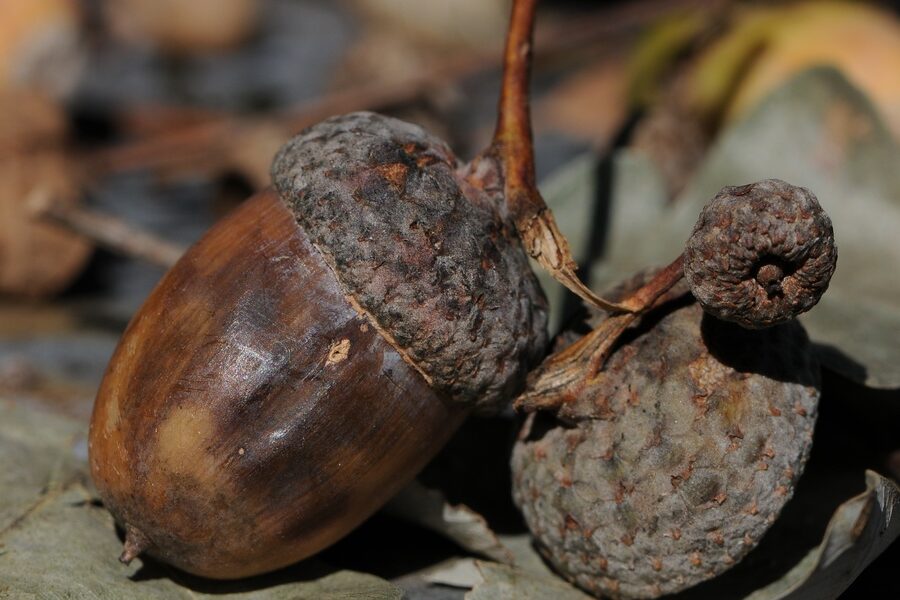
Oaks support hundreds of insect species, lichens, and fungi, and their acorns feed mammals and birds. Traditional uses include high-quality timber for carpentry, flooring and cooperage; culturally, old oaks often have local names and protection.
Conservation measures protect veteran oaks in parks and reserves, where they function as keystone structures and attract naturalists and visitors interested in biodiversity and cultural heritage.
Wetland, Meadow, and Bog Plants
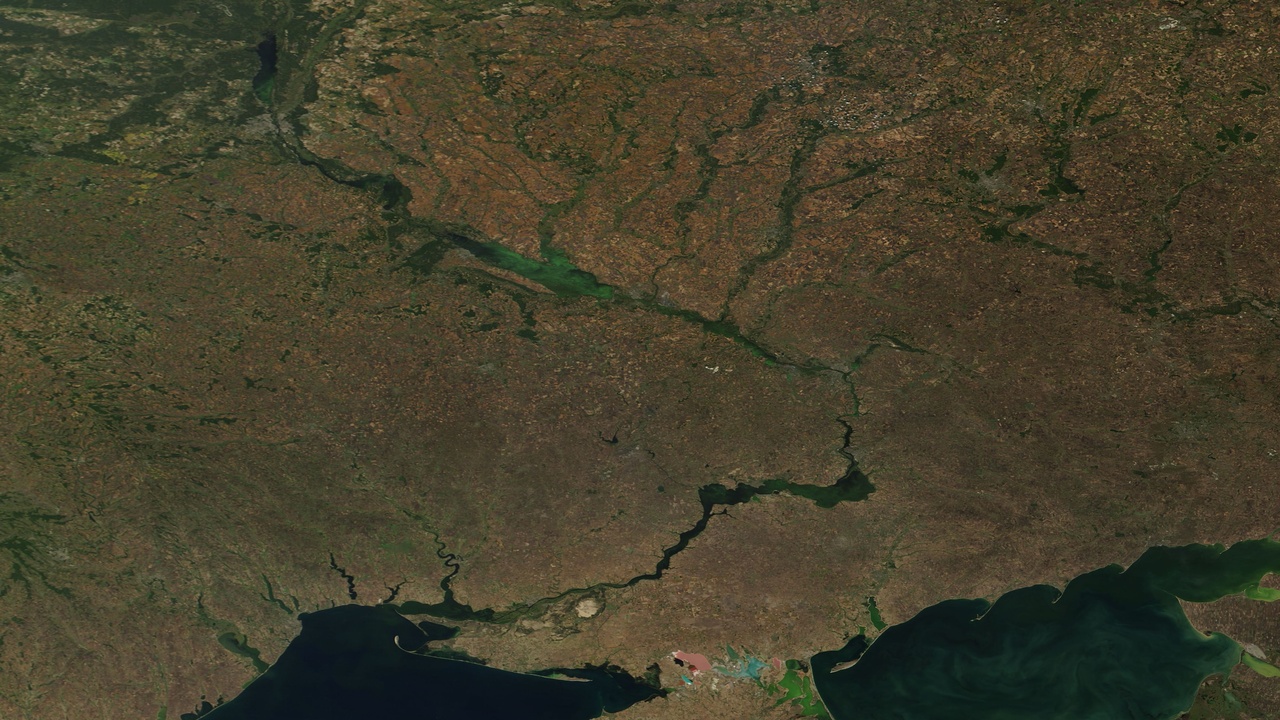
Belarus contains extensive wetland complexes, especially across the Pripyat basin, where floodplain meadows, reedbeds, and peat bogs deliver critical ecosystem services. Peatlands store carbon, dampen floods, and sustain species found nowhere else.
Wetland plants show special adaptations to waterlogged, low-nutrient soils. Local economies have historically used peat and reeds, while modern conservation seeks to balance resource use with habitat protection in places such as Pripyatsky National Park.
Below are three plants that typify bogs and floodplain meadows, illustrating carbon functions, seasonal lifecycles, and traditional uses from thatching to herbal folklore.
5. Sphagnum moss (Sphagnum spp.)
Sphagnum species dominate peat bogs and drive peat accumulation by holding many times their weight in water and acidifying soils, which slows decomposition. Over centuries, that process locks up carbon in deep peat layers across Belarusian bogs.
People have long used sphagnum for wound dressings and, more recently, in horticulture as a soil amendment. Historically, peat extraction provided fuel and a local industry, though modern restoration efforts aim to reduce carbon loss from damaged bogs.
Protecting and restoring sphagnum-rich peatlands in the Pripyat basin helps prevent greenhouse gas emissions and preserves the specialized plants and invertebrates that depend on acidic, waterlogged conditions.
6. Marsh marigold (Caltha palustris)
Marsh marigold brightens spring floodplain meadows with glossy yellow flowers and acts as an early nectar source for emerging insects. It signals seasonally wet soils and active floodplain dynamics.
Culturally, marsh marigold appears in spring celebrations and has a history of folk medicinal use, though raw plants contain compounds that require careful preparation. In Belarus, extensive spring displays occur in Pripyat floodplain meadows.
Ecologically, these blooms support bumblebees, early flies, and other pollinators that set the stage for later-flowering meadow species in summer.
7. Common reed (Phragmites australis)
Common reed forms dense stands along lakes, rivers, and floodplains, stabilizing shorelines, filtering sediments, and creating nesting habitat for waterbirds. Reed beds are a signature feature around large Belarusian lakes and river margins.
Traditionally, communities harvest reeds for thatching roofs and crafting screens and mats. Some local practices also manage reed belts to keep channels navigable and maintain habitat mosaics favored by wildlife.
While Phragmites can be aggressive in some regions, in Belarus it plays a native role supporting wetland biodiversity and providing renewable materials for rural construction and crafts.
Cultural, Medicinal, and Rare Plants
Certain plants in Belarus carry strong cultural meaning, serve as household medicines, or occur so rarely that they become conservation priorities. These species link people to seasonal rhythms and to sites worth protecting for biodiversity and nature-based tourism.
From ornate orchids in old meadows to chamomile in kitchen gardens and rowan lining village streets, these plants illustrate how botanical, cultural, and economic values overlap across Belarus’s landscapes.
Protecting such species often requires small-scale actions—restricting collection in sensitive sites, promoting sustainable harvest for herbs, and conserving old meadows and woodlands that sustain rare flora.
8. Lady’s slipper orchid (Cypripedium calceolus)
The lady’s slipper orchid is emblematic of ancient, undisturbed meadows and woodlands and remains rare across Europe, including in Belarus. Populations survive in scattered pockets where habitat quality remains high.
Because it is sensitive to disturbance, the species is legally protected in many reserves and picking or digging plants is prohibited. Sightings in national parks and monitored reserves attract naturalists and support small-scale ecotourism.
Conservation relies on protecting flowering sites from trampling, maintaining appropriate grazing or mowing regimes nearby, and supporting citizen science to track populations over time.
9. Chamomile (Matricaria chamomilla)
Chamomile is a familiar household medicinal herb in Belarus, grown in gardens and gathered from field margins for teas and topical remedies. Its gentle flavor and calming properties make it a staple in local herbal practice.
Small-scale cultivation and wild collection feed local apothecaries and cosmetic producers that use chamomile extracts in skincare. Traditional recipes include chamomile tea for digestive comfort and steam inhalations for colds.
Sustainable harvesting—leaving seed heads for regeneration and avoiding over-collection—helps ensure chamomile remains available for household use and small businesses.
10. Rowan (Sorbus aucuparia)
Rowan is a culturally significant shrub or small tree that produces bright orange-red berries important to birds and people. It punctuates village streets, churchyards, and hedgerows across Belarus, marking seasonal changes.
People use rowan berries in preserves, spirits and folk remedies, and the trees provide autumn and winter food for thrushes and waxwings during migration. Village plantings also offer shade and a familiar landscape element.
At small scales, berry-gathering supports household preserves and occasional local sales, keeping traditional recipes and uses alive from one generation to the next.
Summary
Belarus’s plant communities span old-growth oak groves and managed conifer stands, sphagnum peat bogs that lock away carbon, floodplain meadows that burst into flower each spring, and culturally valued herbs and trees. Protected areas such as Belovezhskaya Pushcha and Pripyatsky National Park anchor conservation efforts for these habitats.
These 10 examples show how woodland and wetland vegetation support timber production, pollinators, traditional medicines, and local crafts, while rare species like the lady’s slipper orchid highlight the need for careful habitat management.
Supporting peatland restoration, safeguarding veteran oaks, and practicing sustainable harvest of herbs and reeds deliver outsized conservation benefits for the flora of Belarus and the communities that depend on these landscapes.
- Forests, bogs, and meadows together form the backbone of Belarus’s natural identity and provide timber, carbon storage, and cultural resources.
- Protecting peatlands and old-growth patches yields high conservation returns for biodiversity and climate regulation.
- Small actions—volunteering with reserves, visiting parks responsibly, and buying local herbal products—help sustain plant-rich landscapes and local livelihoods.