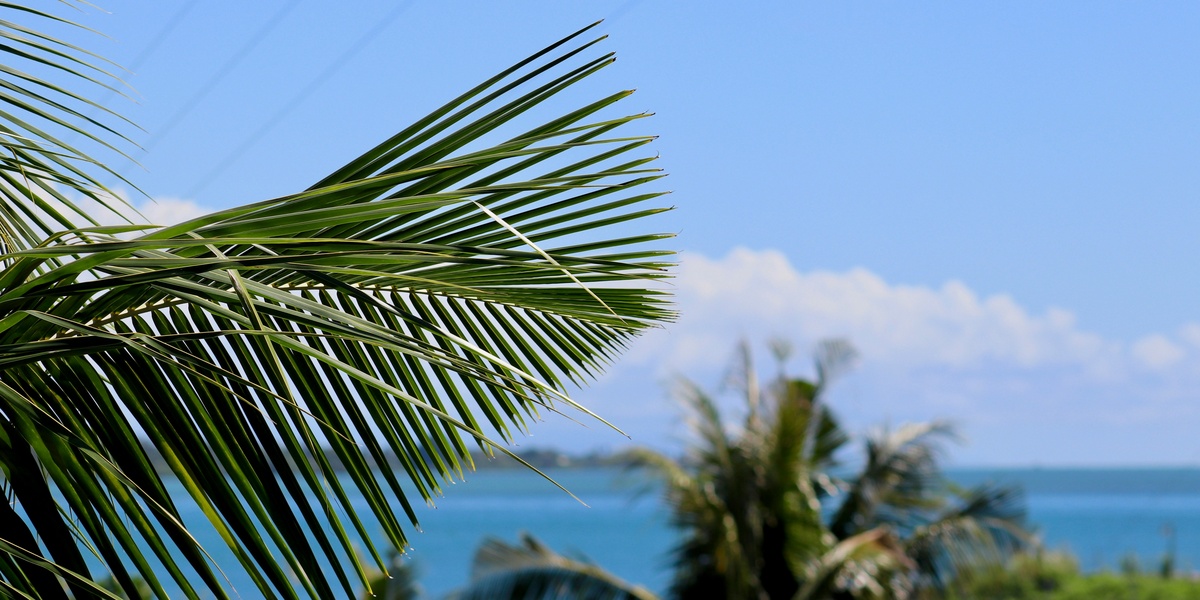
Polynesian voyagers carried breadfruit across the Pacific centuries ago, shaping diets and landscapes in Samoa long before European contact.
Plants in Samoa do more than decorate the islands; they build houses, feed families, carry ritual meaning and stabilize soil after cyclones such as Val (1991) and Evan (2012). The flora of samoa blends ecological importance, cultural meaning, and practical uses.
This piece profiles seven standout species grouped three ways—native trees, medicinal and cultural plants, and coastal/agroforestry species—so you can see how each plant supports wildlife, carries tradition, and still matters in modern livelihoods.
Iconic Native Trees
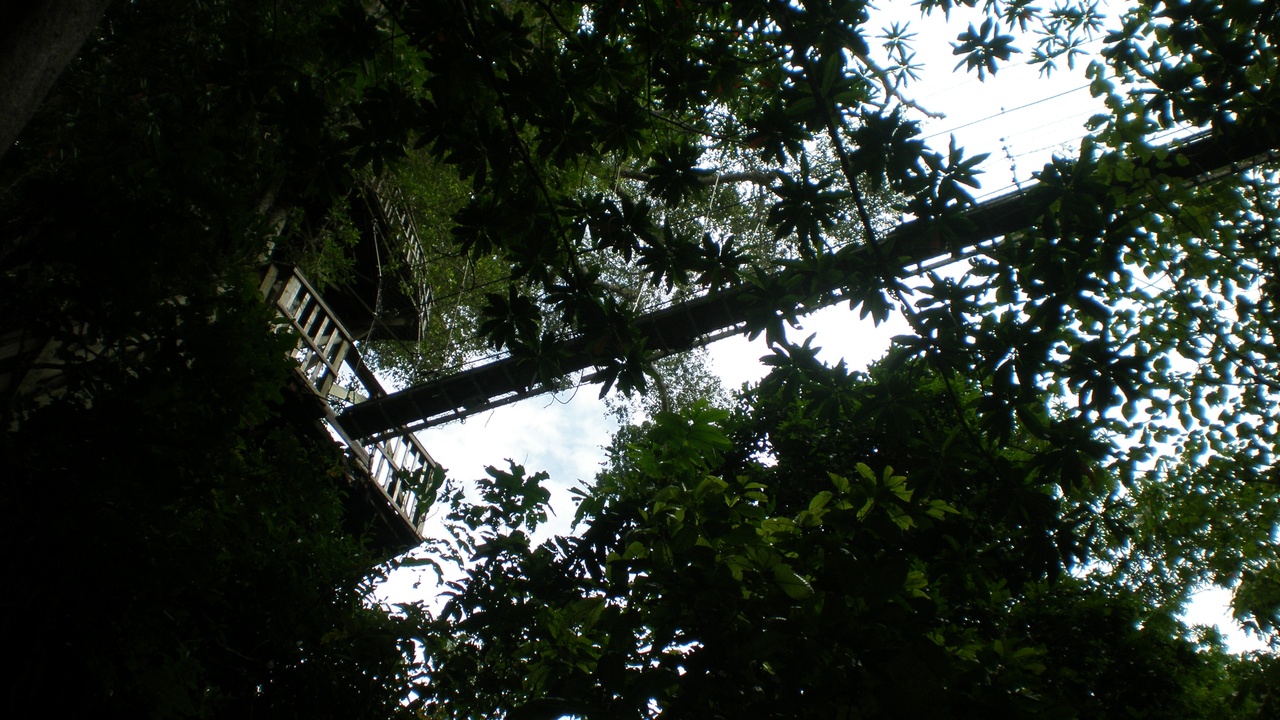
Large native trees form the backbone of Samoan forests, creating canopy habitat, cycling nutrients, and holding steep soils against heavy rains. They supply timber for houses and carvings while feeding birds and bats with fruit and flowers.
Selective logging, invasive plants, and land conversion have reduced populations of some hardwoods (documented in national forestry reports and global assessments such as the IUCN Red List), and that loss affects both ecology and local craft traditions.
Below are three native-tree examples that illustrate those roles, plus conservation concerns backed by authoritative sources.
1. Ifilele (Intsia bijuga) — prized hardwood
Ifilele, the island’s famed hardwood, produces dense timber long valued for house posts, carved panels and boat timbers. Intsia species are known for durable, oily heartwood that resists rot and marine borer damage.
Historical accounts and village fale show ifilele posts and carved elements still prized for their longevity, but conservation assessments (see IUCN Red List and Samoan forestry reports) document declines from logging and habitat loss.
When ifilele becomes scarce, communities lose access to traditional building materials and the cultural work of carvers, making cultural practices harder to maintain.
2. Breadfruit (Artocarpus altilis) — Polynesian staple tree
Breadfruit is both village pantry and living food bank, planted around homes where a single mature tree can yield roughly 100–200 kg of edible fruit in a good year, enough to feed several households through harvest seasons (FAO sources).
Brought by Polynesian voyagers centuries to millennia ago, breadfruit remains central to dishes such as ulu baked, roasted or mashed, and features in modern agroforestry and food-security initiatives across Samoa.
Community reforestation projects and NGOs have promoted breadfruit planting as a resilient carbohydrate source, showing how one tree can support diet diversity and reduce reliance on imported staples.
3. Native fig species (Ficus spp.) — keystone fruit trees
Figs act as island keystone trees, fruiting at different times and providing year-round food for fruit bats, pigeons and native passerines, which in turn disperse seeds and aid forest regeneration.
Many Ficus species colonize disturbed areas quickly, making them valuable early-successional trees for reforestation efforts; regional ecological studies highlight their outsized role in supporting bird populations and rebuilding canopy cover.
Villages sometimes plant figs deliberately to attract fruit-eating birds, using them as indicators of forest health and targets in restoration programs backed by conservation NGOs and university research.
Medicinal and Cultural Plants
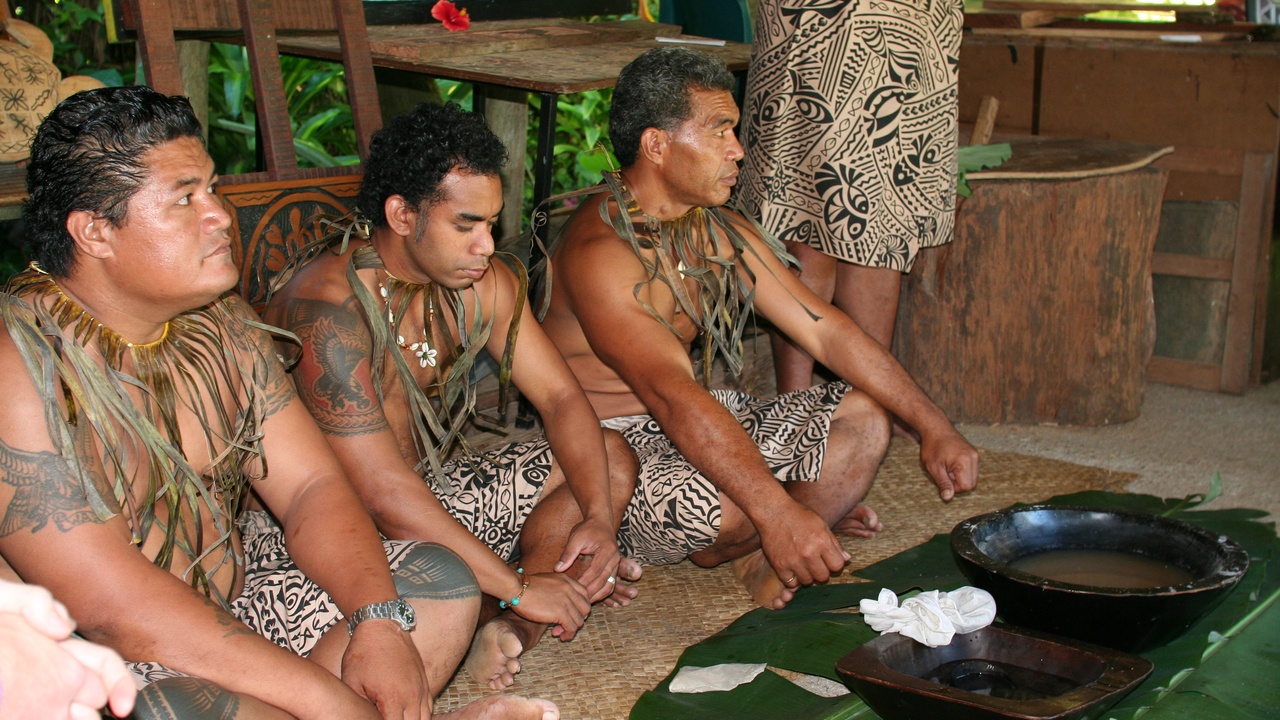
Crops used in ritual and healing carry social authority and are now entangled with international markets. Traditional knowledge has long guided uses; in recent decades commerce for products like noni juice and kava exports has created income but also raised questions about quality control and benefit sharing.
World Health Organization reviews and Samoan government agencies have engaged on safety, trade and regulation, reflecting how cultural practice and modern commerce intersect.
Two plants below show the mix of ceremony, household use and export dynamics at work.
4. Kava (Piper methysticum) — cultural drink and export crop
Kava is central to Samoan ceremonies, used to welcome guests, mark chiefly events and settle community matters; preparation—grinding and straining the root—follows strict etiquette in a village kava circle.
Beyond ritual, kava is an agricultural cash crop for many Pacific households and a staple of regional trade; international attention has prompted WHO and regional agencies to examine safety and quality standards (WHO reports).
Villagers describe kava gatherings as social glue, while exporters and cooperatives link production to household income—so policy on exports and testing affects both culture and livelihoods.
5. Noni (Morinda citrifolia) — traditional remedy turned global product
Noni has a long history in Samoan traditional medicine for topical uses and general wellness, with leaves and fruit used in poultices, washes and tonics by island healers.
Commercialization picked up in the late 20th century when companies such as Tahitian Noni International marketed noni juice overseas, creating new income for some growers while sparking debates about patents, benefit sharing and evidence for health claims.
Scientific reviews and health authorities note limited clinical confirmation for many marketed claims (see WHO and peer-reviewed literature), so growers and communities weigh economic opportunity against questions of sustainability and fair returns.
Coastal and Agroforestry Species
Species planted along coasts and in home gardens supply daily essentials—food, fiber and roofing—and form living buffers against waves and erosion. Agroforestry systems that mix fruit trees, palms and root crops help villages recover after storms and adapt to changing conditions.
Practical uses translate directly to household resilience: coppiced trees, woven materials and a stock of food that can be harvested after a cyclone all reduce vulnerability.
Two species illustrate the everyday importance of garden and coastal plants.
6. Coconut (Cocos nucifera) — the multipurpose coastal palm
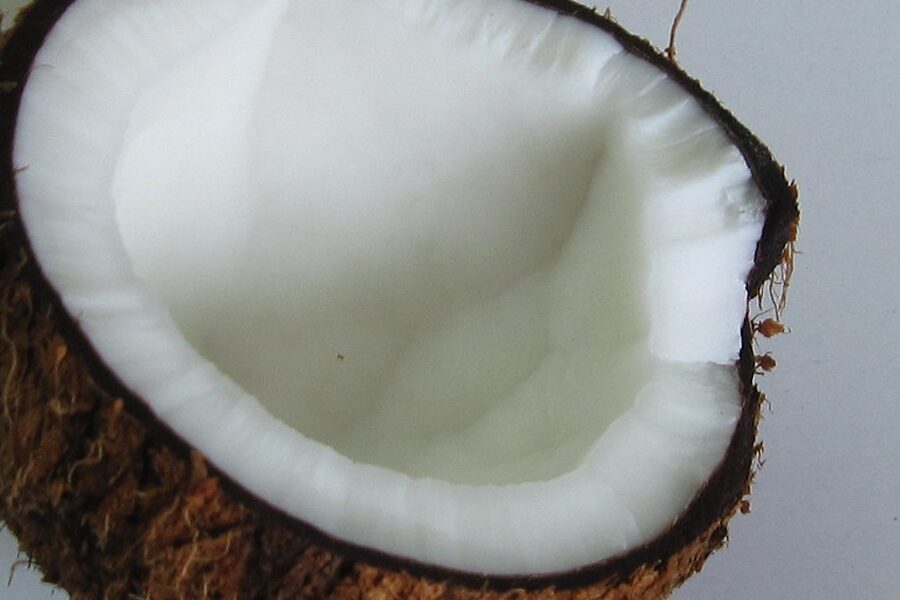
Coconut palms are ubiquitous across Samoan beaches and gardens, supplying flesh and milk for dishes like palusami, copra for small-scale processing, husk fiber for ropes, and leaves for thatch and mats.
Copra and coconut oil have long featured in local trade (see FAO data), and everyday household uses—fuel, cordage and building—make the palm a linchpin of rural economies.
After major cyclones, communities rely on coconut stands both for immediate food and for materials to repair roofs and fences, underscoring the palm’s role in resilience.
7. Pandanus (Pandanus tectorius) — weaving, roofs, and cultural crafts
Pandanus leaves are prepared by cutting, drying and sometimes dyeing, then woven into fine mats, baskets and roof thatch—crafts that carry social value and are integral to ceremonies where mats are given as sacred gifts (ie toga).
Finely woven mats fetch market value in craft stalls and cooperatives, providing modest income for artisans while keeping traditional techniques alive for younger generations and tourists.
Programs that support pandanus harvest, quality control and cooperative sales help communities preserve cultural practices while earning cash from visitors and export markets.
Summary
These seven plants show how ecology, culture and economy are braided together across Samoa’s landscapes.
- Large native trees like ifilele supply timber and habitat but face documented declines that threaten cultural building traditions (see IUCN and national forestry reports).
- Breadfruit acts as a living pantry—one tree can yield enough fruit to support several households—making it a practical target for food-security and agroforestry projects.
- Kava and noni illustrate how traditional uses can become commercial opportunities, but they also raise questions about regulation, proving efficacy and fair benefit-sharing (WHO and national agencies are active here).
- Coastal species such as coconut and pandanus do everyday work—food, fiber and coastal protection—and support resilience after storms.
Support locally led conservation, buy Samoan-made crafts or fruit when you can, and learn from Samoan organizations and NGOs working on agroforestry and cultural heritage to help sustain these living traditions and ecosystems.
For further reading on the flora of samoa and island plant stewardship, seek out resources from Samoa’s Ministry of Natural Resources and Environment and community conservation groups active across the islands.