Armenia’s fruit story is not subtle. Apricots are practically part of the national branding, grapes fuel wine and brandy traditions, and pomegranates show up in everything from markets to mythology. Add mountain valleys, dry summers, and long hours of sunshine, and you get a country that knows how to grow fruit with actual personality.
Table of contents
- TLDR
- Why Armenia is so good for fruit
- The main fruits of Armenia
- Armenia fruit harvest season
- How Armenians use fruit in food and drink
- Final thoughts
TLDR
Armenia is best known for apricots, but its orchards also produce grapes, pomegranates, peaches, cherries, plums, apples, pears, and figs. The country’s warm, dry climate and dramatic elevation changes create strong growing conditions for sweet, flavorful fruit. If you want the short version: apricots are the icon, grapes are the backbone, and pomegranates are the jewel.
Why Armenia is so good for fruit
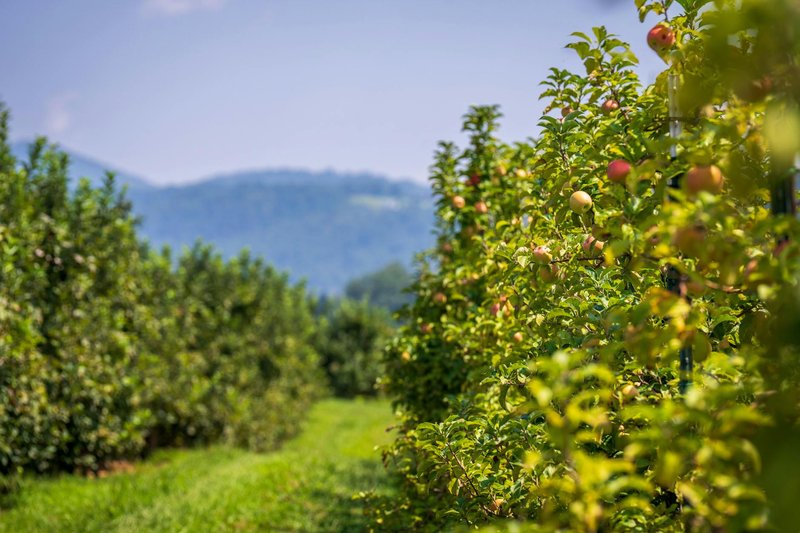
Armenia’s fruit-growing reputation comes from geography doing a lot of the heavy lifting. The country has plenty of sunshine, dry air, and a mix of elevations that let different crops thrive in different zones. That matters. Fruit grown in a hot lowland valley tastes different from fruit grown higher up where nights cool down fast.
The result is orchards with fruit that tends to be compact, aromatic, and sweet rather than watery. That’s one reason Armenian apricots are famous well beyond the country’s borders. It’s also why grapes, cherries, and stone fruits do so well here.
Historically, Armenia is also one of the old centers of fruit cultivation in the Caucasus region. Apples, plums, and grapes have been grown here for centuries, and local food culture evolved around preserving that harvest as dried fruit, jams, syrups, and wine. For a broader look at Armenia’s agricultural landscape, the FAO country profile is a useful place to start.
The main fruits of Armenia
Apricots
If Armenia had a mascot fruit, this would be it. The apricot is deeply tied to Armenian identity, to the point that it shows up in folklore, crafts, and even the color palette of national symbolism. Armenia is often described as a homeland of apricots, and the fruit is one of the country’s most recognizable agricultural exports.
Armenian apricots are usually prized for their fragrant aroma, rich sweetness, and soft texture. They’re eaten fresh, dried, or turned into jams, juices, and preserves. Dried apricots are especially common because they store well and travel well. For a regional perspective on apricots and other stone fruits, see The Complete List of Fruits of Iran.
For context on apricot production more broadly, the USDA specialty crop overview gives a solid picture of how this fruit fits into global agriculture.
Grapes
Grapes are one of the most important fruits grown in Armenia, and not just for eating. They’re tied to table fruit, juice, wine, and brandy production. Armenian vineyards have a long history, and some local grape varieties are adapted to the country’s climate in ways that imported supermarket grapes never are.
What makes Armenian grapes interesting is the balance of sugar and acidity. In warm regions, the fruit can get very sweet, which is great for eating fresh or drying into raisins. In cooler or higher-elevation areas, growers can get grapes with the acidity needed for wine.
According to OIV data, grape-growing regions around the world depend heavily on local climate and elevation. Armenia is a neat example of that principle in a relatively small space. For a broader look at European fruits including grapes, check Fruits of Belgium: The Complete List.
Pomegranates
Pomegranates are another fruit with deep cultural weight in Armenia. They’re associated with abundance, fertility, and celebration, and they appear in art, jewelry, and holiday foods. On the practical side, they’re grown for their jewel-like seeds, tart-sweet juice, and long storage life.
Armenian pomegranates are often valued for their intense color and balanced flavor. They’re eaten fresh, pressed into juice, or reduced into syrups and sauces. In local cooking, pomegranate juice adds brightness to savory dishes without needing much else. It’s a small fruit with a loud personality.
For a wider scientific overview of pomegranate nutrition and cultivation, NCBI research offers a good starting point. For a regional Levantine perspective on fruits including pomegranates, see The Complete List of Fruits of Lebanon.
Peaches
Peaches grow well in Armenia’s warmer valleys and are a summer staple in local markets. They tend to be highly fragrant and sweet when fully ripe, which is exactly what you want from a peach. Nobody is asking a peach to be polite.
Fresh peaches are eaten out of hand, but they also end up in preserves and desserts. In some regions, the harvest is short and intense, so peaches show up in abundance for a few weeks and then disappear until the next season.
Cherries
Cherries are among the most anticipated early summer fruits in Armenia. Sweet cherries are especially popular fresh, while tart varieties may go into jams, syrups, or baked dishes. The short season is part of the appeal. People pay attention because cherry season doesn’t linger.
Armenian cherry orchards benefit from cool nights and sunny days, which help fruit develop color and flavor. That contrast is exactly the sort of thing cherries like.
Plums
Plums are one of the more versatile fruits in Armenian kitchens. They’re eaten fresh when in season, but they’re also dried, cooked into sauces, or made into preserves. Some plum varieties are tart enough to work in savory dishes, where they bring a sour edge instead of dessert sweetness.
In many fruit-growing regions, plums are a practical crop because they store, dry, and process well. Armenia is no exception. That makes plums part orchard fruit, part pantry staple.
Apples
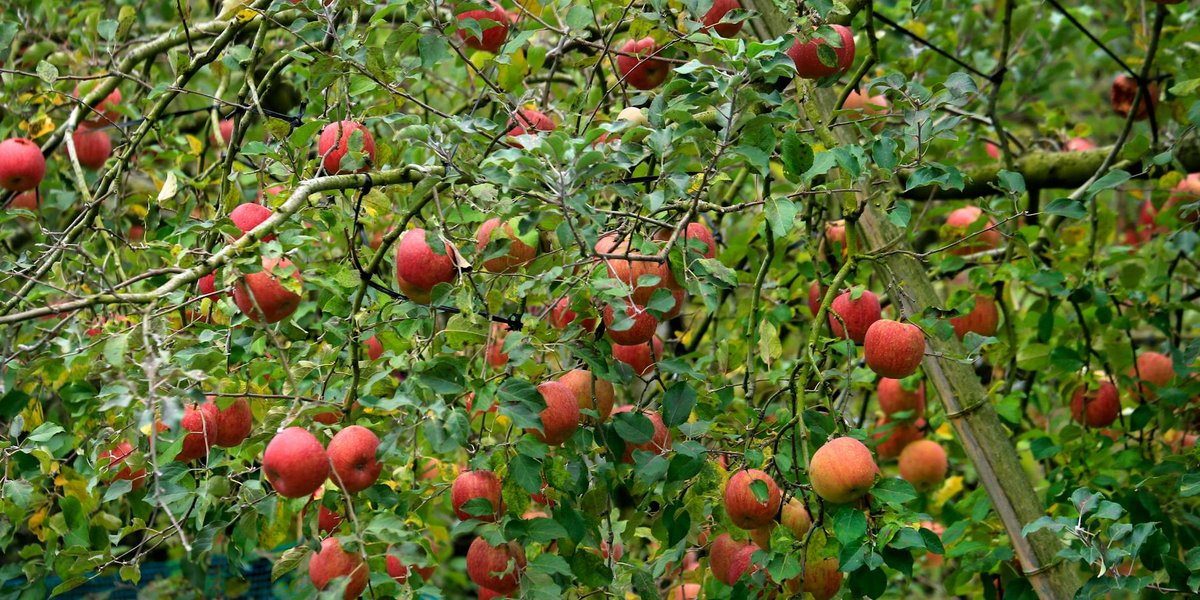
Apples are widely grown in Armenia, especially in areas with the cooler conditions they prefer. The country’s elevation changes make it possible to grow a range of apple types, from crisp eating apples to fruit better suited for cooking or storing through winter.
Apples matter less as a symbol than apricots or pomegranates, but they’re still a steady part of the harvest. In rural settings, they often show up in cellars, baskets, and dried-fruit mixes long after fresh summer fruit has passed.
Pears
Pears are another important orchard fruit in Armenia, usually grown in temperate zones with enough chill for good fruiting. They can be eaten fresh, poached, preserved, or dried. Some local varieties may be firmer or more aromatic than the soft supermarket pears people are used to.
The best pears have a slow ripening process, which suits traditional orchard systems. They’re the kind of fruit that asks for patience and gets rewarded for it.
Figs
Figs grow well in warmer parts of Armenia, especially where summers are hot and dry. They’re delicate, sweet, and not built for long travel, which is why fresh figs feel like a seasonal event rather than a year-round grocery item.
They’re eaten fresh, dried, or preserved. Dried figs in particular are useful in a country where extending the harvest has always mattered. They’re compact, sweet, and keep well without much drama.
Armenia fruit harvest season
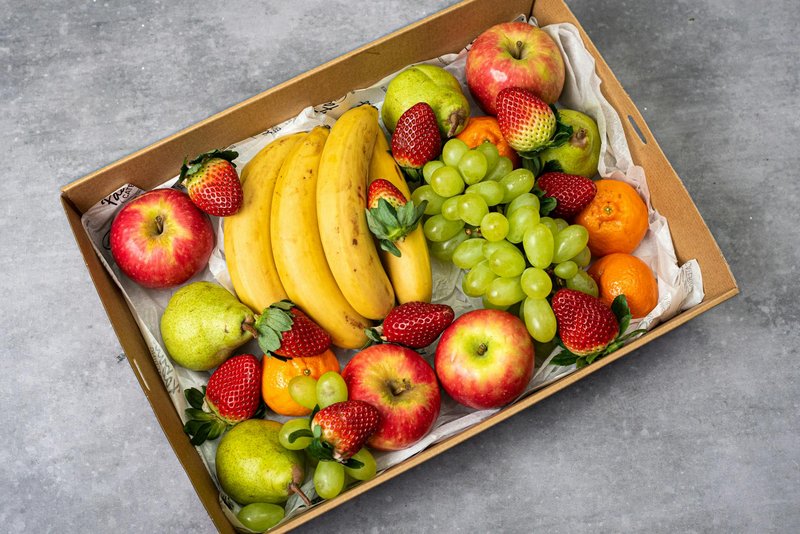
The exact harvest calendar depends on elevation, local weather, and variety, but the broad seasonality looks something like this:
| Fruit | Main harvest window |
|---|---|
| Cherries | Late spring to early summer |
| Apricots | Early to mid-summer |
| Peaches | Mid to late summer |
| Plums | Mid to late summer |
| Figs | Late summer to early autumn |
| Grapes | Late summer to autumn |
| Pomegranates | Autumn |
| Apples | Late summer to autumn |
| Pears | Late summer to autumn |
Higher-elevation orchards usually ripen later than lowland ones. That staggered harvest is useful because it stretches the season and keeps markets stocked longer. It also means Armenian fruit isn’t just one big summer event. It’s a moving target.
How Armenians use fruit in food and drink
Fruit in Armenia is not treated like a side hobby. It’s woven into meals, snacks, preserves, and drinks.
- Fresh eating: Market fruit is often eaten quickly, because ripe fruit doesn’t need much help.
- Dried fruit: Apricots, figs, plums, and grapes are commonly dried for storage and snacking.
- Jams and preserves: A practical way to hold onto summer.
- Juices and syrups: Especially pomegranate juice and grape products.
- Wine and brandy: Grapes are central here, and Armenia’s drinking culture has old roots.
Traditional food culture often depends on keeping fruit useful past its short season. Dry it, boil it, press it, or jar it. That’s the pattern.
The Britannica overview of Armenian cuisine touches on the country’s food traditions, while harvest and crop reports from local agriculture ministries often show how important orchards remain to rural life.
Final thoughts
The fruits of Armenia tell you a lot about the country itself: sunny, mountainous, resilient, and unusually attached to what grows from its own soil. Apricots get the headline, but the full story includes grapes, pomegranates, cherries, peaches, plums, apples, pears, and figs. Together, they form a fruit culture that’s practical, seasonal, and deeply rooted in place.
If you think of Armenia only as an apricot country, you’re missing the orchard.