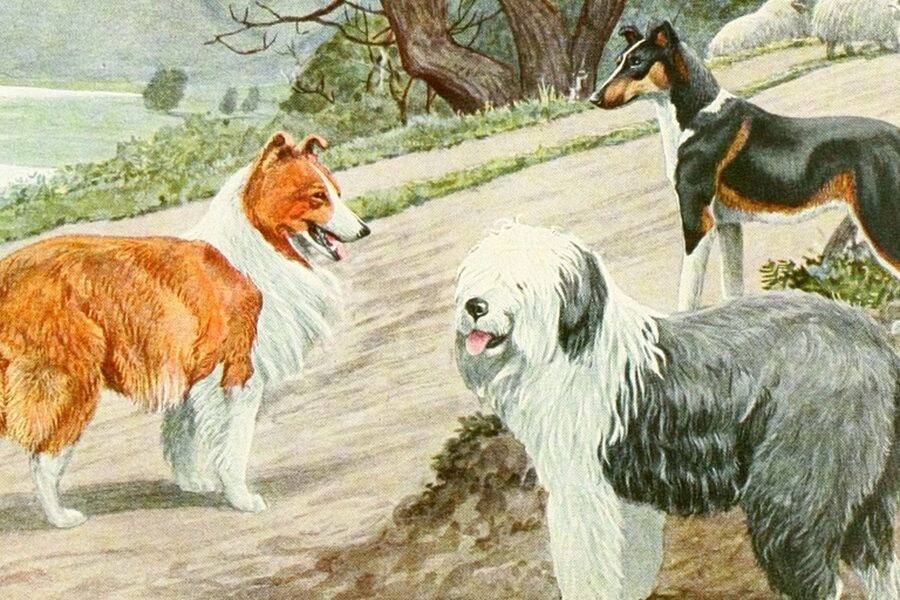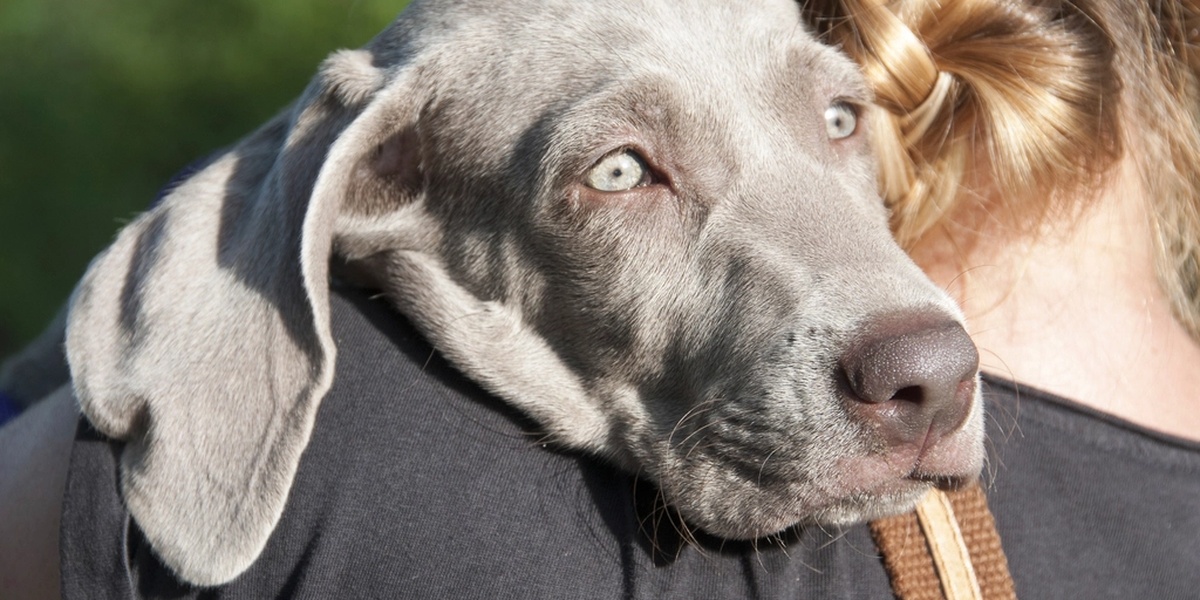
From city sidewalks and beach paths to snowy mountain trails, grey-coated dogs appear in many settings and lifestyles, catching the eye without dominating a scene. Noticing the subtle shades and coat textures helps you spot breeds that suit apartment life, active homes, or families who love long outdoor walks.
There are 34 grey dog breeds, ranging from Alaskan Malamute to Whippet. For each entry, the list shows Scientific name, Typical grey coat types, and Size (kg); you’ll find these details below.
How do I choose the right grey dog breed for my lifestyle?
Match energy level, grooming needs, and size to your daily routine: larger, high-energy types like the Alaskan Malamute need lots of exercise and space, while lean runners such as the Whippet suit calmer homes or sprint-focused activities. Check coat type and shedding, typical lifespan, and whether the breed’s temperament fits children or other pets.
Do grey coats affect health or grooming expectations?
Coat color itself usually doesn’t determine health, but coat type does: double coats shed more and need seasonal care, while short, dilute-grey coats can be prone to sun sensitivity or skin issues in some breeds. Review breed-specific health notes and plan grooming and vet checkups accordingly.
Grey Dog Breeds
| Breed | Scientific name | Typical grey coat types | Size (kg) |
|---|---|---|---|
| Weimaraner | Canis lupus familiaris | Classic silver-gray, dilute blue | 25-40 |
| Great Dane | Canis lupus familiaris | Solid blue, blue brindle, dilute gray | 45-90 |
| Greyhound | Canis lupus familiaris | Blue, blue brindle, steel gray | 25-40 |
| Whippet | Canis lupus familiaris | Blue, blue fawn, dilute gray | 9-20 |
| Italian Greyhound | Canis lupus familiaris | Blue, steel gray, dilute | 4-7 |
| Australian Cattle Dog | Canis lupus familiaris | Blue speckle/blue mottled (blue heeler) | 15-25 |
| Australian Shepherd | Canis lupus familiaris | Blue merle, dilute blue, gray patches | 18-32 |
| Border Collie | Canis lupus familiaris | Blue merle, blue-black, dilute gray | 14-20 |
| Shetland Sheepdog | Canis lupus familiaris | Blue merle, blue-sable, dilute gray | 6-12 |
| Cardigan Welsh Corgi | Canis lupus familiaris | Blue merle, slate-gray markings | 11-17 |
| Kerry Blue Terrier | Canis lupus familiaris | Kerry blue (steel blue) coat | 11-18 |
| Bedlington Terrier | Canis lupus familiaris | Blue-gray, lamb-like coat (dilute) | 8-10 |
| Neapolitan Mastiff | Canis lupus familiaris | Blue-gray, slate, dilute shades | 50-70 |
| Cane Corso | Canis lupus familiaris | Blue, blue brindle, slate gray | 40-50 |
| Doberman Pinscher | Canis lupus familiaris | Blue dilute (steel gray), blue-black | 34-45 |
| French Bulldog | Canis lupus familiaris | Blue, blue brindle, dilute gray | 8-14 |
| Staffordshire Bull Terrier | Canis lupus familiaris | Blue, blue brindle, dilute gray | 11-17 |
| American Staffordshire Terrier | Canis lupus familiaris | Blue, blue brindle, dilute gray | 25-34 |
| American Pit Bull Terrier | Canis lupus familiaris | Blue, blue brindle, dilute gray | 16-30 |
| Blue Lacy | Canis lupus familiaris | Solid blue, blue-gray dilute | 16-25 |
| Scottish Deerhound | Canis lupus familiaris | Blue-gray, steel gray, grizzle | 34-50 |
| Norwegian Elkhound | Canis lupus familiaris | Grizzled gray, wolf-gray coat | 20-30 |
| Keeshond | Canis lupus familiaris | Gray-silver with black shading | 14-20 |
| Siberian Husky | Canis lupus familiaris | Gray agouti, blue-gray, wolf gray | 16-27 |
| Alaskan Malamute | Canis lupus familiaris | Gray sable, wolf-gray, dilute shades | 30-39 |
| Standard Poodle | Canis lupus familiaris | Blue-gray dilute, steel gray, silver | 20-32 |
| English Cocker Spaniel | Canis lupus familiaris | Blue roan, blue tick, slate-gray | 12-15 |
| English Setter | Canis lupus familiaris | Blue belton, blue roan, speckled gray | 20-32 |
| Bluetick Coonhound | Canis lupus familiaris | Bluetick (black-blue speckle), slate-gray | 22-36 |
| Blue Picardy Spaniel | Canis lupus familiaris | Blue roan, slate-gray speckle | 20-30 |
| Australian Kelpie | Canis lupus familiaris | Blue, blue merle, slate-gray | 13-20 |
| Shar-Pei | Canis lupus familiaris | Blue dilute, slate gray, dilute black | 18-30 |
| Irish Wolfhound | Canis lupus familiaris | Grey, blue-gray, brindle-gray | 54-70 |
| Catahoula Leopard Dog | Canis lupus familiaris | Blue merle, slate mottle, dilute gray | 18-36 |
Images and Descriptions
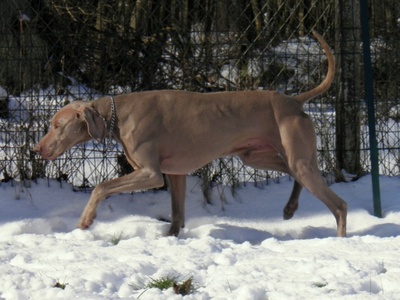
Weimaraner
Originating in Germany, the Weimaraner is an energetic hunting dog known for its sleek silver coat and friendly, intelligent nature. Grey is the breed hallmark and makes them instantly recognizable to active owners who enjoy outdoor activities.
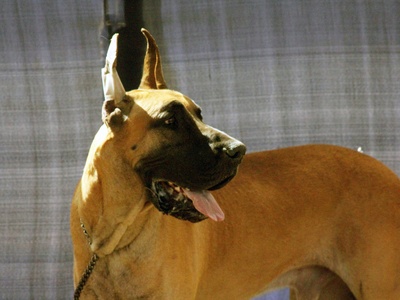
Great Dane
A gentle giant from Germany, Great Danes often appear in blue-gray shades. They are affectionate and patient with families but need space and moderate exercise; the gray coat is a striking, dignified feature on this large breed.
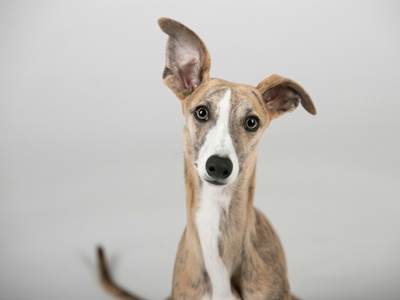
Greyhound
Sleek and athletic, the Greyhound can commonly show blue or gray coats. Known for calm home temperament despite racing roots, they suit owners wanting a gentle, low-maintenance companion with bursts of high-speed exercise.

Whippet
The Whippet is a small, elegant sighthound often seen in blue-gray shades. Affectionate and quiet at home, they need regular sprinting opportunities. Their fine gray coats highlight their streamlined build and graceful movement.

Italian Greyhound
Tiny and elegant, the Italian Greyhound frequently comes in soft gray or blue tones. They are affectionate lap dogs with delicate frames, best for calm households that can provide gentle exercise and warm bedding.
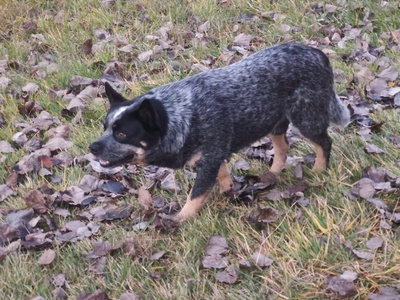
Australian Cattle Dog
Also called the Blue Heeler, this Australian working dog is famed for its blue-speckled coat and high energy. Intelligent and driven, it suits active owners or farms; the blue coloring comes from dense ticking and roaning genetics.
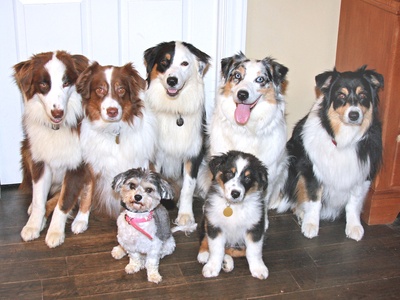
Australian Shepherd
Highly trainable and energetic, Australian Shepherds commonly show blue merle patterns and slate-gray tones. They thrive with tasks and exercise; their striking merle coats and intelligent eyes appeal to owners seeking an active, loyal companion.
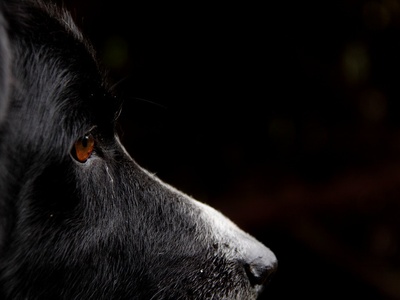
Border Collie
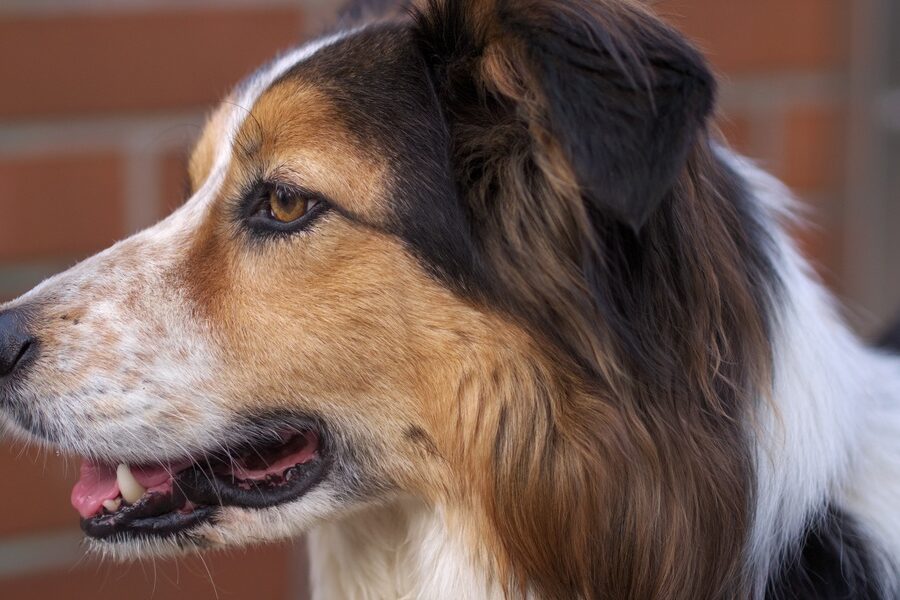
Renowned for herding brilliance, Border Collies often display blue merle or grayish coats. Extremely intelligent and energetic, they need mental stimulation and regular work; their gray markings can be dramatic and varied.

Shetland Sheepdog
Small and agile, Shelties commonly occur in blue merle colors. Bright, affectionate, and easily trained, they enjoy agility and obedience activities. The blue merle pattern lends an attractive marbled gray look to their double coats.
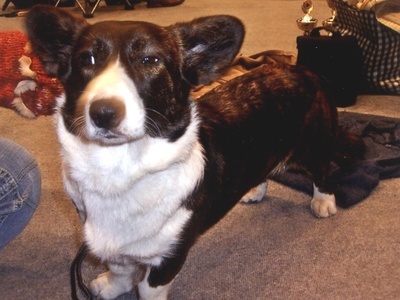
Cardigan Welsh Corgi
The Cardigan is an ancient herding breed that often sports blue merle coats. Loyal and versatile, Cardigans are calm family dogs who enjoy walks and mental tasks; the gray merle pattern creates distinguished, dappled coloring.

Kerry Blue Terrier
Originating in Ireland, the Kerry Blue Terrier matures into a soft, curly blue-gray coat. Spirited and intelligent, they are good companions for active owners who appreciate grooming; the blue hue is the breed’s hallmark feature.
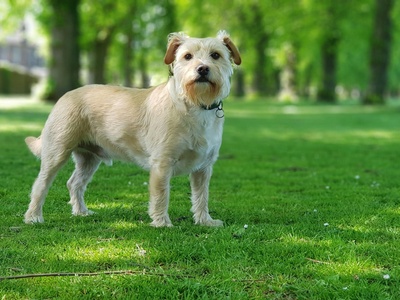
Bedlington Terrier
Recognizable for its lamb-like silhouette and soft blue-gray coat, the Bedlington Terrier is gentle and energetic. Adaptable to city or country living, its unique gray coloring and wiry-curly hair require regular grooming attention.
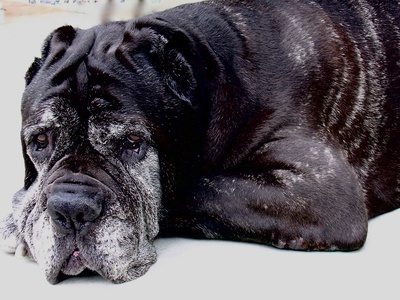
Neapolitan Mastiff
A massive Italian guardian with loose skin and a broad head, the Neapolitan Mastiff often appears in blue-gray tones. Calm and protective, they are devoted to family but require experienced handling; the gray coat enhances their imposing presence.
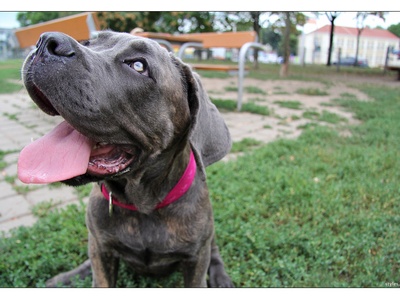
Cane Corso
An Italian mastiff breed, the Cane Corso commonly comes in blue or gray shades. Alert, protective, and loyal, they make strong family guardians for owners who provide firm training and consistent exercise; the gray color adds to their noble look.
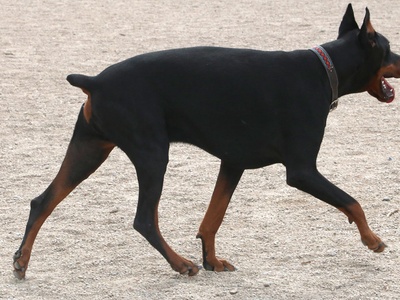
Doberman Pinscher
Sleek and intelligent, Dobermans can carry the dilute gene producing blue-gray coats. Loyal and trainable with strong guarding instincts, they fit active households; blue Dobermans are less common and sometimes linked to specific bloodlines.
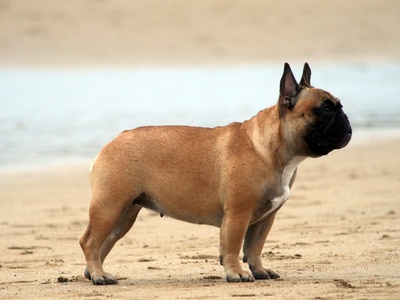
French Bulldog
Compact and affectionate, French Bulldogs frequently come in blue or blue-brindle colors. They make charming apartment companions, but blue lines can carry health and breeding controversies; prospective owners should seek reputable breeders for healthy lines.

Staffordshire Bull Terrier
Stocky and affectionate, the Staffordshire Bull Terrier often displays solid blue coats. Known for a loving, people-oriented temperament, they need proper socialization and exercise; the blue color accentuates their sturdy, muscular build.
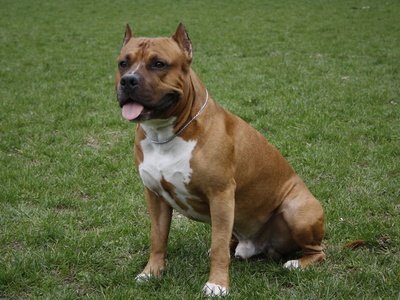
American Staffordshire Terrier
AmStaffs commonly show blue shades and are loyal, confident companions. With strong muscle and intelligence, they need consistent training and activity. The blue coat is widespread among working and companion lines, prized for its dramatic look.
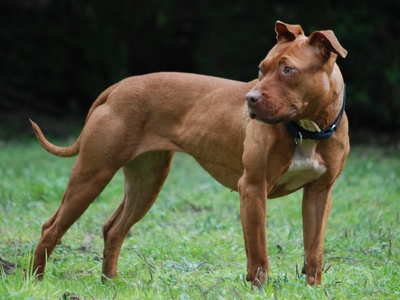
American Pit Bull Terrier
Pit Bull-type dogs frequently display blue or gray coats. Known for loyalty and strength, they require firm, positive training and socialization. Blue coloring is common across many lines but buyers should prioritize responsible breeding and temperament testing.
Blue Lacy
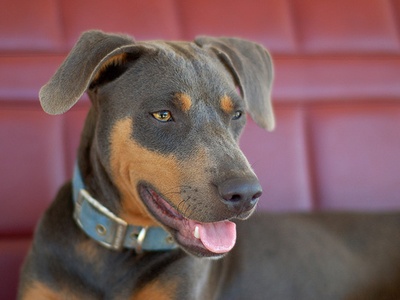
Texas’s state dog, the Blue Lacy is a working breed prized for hunting and herding. Typically sporting a smooth blue-gray coat, they are energetic, intelligent, and loyal—best for active owners or working environments.

Scottish Deerhound
A tall, gentle sighthound from Scotland, the Deerhound often shows gray or blue-gray coats. Calm and dignified with a friendly nature, they suit homes with space. Their soft gray coloring emphasizes the breed’s noble, ancient look.
Norwegian Elkhound
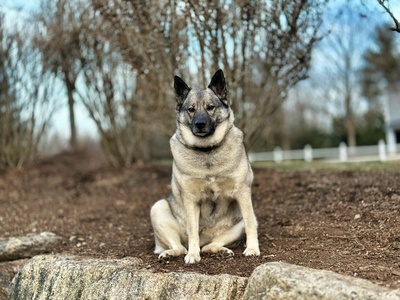
A hardy Nordic hunting breed, the Norwegian Elkhound has a dense gray, wolf-like coat. Bold, independent, and affectionate with family, they enjoy active outdoor life; their classic gray makes their Scandinavian heritage obvious.

Keeshond
The Keeshond is a cheerful companion known for a plush gray-and-silver coat with dark accents. Social and alert, they make excellent family dogs and watchdogs; their abundant gray fur requires regular grooming to stay healthy and bright.
Siberian Husky
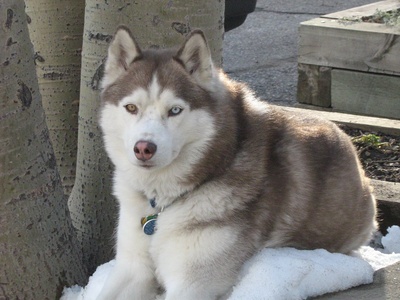
Siberian Huskies frequently show gray or wolf-like coats alongside striking blue eyes. Energetic and pack-oriented, they need vigorous exercise and firm leadership. Gray coloring contributes to their wolfish, Arctic appearance beloved by many enthusiasts.
Alaskan Malamute
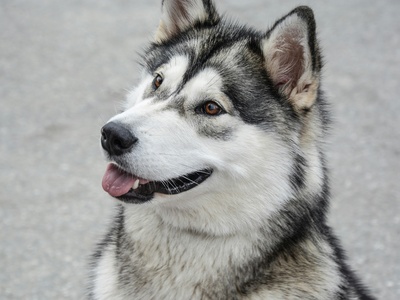
Powerful and affectionate, the Alaskan Malamute commonly appears in gray and wolf-like shades. Bred for heavy work, they require strong leadership and regular exercise; their gray coat underscores their sled-dog heritage and robust build.
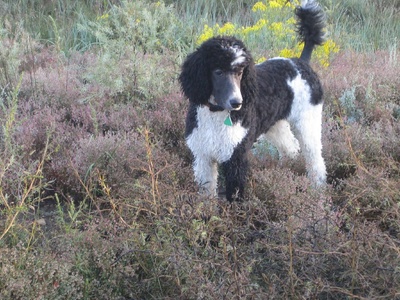
Standard Poodle
Poodles can carry dilute genes producing blue-gray or silver coats. Intelligent, highly trainable, and hypoallergenic in many cases, Standard Poodles suit active families. Blue-gray Poodles are eye-catching but less common than other standard colors.

English Cocker Spaniel
The English Cocker often exhibits blue roan or blue-ticked coats. Affectionate and merry, they thrive with activity and affection; the roan pattern creates a soft, speckled gray appearance prized by hunters and pet owners alike.
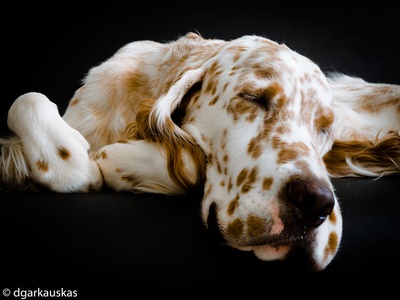
English Setter
Elegant and gentle, English Setters commonly show blue belton or roan patterns with grayish tones. Friendly and active, they suit outdoorsy families who enjoy bird work and long walks; the blue speckling gives them a graceful, mottled look.
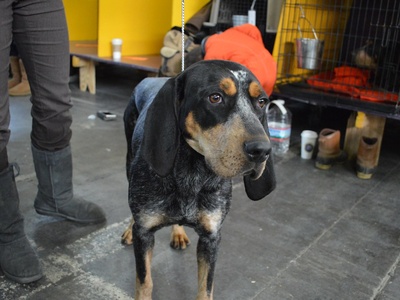
Bluetick Coonhound
Bred for tracking, the Bluetick Coonhound features distinctive blue-black ticking on a white background. Vocal and energetic, they make excellent hunters and active companions. The “blue” ticking gives a smoky, speckled gray impression.

Blue Picardy Spaniel
A French gundog with a soft blue-roan coat, the Blue Picardy Spaniel is calm, eager to please, and excellent in the field. Their gray-speckled coloring is natural to the breed and attractive to hunting families.
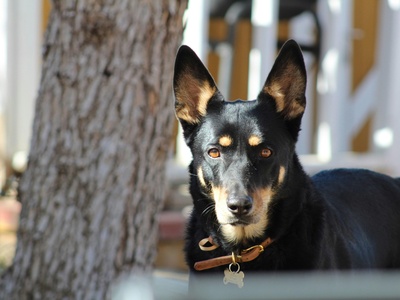
Australian Kelpie
A hardworking herding dog from Australia, Kelpies often occur in blue or blue-merle shades. Energetic, intelligent, and intensely driven, they suit experienced handlers or busy farms; their blue tones are functional and common in livestock lines.
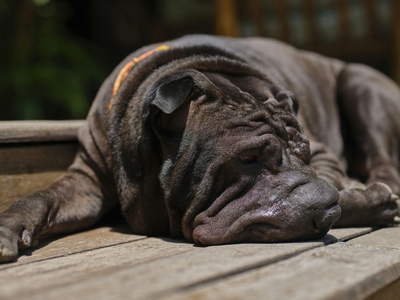
Shar-Pei
Chinese Shar-Peis can carry the dilute gene producing blue-gray coats. Independent and loyal, they require early socialization and health-aware breeding due to breed-specific concerns; the blue color is striking but can be linked with genetic lines needing caution.
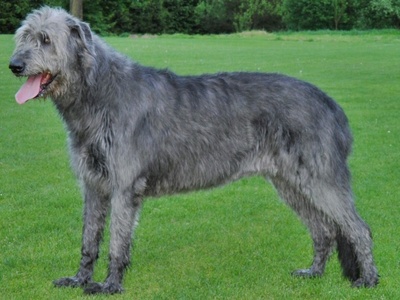
Irish Wolfhound
Among the tallest breeds, the Irish Wolfhound often appears in gray or blue-gray hues. Gentle, dignified, and calm, they make imposing yet affectionate companions. Their soft gray coat emphasizes the breed’s ancient hound heritage and noble bearing.
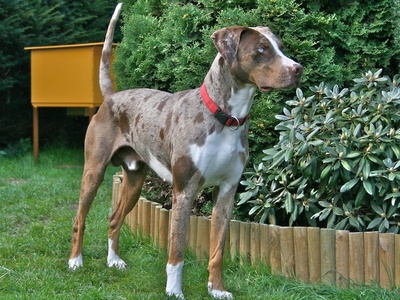
Catahoula Leopard Dog
The Catahoula is a versatile American working dog known for striking merle and mottled coats in gray and blue shades. Energetic and independent, they excel at herding and outdoor work; their gray patterns are varied and eye-catching.