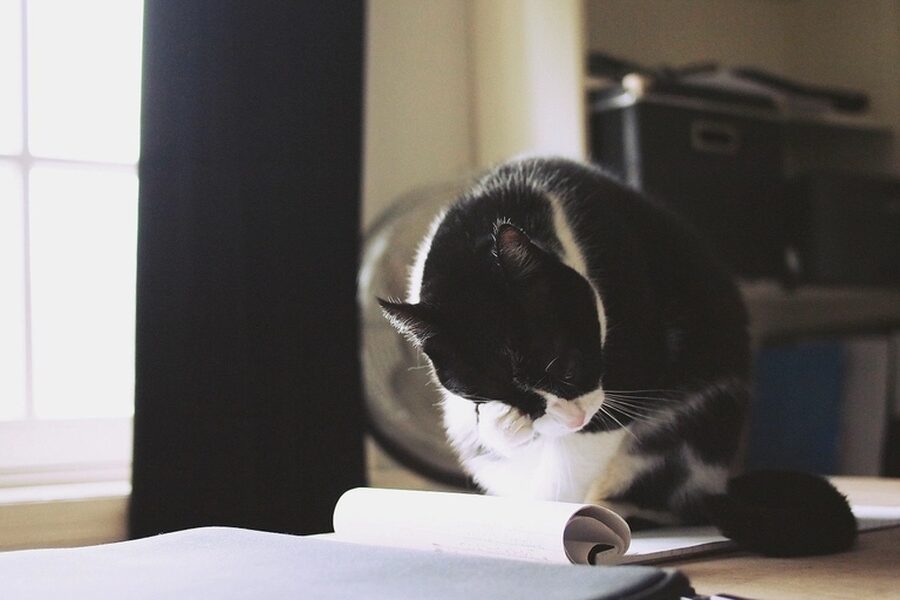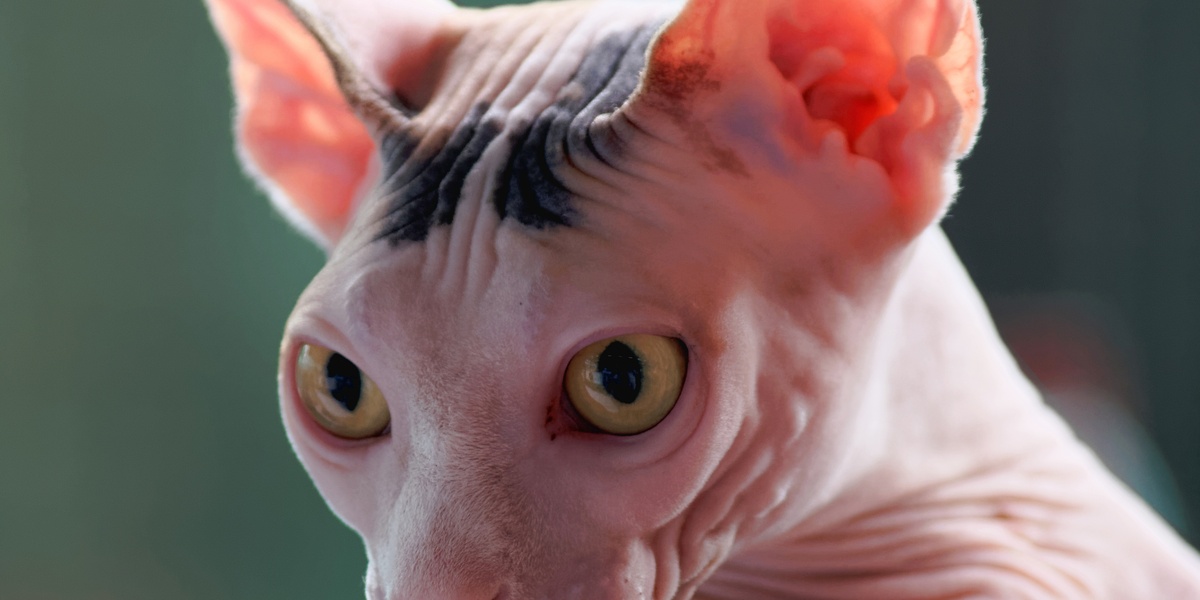
Hot summers and humid coasts change what a comfortable home looks like for cats, and where you live—city heat islands, deserts, or tropical regions—makes breed choice more important than many owners expect. Picking a cat that handles heat well can reduce vet visits and keep indoor life calmer during peak temperatures.
There are 22 hot weather cat breeds, ranging from Abyssinian to Ukrainian Levkoy. For each, the list below shows Scientific name,Origin,Heat adaptation (<=15 words); you'll find below.
How can I tell if a breed is suited to hot climates?
Look for traits tied to warm origins: short or thin coats, large ears, lean bodies, and a history from tropical or arid regions. Those physical signs, plus notes on behavior and origin in the breed entry, help you judge heat tolerance and likely comfort in your home.
What specific care do heat-tolerant breeds still need?
Even heat-adapted cats need shade, constant fresh water, well-ventilated or cooled indoor spaces, and monitored outdoor time during peak sun; watch for panting, drooling, or lethargy as warning signs and consult a vet for heat-stress guidance.
Hot Weather Cat Breeds
| Breed | Scientific name | Origin | Heat adaptation (<=15 words) |
|---|---|---|---|
| Sphynx | Felis catus | Canada | Hairless; minimal fur allows efficient heat dissipation |
| Peterbald | Felis catus | Russia | Hairless or very short coat; thin skin dissipates heat well |
| Donskoy | Felis catus | Russia | Hairless; naked skin enables rapid heat loss |
| Bambino | Felis catus | United States | Hairless Munchkin cross; exposed skin suited to warm climates |
| Ukrainian Levkoy | Felis catus | Ukraine | Hairless with folded ears; low insulation improves heat tolerance |
| Cornish Rex | Felis catus | United Kingdom | Very short, fine wavy coat with little undercoat for heat tolerance |
| Devon Rex | Felis catus | United Kingdom | Thin, curly coat and low underfur help dissipate heat |
| Siamese | Felis catus | Thailand | Short, fine coat from tropical origin tolerates heat well |
| Oriental | Felis catus | Thailand | Very short coat and lean body promotes heat tolerance |
| Burmese | Felis catus | Myanmar | Short glossy coat and tropical origin aid heat tolerance |
| Abyssinian | Felis catus | Ethiopia/East Africa | Short, ticked coat from East Africa adapted to warm climates |
| Bengal | Felis catus | United States (Asian leopard cat ancestry) | Short, sleek coat and warm-region ancestry improve heat tolerance |
| Savannah | Felis catus | United States (serval hybrid) | Hybrid with African serval ancestry; short coat suited to warm climates |
| Egyptian Mau | Felis catus | Egypt | Natural breed from Egypt with short, spotted coat adapted to heat |
| Singapura | Felis catus | Singapore | Very short coat and tropical origin make it heat-tolerant |
| Korat | Felis catus | Thailand | Short silver-blue coat from tropical origin tolerates heat well |
| Khao Manee | Felis catus | Thailand | Short white coat from tropical origin tolerates warm climates |
| Sokoke | Felis catus | Kenya | Natural coastal Kenyan breed with short coat suited to warm, humid climate |
| Arabian Mau | Felis catus | Arabian Peninsula | Native desert breed with short fine coat adapted to heat |
| Chausie | Felis catus | United States (jungle cat hybrid) | Hybrid with jungle cat ancestry; short coat and warm-region genes boost heat tolerance |
| Serengeti | Felis catus | United States (Bengal/Oriental lines) | Short coat and warm-region genetics modelled after serval aid heat tolerance |
| Ocicat | Felis catus | United States | Short sleek coat with warm-region ancestry traits supports heat tolerance |
Images and Descriptions
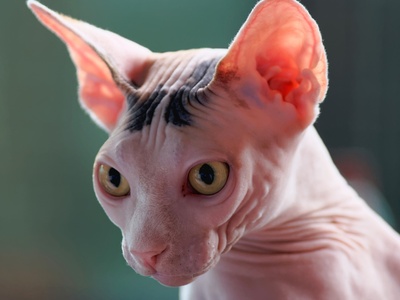
Sphynx
The Sphynx is hairless and loves warm spots; needs sun protection, regular bathing to remove oils, and indoor climate control. Excellent indoor pets; supervised sun exposure and light clothing in direct sun recommended to prevent sunburn and overheating.
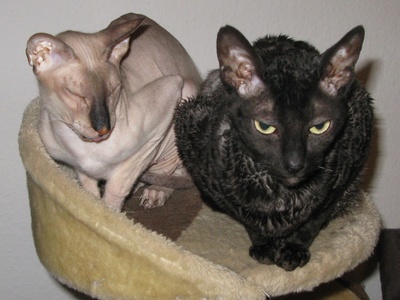
Peterbald
Hairless or very short coat; slender body dissipates heat. Keep indoors in shade, moisturize skin occasionally, protect from sunburn, and provide warm, draft-free resting spots. Active, social cats that enjoy indoor play and cooling pads.

Donskoy
Hairless genetic trait allows efficient heat loss. Require indoor temperature control, sun protection, regular skin care, and cozy bedding. Affectionate and social — suited to warm indoor homes rather than outdoor roaming; watch for cold drafts despite heat tolerance.
Bambino
Bambino cats are hairless with short legs; skin exposes them to sun and heat. Indoor-only recommended, moisturize skin, avoid prolonged sun, ensure easy access to water and shaded cool areas. Playful companions that prefer cozy warm spots.
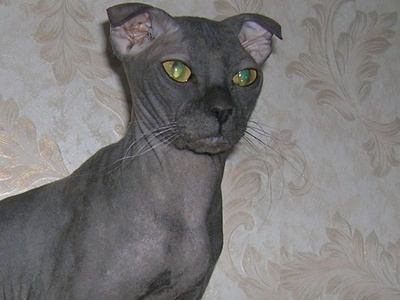
Ukrainian Levkoy
Hairless with folded ears, tolerates warmth but needs sun protection, frequent skin care, and indoor temperature stability. Social and active; avoid cold drafts, provide shaded windows and hydration, and monitor for skin irritation from heat or sweat.
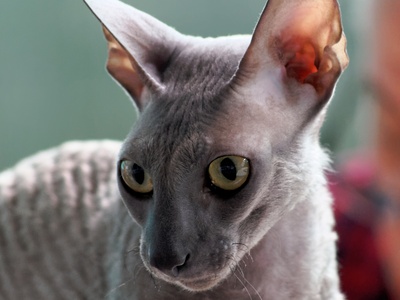
Cornish Rex
Very short, fine wavy coat and low fur density aids heat tolerance. Require sunscreen caution, regular grooming to remove oils, and indoor shaded spots. Energetic and people-oriented; suited to indoor life in warm climates with cooling pads.
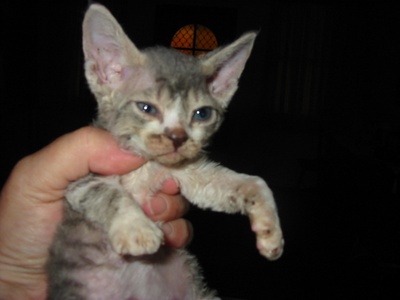
Devon Rex
Thin, curly coat and low underfur help heat dissipation. Needs warmth in cool nights but tolerates heat; regular ear and skin checks, indoor shade, and fresh water. Affectionate lap cats that prefer indoor climate control.
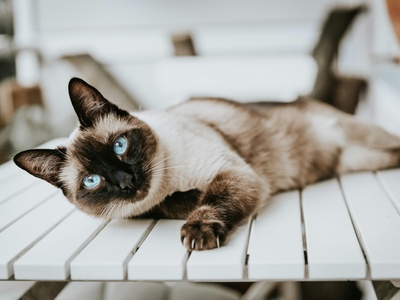
Siamese
Short, fine coat from tropical Thailand allows good heat tolerance. Needs cool resting places, hydration, and supervision in direct sun. Vocal and social indoor companions; outdoor in shaded, predator-safe areas only.
Oriental
Very short coat and lean body share heat tolerance with Siamese relatives. Provide shaded indoor spaces, hydration, and air circulation. Active, vocal cats enjoy indoor environments and supervised shaded outdoor time.
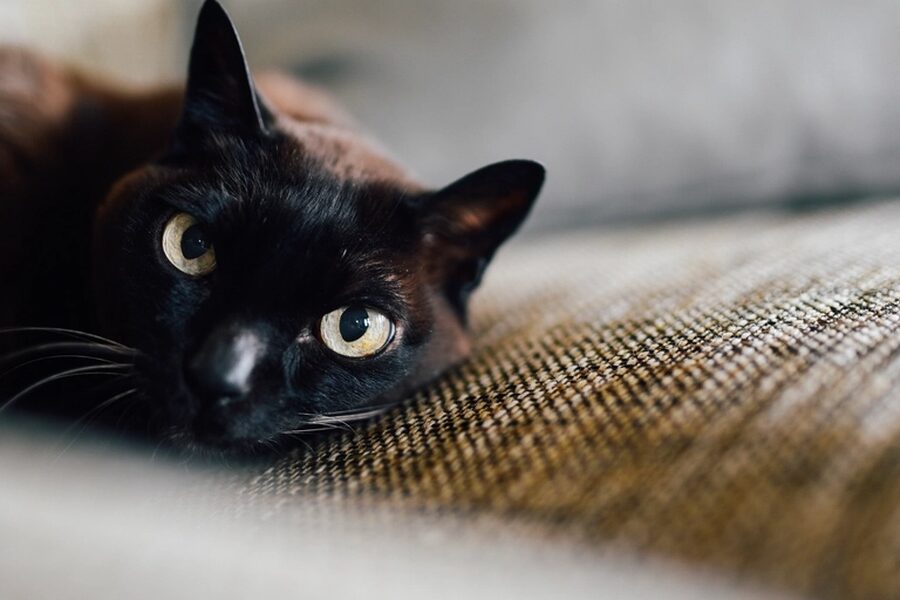
Burmese
Short glossy coat and tropical Southeast Asian origin give good heat tolerance. Keep indoors with cool spots, fresh water, and shaded windows. Affectionate and people-focused; avoid prolonged midday sun exposure.
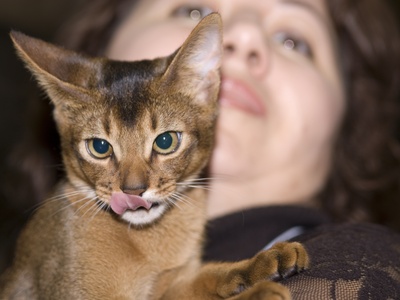
Abyssinian
Originating in East Africa with short, ticked coat suited to warm climates. Provide hydration, shaded resting areas, and mental enrichment. Active and curious; thrives indoors with access to cool surfaces during hot weather.
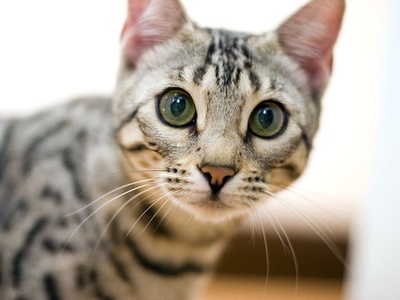
Bengal
Derived from Asian leopard cat ancestry; short sleek coat and warm-region genes support heat tolerance. Needs water, shaded outdoor access or cool indoor areas, and active enrichment. Energetic and muscular — supervise outdoor time.
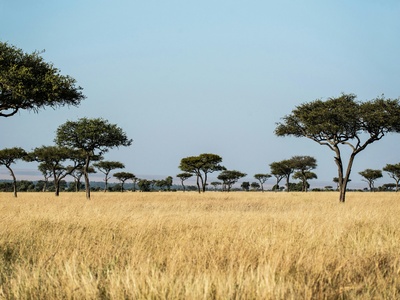
Savannah
Hybrid with African serval ancestry; short coat and wild genes adapted to warm climates. Require secure outdoor enclosures, plenty of shade, hydration, and space. High-energy, social cats better suited to experienced owners in warm regions.
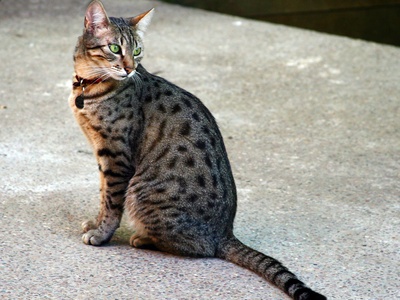
Egyptian Mau
Natural breed from Egypt with short spotted coat adapted to hot climates. Provide cool resting sites, hydration, sun-safe shaded outdoor time, and regular grooming. Agile, affectionate cats that tolerate warm homes well.
Singapura
Tiny, short-coated cat from Singapore adapted to tropical heat. Needs shady spots, constant water, and indoor cooling; social and active with a penchant for perches and cool tile floors for comfort.
Korat
Thai origin with short silver-blue coat and good heat tolerance. Enjoys indoor life with cool resting spots, shaded windows, and hydration. Playful and people-focused — supervise outdoor access to shaded, safe areas.
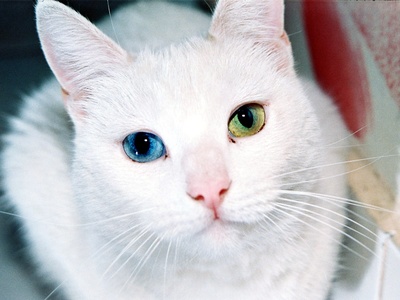
Khao Manee
Rare Thai breed, short white coat from tropical origin tolerates heat. Needs sun protection to prevent burns, cool indoor spots, hydration, and regular attention. Vocal and affectionate, thrives as indoor companion in warm climates.
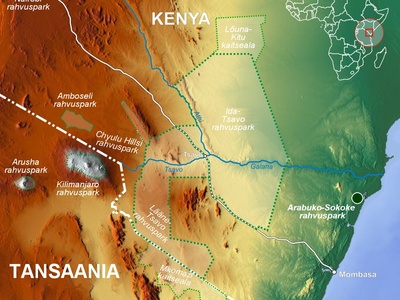
Sokoke
Natural breed from coastal Kenya with short tabby coat adapted to warm, humid climate. Provide shaded outdoor areas, cool indoor spots, hydration, and enrichment. Agile and active; does well in warm homes with vertical space.
Arabian Mau
Native to Arabian Peninsula with short fine coat adapted to desert heat. Needs cool shelter, constant fresh water, shaded outdoor access, and parasite prevention. Hardy, independent cats suited to hot urban or rural homes.
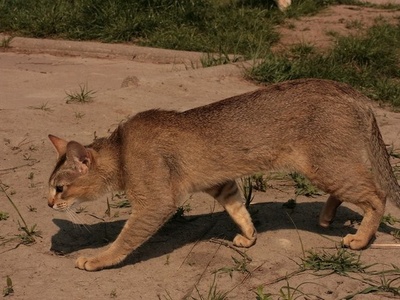
Chausie
Hybrid of jungle cat and domestic strains; short coat and wild ancestry from warm regions aid heat tolerance. Require secure outdoor enclosures, shade, water, and lots of space. Active and curious — experienced owners recommended.
Serengeti
Developed from Bengal and Oriental lines to mimic serval; short coat and warm-region genetics support heat tolerance. Provide shade, water, secure outdoor space, and enrichment. Energetic, tall cats best suited to warm climates with owner experience.
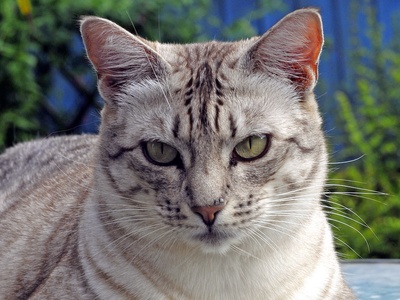
Ocicat
Short, dense but sleek coat with ancestry from Abyssinian and Siamese lends heat tolerance. Needs indoor cool spots, hydration, and active play; outdoor shaded time ok with supervision. Social and energetic—good in warm homes.