From African savannas to Southeast Asian rainforests, some plants dominate their surroundings simply by size. They shape ecosystems, provide habitat for many species and stand out in both wild and managed landscapes.
There are 30 huge plants, ranging from African baobab to Yellow meranti. For each species the data are organized as Scientific name, Max height (m), Native range, which you’ll find below.
How reliable are the reported heights for these species?
Reported heights come from a mix of field measurements, forestry records and scientific literature; methods and sample sizes vary, so treat numbers as typical maximums rather than exact limits. Local conditions, age and measurement technique can cause substantial variation, and sources often list ranges or notable recorded specimens.
What helps a species like African baobab or Yellow meranti reach such sizes?
Growth to great height depends on genetics plus long-term access to resources: stable climate, deep or fertile soils, sufficient rainfall, low disturbance and time to mature. Pests, fire, land use change and competition can all limit maximum size even for species genetically capable of growing very tall.
Huge Plants
| Common name | Scientific name | Max height (m) | Native range |
|---|---|---|---|
| Coast redwood | Sequoia sempervirens | 115.00 | Western North America; California, USA |
| Giant sequoia | Sequoiadendron giganteum | 95.00 | Sierra Nevada, California, USA |
| Mountain ash | Eucalyptus regnans | 100.00 | Southeastern Australia; Tasmania |
| Douglas-fir | Pseudotsuga menziesii | 99.00 | Western North America; USA, Canada |
| Sitka spruce | Picea sitchensis | 90.00 | Pacific Northwest; USA, Canada |
| Yellow meranti | Shorea faguetiana | 90.00 | Borneo; Malaysia, Brunei, Indonesia |
| Karri | Eucalyptus diversicolor | 90.00 | Southwestern Australia |
| Sugar pine | Pinus lambertiana | 83.00 | Western USA; Sierra Nevada, Cascades |
| Wax palm | Ceroxylon quindiuense | 60.00 | Andes; Colombia |
| Moreton Bay fig | Ficus macrophylla | 60.00 | Eastern Australia |
| Kapok | Ceiba pentandra | 70.00 | Tropical Americas, West Africa |
| Bunya pine | Araucaria bidwillii | 45.00 | Queensland, Australia |
| Dawn redwood | Metasequoia glyptostroboides | 45.00 | Central China |
| Montezuma cypress | Taxodium mucronatum | 40.00 | Mexico, Guatemala |
| Coconut palm | Cocos nucifera | 30.00 | Pantropical; coastal tropics |
| Giant bamboo | Dendrocalamus giganteus | 30.00 | Southeast Asia |
| Moso bamboo | Phyllostachys edulis | 28.00 | China, East Asia |
| Guadua bamboo | Guadua angustifolia | 30.00 | Northern South America; Colombia, Ecuador |
| Giant banana | Musa ingens | 15.00 | New Guinea |
| Grandidier’s baobab | Adansonia grandidieri | 30.00 | Madagascar |
| African baobab | Adansonia digitata | 25.00 | Sub-Saharan Africa |
| Raffia palm | Raphia regalis | 18.00 | Central and West Africa |
| Titan arum | Amorphophallus titanum | 3.00 | Sumatra, Indonesia |
| Rafflesia | Rafflesia arnoldii | 1.50 | Sumatra, Borneo |
| Giant water lily | Victoria amazonica | 3.00 | Amazon Basin; Brazil, Bolivia, Peru |
| Giant rhubarb | Gunnera manicata | 3.00 | Brazil (Atlantic forests) |
| Ethiopian banana | Ensete ventricosum | 10.00 | Ethiopia, East Africa |
| Traveler’s palm | Ravenala madagascariensis | 10.00 | Madagascar |
| Rattan | Calamus manan | 200.00 | Southeast Asia; Malaysia, Indonesia |
| Giant taro | Alocasia macrorrhiza | 3.00 | Southeast Asia; Pacific Islands |
Images and Descriptions
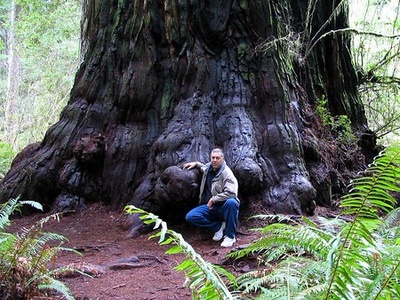
Coast redwood
Iconic evergreen tree reaching record heights near 115.00 m. Tall, straight trunks form coastal forests; largest living trees by height. Native to foggy California coast, they support unique ecosystems and include the tallest known individual, Hyperion.
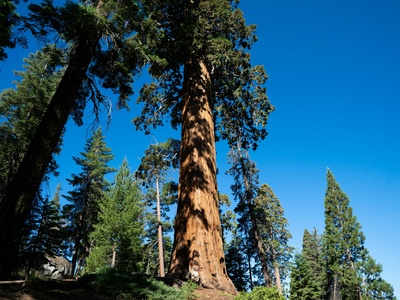
Giant sequoia
Massive coniferal giants with tremendous trunk volumes rather than extreme height, reaching about 95.00 m. Endemic to the Sierra Nevada, they form groves, live millennia, and include General Sherman—the largest tree by wood volume on Earth.
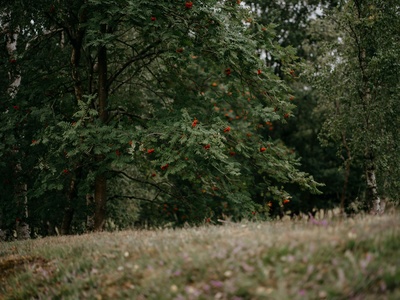
Mountain ash
One of the tallest flowering plants, mountain ash can exceed 100.00 m in ideal Tasmanian and Victorian forests. Fast-growing eucalypt with straight boles, it dominates wet forests and once produced some of the tallest known angiosperm individuals.
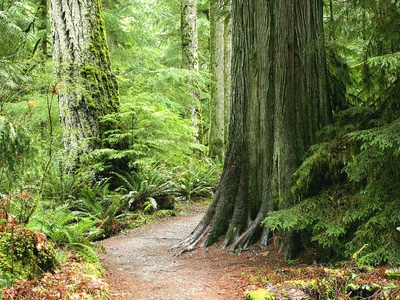
Douglas-fir
A core west coast conifer, Douglas-fir attains near-century-meter heights in prime old-growth sites. Reaching roughly 99.00 m, it forms towering forests from California to British Columbia and is prized for timber and ecological importance.
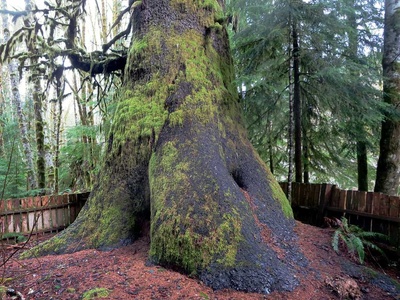
Sitka spruce
Sitka spruce is a tall coastal conifer reaching about 90.00 m along the Pacific Northwest. It forms monodominant stands on foggy coasts, supports wildlife, and supplies strong wood used in instruments and construction.

Yellow meranti
A towering tropical dipterocarp from Borneo that can reach around 90.00 m, Shorea faguetiana is among the tallest tropical angiosperms. It shapes lowland rainforests and is notable for record individuals in Southeast Asian forests.
Karri
Karri trees are giant eucalypts of southwest Australia reaching about 90.00 m. With smooth red trunks and tall straight forms they dominate karri forests and historically produced some of the tallest native trees in Australia.
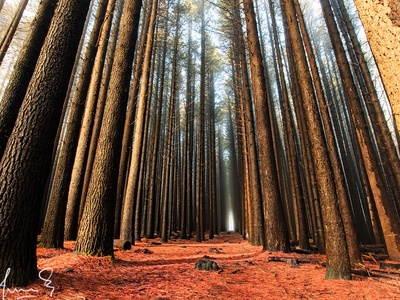
Sugar pine
Sugar pine is the tallest pine species, reaching around 83.00 m in Sierra Nevada and Cascade forests. It has very long cones and slender crowns, forming significant components of montane coniferous ecosystems.
Wax palm
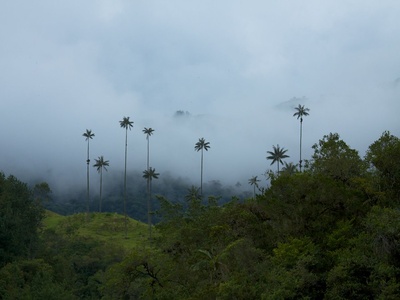
Colombia’s Quindío wax palm can reach about 60.00 m and bears the longest palm crowns in Andean cloud forests. Tall, slender trunks and feathered crowns make it Colombia’s national tree and an emblem of high-elevation páramo-forest.
Moreton Bay fig
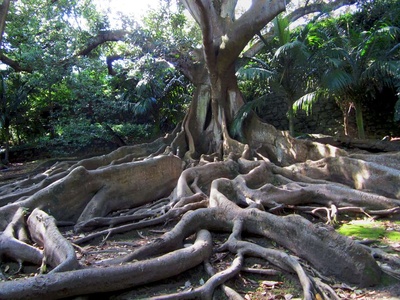
Moreton Bay fig grows to roughly 60.00 m with expansive canopies and sweeping buttress and aerial root systems. Native to eastern Australia, it forms massive shade trees and famous historic specimens in urban parks.
Kapok
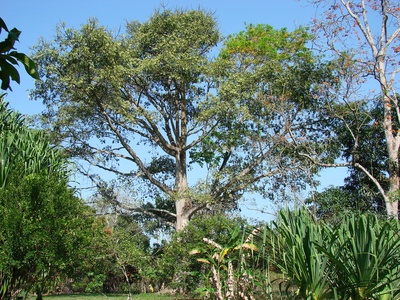
Kapok trees reach about 70.00 m across tropical America and West Africa. Tall emergent trees with broad buttressed trunks, they produce lightweight seed floss, provide habitat for canopy wildlife, and dominate many lowland rainforests.
Bunya pine
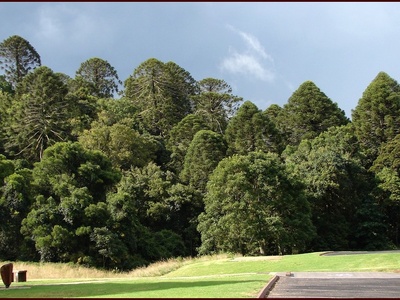
Bunya pines reach around 45.00 m and form imposing, conical crowns with massive cone production. Native to Queensland rainforests, they have cultural significance to Indigenous Australians and are notable for enormous seed-bearing cones.
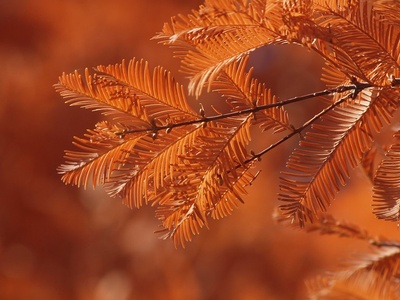
Dawn redwood
Once thought extinct, dawn redwood grows to about 45.00 m. A deciduous conifer from China, it forms pyramidal crowns in wet soils, was rediscovered in the 20th century and widely planted as an ornamental and conservation species.
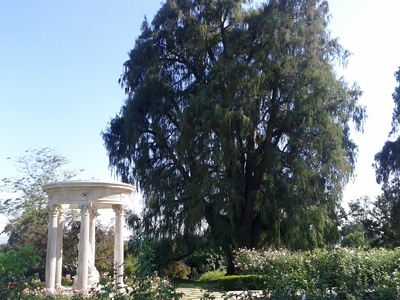
Montezuma cypress
Montezuma cypress can reach about 40.00 m and develops enormous trunk girths; famous specimens include Mexico’s Árbol del Tule. It grows along rivers and lakes, tolerating seasonal flooding while supporting diverse riparian wildlife.
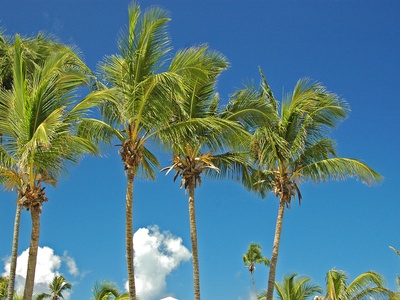
Coconut palm
Coconut palms commonly reach 30.00 m along tropical coasts worldwide. Iconic coastal palms produce coconuts, stabilize shorelines, and are vital to human economies; tall varieties and wild stands form classic tropical silhouettes.
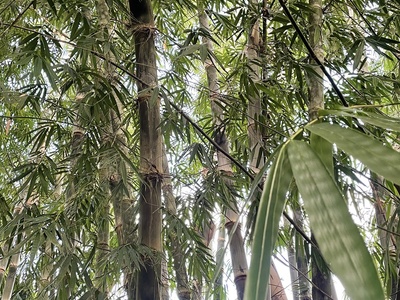
Giant bamboo
One of the world’s tallest bamboo species, Dendrocalamus giganteus reaches about 30.00 m with massive woody culms. It forms dense groves in Southeast Asia and is important for construction, erosion control and habitat.
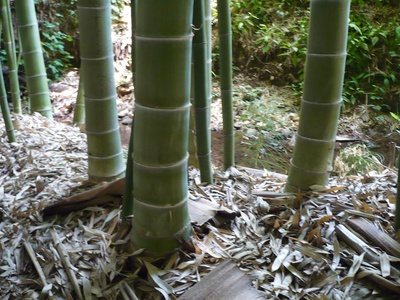
Moso bamboo
Moso bamboo grows to roughly 28.00 m and produces thick, timber-grade culms used for flooring and construction. Dominant in Chinese and Taiwanese bamboo forests, it supports diverse fauna and fast carbon sequestration.
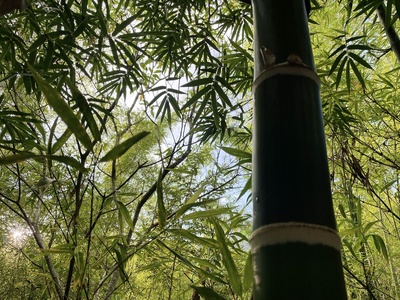
Guadua bamboo
Guadua is a giant Neotropical bamboo reaching about 30.00 m and often exceeding 20 cm culm diameter. It forms large clumps in Andean foothills and plains, valued as a sustainable construction material and ecological engineer.
Giant banana
Musa ingens forms towering herbaceous stems reaching about 15.00 m with leaves several meters long in New Guinea montane forests. It is the largest wild banana species, notable for its enormous foliage and massive inflorescences.
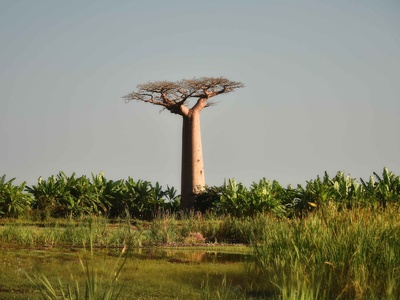
Grandidier’s baobab
Madagascar’s Grandidier baobab reaches around 30.00 m with enormous swollen trunks storing water. Iconic in dry deciduous forests, these long-lived trees are notable for size, silhouette, and cultural importance on Madagascar’s western plains.
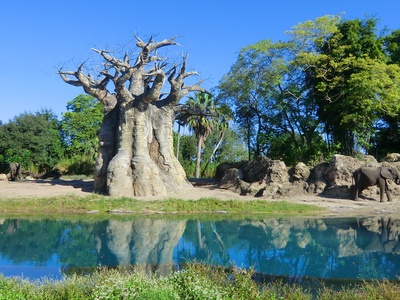
African baobab
The African baobab grows to about 25.00 m, famous for massive bottle-shaped trunks and huge girths storing water. Native across sub-Saharan Africa, ancient specimens can be thousands of years old and culturally revered.
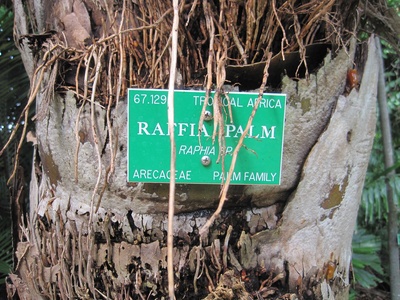
Raffia palm
Raffia palms like Raphia regalis have some of the longest leaves of any plant—up to 25.00 m—while trunks may be modest. Native to African wetlands, their enormous fronds are used for fibers, roofing and weaving.
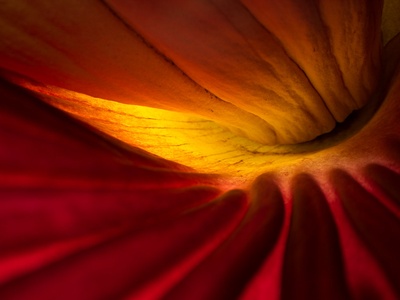
Titan arum
Titan arum produces the world’s tallest unbranched inflorescence, over 3.00 m, and a famously pungent bloom. Native to Sumatran rainforests, it is notable for rare, dramatic flowering events in wild and botanical collections worldwide.
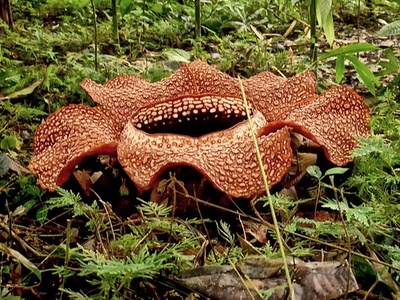
Rafflesia
Rafflesia produces the largest single flower, with diameters up to about 1.50 m. A parasitic Southeast Asian plant lacking visible leaves, it emits a strong odor to attract pollinators and remains a botanical curiosity.
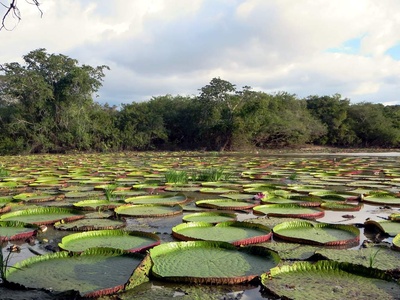
Giant water lily
The giant water lily has floating leaves over 3.00 m across that support heavy weight. Native to the Amazon Basin, its dramatic pads and large nocturnal flowers make it an iconic aquatic plant of tropical floodplain lakes.
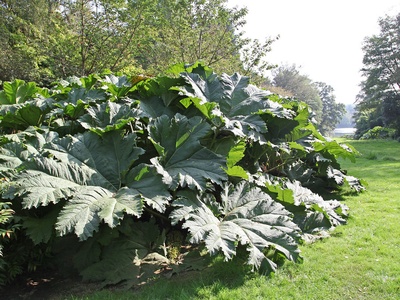
Giant rhubarb
Gunnera manicata produces huge rosette leaves often exceeding 2–3 m across and stout rhizomes. Native to Brazilian montane wetlands, it forms bold architectural clumps in riparian zones and ornamental plantings where conditions permit.
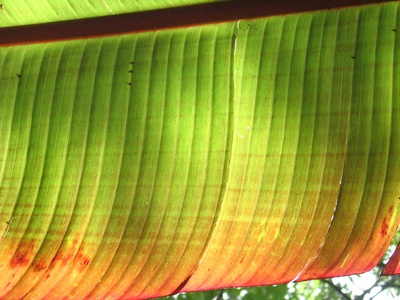
Ethiopian banana
The Ethiopian banana reaches about 10.00 m with thick pseudostems and very large leaves. It is a staple in highland East African agriculture and notable for its size, food value and large, cabbage-like flowering structures.
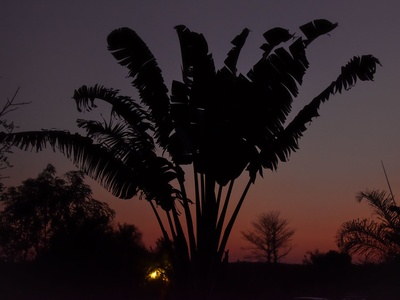
Traveler’s palm
Traveler’s palm forms fan-like leaves up to 3.00 m and typically grows near 10.00 m. Endemic to Madagascar, its distinctive fan silhouette stores rainwater in leaf bases and provides roosts and shelter for wildlife.
Rattan
Climbing rattan Calamus manan can produce canes reportedly exceeding 200.00 m in length, scrambling through rainforest canopies. Native to Southeast Asia, these long flexible stems are harvested for furniture and handicrafts and are wild lianas.
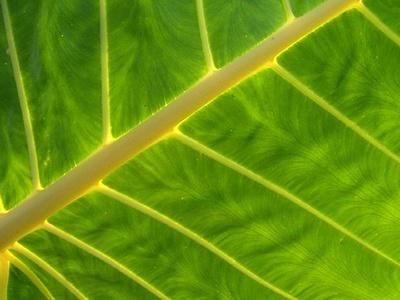
Giant taro
Giant taro is an aroid with huge leaves often over 2–3 m and stout corms, reaching several meters tall. Native to Southeast Asia and Pacific islands, it grows in moist forests and cultivated contexts for food and shade.