Table of contents
- TL;DR
- What counts as an invasive species in Ivory Coast?
- The main invasive species by habitat
- Where the problem shows up most
- Why invasive species matter
- What’s being done about them
- Conclusion
TL;DR
Invasive species in Ivory Coast are non-native plants, animals, and pathogens that spread fast enough to cause ecological, agricultural, or economic damage. In Côte d’Ivoire, the biggest troublemakers show up in farms, freshwater systems, forests, and urban edges. A few plants do a lot of damage by choking waterways or outcompeting crops, while some insects and diseases hit cassava, cocoa, and other staples hard. The result is messy and expensive: lower yields, blocked irrigation, degraded habitats, and more work for farmers and land managers.
What counts as an invasive species in Ivory Coast?
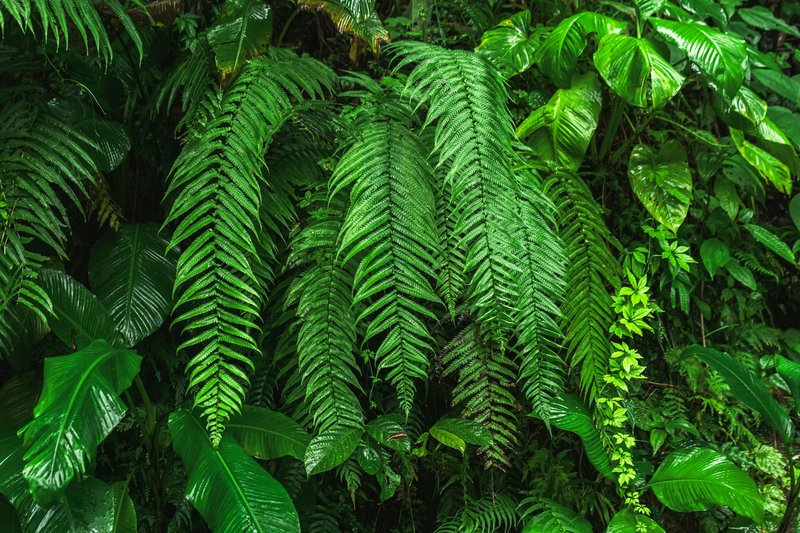
An invasive species isn’t just any foreign species that happens to be in the country. The key difference is behavior. A species becomes invasive when it spreads aggressively and starts causing harm to local biodiversity, agriculture, fisheries, infrastructure, or human livelihoods.
In Ivory Coast, that usually means three broad groups:
- Invasive plants that crowd out native vegetation or clog rivers and lagoons
- Invasive insects and pests that attack crops and stored food
- Invasive aquatic species that spread through wetlands, reservoirs, and slow-moving water
The country’s mix of humid forest, savanna, mangroves, and intensively farmed land gives these species plenty of room to move. And once a fast-growing invader gets a foothold, it doesn’t politely stay put.
For a broader conservation frame, the IUCN Invasive Species Specialist Group is a good starting point on how these threats are defined and tracked. For a broader regional context, see Invasive Species in Africa.
The main invasive species by habitat
Agricultural landscapes
A lot of the most damaging invaders in Côte d’Ivoire show up where land is disturbed: crop fields, fallows, roadsides, and farm edges.
One major example is the cassava mealybug (Phenacoccus manihoti), a pest native to South America that spread widely across Africa and devastated cassava production in many countries. Cassava matters here because it’s a major food security crop. The pest sucks plant sap, weakens growth, and can slash yields. The FAO has long documented how invasive crop pests can trigger serious food and income losses across African farming systems.
Another common problem is the variegated grasshopper (Zonocerus variegatus), which feeds on a wide range of crops and weeds. It isn’t “new” in the way a ship-board stowaway would be, but it behaves like a chronic pest that thrives in altered landscapes and can become highly destructive in mixed farming zones.
Plant invaders also matter here. Fast-spreading weeds such as Chromolaena odorata are notorious across West Africa for taking over fallows and young plantations. It grows quickly, forms dense stands, and makes it harder for useful plants to establish. Farmers don’t need a botanical lecture to know this weed: if it gets a head start, it behaves like it owns the place.
Freshwater systems
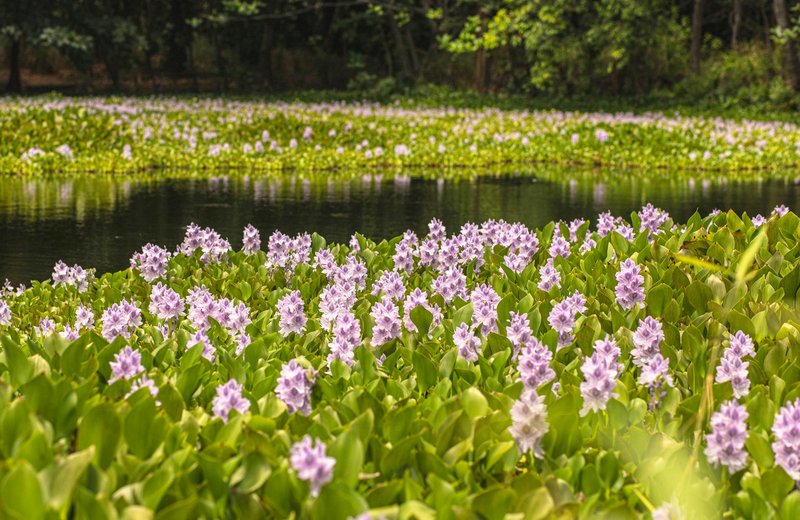
The biggest aquatic villain in many West African countries is water hyacinth (Eichhornia crassipes). It’s one of the world’s most notorious invasive aquatic plants, and its impact is easy to see: dense floating mats that block sunlight, reduce oxygen in the water, slow boats, clog intakes, and create perfect mosquito-friendly stillness. In lagoons, reservoirs, and drainage channels, that turns into a maintenance problem fast.
Another aquatic plant that often shows up in the same conversations is giant salvinia (Salvinia molesta), a floating fern that can blanket water surfaces and disrupt fisheries and irrigation. The exact species present and their local spread can vary by site, but the pattern is familiar: where water is slow and nutrients are high, invasive aquatic plants love to move in.
For species-level distribution and regional records, the CABI Invasive Species Compendium is one of the more useful reference tools. For a broader regional context, see Invasive Species in Africa.
Forest edges and disturbed woodland
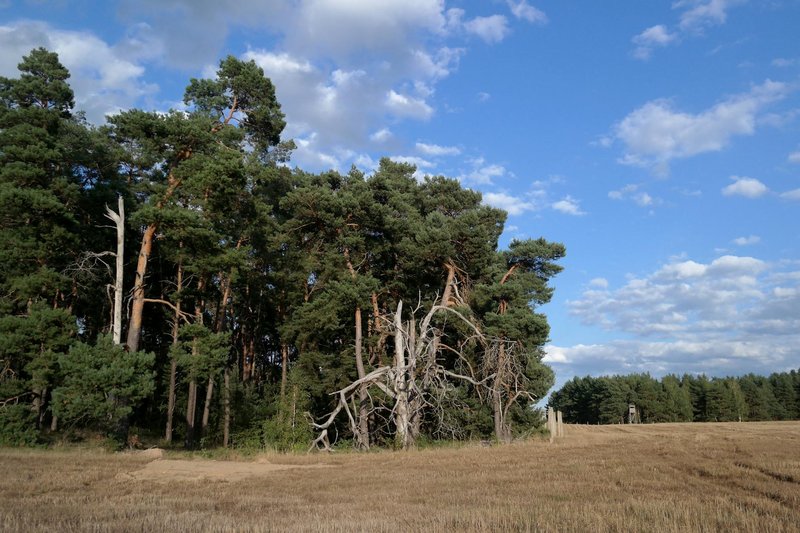
Forest loss and fragmentation create ideal conditions for invasive plants. Once the canopy opens, sun-loving species rush in.
Chromolaena odorata is again the headline act here. It colonizes disturbed forest edges, abandoned fields, and logged areas, making natural regeneration harder. That matters in a country where forest pressure has already been intense. When an invader slows native regrowth, it changes the trajectory of the whole site.
Other invasive or aggressive non-native plants can appear in plantations, roadsides, and secondary growth, often spreading quietly until they’re suddenly everywhere. That’s the trick with weeds: they rarely arrive with fanfare.
Urban and peri-urban areas
Cities and towns are invasion corridors. Nurseries, construction sites, drainage channels, markets, and transport networks move seeds, soil, and plant fragments around constantly.
You’ll often see invasive plants in vacant lots, along ditches, and around waterways in and near Abidjan and other expanding urban areas. Urban runoff and disturbed soils are a gift to opportunistic species. The same is true for many insect pests that hitch rides on produce, firewood, or planting material.
Where the problem shows up most
In Côte d’Ivoire, invasive species pressure is strongest where land use is most intense or water movement is slow.
The most affected zones tend to include:
- Agricultural belts, especially around cassava and cocoa production
- Wetlands, lagoons, and reservoirs, where floating plants spread quickly
- Forest margins, especially logged or fragmented areas
- Roadside and peri-urban corridors, which act like conveyor belts for seeds and pests
That pattern makes sense. Disturbance creates openings, and invasives specialize in exploiting openings. Native ecosystems usually don’t lose because they’re weak; they lose because the playing field keeps changing under them.
Why invasive species matter
Invasive species in Ivory Coast are not just a biodiversity issue, though that would be reason enough.
They can:
- Reduce crop yields
- Raise labor costs for weeding, clearing, and maintenance
- Block irrigation and drainage systems
- Damage fisheries and inland water transport
- Suppress native plants and habitat regeneration
- Increase pesticide use when pest outbreaks get harder to control
The economic side is easy to underestimate until you add it up. A weed that slows one crop cycle, a pest that lowers storage quality, a floating plant that clogs a water intake — each one looks manageable on its own. Together, they become a slow drag on livelihoods.
For the broader regional context, the IPBES report on invasive alien species explains why these species are now among the top drivers of ecosystem decline worldwide. See also Invasive Species in Africa.
What’s being done about them
Control in Ivory Coast usually falls into a few buckets:
- Early detection and monitoring so new outbreaks don’t spread unnoticed
- Mechanical removal for aquatic weeds and roadside infestations
- Biological control for certain pests and weeds, especially where chemical control alone is unrealistic
- Integrated pest management in agriculture, which mixes crop management, resistant varieties, and targeted interventions
- Public awareness and sanitation to reduce accidental spread
The catch is that no single method works everywhere. Water hyacinth on a lagoon is a different problem from cassava mealybug in a field or Chromolaena in a fallow. Good management has to match the species, the site, and the budget. Otherwise you get expensive effort and very little to show for it.
Researchers and environmental managers often rely on country records, crop protection bulletins, and biodiversity databases to decide where intervention is actually worth the money. That’s the unglamorous part of conservation: knowing what not to chase.
Conclusion
Invasive species in Ivory Coast are a practical problem before they are a scientific one. They affect what farmers can harvest, what waterways can carry, and how fast forests and wetlands recover after disturbance. The worst offenders tend to be the ones that love disruption: aggressive weeds, floating aquatic plants, and crop pests that spread faster than management can catch up.
A solid response depends on early detection, local monitoring, and control methods that fit the habitat. That sounds simple. It isn’t. But it’s still better than letting the next invader get comfortable.