Maine’s coastlines, lakes and forests are important habitats that also make the state vulnerable to outsiders—plants, invertebrates and algae that can alter food webs and damage recreation and infrastructure. Many of these arrivals hitch rides on boats, shipping gear, or in ballast water, and show up in places people rely on for fishing, swimming, and tourism.
There are 25 Invasive Species in Maine, ranging from Asian shore crab to Variable‑leaf watermilfoil. For each entry the list is organized with Scientific name,Category,Status so you can quickly see identification details, where the species is found, and how urgent management is; you’ll find below.
How do I report a suspected invasive species sighting in Maine?
Take clear photos (including scale and habitat), note the exact location and date, and avoid moving the organism. Submit your report through iMapInvasives or contact the Maine Natural Areas Program or Maine Department of Environmental Protection—these agencies can confirm the ID and advise next steps.
What practical steps can I take to prevent spreading invasive species?
Clean, drain, and dry boats, trailers, and fishing gear between water bodies; dispose of aquarium and bait species responsibly; avoid transporting firewood or soil between sites. Follow local advisories for high-priority species and report new sightings so managers can respond quickly.
Invasive Species in Maine
| Name | Scientific name | Category | Status |
|---|---|---|---|
| Japanese barberry | Berberis thunbergii | Plant | Established |
| Japanese knotweed | Fallopia japonica | Plant | Established |
| Purple loosestrife | Lythrum salicaria | Plant | Established |
| Common reed (invasive genotype) | Phragmites australis | Plant | Established |
| Garlic mustard | Alliaria petiolata | Plant | Established |
| Glossy buckthorn | Frangula alnus | Plant | Established |
| Common buckthorn | Rhamnus cathartica | Plant | Established |
| Multiflora rose | Rosa multiflora | Plant | Established |
| Oriental bittersweet | Celastrus orbiculatus | Plant | Established |
| Autumn olive | Elaeagnus umbellata | Plant | Established |
| Japanese honeysuckle | Lonicera japonica | Plant | Established |
| Burning bush | Euonymus alatus | Plant | Established |
| Norway maple | Acer platanoides | Plant | Established |
| Eurasian watermilfoil | Myriophyllum spicatum | Algae | Established |
| Variable‑leaf watermilfoil | Myriophyllum heterophyllum | Algae | Established |
| European green crab | Carcinus maenas | Other | Established |
| Asian shore crab | Hemigrapsus sanguineus | Other | Established |
| Spongy moth (gypsy moth) | Lymantria dispar dispar | Other | Established |
| Brown marmorated stink bug | Halyomorpha halys | Other | Established |
| Non‑native earthworms | Lumbricus spp. and others | Other | Established |
| European starling | Sturnus vulgaris | Other | Established |
| Common carp | Cyprinus carpio | Fish | Established |
| Japanese barberry | Berberis thunbergii | Plant | Established |
| Japanese knotweed | Fallopia japonica | Plant | Established |
| Purple loosestrife | Lythrum salicaria | Plant | Established |
Images and Descriptions
Japanese barberry
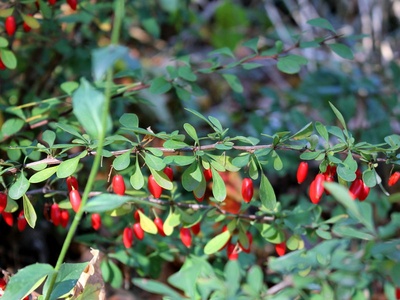
Spiny shrub with small red berries and oval leaves; common in southern and coastal Maine woodlands and edges. Crowds out natives, alters soil and wildlife use. Native to Japan; remove plants and report large infestations to UMaine Extension or local land trust for eradication guidance.
Japanese knotweed
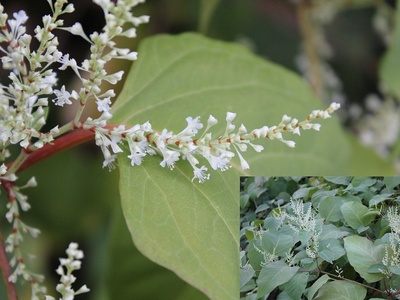
Bamboo‑like hollow stems to 3 m, large heart‑shaped leaves; forms dense riverbank and roadside stands across Maine. Roots resprout from fragments, undermining banks and structures. Native to East Asia; cut, herbicide and disposal guidance available from state agencies and UMaine Extension.
Purple loosestrife
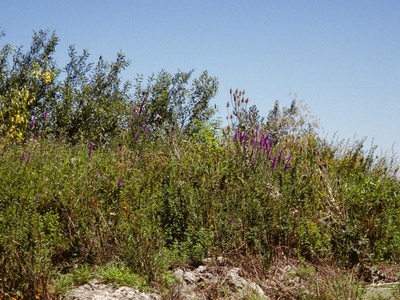
Showy purple flower spikes in wetlands and marshes statewide. Displaces native wetland plants, reducing habitat for birds and insects. Native to Eurasia; pull small patches, use biological control or herbicide per Maine Dept. of Agriculture guidance; report sightings to local conservation agencies.
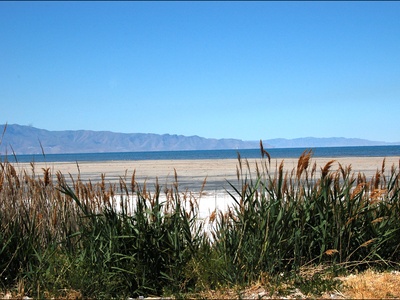
Common reed (invasive genotype)
Tall, feathery, tan seedheads and dense stands in coastal marshes and disturbed wetlands. Non‑native genotype forms monocultures, reducing biodiversity and altering hydrology across Maine’s coast. Eurasian origin; manage with coordinated herbicide, mowing or water control and report new stands to state agencies.
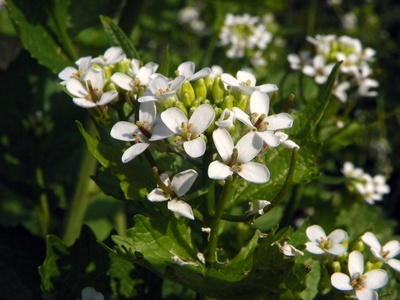
Garlic mustard
Low biennial with scalloped leaves and white flowers in spring; invades forest understories statewide. Releases chemicals that inhibit native plants and mycorrhizae. Native to Europe; hand‑pull small patches before seed set and report larger infestations to UMaine Extension for control plans.
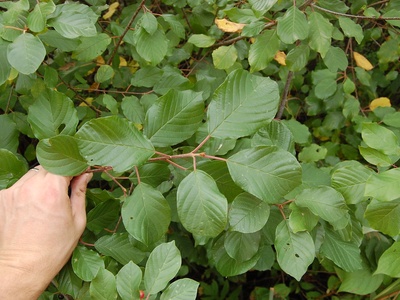
Glossy buckthorn
Dense shrub or small tree with shiny leaves and dark berries, common in southern Maine wetlands and uplands. Forms thick thickets that shade natives and alter wetland hydrology. Native to Eurasia; remove seedlings, cut and treat stems, and report large invasions to local authorities.
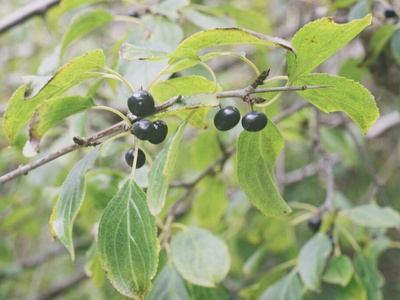
Common buckthorn
Upright shrub with clusters of black berries, naturalized in fields and wood edges in southern and interior Maine. Competes with native shrubs and spreads rapidly. Native to Europe; pull small plants, cut and treat large stems, notify land managers of big infestations.
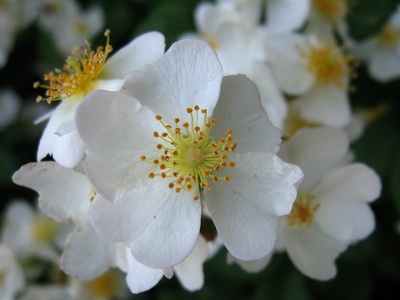
Multiflora rose
Arching shrub with hooked thorns and clusters of small rose‑like flowers; prolific in pastures, hedgerows and roadsides across Maine. Smothers native vegetation and forms impenetrable thickets. Native to East Asia; mow/brush and herbicide per UMaine guidance; report large stands to stewardship groups.
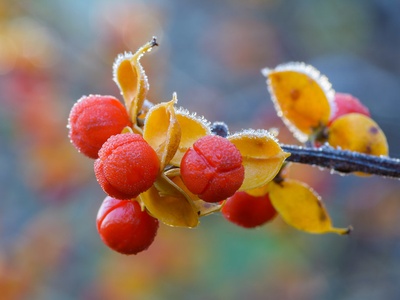
Oriental bittersweet
Woody vine with round orange fruits; climbs and girdles trees in coastal and southern Maine woodlands. Displaces native vines and damages trees. Native to East Asia; cut and treat stems, dig out roots, report infestations to local conservation organizations.
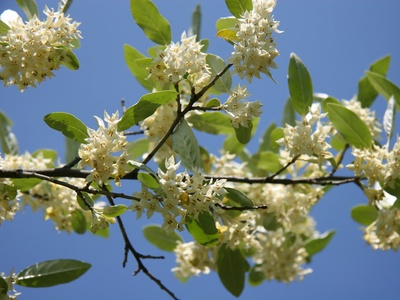
Autumn olive
Silver‑backed shrub with fragrant white flowers and red speckled berries; colonizes fields and disturbed sites in Maine. Fixes nitrogen and outcompetes natives. Native to Asia; remove seedlings by root‑pulling and treat resprouts; report dense populations to land stewards.
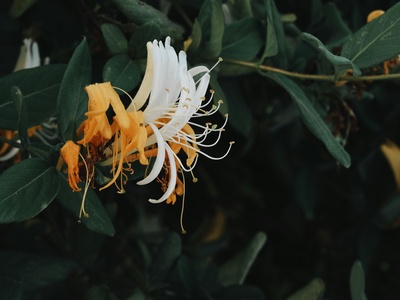
Japanese honeysuckle
Woody vine with fragrant tubular flowers and black berries; common in southern Maine hedgerows and forest edges. Smothers natives and alters habitat. Native to East Asia; pull vines, cut and treat persistent stems, and report large infestations to UMaine Extension.
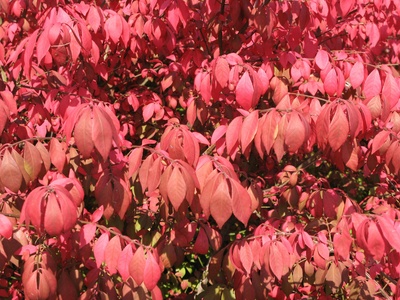
Burning bush
Ornamental shrub with corky ridges and bright fall color that escapes into Maine woodlands and roadsides. Displaces native shrubs and alters understory. Native to Asia; remove before seed set, dispose responsibly, and notify local invasive plant groups of wild populations.
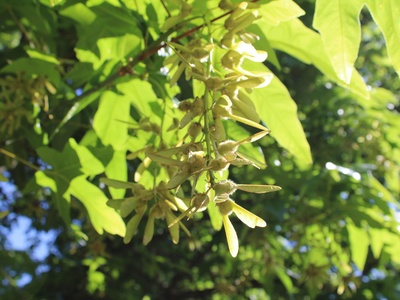
Norway maple
Large tree with rounded leaves, often planted in yards and naturalizing along roadsides in Maine. Shade‑tolerant and competitive with native maples and seedlings. Native to Europe; discourage planting, remove saplings in natural areas, report woody invasions to local land trusts.
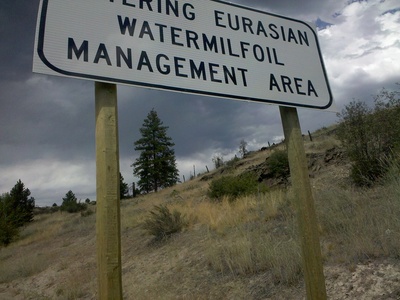
Eurasian watermilfoil
Feathery submerged plant forming dense mats in lakes across Maine, impeding recreation and altering habitat. Eurasian origin; spread via fragment transport. Report sightings to Maine Dept. of Environmental Protection, clean boats and use approved control tools under state permits.

Variable‑leaf watermilfoil
Bushy underwater plant with variable leaf forms; invades lakes and ponds in Maine, smothering native plants and clogging shorelines. Fragment spreads by boats. Native to North America? (non‑native populations problematic in Maine). Report to state invasive aquatic program and follow boat‑cleaning protocols.
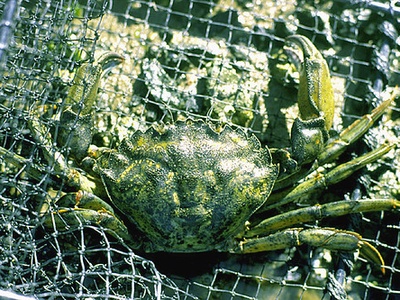
European green crab
Broad, flattened orange‑green shore crab now widespread along Maine’s coast. Preys on shellfish and eelgrass, disrupting intertidal ecosystems and fisheries. Native to Europe; report unusual aggregations to Maine Dept. of Marine Resources and support local trapping and control efforts.
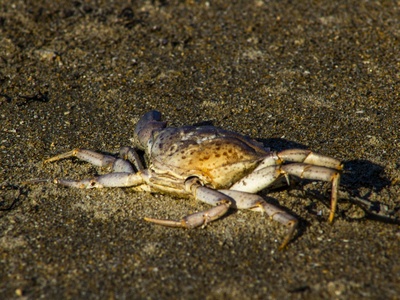
Asian shore crab
Small square carapace with banded legs, common on rocky Maine shores. Competes with native crabs and impacts intertidal communities. Native to Asia; document sightings for DMR, avoid moving shellfish and participate in local monitoring programs.
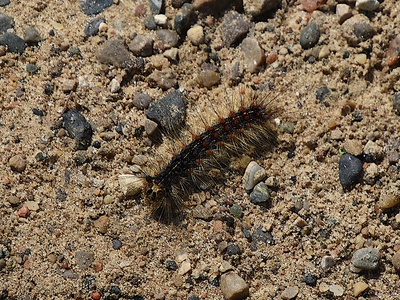
Spongy moth (gypsy moth)
Caterpillars with hairy bodies and paired blue/red spots defoliate oaks and other trees in Maine forests and suburbs. Outbreaks reduce tree vigor and alter ecosystems. Native to Eurasia; report heavy defoliation to state forest service and use recommended biological or pesticide controls when warranted.
Brown marmorated stink bug
Shield‑shaped bug mottled brown, common nuisance pest in Maine homes and an agricultural pest on fruit and vegetables. Native to East Asia; seal homes in fall, report agricultural damage to extension services and use monitoring traps as advised.
Non‑native earthworms
European earthworms in forests accelerate leaf litter breakdown, changing soil structure and harming understory plants across Maine. Often introduced via bait and soil movement. Manage by avoiding soil transfers and reporting spread to UMaine Extension for research and outreach.
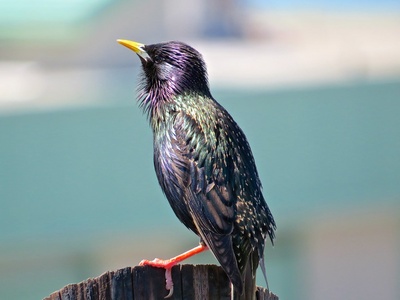
European starling
Glossy black bird with yellow bill, abundant in Maine towns and farms. Competes with native birds for cavities and damages crops. Introduced from Europe; discourage roosting at large sites, use exclusion methods, report nuisance populations to local wildlife agents.
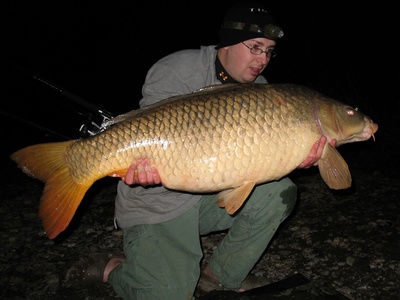
Common carp
Large, heavy‑bodied fish that uproots vegetation and increases turbidity in ponds and lakes in parts of Maine. Degrades water quality and habitats for native fish. Native to Asia/Europe; avoid illegal stocking, report catches in new waters to Maine Dept. of Inland Fisheries & Wildlife.
Japanese barberry
Spiny shrub with small red berries and oval leaves; common in southern and coastal Maine woodlands and edges. Crowds out natives, alters soil and wildlife use. Native to Japan; remove plants and report large infestations to UMaine Extension or local land trust for eradication guidance.
Japanese knotweed
Bamboo‑like hollow stems to 3 m, large heart‑shaped leaves; forms dense riverbank and roadside stands across Maine. Roots resprout from fragments, undermining banks and structures. Native to East Asia; cut, herbicide and disposal guidance available from state agencies and UMaine Extension.
Purple loosestrife
Showy purple flower spikes in wetlands and marshes statewide. Displaces native wetland plants, reducing habitat for birds and insects. Native to Eurasia; pull small patches, use biological control or herbicide per Maine Dept. of Agriculture guidance; report sightings to local conservation agencies.